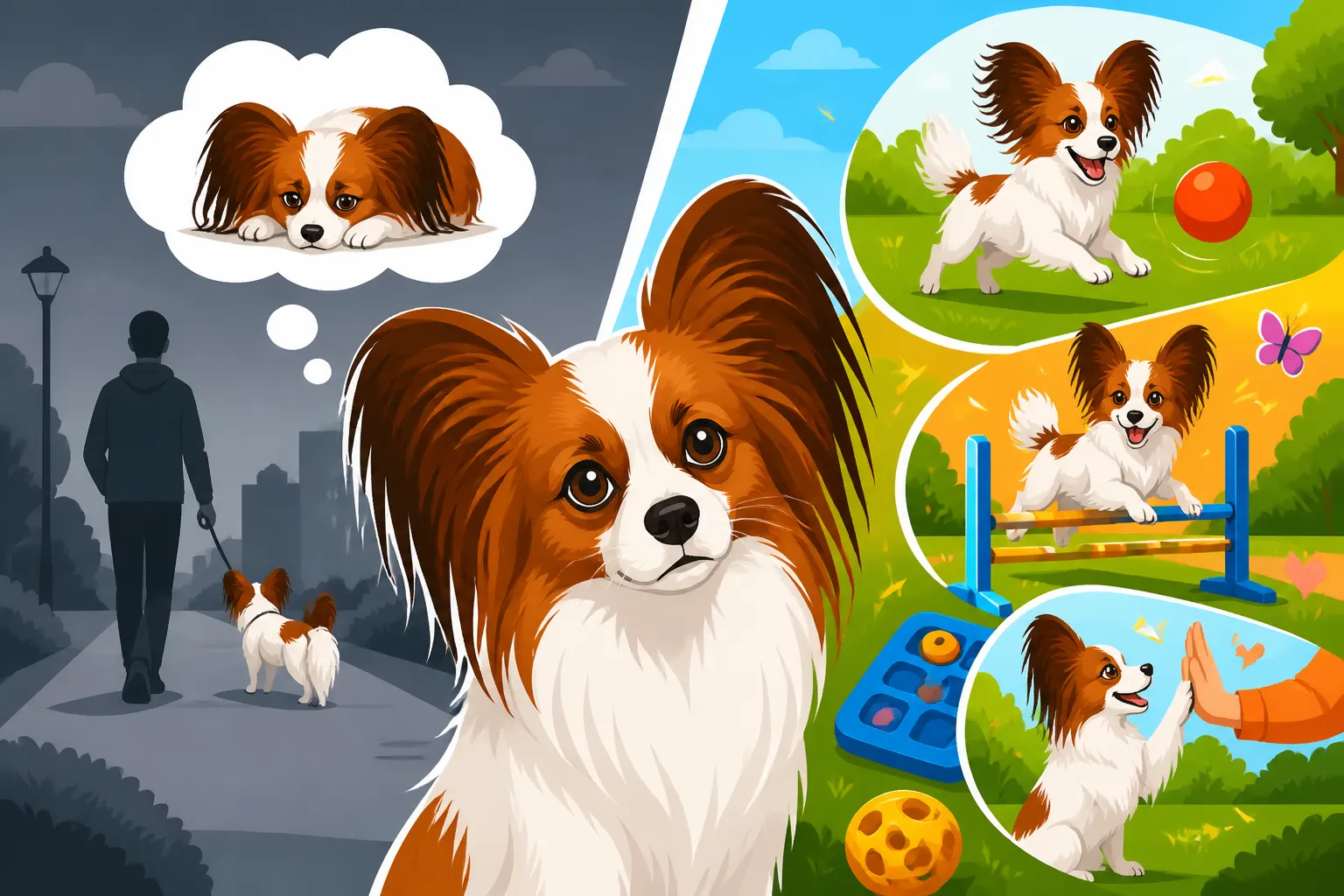
Why a Walk Alone Does Not Satisfy a Papillon
It’s a common scenario: you’ve given your adorable Papillon a nice, long walk, they’ve sniffed every lamppost, greeted a few friendly faces, and done their business. You get back home, feeling accomplished, only to have them immediately bring you a toy, stare intently at the treat jar, or start zooming around the living room as if they just had a five-minute nap. If you’ve ever wondered why that walk, however lovely, doesn't seem to fully satisfy your bright-eyed little companion, you're certainly not alone. This guide will delve into the multifaceted needs of the Papillon, explaining why physical exercise is just one piece of their complex puzzle and what else you can do to truly fulfill them.
The Papillon Mind: More Than Just Legs
When we think of tiring out a dog, our minds often jump straight to physical exercise: walks, runs, fetch in the park. And while a Papillon certainly enjoys a good stroll, their unique intelligence and lively spirit mean their brains need just as much, if not more, of a workout than their tiny legs. These aren’t just pretty faces; Papillons are truly little dynamos of smarts.
Why Physical Exercise Alone Falls Short
Imagine spending your entire day reading a fascinating book, only to be told at the end of it that you haven't actually done anything. That's a bit how a Papillon might feel after just a walk. While it’s wonderful for their physical health and provides essential outdoor time, a standard leash walk often lacks the mental engagement that a Papillon truly craves. They might cover ground, but their minds, which are constantly eager to learn and solve, haven't been challenged. They haven't had to think, strategize, or problem-solve in a way that truly engages their inherent intelligence.
A walk might offer some sensory stimulation – new smells, sights, and sounds – which is certainly beneficial. But for a breed renowned for its sharp wit and trainability, simply ambulating isn't enough to tap into their full potential. They come home with pent-up mental energy, which can manifest as boredom, restlessness, or even seeking out "naughty" behaviors to entertain themselves. They're often described as having the brains of a big dog in a small package, and that big dog brain needs to be put to work. You might find yourself wondering How Much Exercise a Papillon Needs, and while the answer includes physical activity, it's never just that.
The Inner Workings of a Papillon's Intelligence
Papillons consistently rank among the most intelligent dog breeds, often surprising people who only see their delicate appearance. They are often mentioned in the same breath as Border Collies and Poodles when it comes to learning speed and problem-solving abilities. Their intelligence isn't just about learning tricks quickly; it's a deep-seated drive to understand, to interact, and to engage with their environment and their human companions. The Papillon Is the Smartest Toy Breed There Is, and this intelligence requires an outlet.
This inherent cleverness means they pick up on routines, human emotions, and new cues with remarkable speed. They thrive on having a "job" to do, whether it's learning a new trick, navigating an agility course, or even just helping you "find" your keys (after you've hidden them, of course!). When this mental drive isn't met, they can become understimulated, which is often a root cause of behaviors we perceive as problematic. It's not that they're being "bad"; they're simply expressing their need for mental activity in the only ways they know how.
Beyond the Leash: Mental Stimulation for a Papillon
Since a walk alone doesn't quite hit the spot for these clever pups, we need to think about engaging their minds. Mental stimulation is just as vital as physical activity, offering a rich tapestry of activities that challenge their intellect and satisfy their natural curiosity.
The Power of Training and Learning New Tricks
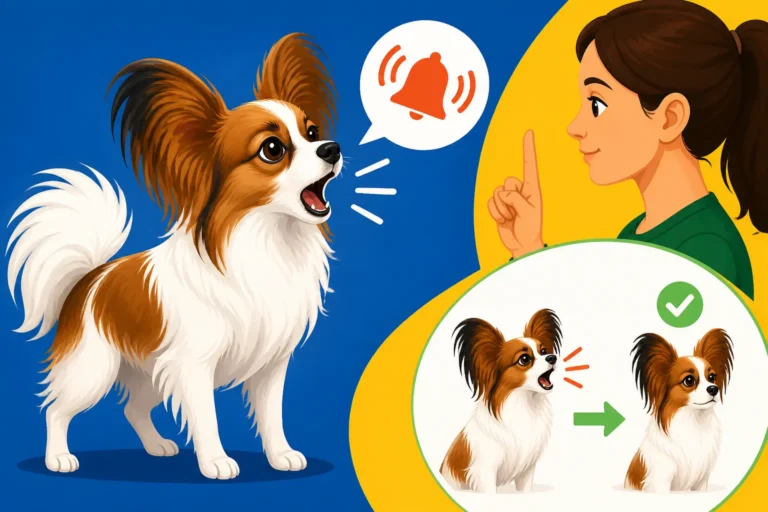
Formal training sessions, even short ones, are incredibly satisfying for a Papillon. They absolutely adore learning new things and excel at it. Instead of just focusing on basic obedience, think about teaching them fun tricks like 'spin,' 'weave,' 'play dead,' or even more complex sequences. These activities require them to focus, think, and coordinate, all of which tire them out mentally far more effectively than a simple walk. They genuinely enjoy the process of figuring things out and the positive reinforcement that comes with success. It's truly amazing to see how quickly they can grasp complex commands. Teaching a Papillon Tricks Faster Than You Think of Them is not an exaggeration – these dogs are sponges for information.
Consider incorporating a few short training bursts throughout the day, maybe 5-10 minutes each. This keeps their brains engaged and gives them mini-jobs to do. Websites like BAXTER & Bella offer fantastic online programs that break down training into manageable, fun steps, perfect for keeping a Papillon's mind sharp and engaged from puppyhood through their senior years. You might find that a tired Papillon is one that has spent a good chunk of time working on a puzzle or a new command, rather than one who has simply logged many steps.
Engaging Their Brains with Puzzle Toys and Games
Interactive puzzle toys are a Papillon’s best friend. These toys require your dog to use their brain to figure out how to get a treat or a favorite toy. This isn't just about entertainment; it's a critical outlet for their problem-solving skills and innate drive to work for rewards. You can find a vast array of these on Amazon, from simple treat-dispensing balls to more complex sniff mats and multi-stage puzzles.
Here are a few ideas for mental games:
- Sniff Games: Hide treats around the house and let your Papillon use their nose to find them. This taps into their natural scenting abilities and provides immense mental satisfaction. You can make it harder by increasing the number of hiding spots or the difficulty of the location.
- Cup Games: Place a treat under one of three cups, shuffle them, and let your Papillon figure out which cup holds the prize. This sharpens their observation skills.
- "Find It" Games: Teach them the names of their toys. Say "Find the ball!" and reward them when they bring the correct item. You'll be amazed at how quickly they can learn a vocabulary. Whether a Papillon Can Learn Object Names is a resounding yes!
- Interactive Feeder Toys: Instead of just putting their meal in a bowl, use a slow feeder bowl or a food-dispensing toy that makes them work for each bite. This slows down their eating and engages their brain at mealtime.
These types of games transform mealtime and playtime into stimulating mental exercises, significantly contributing to their overall contentment.
The Social Butterfly: Why Papillons Crave Connection
Papillons are deeply social creatures. They thrive on interaction with their humans and, often, with other dogs. While a walk provides some external stimuli, it doesn't always fulfill their profound need for social engagement and connection. They are companion dogs at heart, bred for centuries to be close to their people.
The Importance of One-on-One Interaction
A Papillon truly bonds with its family and craves quality time. This isn't just about being in the same room; it's about active engagement. Petting, cuddling, playing games, and having focused attention from you are all incredibly important for their emotional well-being. Think about a game of fetch in the living room, a gentle grooming session, or simply sitting together on the couch, where they get to lean into you and receive strokes and praise. These moments reinforce your bond and provide comfort and security.
They will often follow you from room to room, not just because they're curious, but because they genuinely want to be near you and participate in whatever you're doing. This constant desire for proximity and connection is a hallmark of the breed. Denying them this focused interaction can leave them feeling lonely or under-stimulated emotionally, even if they've just had a physical outing. How a Papillon Shows Affection is often through this constant desire for closeness and shared activities.
Opportunities for Canine Socialization
While many Papillons are happy being the sole object of their human’s affection, many also thrive on appropriate socialization with other well-matched dogs. This doesn't necessarily mean a chaotic dog park, especially given their delicate size, but controlled playdates with known, calm dogs of similar size or temperament can be wonderful. Observing and interacting with other dogs allows them to practice their canine communication skills and explore different play styles.
Consider enrolling your Papillon in a puppy class or an advanced obedience course. These aren’t just for training; they are excellent opportunities for supervised socialization in a structured environment. Whether Puppy Class Is Enough for a Papillon often depends on the individual dog and the class, but it's always a good start for building confidence and social graces. Seeing other dogs and learning to focus amidst distractions is a huge mental workout. Even a visit to a pet-friendly cafe where they can observe the world calmly can be a social outing that provides gentle stimulation without overwhelming them.
Integrating Walks with a Holistic Approach
So, how do we combine the benefits of a walk with the critical need for mental and social enrichment? The key is a holistic approach, where walks become just one component of a varied daily routine that addresses all aspects of your Papillon’s well-being.
Making Walks More Engaging
Don't just walk the same route every day. Vary your paths to introduce new sights, sounds, and especially smells. Let your Papillon lead the sniff-a-thon some days, allowing them to truly explore with their nose. This "sniffari" is incredibly enriching, as scent work is a powerful mental activity for dogs. Stop at a park bench and practice a few 'sit-stays' or 'downs' amidst the distractions. Even a few minutes of focused training can elevate a mundane walk into a more engaging experience.
Consider carrying a small bag of high-value treats and playing simple games like "find it" in a patch of grass during your walk. Or, if your Papillon is safe off-leash in a contained area, practice recall or play a short game of fetch. This integrates mental work into the physical outing, doubling the satisfaction.
| Activity Type | Primary Benefit for Papillon | How a Walk Alone Compares |
|---|---|---|
| Physical Exercise | Maintains muscle tone, cardiovascular health, expends energy. | Meets this well. |
| Mental Stimulation | Challenges intellect, problem-solving, prevents boredom, builds focus. | Limited, mostly passive sensory input. Does not require active thought. |
| Social Connection | Strengthens human-dog bond, allows canine interaction. | Limited, mostly observational of humans/dogs. Little direct engagement. |
| Sensory Exploration | Engages smell, sight, sound, enriches environment. | Meets this fairly well, especially with varied routes. |
| Emotional Fulfillment | Builds confidence, reduces stress, sense of purpose. | Can contribute, but often leaves a gap if other needs are unmet. |
A Balanced Daily Schedule
The ultimate goal is a balanced day that weaves together physical exercise, mental stimulation, and social interaction. Think of it as creating a well-rounded curriculum for your Papillon, rather than just one subject. What a Papillon Does All Day should be a mix of activities.
A typical day might look something like this:
- Morning: A brisk walk, followed by a short training session focusing on new tricks or obedience cues.
- Midday: An interactive puzzle toy with part of their meal, or a brief game of indoor fetch.
- Afternoon: Another walk, perhaps a "sniffari" where they get to explore new scents, or a playdate with a friendly dog.
- Evening: Cuddle time on the couch, a gentle grooming session, and perhaps a review of a few known tricks for a mental check-in before bedtime.
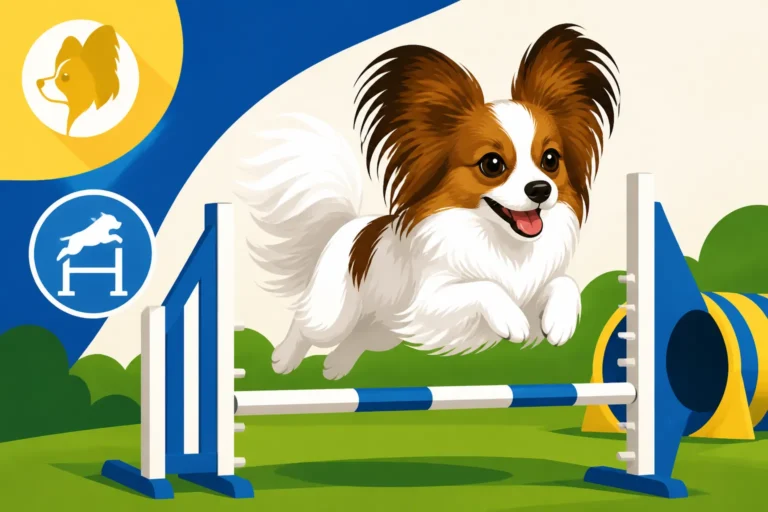
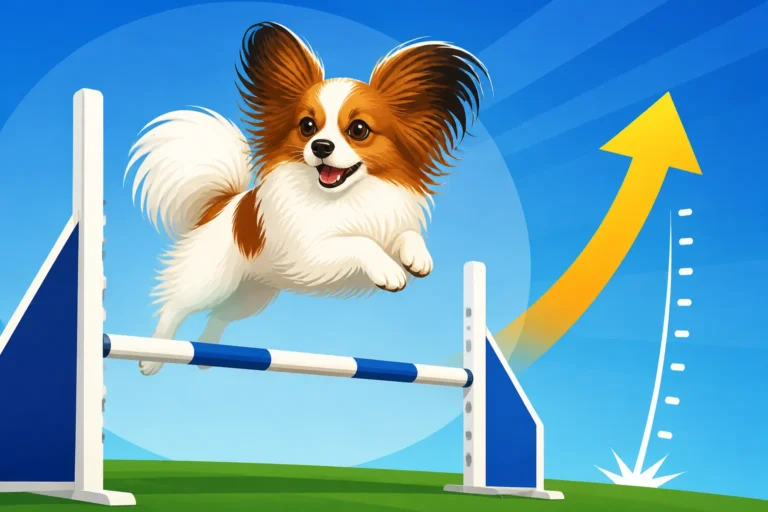
For those considering more advanced activities, remember that Papillons excel in dog sports like agility. Starting a Papillon in Agility can be an incredible outlet for both their physical prowess and their sharp minds. Even if competition isn't your goal, practicing agility obstacles in the backyard can be a fantastic way to bond and stimulate them.
By consciously incorporating these different elements, you’ll find your Papillon is not only physically tired but also mentally content and emotionally fulfilled. It’s about understanding their whole being, not just their need to stretch their legs.
Disclaimer
This article is for general informational purposes only and does not constitute professional advice. Laws, prices and regulations vary by location and change over time. Consult a qualified professional for guidance on your specific situation.