What Mental Work a Papillon Needs
It's a common misconception that because Papillons are small, they don't need much more than a lap and a short walk around the block. But anyone who lives with one of these intelligent little butterflies quickly learns that under that gorgeous coat is a mind that's constantly buzzing. Failing to provide adequate mental stimulation can lead to a host of frustrating behaviors, from incessant barking to furniture chewing. This guide is here to help you understand the profound mental needs of your clever Papillon and equip you with practical, enriching ways to keep their brilliant minds happy and engaged, preventing boredom before it ever sets in.
The Papillon's Brilliant Mind: Why Mental Work Is Non-Negotiable
If you've spent any time with a Papillon, you know they're not just cute faces. These dogs are incredibly bright, often ranking among the top in canine intelligence studies. They're quick learners, keen observers, and have a genuine desire to engage with their human companions. This isn't just about showing off; it's deeply ingrained in their breed history. For centuries, Papillons and their ancestors, the dwarf spaniels, were companions to royalty and nobility. They weren't bred for hunting or herding in the traditional sense, but for companionship and to be alert, responsive, and entertaining partners. That history translates to a modern-day Papillon who thrives on mental engagement.
Understanding Their Innate Intelligence
The Papillon consistently ranks incredibly high in canine intelligence, often cited as one of the smartest toy breeds, if not dogs overall. This isn't just an anecdotal claim; it's backed by observations of their capacity for learning and problem-solving. They absorb new information quickly, remember commands with impressive retention, and often seem to anticipate what you're going to ask next. Because of this, a simple walk isn't always enough to satisfy their complex minds. Imagine being a brilliant human stuck doing repetitive, unchallenging tasks all day; you'd get bored, right? Your Papillon feels the same way. Their minds are constantly seeking puzzles to solve, new things to discover, and opportunities to use their quick wits. This intellectual capacity is part of why they excel in dog sports like agility and obedience, where they can outmaneuver and outthink many larger breeds. You might be surprised at How Fast a Papillon Learns a New Cue when they're truly motivated and engaged.
The Consequences of Boredom
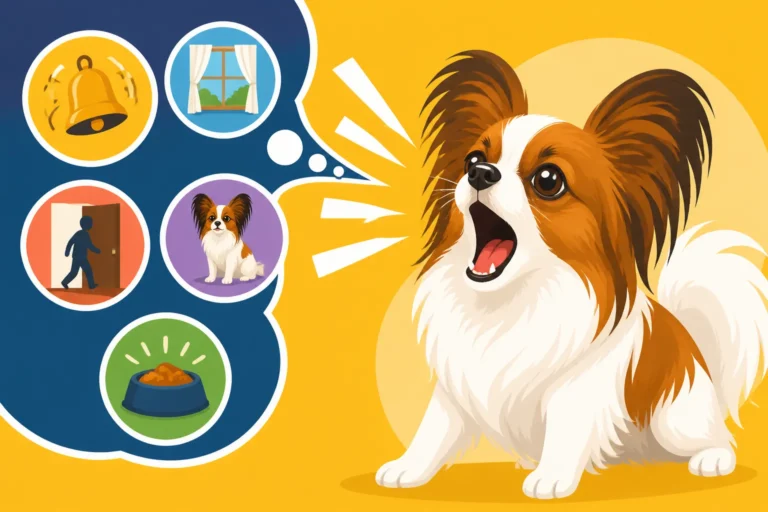
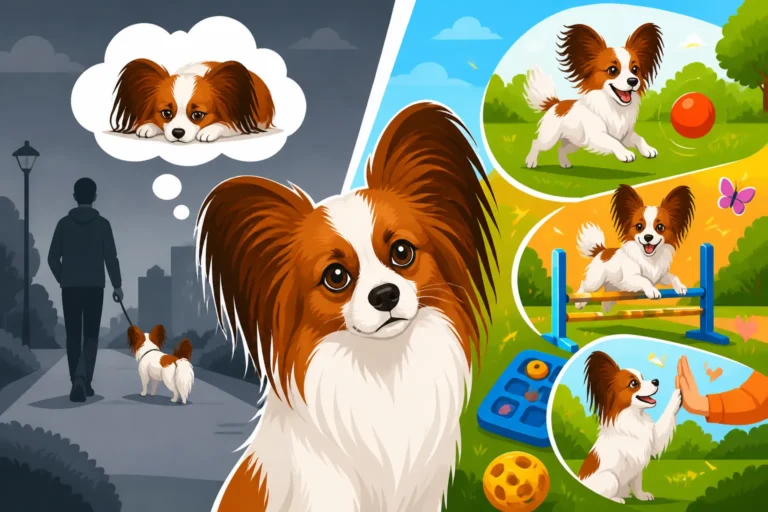
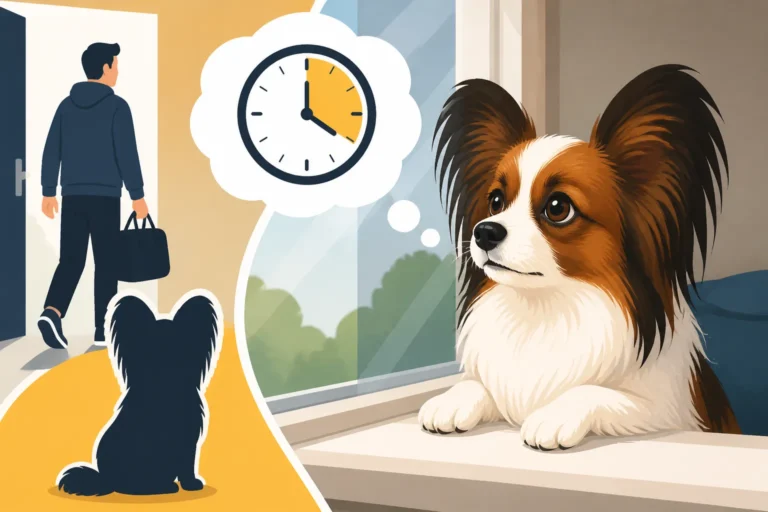
A bored Papillon is rarely a quiet, calm Papillon. When their brilliant minds aren't given appropriate outlets, that mental energy has to go somewhere. This often manifests as behaviors we humans find undesirable. You might notice an increase in barking, especially at every little sound or movement outside the window. They might start chewing on things they shouldn't, like furniture legs or your favorite pair of slippers, not out of malice but simply as a way to self-entertain. Some Papillons might become overly clingy, demanding constant attention, or even develop what looks like anxiety, pacing or vocalizing excessively. They're not being "bad"; they're simply trying to cope with an unmet need. Recognizing this can shift your perspective from frustration to understanding, allowing you to address the root cause of the behavior rather than just the symptom. Providing mental work can dramatically reduce these issues and lead to a much happier, more balanced dog.
Engaging Your Papillon's Mind with Daily Activities
The good news is that providing mental stimulation doesn't have to be complicated or require vast amounts of time. Often, it's about incorporating short bursts of engaging activities throughout the day. Consistency is key, and even five to ten minutes of focused mental work can be as tiring as a long walk for a Papillon. It’s all about finding what sparks joy and curiosity in your individual dog.
The Power of Puzzle Toys and Snuffle Mats
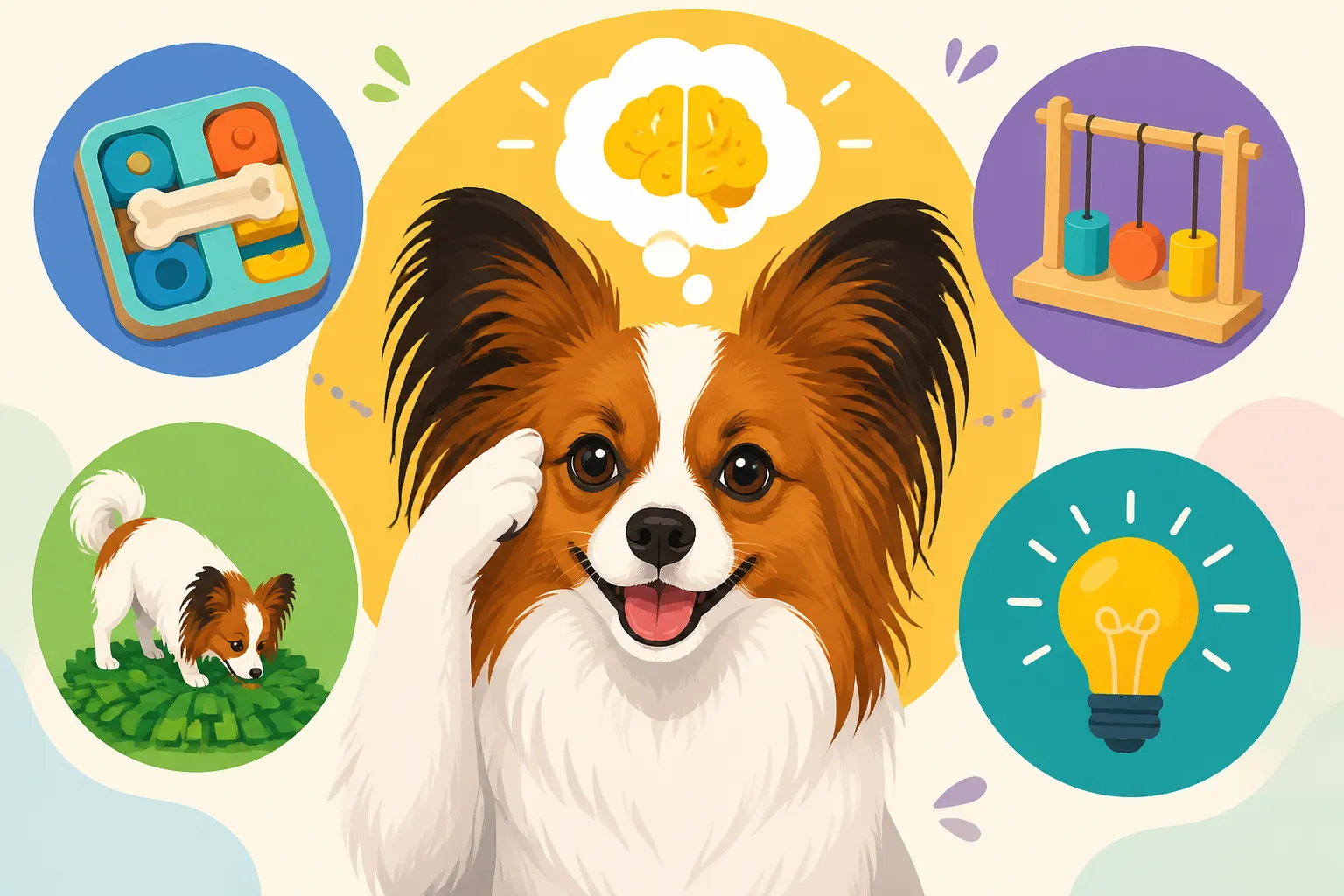
Puzzle toys are absolute gold for Papillons. These aren't just toys; they're brain games that require your dog to manipulate objects, slide levers, or lift pieces to get to a hidden treat. Start with simpler puzzles and gradually increase the difficulty as your Papillon masters them. Seeing their little brains work, watching them figure out a new mechanism, is incredibly rewarding. Snuffle mats are another fantastic option. These fabric mats have numerous "blades" or strands where you can hide kibble or small treats. Your Papillon then uses their nose to root around and find the food, engaging their natural foraging instincts. This is a wonderfully calming activity that provides significant mental fatigue. You can find a wide variety of excellent puzzle toys and snuffle mats on platforms like Amazon, offering different levels of challenge and materials. When choosing, look for options that are appropriately sized for a Papillon's delicate muzzle and paws.
Basic Obedience and Trick Training
While many think of obedience as just "sit" and "stay," for a Papillon, it's a profound mental workout. Learning new commands, refining existing ones, and practicing them in different environments forces their brain to focus, process information, and respond accurately. They truly thrive on this kind of structured learning. But don't stop at the basics! Papillons excel at trick training. Their intelligence and eagerness to please make them prime candidates for learning an impressive repertoire of tricks, from "spin" and "play dead" to more complex routines. Think of it as teaching your dog a new language or a complex dance routine. Each new trick learned builds their confidence and strengthens your bond. It's truly amazing How Many Tricks a Papillon Can Learn. Many online resources and training programs, like those offered by BAXTER & Bella, provide structured lesson plans that are perfect for teaching a variety of tricks and advanced obedience cues right from your living room.
Incorporating Scent Work and Nose Games
Never underestimate the power of a dog's nose! Scent work is incredibly engaging and mentally fatiguing for any dog, and Papillons are no exception. Even though they weren't bred as scent hounds, they possess excellent noses and find immense satisfaction in using them. You can start with simple indoor games:
- "Find It": Hide a few high-value treats around a single room while your Papillon watches. Then, give them the "find it" cue. As they get better, gradually make the hiding spots more challenging and move to other rooms.
- Cup Game: Place a treat under one of three cups, shuffle them, and let your Papillon use their nose to find which cup holds the prize.
- Scent Trails: Drag a treat along the floor or ground for a short distance and let your Papillon follow the scent trail.
These activities tap into their primal instincts and provide a deep sense of accomplishment. Scent work doesn't require much space or fancy equipment, making it an accessible way to engage your Papillon's mind every day. It's a fantastic way to bond and provides a great mental workout that differs from physical exercise or obedience drills. If you're wondering Whether a Papillon Can Do Scent Work, the answer is a resounding yes!
Advanced Mental Enrichment and Preventing Boredom
As your Papillon masters basic mental exercises, you'll want to keep things fresh and challenging. Just like humans, dogs can get bored with the same old routine. Introducing new challenges and varying their mental "diet" is crucial for long-term happiness and preventing destructive habits.
Expanding Their Training Horizons
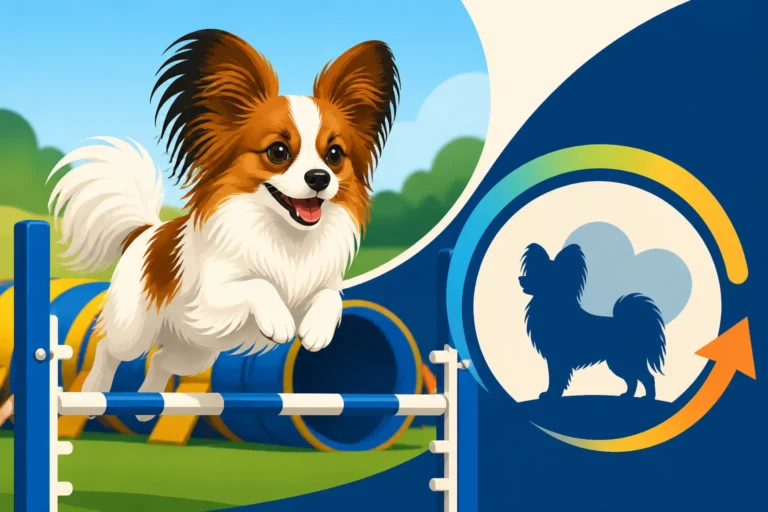
Once your Papillon has a solid foundation in obedience and tricks, consider exploring more advanced training opportunities. Dog sports like agility, rally obedience, or even freestyle (musical canine obedience) offer structured ways to challenge both their bodies and minds. For example, in agility, they'll learn to navigate a complex course of jumps, tunnels, and contact obstacles, all while listening to your cues and making split-second decisions. This isn't just physical; it's a huge mental workout as they learn sequences and solve navigational puzzles. Even if you don't plan to compete, foundation agility classes can provide incredible mental stimulation and physical conditioning. Resources like BAXTER & Bella's comprehensive online training programs can help you lay the groundwork for these activities, ensuring your Papillon is well-prepared and confident. Don't forget that even short, daily training sessions, perhaps practicing two or three cues, can be incredibly beneficial. How Short a Papillon's Training Session Should Be is often much shorter than you think, making it easy to fit into a busy day.
The Importance of Novelty and Exploration
Routine is good, but novelty is stimulating. Introduce your Papillon to new sights, sounds, and smells regularly. This doesn't necessarily mean long trips; it could be as simple as:
- New Walking Routes: Explore different neighborhoods, local parks, or nature trails. The varied scents and textures are a feast for their senses.
- Interactive Playdates: If your Papillon enjoys the company of other appropriate dogs, supervised playdates offer social and mental stimulation as they learn to read and respond to canine body language.
- "Field Trips": Take them to a pet-friendly store, a quiet cafe patio, or even just a new section of your yard. The change of scenery and the mental processing required to assess a new environment can be wonderfully enriching. This kind of exploration helps them build confidence and adaptability.
Remember, a walk is not just physical exercise; it's a prime opportunity for mental exploration. Letting your Papillon sniff around and investigate their surroundings engages their minds far more than simply marching them down the street. Why a Walk Alone Does Not Satisfy a Papillon often comes down to this lack of sensory input.
Tailoring Mental Work to Your Papillon's Personality
Every Papillon is an individual, and while the breed as a whole is intelligent, their specific interests might vary. Observe your dog closely to understand what truly excites them. Does your Papillon light up at the sight of a new puzzle toy, or do they prefer the challenge of learning a complex trick? Are they driven by food, toys, or praise? Understanding What Motivates a Papillon will help you choose the most effective and enjoyable mental activities.
For example, a Papillon who is highly food-motivated might adore snuffle mats and treat-dispensing toys. One who loves to perform might thrive on trick training and showing off new skills. If your Papillon is a natural explorer, scent games and varied walk locations will be their jam.
Here's a quick comparison of mental enrichment activities:
| Activity | Engagement Type | Benefits | Best For |
|---|---|---|---|
| Puzzle Toys | Problem-solving | Independent play, builds confidence, reduces boredom | Food-motivated dogs, quiet time |
| Snuffle Mats | Scent-based foraging | Calming, natural instinct fulfillment, mental fatigue | All Papillons, especially those needing to relax |
| Trick Training | Learning, coordination | Strengthens bond, builds confidence, impressive skills | Eager to please, performance-oriented dogs |
| Scent Work/Nose Games | Olfactory exploration | Deep mental fatigue, builds focus, confidence booster | Any Papillon, especially those who love to sniff |
| Agility Foundations | Problem-solving, physical | Builds confidence, coordination, physical and mental outlet | Energetic, eager to learn dogs |
| Novel Environments | Sensory exploration | Reduces anxiety, builds adaptability, prevents boredom | All Papillons, especially those needing socialization |
By offering a diverse range of mental challenges, you're not just preventing boredom; you're enriching your Papillon's life, fostering their natural talents, and deepening the incredible bond you share. Your Papillon's bright mind is one of their most wonderful traits, and nurturing it is one of the greatest gifts you can give them.
Disclaimer
This article is for general informational purposes only and does not constitute professional advice. Laws, prices and regulations vary by location and change over time. Consult a qualified professional for guidance on your specific situation.