What a Papillon’s Coat Is Made Of
It can be truly bewildering to look at a Papillon's magnificent, flowing coat and wonder just what goes into keeping it looking so pristine, or even what it's actually made of. Many assume that a long, luxurious coat must mean endless grooming sessions and a battle with dense undercoat, but with Papillons, that couldn't be further from the truth. This guide will take a deep dive into the unique composition of a Papillon's coat, exploring its distinctive single-layer structure, how that impacts everything from shedding to grooming, and what makes those iconic fringes and plumes so special.
Unpacking the Papillon's Signature Single Coat
When you first meet a Papillon, your eyes are immediately drawn to their elegant, long, and silky coat. It drapes beautifully, giving them an almost regal appearance. But unlike many other long-haired breeds you might be familiar with, the Papillon's coat has a very specific and rather unique construction that sets it apart. It’s not just long; it’s different from a fundamental level.
The Absence of an Undercoat: What It Means
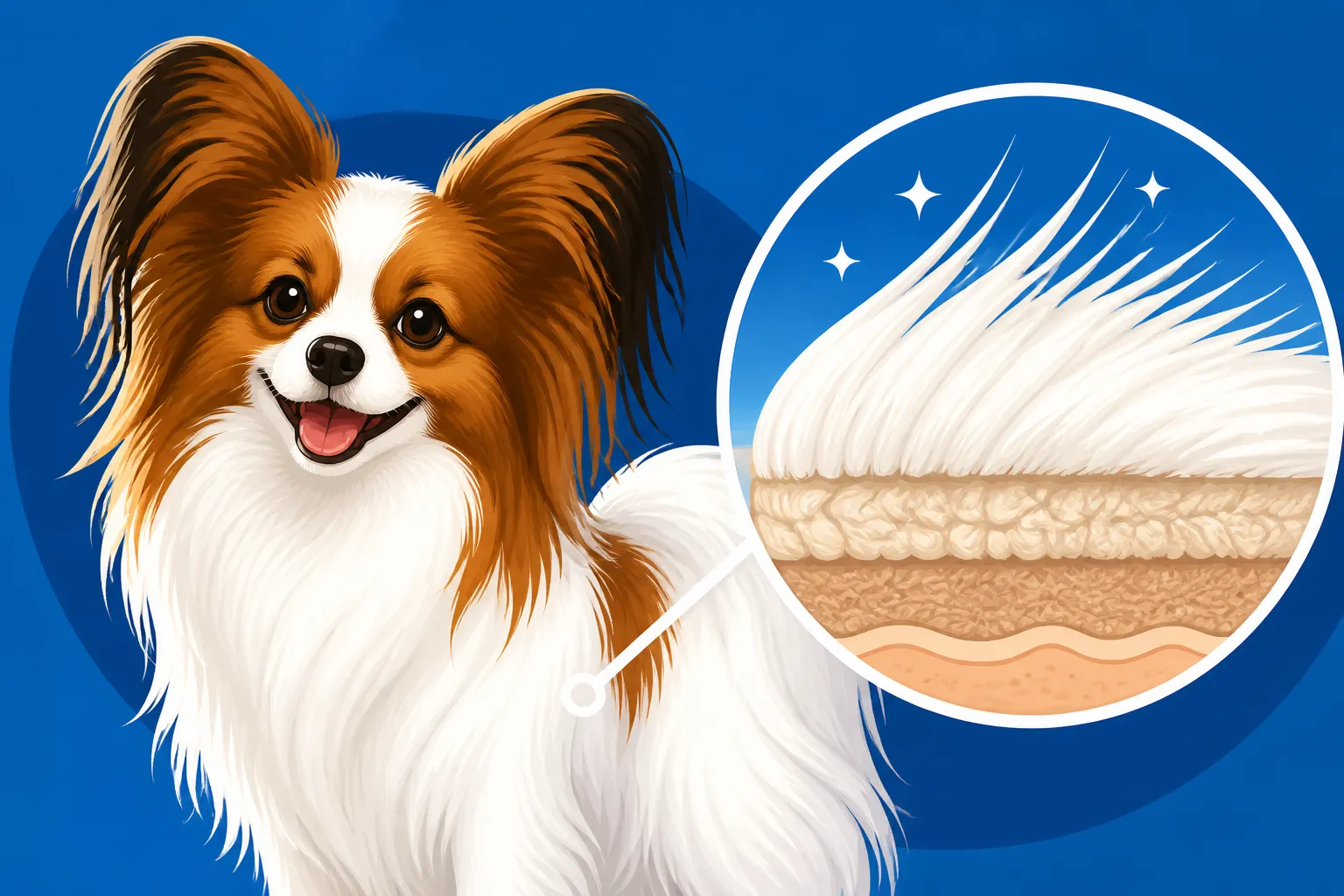
One of the most defining characteristics of a Papillon's coat is its single-layer structure. This means, quite simply, that they do not possess an undercoat. Many breeds, especially those originating from colder climates or working lines, have a dense, soft, woolly undercoat beneath their coarser, protective outer guard hairs. This undercoat serves as insulation, trapping air to keep the dog warm and offering an extra layer of defense against moisture. With a Papillon, that entire layer is missing.
What does this mean for you as an owner? For starters, it generally translates to less bulk and less shedding compared to a double-coated breed. You won't find tumbleweeds of fine, woolly undercoat floating around your home. However, it also means they have less natural insulation, making them more sensitive to cold weather. A Papillon's Coat Is All Fringe and No Undercoat goes into more detail on this, but the key takeaway is that their delicate single coat requires different considerations for temperature regulation.
The Silky, Fine Texture
Beyond the absence of an undercoat, the texture of a Papillon's coat is another defining feature. It's often described as silky, fine, and flowing. When you run your hand through it, it feels soft and smooth, not coarse or bristly. This texture contributes significantly to their elegant appearance and is a hallmark of the breed standard. The individual hairs are relatively thin and soft, which allows them to lie flat and create that characteristic drape.
This silky texture, combined with its single layer, also means the coat has a beautiful natural sheen. It catches the light and seems to ripple with movement, particularly on the ears and tail. While beautiful, this fineness also means that the hair can be prone to tangling if not regularly cared for, especially in areas of friction or movement. Understanding this texture is key to choosing the right grooming tools and techniques to prevent damage and maintain its luster.
The "Hair-Like" Quality of Papillon Fur
Many people refer to a Papillon's coat as "hair" rather than "fur," and there's a good reason for that perception. While technically all canine coverings are fur, the term "hair" is often used colloquially for coats that are single-layered, non-shedding (or very low shedding), and grow continuously, similar to human hair. Papillons fit the bill for the first two points. Their single coat and finer texture mean they are often better tolerated by individuals with mild dog allergies compared to heavily shedding, double-coated breeds, although no dog is truly 100% hypoallergenic.
This "hair-like" quality also impacts how the coat behaves. It doesn't typically "blow out" in seasonal cycles like many double-coated breeds do. Instead, the shedding is more consistent and less dramatic. Think of it more like strands of human hair falling out gradually rather than large clumps. This makes daily maintenance predictable and generally less burdensome, a pleasant surprise for many who might be intimidated by such a long coat.
Understanding Papillon Shedding and Matting
Despite their long, flowing coats, Papillons don't necessarily come with the grooming nightmares many people anticipate. Their unique coat composition actually makes them surprisingly manageable in many ways, but it's important to understand the realities of their shedding and potential for matting so you can be prepared. It's not a wash-and-wear coat, but it's far from a high-maintenance showstopper either.
The Reality of Papillon Shedding
Let's be clear: Papillons do shed. There's no such thing as a truly non-shedding dog, despite what some might claim. However, a Papillon's shedding is typically quite minimal and manageable compared to many other breeds. Because they lack an undercoat, you won't experience those seasonal "coat blows" where huge amounts of fluff come out. Instead, Papillons shed individual hairs year-round, similar to how humans shed hair.
You'll mostly notice a few loose hairs on your clothes, furniture, or floors. Regular brushing, even just a few times a week, can capture most of these loose hairs before they become noticeable around the house. This consistent, low-level shedding is often a relief for owners who have previously dealt with breeds that leave thick layers of fur everywhere. It also means that keeping their living space tidy is a much simpler task, making them suitable for homes where excessive pet hair is a concern. Why a Papillon With No Undercoat Still Sheds explains the mechanics of this further.
Why Mats Still Happen (Despite the Single Coat)
It's easy to assume that a single-coated dog, especially one without a dense undercoat, would be immune to matting. Unfortunately, that's not quite true. While Papillons are less prone to the kind of severe, felt-like matting seen in some double-coated breeds, their fine, silky hair can still tangle and mat, particularly in certain areas. Think of a very fine human hair; it can still knot up, especially when wet or rubbed.
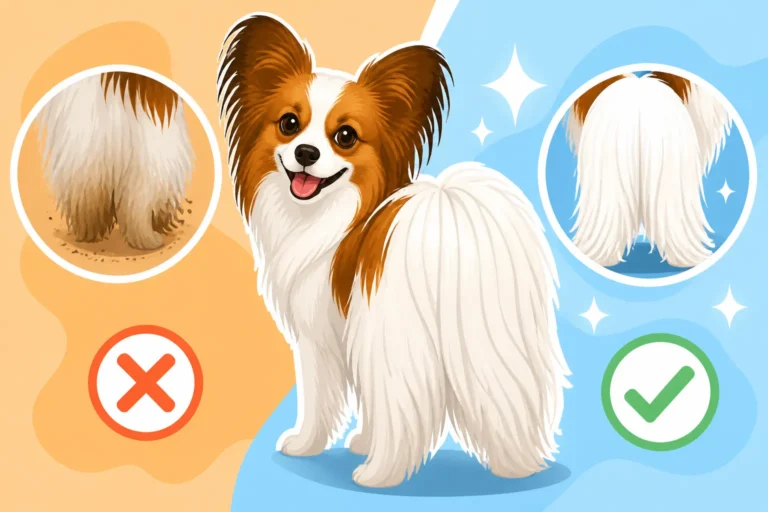
Common areas for mats to form on a Papillon include behind the ears, in the "armpits" where the legs meet the body, under the collar or harness, and in the "culottes" (the feathering on their hindquarters). These are all high-friction areas where hair can easily snag and intertwine. Moisture, dirt, and static electricity can also contribute to tangles. Neglecting a mat can quickly lead to a larger, painful tangle that pulls on the skin and can even cause skin infections. Where a Papillon Mats details these problem zones and how to address them before they become an issue.
How Grooming Needs Differ from Double-Coated Breeds
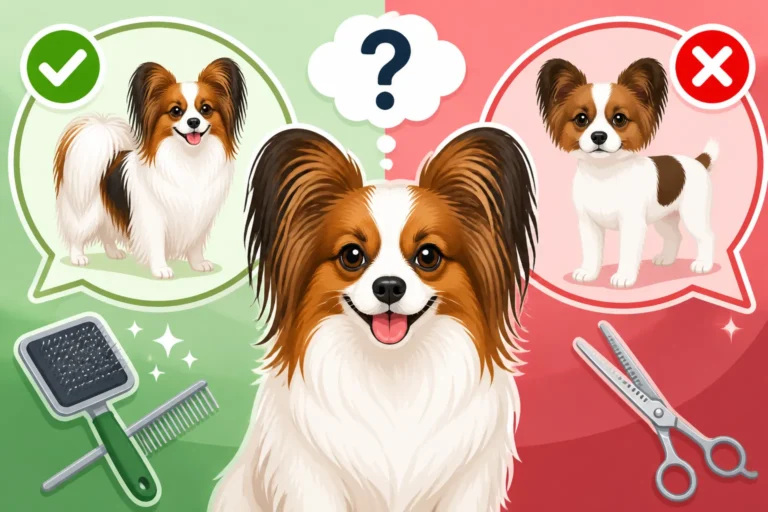
The distinct coat type of a Papillon means their grooming regimen varies significantly from double-coated breeds. For many double-coated dogs, grooming involves tools designed to remove undercoat, like rakes and deshedding tools. These are generally inappropriate for a Papillon's single coat, as they can damage the delicate hair or cause irritation. Instead, Papillon grooming focuses on preventing tangles, maintaining silkiness, and keeping the feathering looking its best.
Regular, gentle brushing with a pin brush or a soft slicker brush is key. Daily or every-other-day brushing, especially for five to ten minutes, can make all the difference. Why a Papillon's Long Coat Takes Twenty Minutes a Week elaborates on how this consistent effort keeps their coat pristine without major time commitments. Bathing is also different; while double-coated breeds might benefit from a thorough scrub to loosen undercoat, a Papillon's bath is more about cleansing the hair and skin gently. The goal is to keep their beautiful coat clean and free of debris without stripping natural oils or causing dryness.
| Feature | Papillon Coat | Double-Coated Breed (e.g., Pomeranian, Husky) |
|---|---|---|
| Layers | Single coat (topcoat only) | Double coat (dense undercoat + protective topcoat) |
| Texture | Silky, fine, flowing | Soft, woolly undercoat; coarser topcoat |
| Shedding Pattern | Minimal, consistent year-round | Heavy seasonal shedding (blowing coat), year-round |
| Matting Risk | Moderate, especially in high-friction areas | High, especially if undercoat isn't removed |
| Insulation | Low | High (designed for warmth) |
| Grooming Tools | Pin brush, soft slicker, comb, detangler | Undercoat rake, deshedding tool, slicker, comb |
| Allergy Potential | Often better tolerated by allergy sufferers | Generally not recommended for allergy sufferers |
The Glorious Feathering: Where the Papillon Shines
The word "Papillon" literally means "butterfly" in French, and anyone who has seen one knows exactly why. Their large, erect ears, adorned with long, flowing fringe, perfectly mimic the delicate wings of a butterfly. This incredible feathering, along with the dramatic plume of their tail and the elegant culottes on their hind legs, is truly what makes the Papillon's coat so captivating. It's not just hair; it's artistry in motion.
The Iconic Ear Fringe
Without a doubt, the ear fringe is the Papillon's crowning glory. It’s what gives them their name and their unmistakable silhouette. This feathering starts at the base of the ear and cascades outwards and downwards, often reaching several inches in length. It's typically the longest and most abundant hair on their entire body, creating a striking frame for their intelligent eyes. This fringe isn't just for show; it enhances their expressive nature, fluttering with every head tilt and joyful bounce.
Maintaining this fringe requires a bit of attention. Because it's so long and delicate, it can easily catch on things, pick up debris, or tangle. Regular, gentle brushing is essential to keep it free of mats and looking soft and full. Many owners use a fine-toothed metal comb or a special ear-fringe brush, carefully working from the tips towards the base of the ear. The goal is to preserve its natural length and flow. The Ear Fringe That Gives the Papillon Its Name really captures the essence of this distinctive feature.
The Dramatic Plume of the Tail
Another show-stopping feature of the Papillon's coat is their tail, which is carried high over their back, forming a beautiful, arching plume. The hair on the tail is exceptionally long and full, creating a feathery fan that adds balance and elegance to their overall appearance. When a Papillon is excited or happy, this tail plume becomes a magnificent display, wagging vigorously and broadcasting their joy. It's truly a sight to behold.
Just like the ear fringe, the tail plume requires consistent care to prevent tangles and maintain its lushness. It's often exposed to more wear and tear, especially if your Papillon is an active explorer. Brushing it out daily helps to remove any collected debris and keeps the hairs separated and flowing. Owners often use a wide-toothed comb first, followed by a pin brush, to gently detangle and smooth the hair. A well-cared-for tail plume is a testament to a healthy and happy Papillon.
Feathering on Legs, Chest, and Culottes
While the ears and tail get most of the attention, Papillons also boast beautiful feathering in other areas that contribute to their overall refined look. Their forelegs are feathered, with longer hair extending down the back of the legs, creating a soft, elegant line. The chest often sports a lovely "frill" or ruff, a longer patch of hair that frames their neck and chest, giving them a distinguished presence.
Perhaps most impressively, their hindquarters feature "culottes" – long, dense feathering that drapes beautifully over their upper thighs. These culottes can be quite substantial and add to the breed's elegant silhouette. Like all the feathering, these areas need regular attention. They can gather burrs or twigs during walks and are prone to matting if neglected, especially around the "culotte" area where the legs move a lot. Gentle brushing and occasional washing help keep these areas clean and free-flowing.
From Puppy Fluff to Adult Silk: Coat Development
A Papillon's coat isn't static; it goes through several transformations from the moment they are born until they reach maturity and beyond. Understanding these stages can help new owners know what to expect and how to adapt their grooming routine to suit the changing texture and density of their dog's beautiful coat. It's a journey from soft, innocent fluff to refined, silky elegance.
The Evolution of a Papillon Puppy's Coat
When you first bring home a Papillon puppy, their coat is usually quite different from that of an adult. Puppy coats are typically softer, fluffier, and often not as long or dense as what they will eventually develop. It might feel more like cotton or down, lacking the distinct silky texture of the adult coat. This "puppy fluff" is adorable, but it's also a precursor to the magnificent mane they'll grow into.
During this early stage, the coat is still developing, and individual hairs are growing in length and density. It's a critical time to start introducing gentle grooming practices. Even though the puppy coat might seem less prone to tangles initially due to its shorter length, it's never too early to get your puppy accustomed to brushes and combs. This positive association with grooming tools will make future, more extensive grooming sessions much easier as their adult coat begins to emerge.
When the Adult Coat Fully Arrives
The transition from puppy fluff to the full adult coat is a gradual process that can take a significant amount of time. Generally, Papillons don't develop their full, mature coat until they are around 18 months to two years old, sometimes even a bit longer for exceptional length. You'll notice the texture becoming silkier, the length increasing, and the feathering on the ears, tail, and legs becoming much more pronounced and abundant.
During this transition period, often around six months to a year, some owners might find that their Papillon's coat seems to go through an awkward stage, sometimes appearing thinner or more prone to tangles as the softer puppy hair gives way to the stronger adult hair. This is perfectly normal and a sign that the mature coat is on its way. Patience and consistent grooming are essential during this time to help manage any transitional matting and encourage healthy growth. The Age a Papillon's Adult Coat Arrives can offer more insights into this timeline.
How Age and Hormones Can Alter the Coat
A Papillon's coat isn't just affected by growth; factors like age, hormones, and even health status can bring about changes throughout their life. For instance, spaying or neutering can sometimes lead to slight alterations in coat texture or density. Some owners report that the coat becomes a bit softer or fuller after these procedures, though this isn't a universal experience for every Papillon. Whether a Spayed Papillon's Coat Changes discusses this in more detail.
As a Papillon ages and transitions into its senior years, you might notice other subtle changes. The coat might become a little thinner in places, or the texture could become slightly coarser or more brittle. Just like humans, older dogs can experience changes in hair quality. Additionally, hormonal imbalances or certain health conditions can manifest in the coat, causing dryness, excessive shedding, or dullness. This highlights why a healthy diet and regular vet check-ups are so important not just for overall well-being, but also for maintaining the beauty and health of their coat.
Nurturing a Papillon's Coat for Optimal Health and Beauty
Achieving and maintaining that stunning, flowing Papillon coat isn't just about brushing; it's a holistic approach that involves proper nutrition, the right grooming tools, and protecting them from environmental factors. A truly beautiful coat is a reflection of a healthy dog from the inside out, and a consistent care routine will ensure your Papillon always looks their best.
The Role of Diet in Coat Quality
Just like human hair, a dog's coat is a direct indicator of their overall health and nutrition. A dull, dry, brittle, or excessively shedding coat can often be a sign that something is lacking in their diet. For a Papillon to grow and maintain its silky, lustrous coat, a high-quality, balanced diet is paramount. Look for dog foods where animal protein is the first ingredient and that contain healthy fats, particularly omega-3 and omega-6 fatty acids.
These essential fatty acids are crucial for skin and coat health, promoting shine and reducing dryness. Many owners find that incorporating fish oil supplements or feeding a diet rich in salmon or flaxseed can significantly improve coat condition. Brands like Ollie, known for their fresh, human-grade ingredients, or high-quality kibbles available from retailers like Chewy, often include ingredients beneficial for coat health. Always ensure your Papillon is getting appropriate nutrients for their size and activity level. How Much an Adult Papillon Eats is a good resource for understanding their nutritional needs.
Essential Grooming Tools and Techniques
Regular grooming is non-negotiable for a Papillon's long coat, but it doesn't have to be a chore. The right tools make all the difference. You'll want a good quality pin brush, ideally with rounded tips, to gently work through the long hairs without scratching the skin. A metal comb, with both wide and fine teeth, is indispensable for detangling feathering and checking for mats. A soft slicker brush can be useful for smoothing and removing loose hairs, especially on the body.
When brushing, always be gentle and work in layers, starting from the tips and slowly moving towards the skin, especially in feathered areas. Never pull on tangles; instead, use a detangling spray and carefully work them out with your fingers or the comb. Bathing should be done with a gentle dog shampoo and conditioner, followed by thorough drying to prevent mats. Which Brush a Papillon Needs provides a deeper dive into selecting the best tools for their specific coat type. Investing in quality products, perhaps from a reputable online store like Amazon, can truly make a difference in your grooming routine.
Protecting the Coat from Environmental Damage
A Papillon's single, flowing coat, while beautiful, is also relatively exposed and can be susceptible to environmental damage. Harsh weather, rough terrain, and even certain indoor conditions can take a toll. In cold, wet, or windy weather, a small dog coat or sweater can protect their delicate fur (and keep them warm!). Mud and rain can quickly turn a beautiful fringe into a matted mess, so consider quick clean-ups or even protective garments for walks in inclement conditions.
Indoors, static electricity, especially in dry environments, can cause hair to become frizzy and prone to tangles. A humidifier can help. Additionally, rough play or friction from certain fabrics can damage the coat. Regular checks, especially after outdoor adventures, are important to remove burrs, twigs, or any foreign objects that might have become embedded in their long hair. Providing soft bedding and preventing excessive rubbing on rough surfaces can also help maintain the integrity of their beautiful coat.
Disclaimer
This article is for general informational purposes only and does not constitute professional advice. Laws, prices and regulations vary by location and change over time. Consult a qualified professional for guidance on your specific situation.