Which Brush a Papillon Needs
Figuring out the right grooming tools for your beloved Papillon can feel a bit like wading through a sea of options, especially when their beautiful, delicate coat seems to demand something very specific. You want to keep that magnificent ear fringe and plumed tail looking their best, but you also worry about pulling on their fine hair or irritating their skin. This guide is here to demystify the world of Papillon brushes and grooming, ensuring you have the perfect tools to keep your little butterfly looking fabulous and feeling comfortable.
Understanding Your Papillon's Unique Coat
Before we dive into the specifics of brushes, it's really helpful to understand what makes a Papillon's coat so unique. It’s not just long and pretty; it has distinct characteristics that dictate the kind of care it needs. Many people assume long hair means a lot of hassle, but with a Papillon, it's often about knowing how to care for it, not necessarily spending hours on it daily.
The Single Layer Advantage and Disadvantage
Unlike many long-haired breeds that come with a thick, insulating undercoat, a Papillon boasts a single-layer coat. This means they don't have that dense, woolly layer underneath their longer, silky outer guard hairs. On the one hand, this is fantastic because it means significantly less shedding than a double-coated breed. You won't find tumbleweeds of fur rolling across your floor in the same way. Plus, without an undercoat, they tend to mat less severely in certain areas compared to, say, a Pomeranian.
However, this single-layer construction also comes with its own quirks. The hair itself is very fine and silky, which makes it prone to static electricity, especially in dry environments. It can also be quite delicate, meaning harsh brushing can easily break the hair, leading to frizz and split ends, and ultimately, a less lustrous appearance. It's a coat that thrives on gentle but consistent care. You'll often hear discussions about A Papillon's Coat Is All Fringe and No Undercoat, which really highlights this defining characteristic and how it impacts grooming decisions.
The Beautiful, Tangly Fringes
Ah, the fringes! These are the signature feature of the Papillon, giving them their distinctive butterfly-like ears and that glorious plumed tail. But let's be realistic: while stunning, these long, flowing tufts of hair are also prime real estate for tangles and mats. The ear fringe, in particular, can easily pick up bits of food, dust, and debris as your Papillon goes about their day, exploring and interacting with their environment. If you live in a place with burrs or sticky seeds, you know the struggle is real!
The culottes (the hair on the back of their thighs) and the chest frill are also areas where mats love to form, especially where friction occurs, like under a harness or where they lie down. Without proper, regular attention, these beautiful fringes can quickly become a matted mess, which is not only unsightly but can also be uncomfortable and even painful for your dog. The trick is to prevent these tangles from becoming full-blown mats, which is where the right brushes become your best friend.
Essential Brushes for Daily Papillon Care
When it comes to daily grooming, you don't need a whole arsenal of tools, but you do need the right ones. These aren't just for making your Papillon look good; they're crucial for their comfort and skin health too. Establishing a routine with these tools will make grooming a breeze and prevent bigger problems down the line.
The Gentle Giant: Pin Brushes
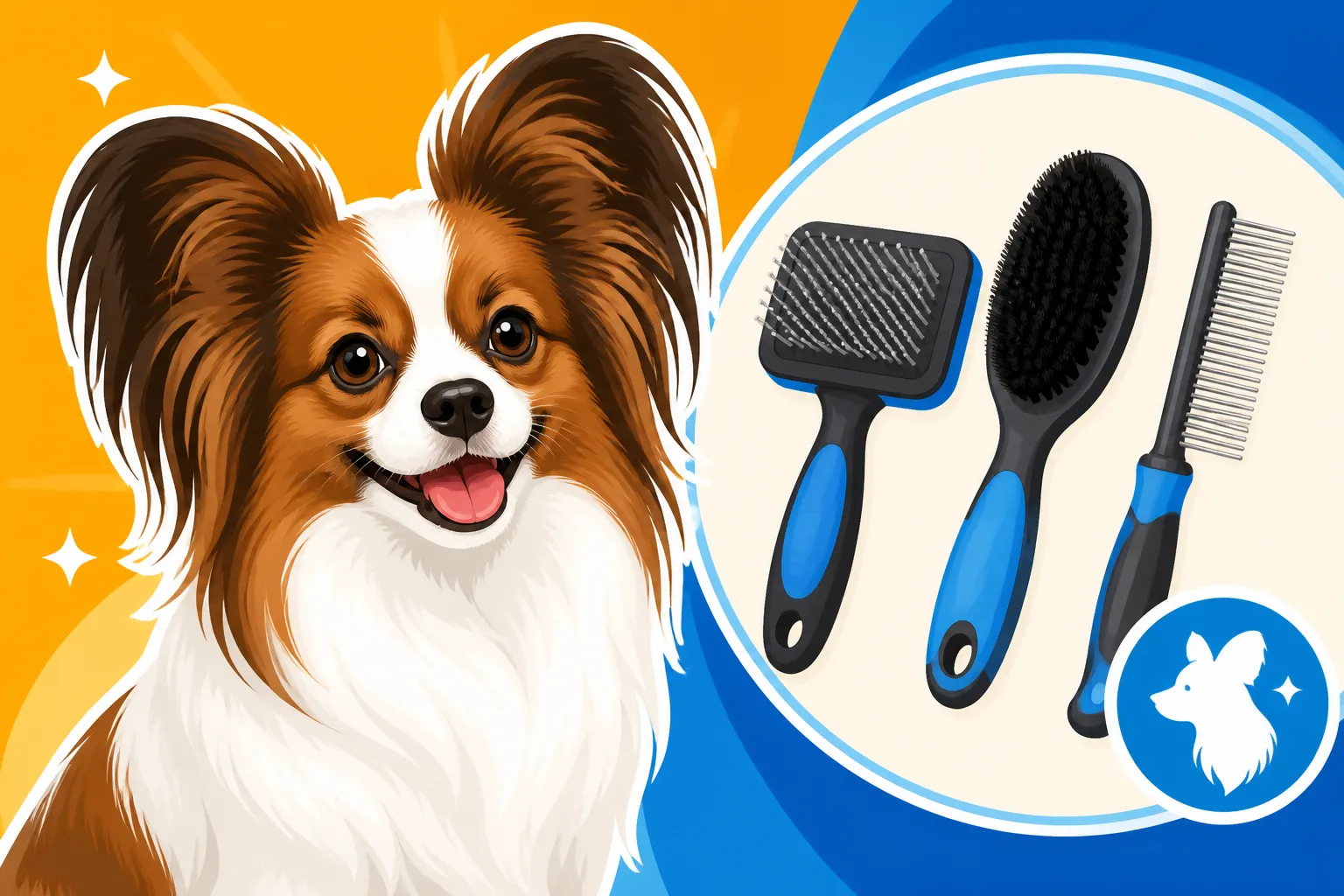
For a Papillon's long, flowing coat, a good quality pin brush is your absolute daily workhorse. Imagine a brush with widely spaced, smooth metal pins, often tipped with tiny plastic or rubber balls to prevent scratching the skin. This design is perfect because it glides through the Papillon's fine hair without snagging or pulling excessively. It helps to separate the long strands, remove loose hair and minor tangles, and distribute natural oils through the coat, enhancing its natural sheen.
When choosing a pin brush, look for one with pins that are firmly set and don't easily bend or fall out. The length of the pins should be sufficient to reach through your Papillon's entire coat, down to the skin, but not so long that they are uncomfortable. A comfortable handle is also a big plus for you! You'll use this brush for overall body brushing, working gently in sections, always brushing in the direction of hair growth. It’s an excellent tool to use before a bath, as brushing dry hair helps prevent tangles from tightening when wet. For a general understanding of how much time this takes, you might be interested in How Long a Papillon Takes to Brush.
The Detail Master: Steel Combs
While the pin brush handles the general body, a fine-toothed steel comb is indispensable for the delicate, high-tangle areas. This is your precision tool, especially for those gorgeous ear fringes, the hair behind the ears, the chest, the culottes, and the tail plume. A good steel comb will typically have two sections: one with wider teeth and one with finer teeth. Start with the wider-toothed side to gently work through any larger tangles, then switch to the finer side for a thorough, smooth finish.
Always use a comb very gently, especially around the ears and tail, as these areas can be quite sensitive. Hold the hair closer to the skin with one hand while you comb with the other to minimize pulling on the skin. This technique is often called "line brushing" or "pinning the hair." The steel comb is also excellent for checking your work after using a pin brush – if the comb glides through easily, you know you've done a thorough job. Regularly combing these areas helps prevent small knots from becoming stubborn mats, a common issue discussed in Where a Papillon Mats. You can find a wide variety of these combs on sites like Chewy or Amazon, making it easy to pick one that feels right in your hand.
Tackling Those Pesky Tangles and Mats
Even with diligent daily brushing, a Papillon’s active lifestyle means tangles and mats can sometimes develop. They might roll in something, get caught on a branch, or simply develop a knot from normal movement and friction. When this happens, you need specific tools and techniques to address the problem without causing pain or unnecessary hair breakage.
When to Reach for a Slicker Brush
A slicker brush is characterized by its densely packed, fine wire pins that are slightly bent at the ends. It looks a bit formidable, but it's incredibly effective for thoroughly removing dead undercoat (even though Papillons don't have a true undercoat, they still shed fine hairs), loosening stubborn tangles, and smoothing the coat. For a Papillon, a slicker brush should be used with extreme care and a very light touch, as the fine pins can easily scratch their delicate skin if pressed too hard.
It’s often best used for preventative mat removal in areas like the culottes or behind the ears where hair can become compacted. When you encounter a small tangle that your pin brush isn't quite conquering, the slicker can be effective, but remember to "pat and pull" or use a gentle sweeping motion rather than harsh raking. Always work in small sections and lift the hair, brushing outwards. If you're working on a tangle, try to gently tease it apart with your fingers first before going in with the slicker. This brush is not for daily, all-over use for a Papillon, but rather for targeted intervention.
Dematting Tools and Their Place
For mats that have already formed and are resistant to gentle brushing and combing, you might need a specialized dematting tool. These tools typically feature sharp, bladed teeth designed to cut through mats rather than pull them out. There are different types, from mat splitters to dematting rakes. While they can be a lifesaver for severe mats, they must be used with extreme caution on a Papillon's fine coat. Incorrect use can easily cut healthy hair, damage the skin, or create bald spots.
Before reaching for a dematting tool, try saturating the mat with a conditioning spray or detangler (more on these later) and gently working it apart with your fingers and a wide-toothed comb. If the mat is still too tight, a dematting tool can be used, but always make sure to put your fingers between the tool and the dog's skin to protect it. Work slowly, in the direction of hair growth, and take small passes. For very tight mats, it's often safer to visit a professional groomer or your vet, as they have the expertise and proper equipment to remove them safely. Sometimes, a severe mat might even require a small snip with blunt-nosed scissors, but this should only be done if you are absolutely confident and can see the skin underneath to avoid injury.
Specialized Tools and Finishing Touches
Beyond the basic brushes and combs, there are a few other tools and products that can greatly enhance your Papillon's grooming routine, ensuring their comfort and keeping their coat in top condition. These are the details that often make the biggest difference in their overall appearance and health.
Nail Trimmers and Paw Care
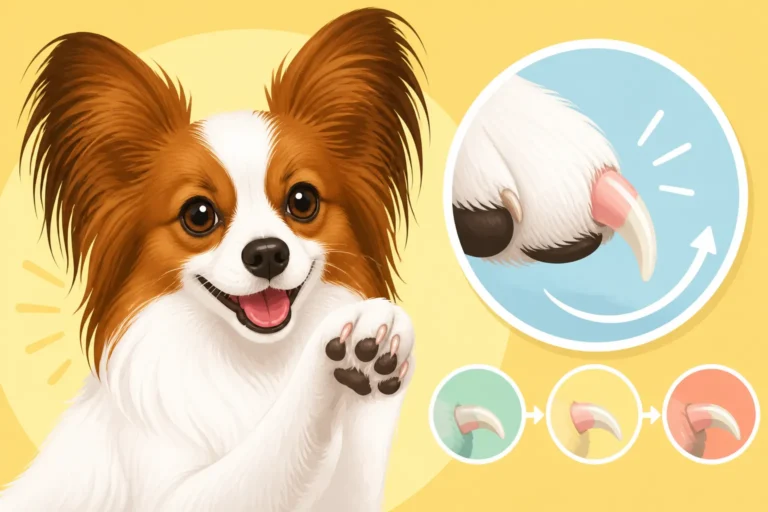
While not directly a brush, proper nail care is a critical part of a Papillon's grooming. Overgrown nails can cause discomfort, affect their gait, and even lead to orthopedic issues, putting extra strain on their delicate joints. For a small breed like a Papillon, guillotine-style clippers or scissor-style clippers typically work best. Some owners also prefer a Dremel or other rotary tool for grinding down nails, which can give a smoother finish and reduce the risk of cutting the quick.
No matter which tool you choose, make sure it’s sharp. Dull clippers can crush the nail rather than cut it cleanly, causing pain. If you're using clippers, remember to only trim the very tip, being careful to avoid the quick (the sensitive part of the nail that contains blood vessels and nerves). If your Papillon has dark nails, identifying the quick can be challenging, so trim small amounts frequently. This is particularly important for active Papillons, and knowing How Short a Papillon's Nails Must Stay for Agility can be a real eye-opener. Don't forget the dewclaws, if your Papillon has them! Regular paw pad inspection is also wise, looking for cracks, cuts, or foreign objects, especially after walks.
Grooming Sprays and Conditioners
For a Papillon’s fine, silky coat, grooming sprays and leave-in conditioners can be absolute game-changers. They serve several purposes:
- Detangling: A good detangling spray, applied lightly before brushing, can help the brush glide through the hair more easily, minimizing breakage and static. Whether Detangler Helps a Papillon is a common question, and the answer is a resounding yes!
- Static Control: Papillon coats are notoriously prone to static, especially in dry weather. A light mist of conditioner spray can calm flyaways and make brushing a much smoother experience for both of you.
- Moisture and Shine: These products can add essential moisture to the coat, preventing dryness and enhancing its natural luster, making those fringes truly sparkle.
- Protection: Some sprays offer light protection against dirt and dust, helping to keep the coat cleaner between baths.
When choosing a product, opt for one specifically formulated for dogs and preferably for long-haired or delicate coats. Avoid anything with harsh chemicals, strong perfumes, or alcohol, which can dry out the skin and hair. A light, pleasant scent is fine, but overpowering smells can irritate your dog. Always follow the product instructions, and remember that less is often more – you don't want to weigh down their fine hair.
The Art of the Papillon Brushing Session
Grooming your Papillon isn't just about the tools; it's about the experience. For such an intelligent and sensitive breed, making grooming a positive, bonding activity is key. A relaxed Papillon will be much more cooperative, making the process easier and more effective for everyone involved.
Establishing a Routine and Making it Positive
Consistency is the cornerstone of good grooming. While your Papillon's single coat might not mat as easily as some other breeds, those beautiful fringes absolutely thrive on regular attention. Aim for a quick brush-through of the key areas (ears, chest, culottes, tail) daily, or at least every other day. A full body brush can be done a couple of times a week. This regular routine helps catch small tangles before they become big mats, reduces shedding, and keeps their skin healthy. It also gets your Papillon used to being handled, which is invaluable for vet visits and professional grooming sessions. You can learn more about How Often a Papillon Needs Brushing to tailor a schedule that works for you both.
Make grooming time a positive experience from the very beginning, especially with a puppy. Start with very short sessions, just a few minutes, pairing them with praise, gentle strokes, and high-value treats. Let your Papillon explore the brush before you even use it on them. Speak in a calm, soothing voice. If they seem uncomfortable, stop, give them a treat, and try again later. This gentle approach helps them associate grooming with positive rewards rather than a scary or unpleasant event. Training a young Papillon to tolerate handling is crucial, and topics like Teaching a Papillon Puppy to Be Handled All Over can provide excellent guidance.
Brushing Techniques for a Happy Papillon
Now that you have your tools and a positive mindset, let's talk technique. The key phrase here is "gentle and thorough."
- Set the Stage: Find a comfortable, well-lit spot. A non-slip mat on a table or counter can elevate your Papillon to a good working height, saving your back, and giving you better access. Make sure all your tools are within reach.
- Start with the Pin Brush: Begin with the pin brush on the main body of the coat. Work in small sections, always brushing in the direction the hair grows. Lift sections of hair and brush from the skin outwards. Don’t just skim the surface; ensure the pins are reaching through the entire length of the hair.
- Tackle the Fringes with the Comb: Move to the more delicate areas like the ears, chest, and culottes. For these areas, use your steel comb. Again, work in small sections. For the ear fringes, hold the hair at the base near the ear with one hand, and comb downwards with the other, starting at the tips and gradually working your way up to the base of the ear. This prevents pulling directly on the skin. Use the wider-toothed side first, then the finer side.
- Check for Mats: As you go, run your fingers through the coat to feel for any hidden tangles or mats. If you find one, try to gently tease it apart with your fingers first, using a bit of detangling spray. Then, use the wide-toothed comb, working from the outside of the tangle inwards. If it’s stubborn, and you feel comfortable, very carefully use a dematting tool as described earlier.
- Finish with Praise and Rewards: Always end each session on a positive note, even if it was challenging. Offer plenty of praise, cuddles, and a favorite treat. This reinforces that grooming is a good thing and helps build a positive association for next time.
By understanding your Papillon's unique coat, equipping yourself with the right tools, and approaching grooming with patience and positive reinforcement, you'll ensure your little butterfly always looks and feels their best. Regular visits to retailers like Chewy or Amazon can help you find all the grooming supplies you need.
Disclaimer
This article is for general informational purposes only and does not constitute professional advice. Laws, prices and regulations vary by location and change over time. Consult a qualified professional for guidance on your specific situation.