Whether a Papillon’s Ears Should Be Wiped
Papillon ear cleaning methods, fringe maintenance routines, and anatomy facts help owners keep their dogs healthy and pristine.
The daily stuff, done right.
Feeding amounts by life stage, coat and skin routines, dental and nail care, exercise needs, and what changes as they age.
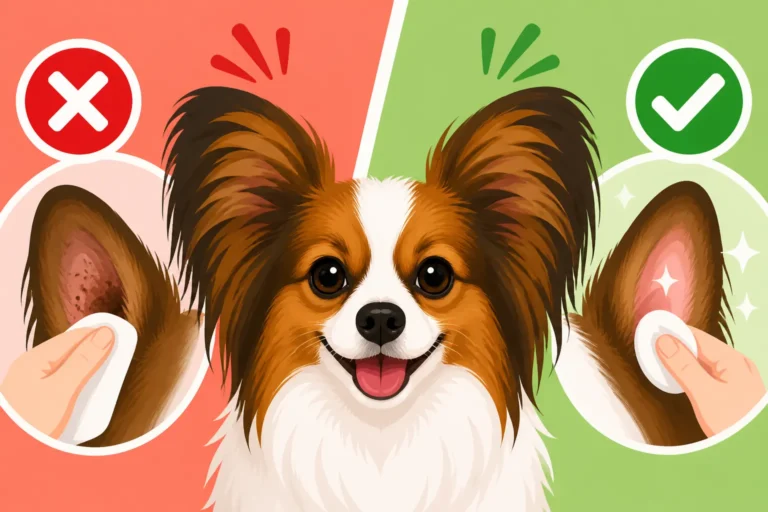
Papillon ear cleaning methods, fringe maintenance routines, and anatomy facts help owners keep their dogs healthy and pristine.

The Continental Toy Spaniel ear fringe comparison explains if Phalene dropped ears and Papillon erect ears differ.
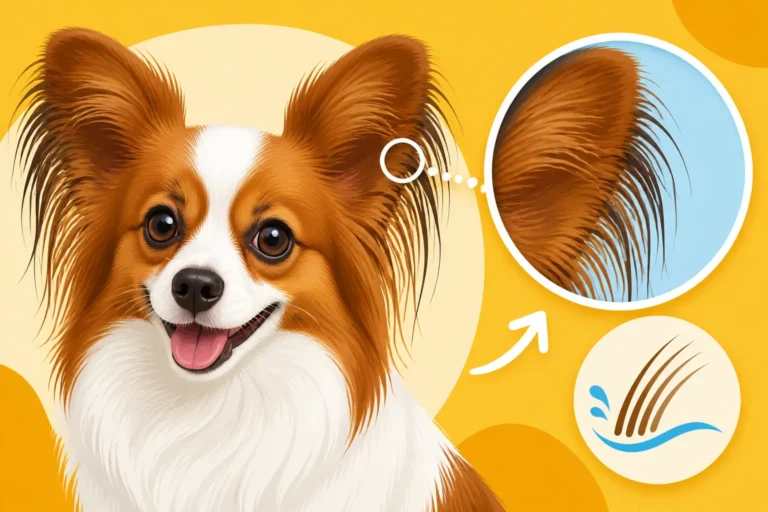
Genetics, puppy age, and nutrition explain why a Papillon ear fringe appears thin or sparse and how adult coats develop.

Papillon ear fringe growth, genetics, and age stages determine length, while a quality diet supports a lustrous coat.
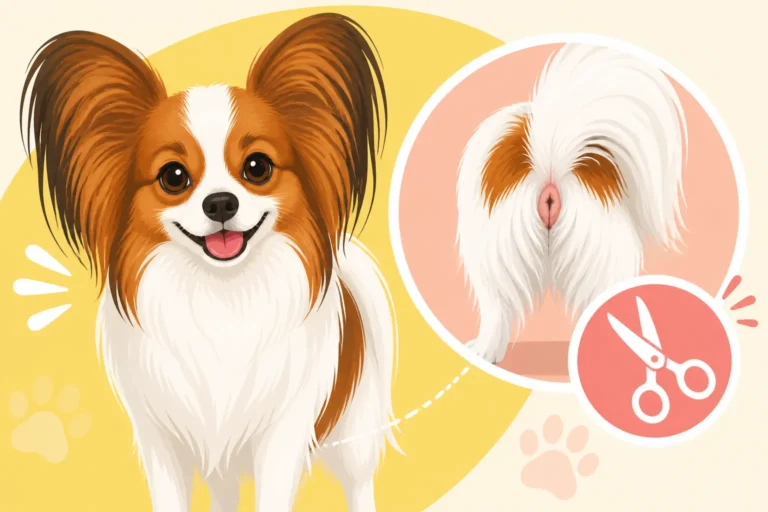
Trimming a Papillon sanitary area prevents fecal matter accumulation in fine hair, keeping the single coated dog clean and healthy.
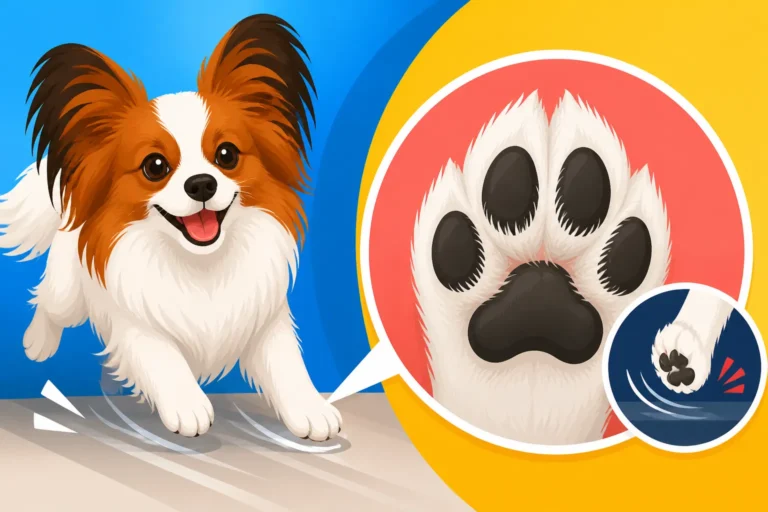
Papillon paw pad hair causes dogs to slip on polished indoor floors, risking joint strains and patellar luxation.
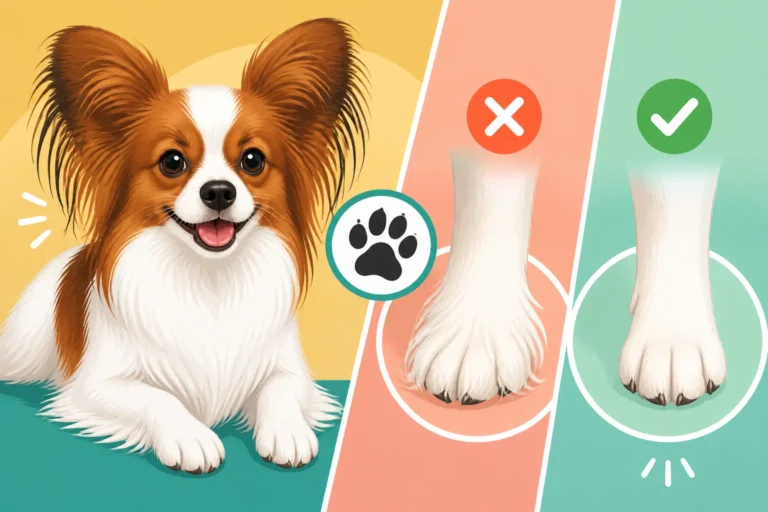
Papillon foot care involves maintaining the natural hare foot structure and trimming excess hair to prevent slipping.

Papillon coat mats require removal with scissors when fine, silky hair forms dense, compacted, and painful tangles.
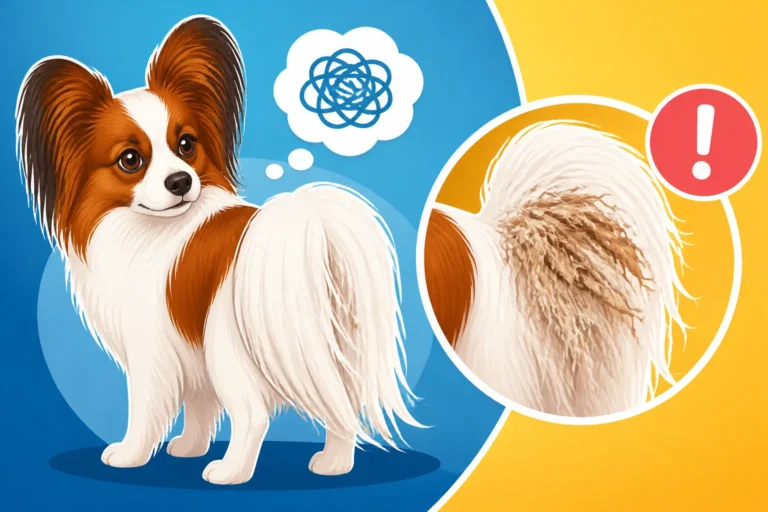
Papillon tail plumes can mat due to fine single coat texture, friction, and constant contact with furniture during naps.
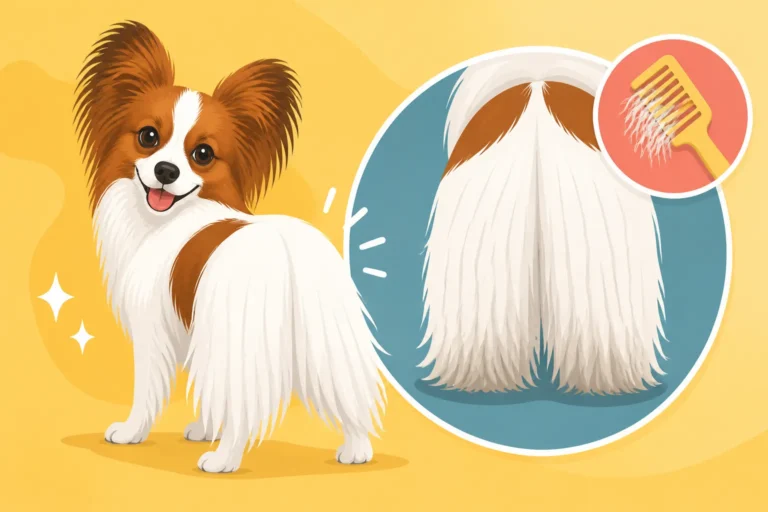
Papillon culottes, the long feathering on their hind legs, frequently form painful mats from friction, moisture, and debris.