Whether a Papillon Should Jump Off the Sofa
It's a familiar sight for so many of us Papillon parents: our little butterfly-eared companions launching themselves off the sofa with what seems like effortless grace, or perhaps a clumsy tumble. We watch them go, often with a chuckle, thinking they're just having fun. But beneath that seemingly harmless leap lies a real and often overlooked risk to their delicate joints and tiny bodies. This guide will delve into why that quick descent from the furniture might be doing more harm than good and what steps we can take to protect our beloved Papillons.
The Hidden Risks of Jumping for a Papillon
When you look at a Papillon, you see a picture of elegance and vibrant energy. They're built for speed and agility, not necessarily for high-impact landings. Their diminutive size, while part of their charm, also makes them particularly vulnerable to injuries that might not even faze a larger, more heavily-boned breed. That daily jump off the sofa isn't just a brief moment of activity; it's a cumulative stressor on their small frames.
Fragile Joints and Patellar Luxation
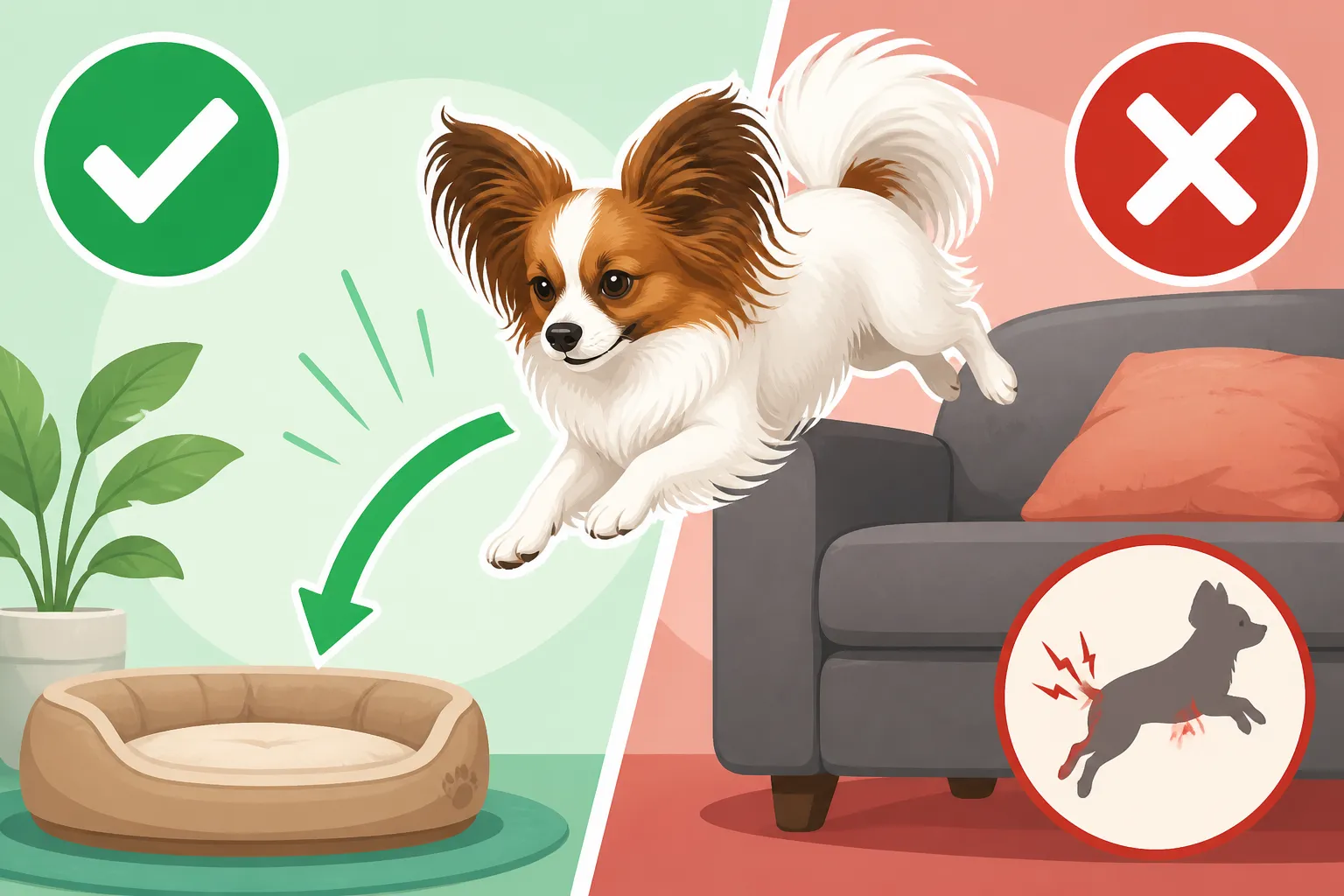
The primary concern when a Papillon jumps from any height is the stress it places on their joints, especially their knees. These little dogs are predisposed to a condition called patellar luxation, which basically means their kneecap can slip out of its groove. Imagine your own kneecap constantly shifting out of place with every bend and straighten—it's painful, debilitating, and can lead to long-term issues.
A seemingly innocuous jump can cause that kneecap to pop out, or if it's already a loose joint, exacerbate the problem significantly. Even a seemingly perfect landing can put undue pressure on the ligaments and tendons surrounding the knee, gradually weakening them over time. It's not usually one catastrophic jump that causes the problem, but the consistent, repetitive impact of jumping down day after day. Breeders should be actively testing for this, and you can learn more about What a Papillon Breeder Should Have Tested to ensure you're getting a puppy from healthy lines. If your Papillon has ever skipped a step or seemed momentarily off balance after a jump, it could be a subtle sign that their kneecaps are experiencing issues. Understanding What Patellar Luxation Does to a Papillon is key for every owner.
Impact on the Spine and Neck
While the knees often get the most attention, we can't forget about the rest of their delicate skeletal structure, particularly their spine and neck. Papillons have relatively long backs for their size, and the sudden jolt of landing can compress discs and strain muscles in these areas. Think of it like repeatedly jumping from a short wall yourself; eventually, your back will start to ache from the shock.
For a tiny dog, the impact of hitting the floor from sofa height is proportionally much greater. Over time, this can lead to chronic pain, stiffness, or even more serious conditions like intervertebral disc disease (IVDD), even if they don't commonly suffer from it as some other breeds do. A Papillon might not yelp or cry out immediately after every jump, because they are incredibly stoic creatures and often hide their discomfort. However, you might notice subtle changes in their gait, a reluctance to be picked up, or a change in how they hold their head or tail, all of which could point to spinal discomfort.
Acute Injuries from Misjudged Jumps
Beyond the long-term wear and tear, there's always the immediate risk of an acute injury. A Papillon might be agile, but they aren't infallible. They could slip on a polished floor, land awkwardly, or misjudge the distance, especially if they're playing rambunctiously or if the lighting isn't great. These missteps can lead to sprains, muscle strains, or even fractures in their slender legs.
Imagine your little one, full of zoomies, decides to leap off the arm of the sofa rather than the cushion, or they bounce off a toy just as they're about to land. The results can be devastating. A broken leg or a severe sprain means weeks, if not months, of recovery, crate rest, and potentially expensive veterinary bills. It’s a heartbreaking situation that many owners only truly understand once it happens. We want our dogs to be active and happy, but sometimes our well-meaning allowance of their natural exuberance can inadvertently put them in harm's way.
Why Papillons Love to Jump (and Why We Let Them)
It's easy to say, "Just don't let them jump!" but the reality of living with a Papillon is often quite different. These aren't just pretty faces; they are intelligent, active, and deeply bonded companions who want to be a part of everything we do. Their natural instincts and desire for connection often drive their gravity-defying antics.
Natural Agility and Boundless Energy
Papillons are often described as big dogs in small bodies, and it's absolutely true. They possess an incredible amount of energy and natural agility. Watch a Papillon in an Starting a Papillon in Agility class, and you'll see them fly over jumps and through tunnels with incredible speed and precision. This inherent athleticism makes them love to move, and jumping, for them, is just another way to express that boundless zest for life.
As owners, we see this playful energy and often encourage it. It's endearing to watch them bop around, and it feels natural to let them express themselves. When they bound off the sofa with a happy wagging tail, it can be hard to intervene, especially if they've been doing it for years without any apparent issue. We want them to be happy, and seeing them joyful and active often overrides our awareness of potential long-term risks. They thrive on activity, and understanding How Much Exercise a Papillon Needs is vital for their overall well-being.
Desire for Height and Perspective
Being a small dog in a big world can be overwhelming. Everything is larger than life, and they often spend their days looking up at us, at counters, at the world from ankle height. The sofa, or any elevated surface, offers them a completely different vantage point. From up high, they can survey their kingdom, watch out the window, or simply feel more secure and in control of their surroundings.
This desire for elevation is often deeply ingrained in their curious and intelligent nature. It allows them to feel like they are on a more even playing field with their human companions, or simply to get a better view of whatever interesting thing is happening. It’s a part of their charming confidence, which often leads people to say A Papillon Has No Idea It Is Small. This innate curiosity and desire for intellectual engagement are strong motivators for seeking out higher ground.
Seeking Proximity to Their People
More than anything, Papillons are companion dogs. They thrive on being close to their humans, and if their humans are on the sofa, that's exactly where they want to be. The sofa becomes the central hub of interaction, a place for cuddles, shared naps, and simply "being" together. When you get up to grab a drink, they might jump down to follow you, only to jump back up when you return.
This constant up and down is often driven by their deep loyalty and desire for connection. They aren't trying to cause trouble; they're simply trying to stay by your side. It's a testament to their affectionate nature, but it also means a lot of potentially risky jumps throughout the day. For us, it’s hard to deny them that closeness, especially when they gaze up with those soulful eyes. We love having them near, and that emotional bond makes it tough to enforce rules that might seem to distance them from us or the comfort of the couch. Whether a Papillon Bonds to One Person is a common question, and their love for proximity often reinforces that idea, whether it's truly exclusive or not.
Preventing Jumps and Protecting Your Papillon's Health
Given the risks, it becomes clear that while we might love their playful jumps, it's our responsibility to protect our Papillons. This doesn't mean stopping them from being active, but rather redirecting their energy and creating a safer environment that accommodates their size and inherent vulnerabilities. The goal is to minimize impact and reduce the chances of injury over their long lifespan.
Implementing Ramps and Steps
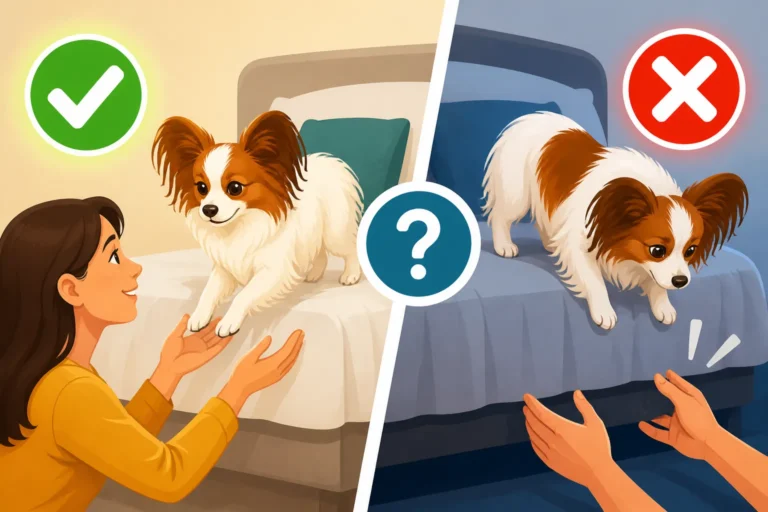
The most effective way to prevent jumping from furniture is to provide safe alternatives. Ramps and steps are game-changers for small breeds like Papillons. They allow your dog to easily access sofas, beds, or other elevated surfaces without the jarring impact of a jump. This is especially crucial if your Papillon has already been diagnosed with What Patellar Luxation Does to a Papillon or if they are getting older.
When choosing ramps or steps, consider the height of your furniture and the angle of the ramp. A gradual slope is always better than a steep incline, and steps should have a comfortable rise and run for tiny legs. You'll find a wide variety of options available from pet supply retailers like Chewy or Amazon, ranging from soft foam steps to sturdy wooden ramps. It might take a little patience to train your Papillon to use them, especially if they're accustomed to jumping, but treats and positive reinforcement go a long way. Start by placing treats on the first step or at the bottom of the ramp, gradually moving them higher until they're confidently ascending and descending. Consistency is truly your best friend here. Ramps and Steps Cost for a Papillon can vary, but it's a worthwhile investment in their long-term health.
Creating Safe Landing Zones
Even with ramps and steps, sometimes a Papillon will still choose to jump, or they might occasionally take a tumble. That's why creating safe landing zones around your furniture is equally important. Hardwood or tile floors, while beautiful, offer little to no shock absorption and can be incredibly slippery for tiny paws.
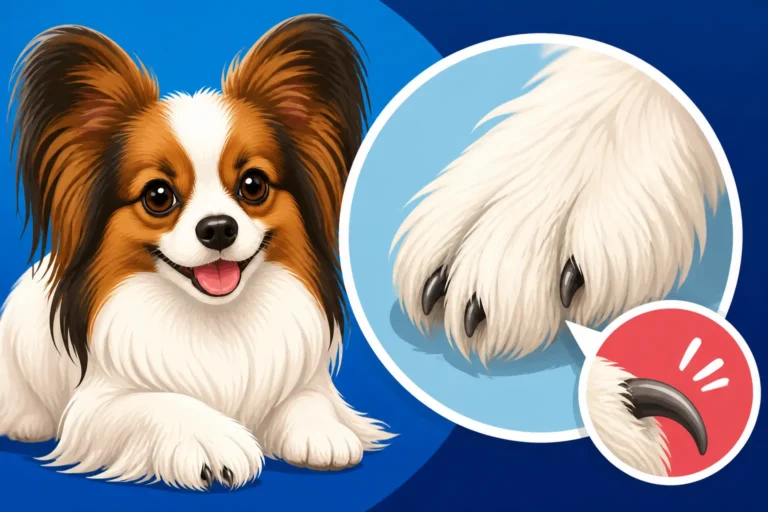
Place soft, non-slip rugs or mats around the areas where your Papillon might jump down. This provides a softer landing surface and also offers better traction, reducing the risk of a slip that could lead to a sprain or fracture. Ensure these areas are always clear of clutter—no stray toys, shoes, or anything they could land on awkwardly. Also, think about the layout of your furniture. Can you arrange it so that there are fewer high-risk jump-off points? Perhaps a lower ottoman near the sofa can act as a intermediate step. The goal is to minimize the severity of any accidental impacts. Also, keeping their nails trimmed short is vital, as Why a Papillon's Nails Affect Its Knees and overall traction on slippery surfaces.
Consistent Training and Redirection
Beyond physical aids, consistent training and redirection play a huge role. It’s not about punishing your Papillon for jumping, but about teaching them the desired behavior. Start by teaching a "wait" or "off" command. When they approach the sofa to jump, use your cue and guide them to the ramp or steps with a treat reward.
Every family member needs to be on board with this training. If one person allows jumping while another redirects, it sends mixed signals and will confuse your intelligent Papillon. Channel their natural agility into safer activities that engage their minds and bodies without the high impact. Think puzzle toys, scent work, or short, engaging training sessions in a safe, open space. Regular walks and playtime outdoors can help burn off excess energy, reducing the impulse to launch themselves around the house. If you are having trouble, a professional trainer can provide guidance on Whether a Papillon Suits a First Time Owner and offer personalized strategies for managing their energy and behavior safely.
When to Consult Your Veterinarian
Even with the best preventative measures, it's crucial to be vigilant about your Papillon's health. Their small size and tendency to hide pain mean that subtle signs of injury or discomfort can easily be missed. Regular veterinary check-ups are always important, but knowing what specific symptoms to watch for can make all the difference.
Recognizing Signs of Pain or Injury
Papillons are incredibly resilient and often masters at masking pain. It's a survival instinct from their wild ancestors—showing weakness makes them vulnerable. So, you might not hear a yelp or see a dramatic limp right away. Instead, look for more subtle indicators. Is your Papillon suddenly reluctant to jump on or off the sofa, even with steps? Are they hesitant to climb stairs or get into the car? Do they move differently, maybe holding a leg up for a moment, or shifting their weight when standing?
Other signs could include a decreased appetite, unusual lethargy, excessive licking of a particular joint, or a change in their usual playful demeanor. Sometimes, you might notice a slight stiffness after waking up or after a period of rest. If you gently palpate their legs or back and they flinch or show any discomfort, it’s a clear signal to call your vet. Don't wait, because early intervention can prevent minor issues from becoming major problems. Understanding How a Papillon Hides Pain is critical for any owner.
Discussing Proactive Joint Care
Proactive joint care isn't just for older dogs; it can start early, especially in a breed like the Papillon that is prone to conditions like patellar luxation. During your annual wellness exams, always discuss your Papillon's joint health with your veterinarian. They can assess their gait, palpate their knees, and offer recommendations tailored to your dog's specific needs and lifestyle.
Your vet might suggest joint supplements containing ingredients like glucosamine, chondroitin, or MSM, which can help support cartilage health and reduce inflammation. These can often be found at pet stores or online retailers like Amazon. They might also discuss dietary considerations; sometimes, switching to a higher-quality food or one specifically formulated for joint health can make a difference. Some owners explore options from companies like Ollie that focus on fresh, nutritious meals that can be tailored to a dog's specific health needs, including joint support. Maintaining a healthy weight is also paramount, as even a few extra ounces can put significant strain on their small joints. Your vet is your best resource for creating a comprehensive plan to protect your Papillon's joint health throughout their life. It's also worth discussing Whether a Papillon Needs Joint Supplements with your vet to see if it's the right choice for your individual dog.
| Prevention Method | Pros | Cons | Ideal For |
|---|---|---|---|
| Ramps | Gentle incline, no impact | Can be bulky, takes up floor space | Dogs with existing joint issues, very small puppies, older Papillons |
| Steps | Easier to integrate into decor, less space | Still involves some minor "stepping" impact | Energetic Papillons, those needing moderate elevation, apartment living |
| Training | Builds good habits, strengthens bond | Requires consistent effort from all family members | All Papillons, especially in conjunction with physical aids |
| Safe Landings | Reduces injury risk from accidental jumps | Doesn't stop jumping, just mitigates consequences | All homes, particularly those with hard floors or high-energy Papillons |
Disclaimer
This article is for general informational purposes only and does not constitute professional advice. Laws, prices and regulations vary by location and change over time. Consult a qualified professional for guidance on your specific situation.