Whether a Papillon’s Feet Should Be Trimmed to a Hare Foot
It's easy to look at your Papillon's dainty feet, adorned with all that glorious feathering, and wonder if there's some secret grooming technique you're missing. Perhaps you've heard the term "hare foot" thrown around in conversations about breed standards or show grooming, leaving you to ponder whether you should be attempting to sculpt your beloved butterfly-eared companion's paws into a specific, hare-like shape. The truth is, it's less about cutting a shape into the foot and more about understanding what a natural Papillon foot should look like and how to maintain it for both health and neatness. This guide will walk you through the nuances of Papillon foot care, dispelling myths and providing practical advice.
Understanding the Papillon Foot and Coat Standard
Let's start by understanding what makes a Papillon's foot unique and why its natural structure is so important.
What a Papillon Foot Looks Like Naturally
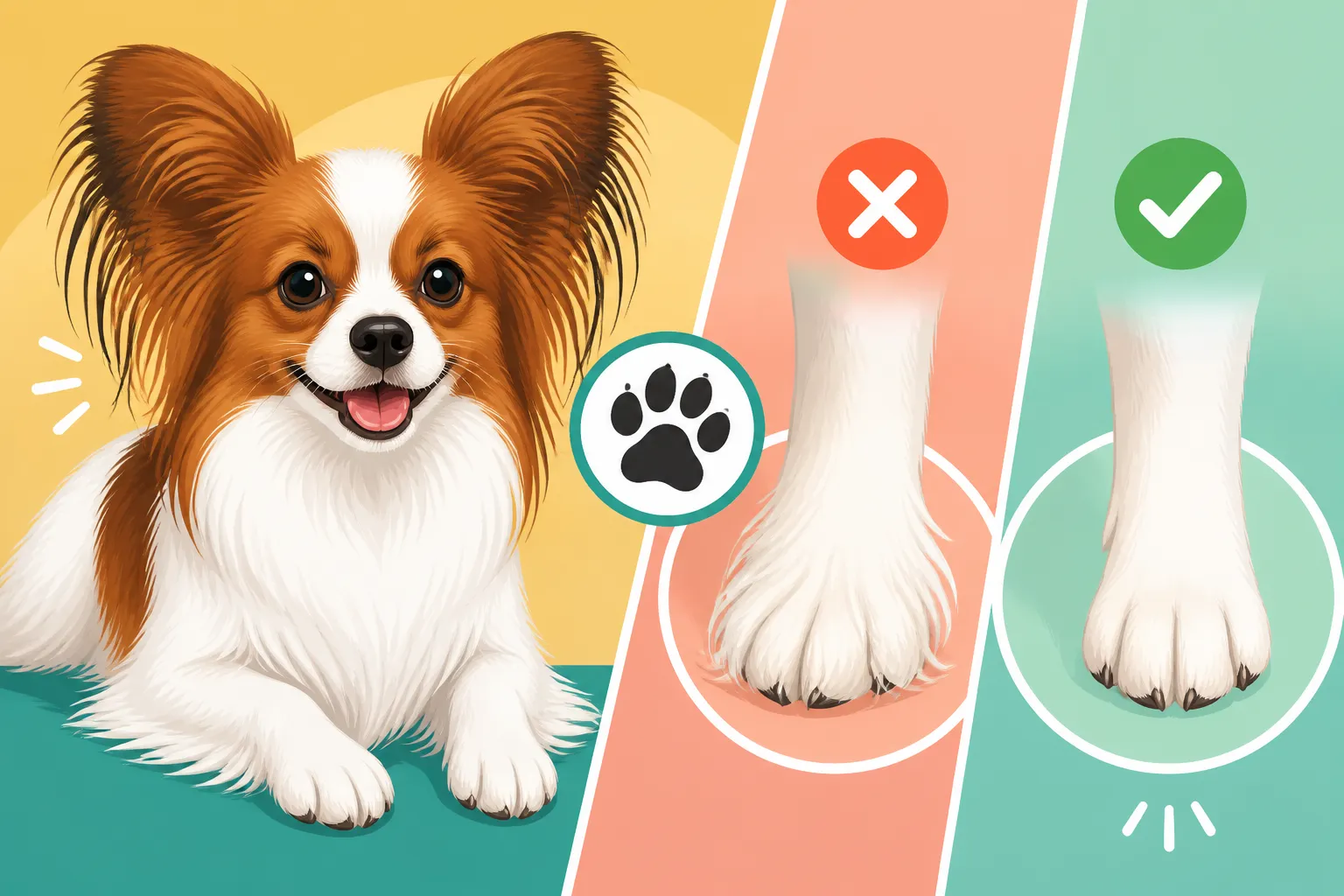
A Papillon is described as having what's known as a "hare foot." This isn't a style you trim them into, but rather a description of their natural anatomy. Imagine the foot of a hare: long, slender, and compact, with the two middle toes typically longer than the inner and outer ones. For a Papillon, this means their feet are usually lean and delicate, well-padded, and very compact, rather than round and cat-like. This structure is actually quite elegant and functional, giving them excellent spring and agility, which is part of why they excel in dog sports.
The bone structure is fine, and the toes are well-arched, allowing them to move with grace and precision. This natural foot shape is crucial for their overall balance and movement, whether they're prancing across your living room or flying over an agility jump. It's the foundation of their nimble movements. You'll want to preserve this natural structure, not try to create it through heavy trimming.
The Papillon Coat and Feathering on the Feet
One of the most defining characteristics of a Papillon is its single, silky coat, which flows beautifully and boasts abundant feathering, especially on the ears, chest, tail, and, yes, the feet. This feathering on the feet can be quite long, extending beyond the paw pads and between the toes. This is completely natural and part of the breed's charm. It adds to their overall graceful appearance.
However, this lovely fringe can sometimes obscure the true "hare foot" shape underneath. It's not uncommon for the hair to grow so long that it makes the foot look less compact or more like a little dust mop. It's important to differentiate between the hair and the underlying foot structure. The goal of any foot grooming for a Papillon is usually to keep this natural foot healthy and clean, not to dramatically alter its appearance beyond tidying. Unlike some breeds where the foot is sculpted for a particular look, for a Papillon, it's about showcasing the natural elegance. A Papillon's Coat Is All Fringe and No Undercoat delves deeper into the unique qualities of their coat.
Why Owners Consider Trimming to a "Hare Foot"
So, if the "hare foot" is a natural characteristic, why do owners and groomers talk about trimming for it? Often, it comes down to a combination of practical concerns and aesthetic preferences.
Practical Concerns: Slipping and Tracking Dirt
The long, silky hair that grows between a Papillon's paw pads and around their toes can, without proper maintenance, become a bit of a nuisance. One of the most common issues is a lack of traction. If that hair gets too long, it can act like little skis on smooth surfaces, making your Papillon slip and slide on hardwood floors or tiles. This isn't just a minor inconvenience; repeated slipping can put undue stress on their delicate joints, especially their knees. This is particularly relevant for a breed prone to Patellar Luxation Is the Papillon Problem You Will Actually Meet. Ensuring good grip is essential for their long-term orthopedic health.
Beyond slipping, long foot hair is a magnet for dirt, debris, and moisture. After a walk in damp grass or a quick potty break in the yard, your Papillon can track in all sorts of muck. This not only means more cleaning for you but can also lead to skin irritation, matting between the pads, or even fungal infections if the hair stays constantly damp. Think of all the tiny bits of leaves, grass, and even little pebbles that can get tangled in that foot feathering. It's a real frustration, and tidying the feet can dramatically reduce these issues. For more on keeping your floors safe, check out Whether a Papillon Slips on Hardwood.
Aesthetic Preferences and Show Ring Standards
While the standard describes the structure of a Papillon's foot as a "hare foot," some owners or even groomers might interpret this as needing to create that shape through trimming. In reality, for show Papillons, the grooming of the feet is generally minimal – a tidying, not a drastic cut. The aim is to present the dog cleanly and highlight its natural structure, not to transform it. Excessive trimming of the body or furnishings, including the foot feathering, can actually be considered a fault in the show ring as it detracts from the breed's natural appearance.
However, for pet owners, the desire for a neat, tidy appearance is perfectly understandable. A well-groomed Papillon looks elegant and well-cared for. Even if you're not planning to enter the show ring, keeping the feet neat helps maintain that classic Papillon look while also addressing the practical concerns mentioned above. It's about finding that balance between celebrating their natural feathering and ensuring their comfort and hygiene.
The Art of Sensible Papillon Foot Trimming
When it comes to your Papillon's feet, "trimming to a hare foot" isn't about radically changing the paw's outline. Instead, it’s about tidying and maintaining the health and functionality of the naturally hare-shaped foot.
What "Trimming" a Papillon's Feet Actually Means
For a Papillon, "trimming" their feet means focusing on two main areas: the hair growing between the paw pads and the hair growing around the edges of the pads and toes. The goal is primarily functional, to improve traction and hygiene, and secondarily aesthetic, to keep the paws looking neat. You're not trying to cut the feathering on top of the foot or dramatically shorten the hair that flows from the legs onto the feet, as that's part of their characteristic appearance. Instead, you're clearing away excess hair that hinders their natural gait or collects debris.
Think of it less as a stylistic haircut and more as essential maintenance, similar to how you might trim your own unruly bangs that fall into your eyes. We're talking about snipping away the bits that genuinely get in the way. It’s a subtle art that enhances their comfort without compromising their elegant look. Done correctly, it helps their foot remain compact and functional, allowing their toes to spread naturally for grip on various surfaces.
Step-by-Step Guide to Tidying Papillon Feet
Tidying your Papillon's feet at home can be a simple process if you have the right tools and approach. Here's how to do it safely and effectively:
- Gather Your Tools: You'll need a pair of small, blunt-nosed grooming scissors (for safety), a fine-toothed metal comb, and some high-value treats to make the experience positive. Having a good brush on hand, like one you might use for Which Brush a Papillon Needs, is also helpful for general coat care.
- Comfort and Safety First: Choose a time when your Papillon is relaxed. Place them on a non-slip surface at a comfortable height for you. Talk to them calmly, offer praise, and give treats generously throughout the process. This helps build a positive association with grooming.
- Address the Hair Between the Pads: This is the most critical part for traction. Gently comb the hair between the paw pads upwards so it stands out. Using your blunt-nosed scissors, carefully trim this hair flush with the pads. It's often helpful to place the comb between the hair and the skin as a guard to prevent accidental nicks. Always point the scissors away from the pads and toes. Make sure to get all four paws, including the dewclaws if your dog has them.
- Tidy Around the Edges: Next, look at the hair growing around the outer edges of the paw pads. Comb this hair downwards, over the pads. Using your scissors, trim this hair so it doesn't extend much beyond the pads themselves. You're essentially creating a neat, clean outline for the paw, revealing the natural compactness. You don't want to cut into the beautiful "slippers" or feathering that naturally flows over their feet from their legs, just tidy up the very bottom edge.
- Don't Forget the Nails: While you're working on the feet, it's the perfect time to check and trim their nails. Overgrown nails can push the toes out of alignment and reduce traction, negating all your careful trimming efforts. Keeping nails short is vital for their comfort and joint health. Why a Papillon's Nails Affect Its Knees explains this in more detail. Aim to trim the nails so they don't touch the ground when your Papillon stands. You can find excellent grooming tools, including blunt-nosed scissors and nail clippers, on platforms like Chewy or Amazon.
- Frequency: How often you need to trim will depend on your individual Papillon's hair growth rate. For some, a quick tidy every few weeks might suffice, while others might need it monthly. Regular brushing of their entire coat, including the feet, as detailed in How Often a Papillon Needs Brushing, can also help prevent tangles and make foot trimming easier.
When to Seek Professional Grooming Advice
While tidying your Papillon's feet can be a DIY task for many, there are certainly times when calling in a professional groomer is the best course of action. If you feel uncomfortable or unsure about handling sharp scissors near your dog's delicate paws, don't hesitate to seek help. A skilled professional groomer, especially one experienced with toy breeds, can demonstrate the proper technique and ensure a clean, safe trim. They often have specialized tools and the experience to handle even the most wiggly Papillon.
Furthermore, if your Papillon's feet are already matted between the pads, or if you suspect there might be a skin irritation or an ingrown nail, a professional can address these issues safely. They can also offer advice tailored to your dog's specific coat type and lifestyle. Sometimes, what looks like a grooming challenge could be an underlying health issue, in which case your veterinarian should be consulted. A professional groomer can be a great asset in maintaining your Papillon's overall health and comfort.
Maintaining Foot Health Beyond Trimming
Beyond simply tidying the hair, comprehensive foot care for your Papillon involves several other crucial aspects that contribute to their overall well-being.
The Importance of Regular Nail Care
While we touched on it briefly, the importance of regular nail care for a Papillon cannot be overstated. Overgrown nails are a silent culprit behind many orthopedic issues in small dogs. When a Papillon's nails are too long, they push their toes upwards and back, forcing their delicate foot bones into an unnatural position. This constant pressure can lead to splayed toes, discomfort, difficulty walking, and even arthritis over time. It can exacerbate existing conditions like patellar luxation or simply put unnecessary strain on their knee and hip joints. Imagine trying to walk comfortably in shoes that are too small, constantly pushing your toes back – that's what long nails can feel like for your dog.
Aim to trim your Papillon's nails frequently enough that they don't touch the ground when your dog is standing. For many Papillons, this means every two to four weeks. If you're nervous about trimming, a professional groomer or vet tech can do it for you, or even teach you how to do it safely at home. Many owners use dog-specific nail clippers, while others prefer a Dremel tool for a smoother, shorter finish. Consistency is key, and starting this routine when they are puppies helps them get used to the process. You'll find more insights into this specific care need in How Short a Papillon's Nails Must Stay for Agility. You can stock up on quality nail clippers and Dremel tools from retailers like Amazon or Chewy to ensure you have what you need for this vital task.
Preventing and Addressing Foot Issues
A Papillon's feet, though small, are incredibly important for their quality of life. Proactive care goes a long way in preventing painful problems.
- Keep Them Dry and Clean: After walks, especially in wet or muddy conditions, thoroughly dry your Papillon's feet, paying special attention to the areas between the pads. This helps prevent moisture-related issues like yeast infections or dermatitis. A quick wipe down with a damp cloth can also remove dirt and allergens that might otherwise irritate their skin.
- Check for Foreign Objects: Because their feet are often feathered, small debris like burrs, thorns, or tiny pieces of gravel can easily get lodged between their pads or in their toe tufts. After every outdoor adventure, take a moment to inspect their paws carefully. Removing these foreign objects promptly prevents discomfort, limping, and potential infections.
- Address Mats Promptly: The silky hair between their pads can tangle and mat if not regularly combed. Mats are not only uncomfortable but can pull on the skin, cause pain, and harbor bacteria. If you find a mat, try to gently tease it apart with your fingers or a comb. For stubborn mats, a mat splitter or careful use of blunt-nosed scissors may be necessary, but always exercise extreme caution. For broader coat care tips, refer to Whether a Papillon Mats Behind the Ears.
- Recognize Signs of Discomfort: Pay attention to any changes in your Papillon's gait, such as limping, excessive licking of their paws, or reluctance to put weight on a foot. These could be signs of injury, infection, or pain. Early detection allows for quicker intervention and better outcomes.
- Consider Paw Balms: In harsh weather conditions, especially extreme heat or cold, or on rough terrain, your Papillon's paw pads can become dry, cracked, or sore. A good quality paw balm can help moisturize and protect their pads. Look for natural, non-toxic options from reputable brands.
- Proper Nutrition: A balanced diet plays a role in overall skin and coat health, including the health of their paw pads and the strength of their nails. High-quality dog food, like options from Ollie, provides the essential nutrients for healthy growth and maintenance.
By integrating these practices into your regular care routine, you'll be ensuring your Papillon's feet remain healthy, comfortable, and ready for all their spirited adventures. Setting up a house that protects their knees and joints from strain is also crucial for long-term health, as detailed in Setting Up a House That Protects a Papillon's Knees. And as they age, their grooming needs may shift, so understanding Caring for an Aging Papillon can also be beneficial for foot health and general well-being.
Papillon Foot Grooming: Hare Foot Ideal vs. Practical Trimming
To clarify the distinction between the natural foot structure and the actual grooming process, here's a helpful comparison:
| Feature | "Hare Foot" Ideal (Natural Anatomy) | Practical Trimming (Grooming Action) |
|---|---|---|
| Definition | Natural, elongated, compact foot shape with longer middle toes. | Tidying excess hair for hygiene, traction, and neatness. |
| Goal | Functional, balanced movement, inherent breed characteristic. | Prevent slipping, reduce dirt tracking, maintain comfort and a tidy look. |
| Primary Focus | Bone structure, toe length, pad placement. | Hair between pads, hair around pad edges, nail length. |
| Grooming Tool | None, it's inherent. | Small, blunt-nosed scissors; fine-toothed comb; nail clippers/Dremel. |
| Show Ring Relevance | Described in breed standard; desired underlying structure. | Minimal tidying to showcase natural foot and prevent functional issues. |
| Impact on Health | Promotes agility, balance, and natural gait. | Prevents joint strain from slipping, reduces risk of infections/mats. |
| Common Misconception | That it's a specific "cut" to achieve a shape. | That all foot feathering must be removed or heavily sculpted. |
This article is for general informational purposes only and does not constitute professional advice. Laws, prices and regulations vary by location and change over time. Consult a qualified professional for guidance on your specific situation.