Whether Hair Between a Papillon’s Pads Causes Slipping
One frustrating thing many small dog owners face, especially those with long-haired breeds like our beloved Papillons, is watching their tiny companions slip and slide across polished floors. It's not just adorable clumsiness; this seemingly minor issue can actually be a sign of a common grooming oversight that leads to more serious health concerns down the line. This guide will delve into why that wispy hair between your Papillon's paw pads can be a real hazard and how you can keep those delicate feet safe and sound.
The Slippery Slope: Why Paw Pad Hair Matters for Papillons
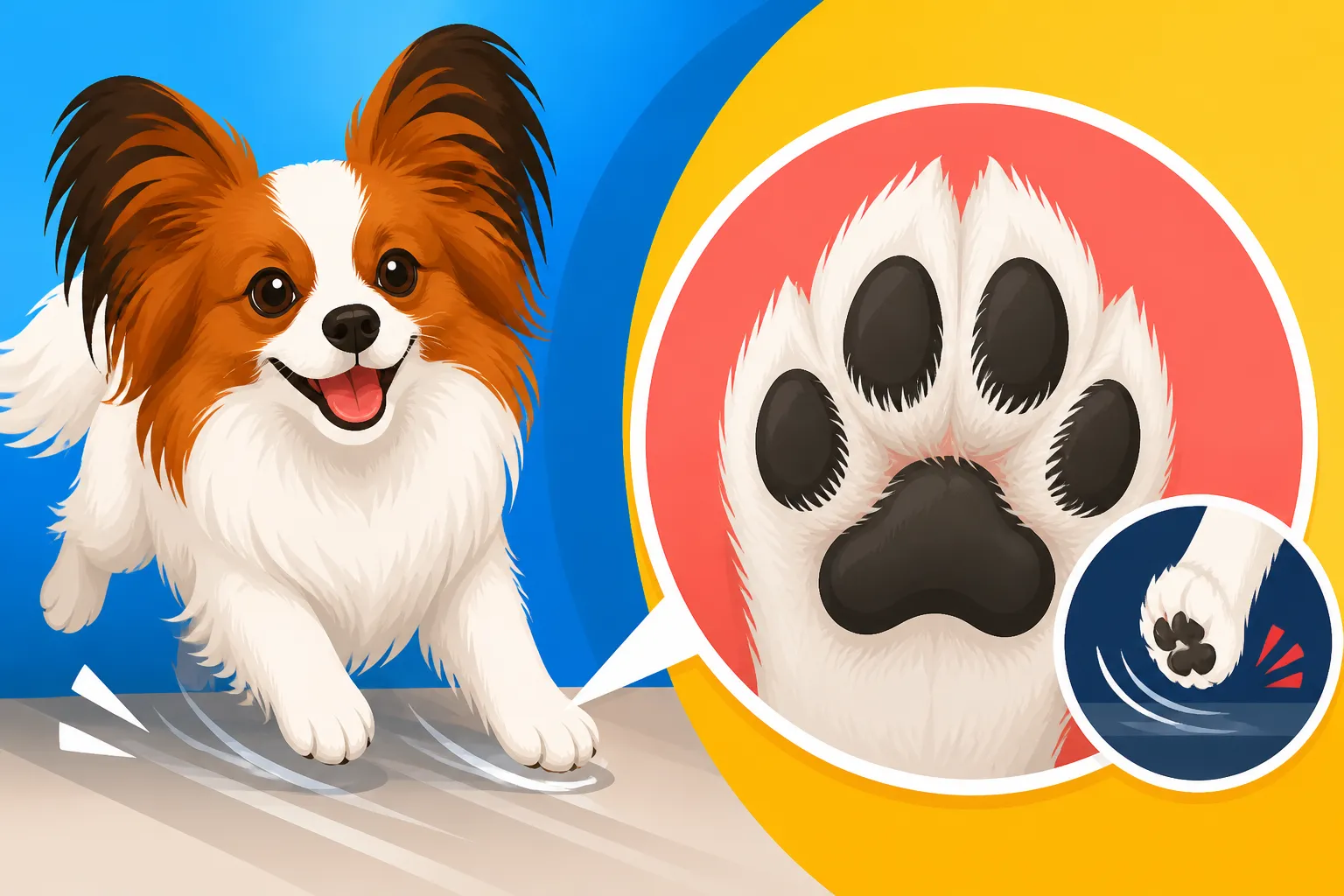
You might think that a little extra fluff on your Papillon's paws is just part of their charming, feathery appeal. After all, their coats are known for being all fringe and no undercoat, a beautiful, flowing cascade. But unlike the majestic ear fringe or the glorious tail plume, the hair that grows between their paw pads isn't just aesthetic; it serves a crucial function in traction. When this hair gets too long, it literally puts a smooth, slippery layer between their paw pads and the floor, significantly reducing their grip.
Imagine trying to run across a hardwood floor wearing thick, fuzzy socks. That's essentially what your Papillon is doing when the hair between their paw pads grows unchecked. Their actual paw pads are designed with natural texture and grip, much like the treads on your shoes. These pads are meant to make direct contact with the ground, providing friction and stability. But if there's a dense mat of hair acting as an intermediary, all that natural grip is lost. This is particularly problematic for breeds like Papillons, who are often kept indoors on surfaces like tile, laminate, or polished wood, which offer less natural traction than outdoor terrain.
The concern isn't just about the occasional funny slip. Repeated slipping can lead to awkward falls, which, for a small and somewhat delicate breed, can result in sprains, strains, or even fractures. Think about how many times a day your Papillon jumps off the sofa or races around a corner. Each time they lose their footing, they're putting undue stress on their joints and ligaments. This is especially critical considering that many Papillons are prone to issues like patellar luxation, where the kneecap can slip out of place. Constantly scrambling for purchase on slick floors can exacerbate existing knee problems or contribute to their development over time, making a trip to the vet far more likely than it needs to be. What Patellar Luxation Does to a Papillon delves deeper into these concerns.
Identifying and Trimming Overgrown Paw Pad Hair
So, how do you know if the hair between your Papillon's paw pads is getting out of hand? It's usually pretty obvious once you know what to look for. Gently pick up one of your Papillon's paws and spread their toes. If you see a dense thicket of hair sprouting well beyond the level of their paw pads, almost creating a little furry platform, then it's definitely time for a trim. The hair should ideally be level with or slightly below the pads, allowing the pads themselves to make direct, firm contact with the ground. You shouldn't see so much hair that it obscures the individual toe pads entirely.
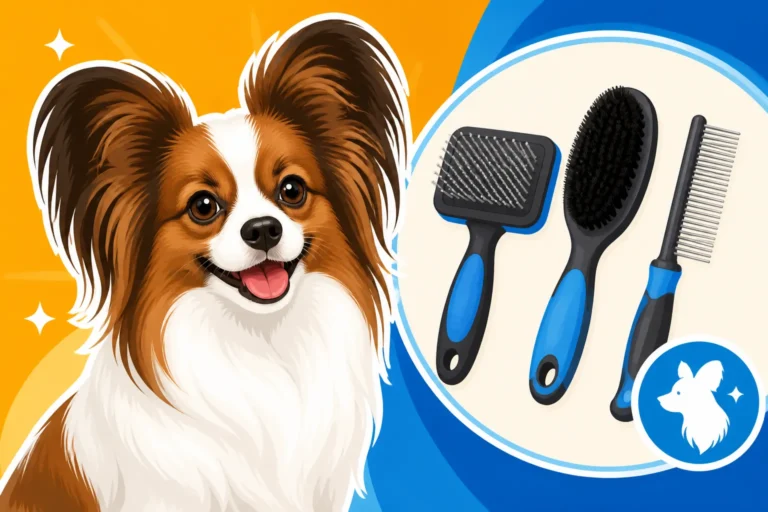
Trimming this hair might seem a bit daunting, especially with a wiggly Papillon and sharp tools. But with patience and the right approach, it's a perfectly manageable task you can do at home. You'll need a good pair of small, blunt-nosed grooming scissors, often called "paw scissors" or "safety scissors." These are designed to be less likely to poke or injure your dog if they move unexpectedly. Many pet supply stores, like Chewy or Amazon, offer a wide variety of these specialized grooming tools. You might also consider a small, quiet pair of pet clippers with a fine blade, which some owners find less intimidating and quicker to use, especially if the hair is very dense or your Papillon is particularly sensitive to scissors.
The key to a successful trim is making sure your Papillon is calm and comfortable. Try doing it after a long walk or a play session when they're a bit tired and more likely to settle. Start by gently holding one paw. If your Papillon is not used to this, introduce it slowly, offering treats and praise for even short moments of cooperation. Use your fingers to spread the paw pads apart, revealing the overgrown hair. Carefully, and with the blunt tips of your scissors pointing away from the paw pad, snip the hair so it's flush with the pads. Always err on the side of caution; a little less trim is better than an accidental cut. Remember to work slowly and deliberately, taking frequent breaks if your Papillon gets anxious. You're aiming for function over perfection here.
The Broader Impact: More Than Just Slipping
While slipping is the most immediate and noticeable problem caused by overgrown paw pad hair, the issues don't stop there. Neglected paw hair can lead to a host of other discomforts and even health problems for your Papillon, turning a simple grooming task into a crucial aspect of their overall well-being.
Matting and Hygiene Concerns
That dense hair between the pads can easily become matted, especially if it gets wet or collects debris. Think about how much stuff your dog walks through every day: dust, dirt, tiny bits of leaves, even small pebbles. All of this can get trapped in the long hair, forming painful mats that pull on the skin. These mats are not only uncomfortable but can also harbor bacteria and moisture, creating a perfect breeding ground for skin irritations or infections. It’s not uncommon for Papillons to develop yeast infections between their toes if moisture gets trapped, leading to itching, redness, and a distinct odor. Keeping the hair trimmed helps prevent this accumulation and makes it much easier to keep their paws clean. This is part of the broader routine of Papillon grooming, where even the glamorous parts, like the fringes and plume, need regular care. How Often a Papillon Needs Brushing emphasizes the importance of consistent grooming for their entire coat.
Impaired Gait and Posture
When a Papillon's paw pads can't properly grip, they compensate by altering their gait. They might splay their toes more, walk with a hesitant shuffle, or even shift their weight unevenly. This compensatory movement isn't natural and can put extra strain on their joints, particularly their hocks, stifles (knees), and hips. Over time, this unnatural posture can contribute to chronic pain, early onset arthritis, or worsen existing orthopedic conditions. Imagine walking around all day on tiptoes or constantly trying to regain your balance; it's exhausting and takes a toll on the body. For a breed that loves to move and often excels in agility, maintaining a correct and comfortable gait is paramount. Setting Up a House That Protects a Papillon's Knees offers further insights into safeguarding their joint health at home.
Heat Regulation and Comfort
Dogs dissipate heat through their paw pads, amongst other ways. While this isn't their primary cooling mechanism, long, matted hair can impede air circulation around the pads, potentially making them less efficient at regulating their body temperature, especially in warmer climates or during vigorous activity. Furthermore, on very cold surfaces, excess hair can gather ice and snow, leading to discomfort and even frostbite in extreme conditions. Keeping the hair trimmed allows their paws to breathe and interact with the environment as nature intended, whether it's for cooling down or for staying comfortable in varying weather.
A Step-by-Step Guide to Paw Grooming for Your Papillon
Regular paw grooming should be a standard part of your Papillon's care routine. It's not just about aesthetics; it's vital for their comfort, mobility, and overall health. Here's a practical guide to keeping those precious paws in top shape:
Step 1: Gather Your Tools
Before you start, make sure you have everything you need within reach. This will make the process smoother and less stressful for both you and your Papillon.
- Blunt-nosed grooming scissors or small clippers: As mentioned, safety is key here.
- Nail clippers or a dremel: You'll want to trim their nails as well, as long nails also contribute to slipping and can affect their gait. How Fast a Papillon's Nails Grow explains why consistent nail care is so important.
- Paw balm (optional): To moisturize and protect their pads after grooming.
- Treats: Plenty of high-value treats to reward cooperation.
- A stable, non-slip surface: A grooming table with a mat, or even a yoga mat on the floor, can provide better grip.
Step 2: Create a Calm Environment
Choose a quiet time when you can dedicate your full attention to your Papillon. Minimize distractions and speak in a soothing voice. A gentle belly rub or a few minutes of quiet petting can help them relax before you begin. If your Papillon is new to paw handling, start with very short sessions and gradually increase the duration.
Step 3: Trim the Hair Between the Pads
Gently take one paw. Use your thumb and forefinger to spread the toes apart, pushing the hair back to expose the pads. Using your blunt-nosed scissors, carefully trim the hair that extends beyond the pad surface. Always point the tips of the scissors away from the paw and keep them parallel to the paw pad. If using clippers, use a small, fine blade (e.g., a #30 or #40 blade) and run it gently over the hair, again making sure to expose the paw pads. Be mindful of the webbing between their toes – you only want to trim the hair, not cut into the skin.
Step 4: Trim Around the Edges
Once the hair between the pads is trimmed, take a look at the hair around the outer edges of their paw. Sometimes this can also grow quite long, especially the "feathering" on their lower legs, and can contribute to dirt accumulation and matting. Trim this hair to create a neat, rounded "cat foot" appearance. This also helps prevent debris from clinging to their paws. Whether a Papillon's Feet Should Be Trimmed to a Hare Foot discusses different trimming styles for their feet.
Step 5: Address Nail Length
Long nails are another major culprit for slipping. When nails are too long, they push the paw pads up, preventing proper contact with the ground and forcing the toes to splay. This also impacts their overall balance and posture, much like overgrown paw pad hair. Clip their nails regularly, aiming to keep them short enough so they don't click on hard floors. If you're nervous about clipping, a Dremel tool can be a gentler way to gradually shorten the nails and smooth them. Many groomers recommend a dremel for Papillons to avoid quicking, as their tiny paws can make it difficult to see the quick. Why a Papillon's Nails Affect Its Knees explains the biomechanical issues caused by neglected nails.
| Grooming Task | Frequency | Recommended Tools | Why It Matters |
|---|---|---|---|
| Paw Pad Hair Trim | Monthly/Bi-weekly | Blunt-nosed scissors, small clippers (e.g., Wahl, Andis) | Prevents slipping, matting, infections; improves traction. |
| Nail Trim | Weekly/Bi-weekly | Nail clippers (e.g., Safari, Miller's Forge), Dremel | Maintains healthy paw structure, prevents joint strain. |
| General Brushing | Daily/Every Other Day | Pin brush, slicker brush, metal comb (e.g., Chris Christensen) | Prevents matting, distributes oils, checks for skin issues. |
| Ear Fringe Care | Weekly | Pin brush, metal comb | Prevents mats that cause discomfort and pull on delicate ear leather. |
| Dental Brushing | Daily | Dog toothbrush, enzymatic toothpaste | Essential for oral health in a breed prone to dental issues. |
Step 6: Praise and Reward
End each grooming session, no matter how short, with positive reinforcement. Offer treats, verbal praise, and a favorite toy. This helps your Papillon associate paw care with a positive experience, making future sessions much easier. You can find a vast selection of training treats and grooming supplies on sites like Chewy or Amazon, making it easy to stock up. For a healthy, natural option, some Papillon owners prefer freeze-dried treats available from brands like Ollie.
By incorporating regular paw grooming into your routine, you're not just preventing embarrassing slips; you're actively contributing to your Papillon's long-term health and comfort. It's a small task that makes a huge difference in their daily life. Remember, your Papillon's happy prance across the kitchen floor should be a joy, not a perilous journey!
Disclaimer
This article is for general informational purposes only and does not constitute professional advice. Laws, prices and regulations vary by location and change over time. Consult a qualified professional for guidance on your specific situation.