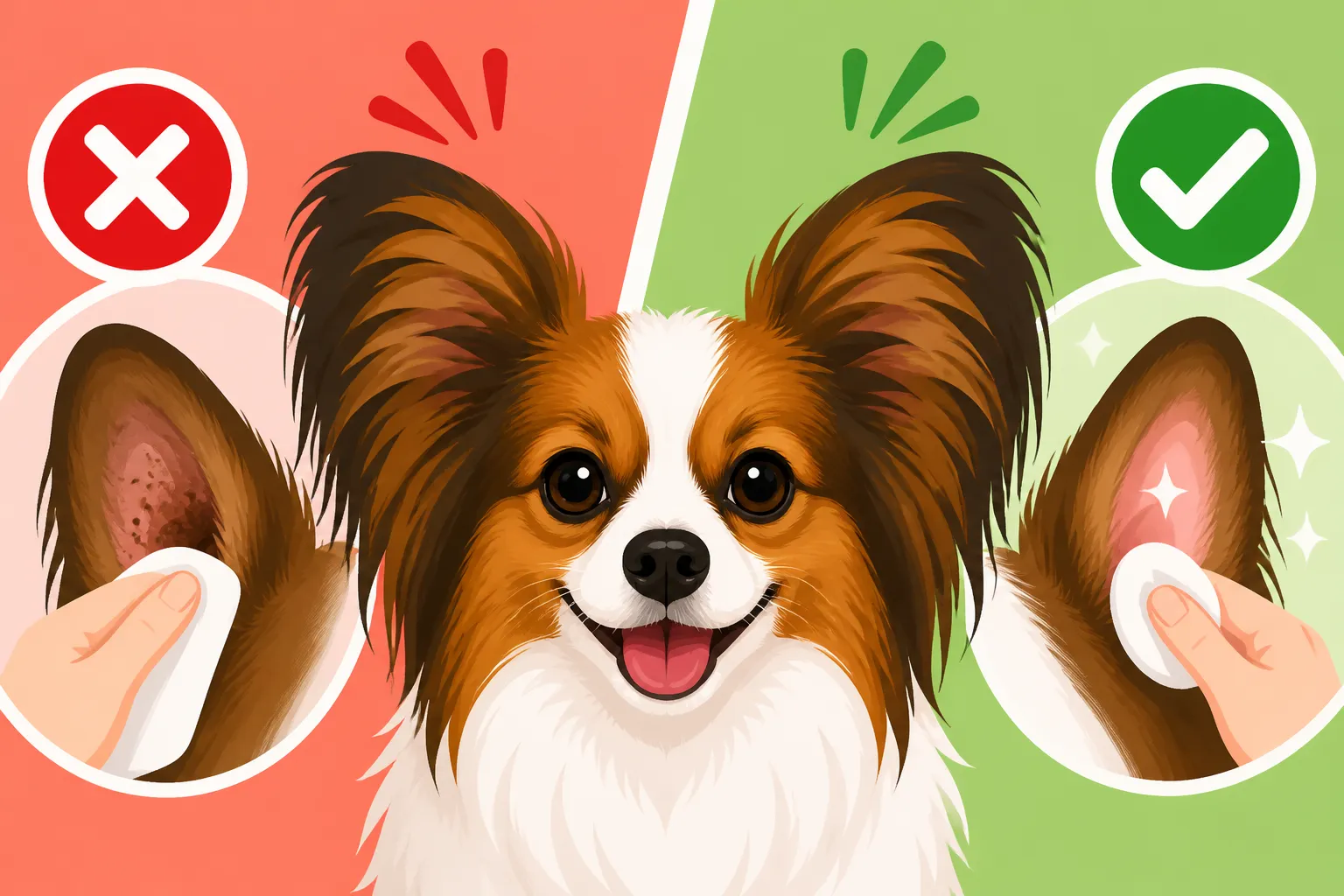
Whether a Papillon’s Ears Should Be Wiped
Those magnificent, fringed Papillon ears are truly something special, aren't they? They're often the first thing people notice, those delicate, butterfly-like structures that give our little friends their name. But with all that fine hair and intricate shape, a common question I hear from fellow Papillon parents is whether those ears actually need to be wiped, and if so, how. It's easy to worry about doing more harm than good, especially with such sensitive areas. This guide is here to cut through the confusion and give you the real scoop on keeping your Papillon's ears healthy, happy, and pristine, from everyday care to knowing when to call in the professionals.
The Unique Landscape of Your Papillon's Butterfly Ears
Understanding the distinct features of your Papillon's ears is the first step toward providing them with the best care. Their ears aren't just pretty; they have a specific anatomy and coat type that influences their grooming needs.
Understanding the Papillon's Ear Anatomy
When you gaze at your Papillon, you're looking at centuries of selective breeding that created those iconic, upright ears. Unlike many breeds with floppy ears that hang down, trapping warmth and moisture, the Papillon's ears stand erect, flaring out like a butterfly's wings. This open structure is a huge advantage when it comes to ear health, as it allows for excellent air circulation. Good airflow helps keep the ear canal dry, which naturally discourages the growth of yeast and bacteria that thrive in dark, damp environments. It's one of the reasons Papillons are often considered to have relatively healthy ears compared to some other breeds.
However, beneath those beautiful, mobile ear flaps, the internal ear canal itself is still very much a dog's ear canal. It features that characteristic "L-shape" – a vertical canal leading down, then a horizontal canal turning inward toward the eardrum. This bend in the canal means that debris and wax can easily get trapped deep inside, even with good external airflow. So, while the erect outer ear provides a protective benefit, it doesn't make the inner workings immune to problems.
It’s also worth noting that the Papillon breed includes the Phalene, a variety with drop ears. While Phalenes share the same inner ear structure, their ears hang down, covering the canal opening. This slightly reduced airflow means they might be a touch more prone to moisture buildup and require a little extra vigilance in checking for dampness or warmth inside the ear flap. For the classic Papillon, however, the erect ear design is generally a boon for health, as long as the external areas are kept clean.
The Majestic Fringe: Beauty and Maintenance
The Papillon's ear fringe is nothing short of magnificent. It's the crowning glory, the namesake feature that makes them instantly recognizable. This long, silky, flowing hair can cascade down the sides of their head, creating that delicate, butterfly-like silhouette. While stunning, this abundant feathering also acts like a net, catching anything and everything in its path. Dust, pollen, small bits of grass, and even stray kibble or water droplets from their bowl can easily become entangled in the fine strands.
While the fringe itself isn't inside the ear canal, keeping it meticulously clean and tangle-free is a crucial part of overall ear health. A matted clump of hair behind or beneath the ear can pull on the sensitive skin, causing discomfort, irritation, and even creating a warm, damp pocket against the skin that could harbor bacteria. These mats can also prevent you from adequately inspecting the skin beneath, allowing potential issues to go unnoticed.
This brings us to the core question: does "wiping" apply to this gorgeous fringe? Generally, no. The fringe benefits more from gentle, regular brushing with a soft brush or comb, rather than wiping. Wiping wetly can actually encourage tangles and might not effectively remove embedded debris. The act of "wiping" typically refers to the visible skin of the ear flap and the immediate entrance to the ear canal, where wax and surface dirt accumulate. Understanding this distinction is key to providing appropriate care for both the cosmetic beauty and the underlying health of your Papillon's ears. Whether a Papillon's Ears Should Be Brushed Separately
To Wipe or Not To Wipe? Unpacking Papillon Ear Hygiene
This is where many Papillon owners get a little confused. Is wiping a good idea, a bad idea, or only necessary sometimes? Let's break down when it's beneficial and when it might actually cause more trouble than it solves.
The Case for Gentle External Wiping
Yes, gentle wiping of the outer ear and the immediate entrance to the ear canal can absolutely be a beneficial part of your Papillon's routine care. Think of it as tidying up the porch before guests arrive – you're dealing with the visible surface grime. This kind of external cleaning helps remove superficial dirt, dust, and any waxy buildup that hasn't migrated deep into the ear canal. It's a preventative measure, stopping minor irritants from becoming bigger problems.
This routine wiping is particularly helpful after your Papillon has spent time outdoors, perhaps romping in the park or sniffing through tall grass. Pollen, fine grit, or tiny plant particles can easily accumulate on the inner surface of the ear flap or just within the opening of the ear canal. A quick, gentle wipe can remove these surface irritants before they have a chance to work their way deeper or cause any itchiness. Imagine how itchy you'd be if pollen clung to your ear all day!
Furthermore, Papillons, being dainty eaters, can sometimes get food or water splashed into their ear fringe or onto the base of their ears during meal times. A prompt, gentle wipe around these areas with a slightly damp cloth can keep the skin clean and dry, preventing food residue from attracting bacteria or causing skin irritation. It’s all about maintaining general cleanliness and comfort. This kind of wiping is preventative and part of routine grooming, aimed at superficial tidiness, not a treatment for an active infection.
When Wiping Isn't Enough – Or Worse, Harmful
While gentle external wiping has its place, it's absolutely vital to understand its limitations and, more importantly, when it can actually be detrimental. Simply wiping an ear that has an active infection or significant wax buildup deep within the canal is, frankly, like putting a bandage on a broken leg. You might clean the surface, but the root problem persists and will likely worsen, potentially causing your dog a lot of unnecessary pain. The exterior might look better for a moment, but the underlying issue remains untouched.
A big no-no is over-wiping or using inappropriate materials. Using dry paper towels, rough cloths, or wipes containing alcohol or harsh chemicals can severely irritate the delicate skin inside and around your Papillon's ear. This can lead to redness, soreness, and even tiny abrasions, creating an open invitation for secondary bacterial infections. Think about how sensitive the skin behind your own ear is – your dog's is even more so. Harsh scrubbing is always to be avoided. The goal is gentle cleansing, not vigorous exfoliation.
Perhaps the most critical warning: never, ever attempt to wipe inside the ear canal with cotton swabs (Q-tips), your finger wrapped in a cloth, or any other instrument. The L-shaped structure of the canine ear canal means that doing so will almost certainly push wax, dirt, and debris further down into the ear, compacting it against the eardrum. This not only makes it harder for a vet to clean later but can also cause immense discomfort, pain, and even damage the eardrum, potentially leading to hearing loss. If you can't see exactly where you're wiping, you shouldn't be putting anything there.
If you observe symptoms like frequent head shaking, persistent scratching, a foul odor emanating from the ear, excessive dark brown or yellow discharge, or redness and swelling, a simple wipe isn't the solution. These are significant red flags that indicate an underlying ear infection or a more serious problem requiring immediate veterinary attention. [Signs a Papillon Has Ear Infections] Don't delay in seeking professional help if you notice these more worrying signs.
Mastering the Art of Papillon Ear Care
Now that we've covered the whys and why-nots, let's talk about the practical side of keeping those Papillon ears in top condition. It's all about gentle technique, the right products, and a consistent routine.
Step-by-Step Guide to Safe External Ear Wiping
Performing safe, effective external ear wiping on your Papillon is a straightforward process when you have the right tools and approach. First things first, gather your supplies. You'll need soft cotton balls or gauze pads, and crucially, a vet-approved ear cleaning solution specifically designed for dogs. Don't grab anything from your own medicine cabinet! You can easily find excellent canine ear cleansers from reputable online retailers like Chewy or Amazon. Look for formulations that are gentle, non-irritating, and help maintain the natural pH balance of your dog's ear.
Once you have your supplies, find a calm moment with your Papillon. Gently hold one of their magnificent ear flaps up, allowing you to clearly see the inner surface of the flap and the folds at the very entrance of the ear canal. Moisten a cotton ball or gauze pad generously with the ear cleaning solution. Remember, the goal is to clean, not to drown the ear; never pour liquid directly into the ear canal unless explicitly instructed by your veterinarian for a specific medical reason.
Carefully wipe the inner surface of the ear flap and those visible folds and crevices at the opening of the ear canal. Use light, downward strokes, working from the inside out. Your aim is to remove any visible dirt, superficial wax, or debris that has collected on these accessible surfaces. Use a fresh cotton ball or gauze pad for each ear to avoid transferring any potential contaminants between them. It’s better to use several fresh pads than to keep wiping with a dirty one.
After wiping, use a clean, dry cotton ball or soft tissue to gently dry the ear flap and the visible parts of the ear. It's important to ensure no moisture is left trapped in the folds, as dampness can create a hospitable environment for yeast or bacteria to flourish. Throughout this entire process, keep your tone of voice calm and positive, offering gentle praise and perhaps even a small, high-value treat to make the experience as pleasant as possible for your Papillon. Building a positive association with ear handling will make future cleanings much easier.
The Tools and Solutions You'll Need (and Those to Avoid)
Choosing the right products is paramount to effective and safe Papillon ear care. For external wiping, the emphasis is on softness and absorbency. Soft cotton balls are a classic choice, but large cotton pads or squares of sterile gauze also work wonderfully. They're gentle on delicate skin and do a great job of picking up debris. When it comes to cleaning solutions, stick strictly to vet-approved options formulated for dogs. Many excellent products are available, often containing ingredients like witch hazel, salicylic acid, or aloe vera, which can be soothing, antiseptic, and help break down wax gently. Well-known brands like Virbac Epi-Otic, Zymox, or Dechra MalAcetic are widely recommended by veterinarians and readily available from your vet's office or major pet supply retailers like Chewy and Amazon.
Equally important is knowing what to avoid. Steer clear of any human ear cleaning products, hydrogen peroxide, or rubbing alcohol. Human products are often formulated for a different pH and can contain ingredients too harsh for a dog's sensitive ear canal. Hydrogen peroxide, while it bubbles, can be very irritating and actually damage the delicate inner ear tissues. Rubbing alcohol dries out the skin excessively and can cause burning or discomfort. Furthermore, avoid any highly scented products; the fragrances themselves can be irritants to sensitive canine ears.
Cotton swabs, often called Q-tips, are another item to use with extreme caution – if at all – when cleaning your Papillon's ears. They should never be inserted into the ear canal, for the reasons we discussed: the risk of injury, pushing debris deeper, or damaging the eardrum is far too high. Reserve cotton swabs only for gently cleaning the visible folds and crevices of the outer ear flap. If you cannot see where the tip of the swab is going, do not put it there. Lastly, for Papillons with very dense ear fringe, a very small amount of ear powder (specifically designed for pets, to help keep ears dry and reduce odor) can be applied externally around the base of the ear, but use it sparingly and ensure it doesn't clump or go into the ear canal.
Routine Maintenance Beyond Wiping
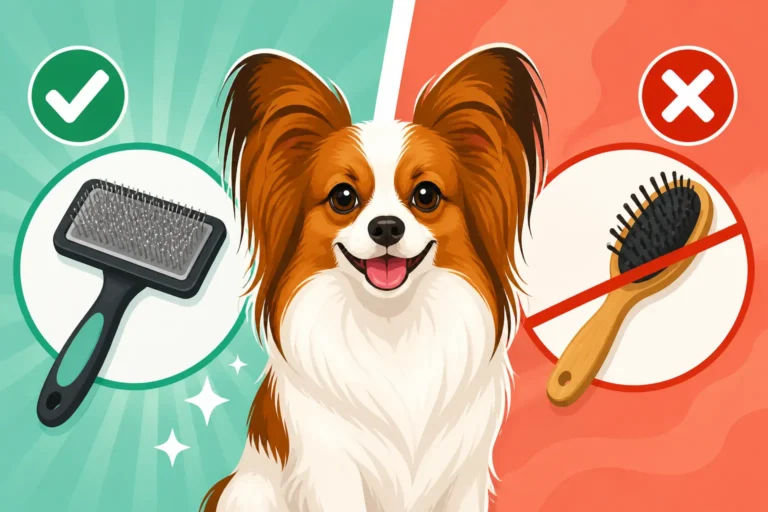
Ear care for your Papillon isn't a standalone chore; it's an integral part of their overall grooming and health routine. Beyond the occasional gentle wipe, there are several other maintenance practices that contribute significantly to healthy ears. Regular, gentle brushing of their stunning ear fringe is a must. This not only keeps those magnificent "butterfly" ears looking beautiful but more importantly, it prevents mats and tangles. Mats can pull painfully on the delicate skin around the ears, create hotspots for skin irritation, and hide underlying issues like redness or bumps. Dedicate a few minutes a week to carefully comb through the fringe, perhaps while watching your favorite show. Why a Papillon's Long Coat Takes Twenty Minutes a Week
Daily visual checks are another invaluable habit. Just a quick glance at your Papillon's ears when you're petting them or cuddling on the sofa can catch minor problems before they escalate into something more serious. Look for any changes in color (redness, dark spots), swelling, unusual discharge, or any signs of irritation on the skin. A healthy ear should be clean, pale pink, and free of odor.
Furthermore, remember that good health practices overall contribute to ear health. A balanced, high-quality diet, like those offered by services such as Ollie (which, while not directly addressing ear issues, provides excellent nutrition that supports healthy skin and coat), plays a role. Good nutrition strengthens the immune system and promotes healthy skin and hair, making your Papillon less susceptible to various skin and ear problems. What a Papillon's Yearly Bloodwork Should Cover Don't overlook routine veterinary check-ups either; your vet can spot subtle signs you might miss. Finally, and this might surprise some, keeping your Papillon's nails trimmed short is also important. Overly long nails can cause serious trauma to the ear flaps if your dog scratches vigorously due to an itch, potentially breaking the skin and introducing bacteria. How Often a Papillon's Ears Need Cleaning
When to Call the Vet: Beyond Home Ear Care
Knowing when to step back from home care and involve your veterinarian is absolutely critical for your Papillon's well-being. Sometimes, what seems like a simple dirty ear is actually something far more serious.
Recognizing Signs of Trouble
Your Papillon's ears, when healthy, should generally be clean, odorless, and a lovely pale pink inside. The ear canal itself, while you can't see far into it, shouldn't be exuding anything or appear inflamed at the opening. Any deviation from this normal state is a signal to pay closer attention. One of the most common and obvious signs of discomfort is frequent head shaking or persistently scratching at the ears. They might rub their ears on furniture, the carpet, or even your leg, desperately trying to alleviate an itch or pain. You might also notice them holding one ear at an odd angle or favoring one side.
Take a closer look at the ear flap and the visible opening of the canal. Is it red, swollen, or warm to the touch? These are clear signs of inflammation. A strong, unpleasant odor emanating from the ear – often described as yeasty, sweet, or simply foul – is a major warning sign that an infection is brewing. Healthy ears don't smell. Also, be on the lookout for any unusual discharge. This could be dark brown, black, yellowish, greenish, or chunky in consistency. Any discharge is abnormal and indicative of a problem. Whether a Papillon Gets Ear Infections
Beyond physical signs, pay attention to behavioral changes. If your normally playful Papillon seems more irritable, lethargic, or becomes reluctant to have their head or ears touched, it could be due to pain. They might whimper or pull away when you try to examine their ears. It’s a common misconception that a bit of dirt is the only culprit when these symptoms are present. Often, these signs point to an ear infection, ear mites, allergies, or even something more serious like a foreign body lodged deep in the canal. Remember, Papillons are small and often stoic, so they can sometimes hide their pain surprisingly well. If you notice any of these more serious or persistent signs, err on the side of caution and consult your veterinarian promptly.
The Vet's Role in Diagnosing and Treating Ear Issues
When you notice those concerning signs of ear trouble in your Papillon, a trip to the veterinarian is the most responsible course of action. Your vet has specialized tools and knowledge to accurately diagnose the problem, which is something we simply can't do at home. During the examination, your vet will perform a thorough visual inspection of the external ear and, crucially, use an otoscope. This instrument allows them to look deep into the ear canal, assess its condition, check for foreign bodies, and visualize the eardrum. This deep dive into the ear canal is essential for truly understanding what's going on beneath the surface.
Often, if there's discharge or inflammation, your vet will take a small sample of the debris for cytology. This involves looking at the sample under a microscope to identify the specific type of infection – whether it's bacterial, yeast, or even ear mites. This precise diagnosis is vital because different types of infections require different medications. What treats a bacterial infection might be ineffective or even harmful for a yeast infection, and vice-versa.
Based on their diagnosis, your vet will prescribe the most appropriate treatment. This could range from specific prescription ear drops or ointments to oral medications (antibiotics or antifungals) for more severe or systemic infections. They might also recommend a professional deep cleaning of the ear canal, sometimes performed under sedation, to thoroughly remove stubborn wax plugs, debris, or discharge that home cleaning simply cannot address. This ensures the medication can reach the infected tissues effectively. Anesthesia and a Five Pound Papillon
It cannot be stressed enough: never attempt to self-diagnose or treat a suspected ear infection in your Papillon with home remedies, old prescription medications, or over-the-counter products not specifically recommended by your vet. Doing so could delay proper treatment, worsen the infection, or even lead to complications that could permanently damage your Papillon's hearing or cause chronic pain. Only a qualified veterinarian can accurately diagnose the underlying issue and prescribe a safe and effective course of action to protect your beloved Papillon's ear health and comfort.
| Aspect of Ear Care | Do's for Papillon Ears | Don'ts for Papillon Ears |
|---|---|---|
| External Wiping | Use soft cotton balls/gauze with vet-approved solution. | Use dry paper towels, human wipes, alcohol, or hydrogen peroxide. |
| Cleaning Technique | Gently wipe outer ear flap & visible canal entrance. Use fresh pads for each ear. | Insert cotton swabs (Q-tips) or fingers into the ear canal. Scrub harshly. |
| Drying | Gently dry external ear after wiping to prevent moisture buildup. | Leave ears damp; moisture encourages yeast/bacteria. |
| Fringe Care | Regularly and gently brush ear fringe to prevent mats. | Neglect brushing; mats pull skin and hide issues. |
| Observation | Perform daily visual checks for redness, odor, discharge, or irritation. | Ignore head shaking, scratching, or unusual smells. |
| Professional Help | Consult vet immediately for signs of infection (odor, discharge, pain). | Self-diagnose or treat ear infections with unprescribed medications. |
| Overall Health | Ensure balanced diet & routine vet check-ups for immune and skin health. | Forget ear health is linked to general well-being. |
Disclaimer
This article is for general informational purposes only and does not constitute professional advice. Laws, prices and regulations vary by location and change over time. Consult a qualified professional for guidance on your specific situation.