How Two Extra Ounces Show on a Papillon
It’s a common frustration for Papillon owners: you look at your beloved little butterfly dog, all fluff and energy, and think, "Are they getting a little… rounder?" But with their magnificent coats, it can be incredibly hard to tell if those two extra ounces, which seem like nothing on a bigger dog, are actually creeping on. For a Papillon, a mere couple of ounces can make a significant difference to their comfort, health, and overall well-being. It’s not about vanity; it’s about understanding the unique physiology of these tiny, athletic companions and ensuring they live their longest, happiest lives.
Why Even a Little Extra Weight Matters for a Papillon
When we talk about a Papillon, we're talking about a dog that typically weighs in the single digits. Most fall somewhere between 5 to 10 pounds. This is a crucial detail because it means their bodies are built to be light and agile. Even a small deviation from their ideal weight can throw off this delicate balance, causing strain and impacting their quality of life in ways that might go unnoticed on a larger breed.
The Delicate Balance of a Small Frame
Imagine adding a small bag of sugar to your own frame – it might not feel like much. Now, imagine adding that same bag of sugar to a tiny bird. The difference in impact is immense. A Papillon’s skeletal structure is fine-boned, designed for nimble movements and effortless grace. Their joints, particularly their small kneecaps, are engineered to bear a specific, minimal load. Any increase in weight, no matter how minor it seems to us, represents a disproportionately larger burden on their delicate frame. It's like asking a featherweight boxer to carry an extra 10 pounds in the ring; it fundamentally changes their performance and puts undue stress on their body.
Consider a Papillon’s small spine and tiny paw pads. These areas are not built for cushioning excess weight. They need to be lean to function optimally. Over time, that slight, almost imperceptible added burden can lead to chronic discomfort, even if it doesn't manifest as outright lameness immediately. It’s a slow, insidious process that chips away at their comfort and athleticism.
Understanding Papillon Metabolism
While Papillons are generally active dogs, their metabolism isn't a free pass to unlimited treats. Like all dogs, their caloric needs are directly tied to their size, activity level, and age. Because they are so small, their total daily caloric requirement is relatively low. This means that a single extra kibble here, a tiny bite of cheese there, or even just an extra couple of training treats, can quickly add up to a significant percentage of their daily intake.
What might be a negligible calorie count for a Labrador is a substantial one for a Papillon. Their efficient little bodies are good at holding onto those extra calories, especially as they get older and their activity naturally tapers off. It's not uncommon for owners to unknowingly overfeed simply because the portions look so tiny. But those tiny portions are exactly what their tiny bodies require. Understanding this unique metabolic reality is the first step in preventing those extra ounces from taking hold.
The Cumulative Effect Over Time
Those two extra ounces don't just appear overnight; they creep in slowly, day by day, treat by treat. What starts as a barely noticeable softness around the ribs or a slightly fuller belly can, over months and years, become half a pound, then a full pound, and beyond. This cumulative effect is dangerous precisely because it's so gradual. Owners often don't perceive the change because they see their dog every day.
By the time the weight becomes undeniably obvious, the damage to their joints and internal systems may already be underway. It's not just the static weight that's the issue, but the increased load and friction on their joints with every jump, every run, every climb up the stairs. The longer a Papillon carries excess weight, the more entrenched the health problems can become, making it harder to reverse the impact. Prevention and early detection are absolutely key to avoiding a downward spiral.
Where Those Two Ounces Hide on a Papillon
One of the biggest challenges in identifying a Papillon’s weight gain is their beautiful, flowing coat. It’s a double-edged sword: gorgeous to look at, but excellent at camouflaging a thickening waistline. You might think your Papillon looks perfectly slim, only to discover a different story once you get your hands on them.
The Illusion of the Coat
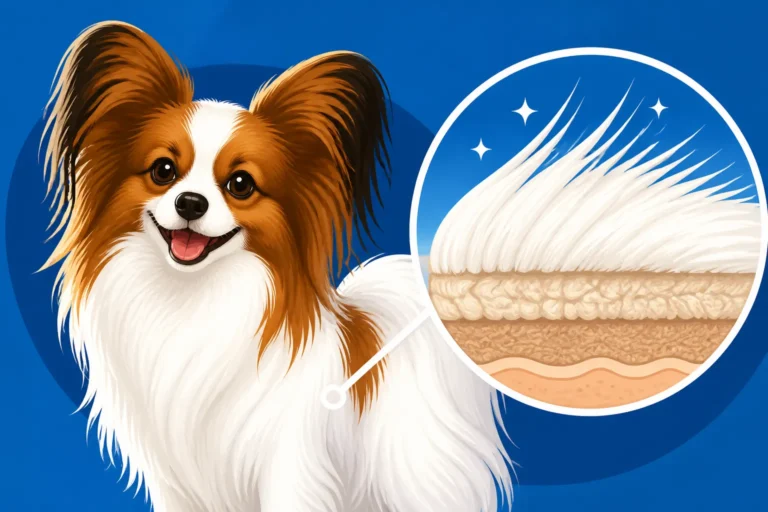
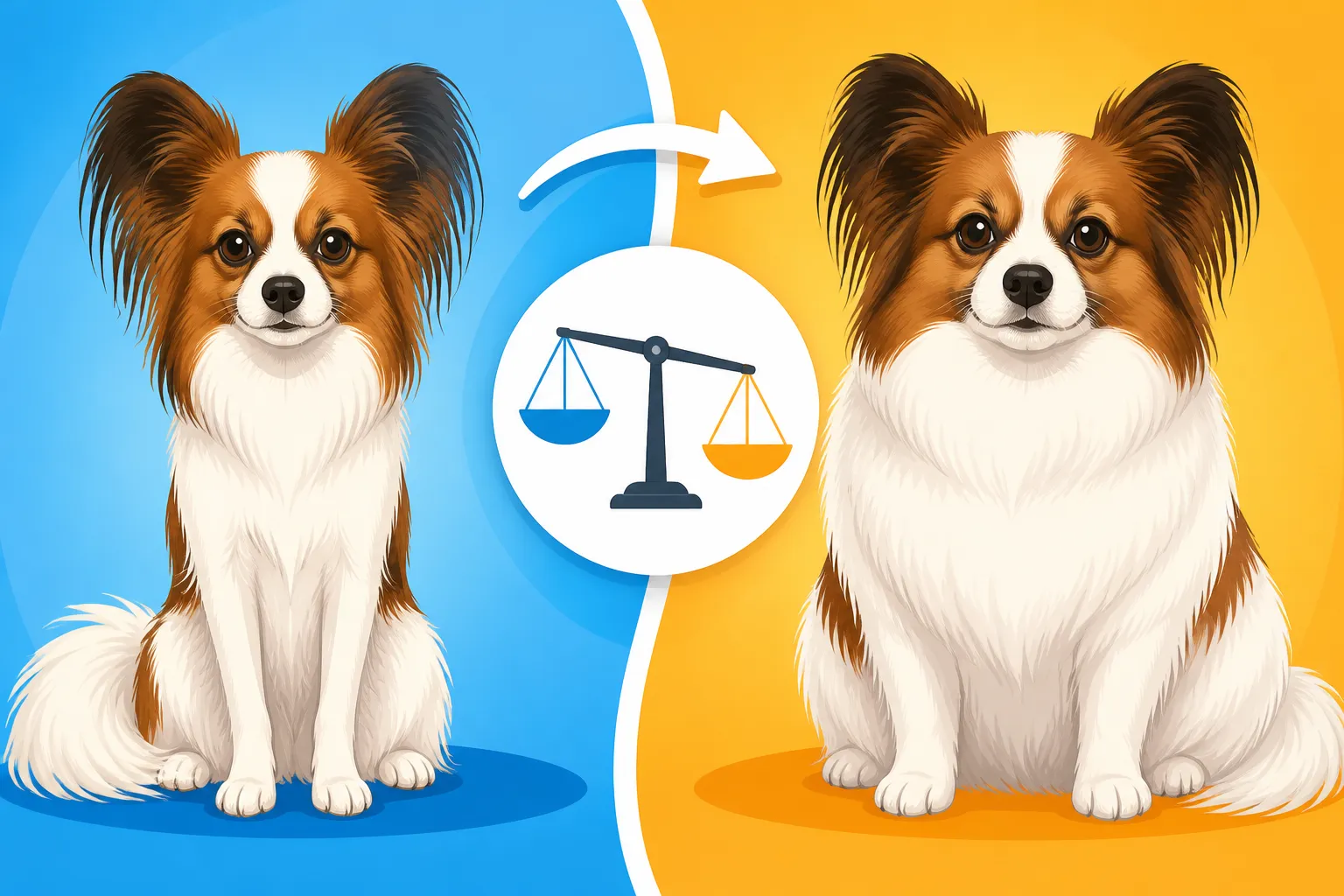
A Papillon’s long, silky coat, especially around their chest, culottes, and magnificent tail plume, can create a deceptive silhouette. What appears to be a sleek, well-proportioned body might actually be hiding a layer of extra fat beneath the fur. The feathering around their ears and legs also adds to this illusion, making them appear fuller than they are. This is why simply looking at your Papillon isn't enough to accurately assess their body condition. You need to use your hands.
Think of it like looking at a sheep before and after shearing; the wool gives a very different impression of the animal underneath. While a Papillon’s coat isn't as dense as a sheep's, it still has that visual masking effect. A dog that appears gracefully slender from a distance might, upon closer inspection and a good pat-down, reveal a soft layer that signals those extra ounces are settling in. This is why feeling their body is paramount, especially for a breed known for its glorious adornments. You'll want to remember that A Papillon's Coat Is All Fringe and No Undercoat meaning while it's flowing, it's not bulky.
Common "Fat" Spots on a Papillon
Even with their coat, there are specific areas where extra weight tends to accumulate on a Papillon. Knowing where to check can help you catch those two ounces before they become more significant.
- Ribs: This is the primary indicator. When you run your hands along your Papillon's sides, you should be able to easily feel their ribs, almost like feeling the knuckles on your hand. If you have to press firmly to feel them, or if you can't feel them at all, they're likely carrying too much weight.
- Spine: Similarly, you should be able to feel the bumps of their vertebrae along their back without much effort. A padded or rounded spine suggests excess fat.
- Base of the Tail: This area often accumulates fat. If it feels cushiony and rounded instead of smooth and bony, that's another red flag.
- Tuck-Up: A healthy Papillon should have a noticeable "tuck-up" – a slight upward curve from the bottom of their rib cage to their hind legs, indicating a lean waist. If this area is straight or sags, it's a sign of a burgeoning belly.
- Padded Shoulders and Neck: While less common than the other spots, some Papillons can develop extra padding around their shoulders and the base of their neck. This can affect their movement and make them look less refined.
By systematically checking these areas, you can get a much clearer picture of your Papillon's body condition, even through their lavish coat.
The Impact on Mobility and Energy
A Papillon is a naturally vivacious and agile dog, known for their springy gait and boundless energy. They love to run, jump, and play, often outperforming much larger dogs in agility rings. Those extra two ounces, however, can subtly, yet significantly, diminish their characteristic mobility and zest for life.
You might notice they're a little slower to get up, perhaps not jumping onto the sofa with the same effortless grace they once did, or showing less enthusiasm for their daily walk. Their playful dashes might become shorter bursts, and they might spend more time resting. This isn't just about appearance; it's about their ability to enjoy the activities that make them a Papillon. A slightly heavier dog simply has to work harder to move, leading to quicker fatigue and a decreased desire to engage in physical play. This reduction in activity then creates a vicious cycle, where less movement leads to more weight gain, which further reduces activity. It’s a slippery slope that can gradually erode their joyous spirit.
The Health Risks Associated with Even Slight Overweight
It's tempting to think that a couple of extra ounces on a small dog aren't a big deal, but for a Papillon, even minor weight gain can significantly increase their risk of various health problems. Their small size makes them particularly vulnerable to issues that might be less impactful on a larger, more robust breed.
Exacerbating Joint Issues
Perhaps the most critical health risk associated with extra weight in Papillons is the exacerbation of joint problems, especially Patellar Luxation Is the Papillon Problem You Will Actually Meet. This condition, where the kneecap slips out of place, is relatively common in small breeds. A Papillon’s knees are delicate mechanisms, and any additional stress placed upon them by excess weight can worsen an existing luxation or even trigger the onset of the condition in a predisposed dog.
Imagine trying to walk with a small stone in your shoe; now imagine that stone is constantly shifting and grinding against a sensitive joint. That's what even a mild patellar luxation can feel like, and extra weight makes it far worse. The increased pressure on the joint cartilage can accelerate degenerative changes, leading to pain, inflammation, and potentially the need for surgical intervention. Why an Overweight Papillon Strains Its Knees goes into more detail, but suffice it to say, every extra ounce contributes to wear and tear that their tiny joints just aren't designed to handle. Maintaining an ideal weight is one of the most effective preventative measures you can take to protect your Papillon's knees.
Increased Strain on Internal Organs
Beyond skeletal issues, those extra ounces also put a silent strain on your Papillon's internal organs. Their heart and lungs, already working hard to keep their active little bodies going, have to work even harder to supply blood and oxygen to a slightly larger mass. This can lead to increased blood pressure and a greater risk of heart conditions over time. Think of it like a small engine trying to pull a slightly heavier load; it runs hotter and wears out faster.
The respiratory system can also be affected, making breathing more labored, especially during exercise or in warm weather. You might notice your Papillon panting more readily or taking longer to recover after a burst of play. This isn't just about comfort; it can impact their overall health and longevity. Overweight dogs are also more susceptible to developing certain types of diabetes and liver issues, conditions that can significantly reduce their quality of life and lifespan. It's a cascade effect, where one small change leads to another, eventually impacting the entire system.
Other Potential Health Concerns
The health risks don't stop there. An overweight Papillon is more prone to a host of other issues that can severely impact their well-being. They can become less tolerant to heat because the extra fat acts as an insulating layer, making it harder for them to cool down. This is particularly concerning given their long coats, especially if they are exercising in warmer climates.
Skin folds created by excess weight can become breeding grounds for infections, leading to discomfort and costly veterinary visits. Their immune system may also be compromised, making them more susceptible to illnesses. Even routine procedures, like anesthesia for a dental cleaning, can carry higher risks for an overweight dog because of the added stress on their systems. Anesthesia and a Five Pound Papillon highlights the care needed for these small dogs, and extra weight only complicates matters further. This is why maintaining a lean physique is not just about aesthetics; it's a fundamental aspect of proactive health management for your Papillon.
How to Identify Those Extra Ounces (Before They Become Pounds)
Catching those extra two ounces early is crucial to preventing them from becoming two pounds. Because the changes can be so subtle, you need to be proactive and systematic in your assessment. It's not about making snap judgments, but about consistent, hands-on monitoring.
Regular Weigh-Ins: Your Best Defense
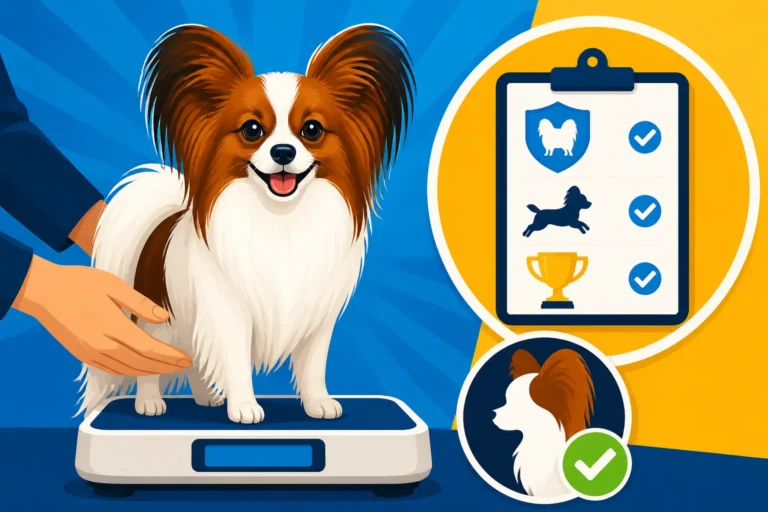
For a Papillon, a kitchen scale can be your best friend. Seriously! Because their weight is so low, even a slight fluctuation of a few ounces is significant. Regular weigh-ins, ideally once a week or at least twice a month, are the most objective way to track their weight. Use a digital kitchen scale that can accurately measure in ounces or grams. You can pick up an affordable, accurate scale from retailers like Amazon or your local pet store.
To weigh your Papillon, simply place them on the scale. If they are too wiggly, you can weigh yourself, then weigh yourself holding your Papillon, and subtract the difference. Keep a little logbook or use a note on your phone to record their weight. Look for trends, not just single readings. If you notice a consistent upward creep of even a few ounces over several weeks, it’s time to re-evaluate their food intake and exercise. This proactive approach allows you to make minor adjustments before a small problem becomes a big one. Weighing a Papillon Puppy Every Week talks about puppy weighing, but the principle applies equally to adults.
The Rib Test and Body Condition Scoring
While regular weigh-ins provide a numerical value, the "rib test" and overall body condition scoring offer a qualitative assessment that is equally, if not more, important. This is where your hands become your most valuable tool.
The Rib Test: Gently run your flat palms along your Papillon's sides, just behind their shoulders. You should be able to feel their ribs quite easily, much like feeling the back of your hand, but without them being visible. If you can see their ribs, they might be underweight. If you have to press hard to feel them, or if there's a distinct layer of padding over them, they are likely overweight. How to Feel a Papillon's Ribs provides a detailed guide on this.
Body Condition Scoring (BCS): This is a more comprehensive assessment, often used by veterinarians, but you can learn to do a basic version at home. It involves looking at and feeling your dog in several key areas:
- Ribs: As described above.
- Waist: From above, your Papillon should have a noticeable "hourglass" shape, tapering in behind their ribs. If they look like a straight line or bulge outwards, they are carrying too much weight.
- Abdominal Tuck: From the side, their belly should tuck up slightly from their chest to their hind legs, not hang low or be straight.
| Body Condition | Appearance | Ribs | Waist | Abdominal Tuck | Implications for Papillon |
|---|---|---|---|---|---|
| Emaciated | Ribs, spine, pelvic bones visible from a distance. No discernible fat. | Easily visible, sharp to touch. | Extremely pronounced. | Severe. | Severely underweight, health crisis. |
| Thin | Ribs, spine, pelvic bones easily visible. Minimal fat. | Easily felt, minimal fat cover. | Easily seen, pronounced. | Good, well-defined. | Underweight, may lack muscle. |
| Ideal | Ribs easily felt without heavy pressure. Waist visible, abdominal tuck present. | Easily felt with light pressure. | Clearly visible "hourglass." | Well-defined, tucked. | Optimal health and athleticism. |
| Overweight | Ribs felt with difficulty, moderate fat cover. Waist less apparent or absent. | Hard to feel, covered by fat. | Poorly defined or straight. | Less pronounced, slight sag. | Increased health risks, decreased mobility. |
| Obese | Ribs not felt under heavy pressure. No waist. Abdominal tuck absent. | Cannot feel, thick fat layer. | Absent or bulging. | Absent or pendulous. | Severe health risks, greatly reduced quality of life. |
Aim for that "Ideal" category. This hands-on assessment, combined with regular weigh-ins, gives you the best chance to spot those sneaky ounces before they turn into a real problem.
Observing Behavior Changes
Beyond the physical examination, pay close attention to your Papillon's behavior. Subtle changes can often signal that those extra ounces are starting to impact their comfort and energy levels.
Are they less enthusiastic about their usual playtime? Do they seem to tire more quickly during walks? Perhaps they used to greet you with a joyful leap, and now it's more of a gentle hop or simply a tail wag from the floor. You might also notice them panting more, even after minimal exertion, or seeming less comfortable in warmer weather. Difficulty jumping onto furniture or reluctance to go up or down stairs could also be subtle indicators of joint discomfort exacerbated by excess weight. How a Papillon Hides Pain reminds us that these dogs can be stoic, so any noticeable change is significant.
Sometimes, it’s not just a decrease in activity but a change in their general demeanor. They might seem a little more withdrawn, less playful, or even a bit grumpy because they’re not feeling their best. Observe their interactions with other dogs or family members. If they used to be the life of the party and now prefer to nap, it’s worth investigating. These behavioral cues, while subjective, can often be the first signs that their body condition is changing and needs your attention.
Practical Steps to Manage a Papillon's Weight
Once you've identified that your Papillon is carrying a few extra ounces, the good news is that it's often reversible with consistent, thoughtful intervention. It's about making small, sustainable changes, not drastic overhauls.
Portion Control and Appropriate Diet
This is arguably the most critical component of weight management for a Papillon. Because they are so small, even a slight overestimation of food can lead to weight gain.
- Measure Precisely: Stop eyeballing portions. Invest in a proper measuring cup or, even better, a kitchen scale to weigh out their kibble. The difference between a "scoop" and an actual measured portion can be significant over time.
- Follow Guidelines, Then Adjust: Start with the feeding guidelines on your dog food bag, but remember these are just starting points. They are often generalized for a wide range of dogs. Your Papillon’s individual metabolism and activity level will dictate their true needs. If they’re gaining weight, slightly reduce the portion. If they’re losing too fast, slightly increase.
- High-Quality Food: Opt for a high-quality dog food with appropriate protein and fat content for small, active breeds. Brands like Chewy offer a wide selection of premium foods, and services like Ollie provide fresh, human-grade meal options that can be precisely portioned. These often contain better quality ingredients, meaning your dog gets more nutrients per calorie.
- Scheduled Meals: Feed on a schedule rather than free-feeding. Two meals a day is ideal for most adult Papillons. This allows you to control intake and helps with digestion. How Much an Adult Papillon Eats is a good resource for understanding typical portions.
Remember, every Papillon is an individual. What works for one might not work perfectly for another. Be patient and willing to adjust their diet based on their weight trends and energy levels.
The Importance of Consistent Exercise
While diet is key, exercise plays a vital role in burning calories, building lean muscle mass, and maintaining joint health. Papillons are active little dogs, and they thrive on consistent physical activity.
- Daily Walks: Aim for at least two daily walks. These don't have to be marathons; a brisk 20-30 minute walk can do wonders. Vary the route to keep it interesting.
- Playtime: Incorporate interactive playtime at home or in a secure, fenced yard. Fetch, chasing toys, or even a good game of hide-and-seek engages both their body and their sharp mind. Remember, What a Papillon Does All Day should ideally include plenty of activity.
- Mental Stimulation: Don't underestimate mental exercise. Puzzle toys, training sessions, or scent work can burn surprising amounts of energy and keep them engaged. A mentally stimulated Papillon is often a less bored, and therefore less inclined to overeat, dog.
- Agility or Other Sports: If your Papillon enjoys it and is cleared by your vet, consider beginner agility or rally classes. These are fantastic for both physical conditioning and mental engagement. Just be mindful of their small joints, especially as they get older.
Always ensure exercise is appropriate for their age and health status. If your Papillon is already carrying extra weight, start slowly and gradually increase the intensity and duration to avoid injury.
Smart Snacking and Treats
Treats are often a significant, yet overlooked, source of extra calories. It's easy to lose track of how many small bites add up throughout the day.
- Low-Calorie Options: Switch to low-calorie, healthy treats. Small pieces of plain cooked chicken, green beans, carrots, or apple slices (without seeds) make excellent alternatives to manufactured dog biscuits. You can often find great options on Chewy or Amazon.
- Use Kibble as Treats: For training, use a portion of their daily kibble allowance as rewards. This way, you're not adding extra calories, just redirecting them.
- Moderation is Key: Even healthy treats should be given in moderation. Think of them as tiny bonuses, not a significant part of their diet.
- Avoid Table Scraps: This is a big one. Human food, even small amounts, can be calorie-dense and often contains ingredients that aren't good for dogs. Resist those pleading Papillon eyes!
By being mindful of every morsel your Papillon consumes, you can ensure treats contribute to their happiness without derailing their weight management goals.
Consulting Your Veterinarian
If you suspect your Papillon is overweight, or if you're struggling to get those extra ounces off, the best first step is always to consult your veterinarian. They can:
- Confirm Body Condition: Provide an objective assessment of your Papillon's body condition score.
- Rule Out Medical Issues: Sometimes, weight gain can be a symptom of an underlying medical condition, such as hypothyroidism. Your vet can run tests to rule these out. What a Papillon's Yearly Bloodwork Should Cover is a good question to ask about their health panel.
- Develop a Personalized Plan: They can help you calculate your Papillon’s ideal caloric intake based on their specific needs and recommend an appropriate diet and exercise regimen.
- Monitor Progress: Your vet can track their weight loss progress and adjust the plan as needed, ensuring they lose weight safely and effectively.
Working with your veterinarian provides you with professional guidance and ensures your Papillon's weight management journey is safe, effective, and tailored to their individual health requirements.
Disclaimer
This article is for general informational purposes only and does not constitute professional advice. Laws, prices and regulations vary by location and change over time. Consult a qualified professional for guidance on your specific situation.