Teaching a Papillon Puppy to Be Handled All Over
Bringing home a tiny Papillon puppy is an absolute joy, but it can also bring a fair bit of anxiety, especially when you think about all the times you'll need to handle them. Many new Papillon parents worry about hurting their delicate little friend or encountering resistance when it comes to routine care like nail trims or ear checks. This guide will walk you through teaching your Papillon puppy to not just tolerate, but actually enjoy being handled all over, transforming vet visits and grooming sessions into stress-free experiences for everyone.
Why "Handling All Over" Is Crucial for Your Papillon Puppy
It might seem like a small detail in the grand scheme of puppy training, but teaching your Papillon puppy to be comfortable with being handled is one of the most important lessons they'll ever learn. Imagine trying to trim nails on a squirming, terrified dog, or having a vet struggle to examine a fearful one. It's not just unpleasant; it can be genuinely unsafe for both your pup and the person trying to help them. For a breed as sensitive and intelligent as the Papillon, building this foundation early is key to a calm, confident adult dog.
Building a Foundation for Vet Visits and Grooming
Think about how often your Papillon will need to be touched. Beyond daily cuddles, there are essential moments like quick ear checks, examining their tiny teeth, or trimming those delicate nails. If your pup associates these necessary tasks with fear or discomfort, every single one becomes a battle. This early training transforms potentially stressful events into routine, even pleasant, interactions.
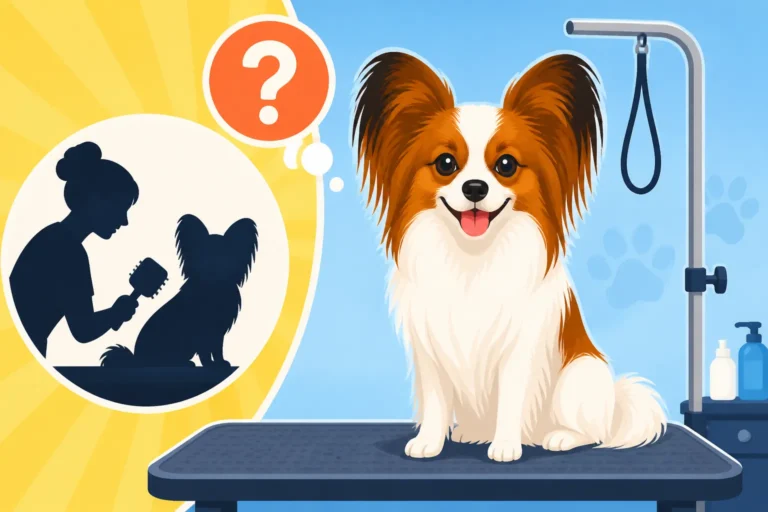
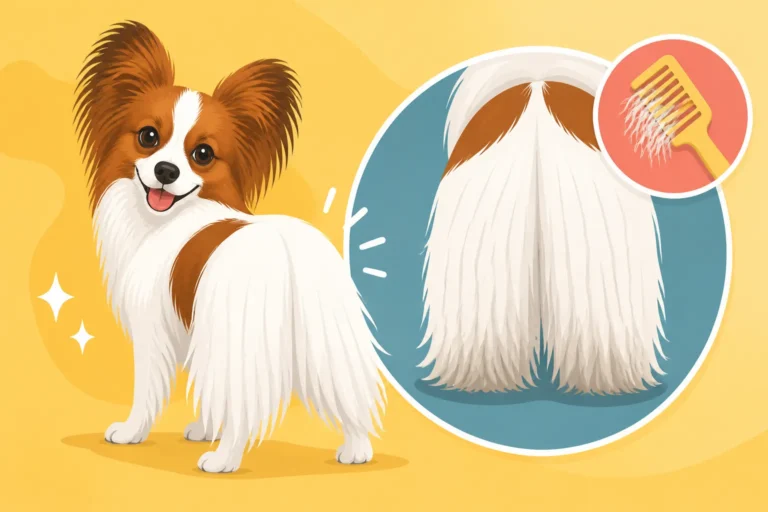
Consider the vet: they'll need to listen to your dog's heart, palpate their belly, examine their mouth, and perhaps draw blood. A Papillon that trusts gentle handling will be far less stressed, allowing the vet to do their job more effectively and ensuring your pup gets the best possible care. The same goes for grooming. While a Papillon's coat requires less intense grooming than some other long-haired breeds, regular brushing, especially of their beautiful ear fringes and culottes, is essential. How Often a Papillon Needs Brushing touches on this, but getting them used to the feel of brushes and combs from a young age makes these sessions enjoyable rather than a dreaded chore.
Preventing Fear and Aggression Towards Touch
Without proper early handling, many dogs, including intelligent and sensitive Papillons, can develop a fear-based aversion to being touched. This fear can manifest in many ways, from frantic squirming and yelping to snapping or biting out of sheer terror. It's a natural instinct for an animal to protect itself if it feels threatened, and a hand reaching for a sensitive paw or ear can easily be misinterpreted by a puppy that hasn't been taught otherwise.
Validation for this fear is important: it's not "naughtiness," it's often a genuine response to perceived threat or discomfort. By introducing handling gently and positively, you teach your puppy that human touch is safe and even rewarding. This preventative measure is far easier and more humane than trying to retrain an adult dog with established fears or aggressive tendencies around handling. A well-socialized Papillon is a joy, but an unsocialized one can be incredibly challenging, and handling is a huge part of socialization.
Strengthening Your Bond and Trust
Ultimately, teaching your Papillon puppy to be handled is about trust. When you consistently show them that your touch is gentle, predictable, and leads to good things (like treats or praise), they learn to trust you implicitly. This deepens your bond and creates a harmonious relationship built on mutual respect and understanding. It's not just about compliance; it's about connection.
Imagine your Papillon snuggling into your lap, relaxed and content, as you gently inspect their paws after a walk or look at their ears. This level of comfort comes from consistent positive experiences. A dog that trusts you completely is more confident in new situations and with new people, knowing that you are their safe harbor. This foundational trust extends to all areas of their life with you, making everything from training sessions to quiet evenings on the couch more fulfilling.
Step-by-Step Guide to Positive Handling Training
Getting started with handling training doesn't require any special equipment, just patience, consistency, and a whole lot of delicious, high-value treats. Remember, for a small breed like a Papillon, a little goes a long way, but the reward needs to be worth their cooperation. Think tiny pieces of cooked chicken, cheese, or even small bits of a high-quality soft food like Ollie. The goal is to make every touch a positive experience, so your puppy begins to associate being handled with good things.
Creating a Calm and Safe Environment
Before you even lay a hand on your Papillon puppy for training, set the stage for success. Choose a time when your puppy is relatively calm, perhaps after a potty break but before a big play session, so they're not overly energetic or sleepy. A quiet room with minimal distractions is ideal – turn off the TV, put your phone away, and ensure other pets or boisterous children aren't going to interrupt.
Sit on the floor or a low, comfortable surface. You want to be at your puppy's level, making the interaction less intimidating. Have your treats ready and easily accessible. The atmosphere should be relaxed and positive. If you're feeling stressed or rushed, your puppy will pick up on that energy, so make sure you're in the right headspace to be patient and encouraging. Consistency in this environment will help your puppy understand that "handling time" is a safe and pleasant routine.
Starting with Gentle, Brief Touches
Begin with the least intrusive and most comfortable areas first, like their shoulders or chest. Gently stroke for just a second or two, then immediately offer a treat and praise in a calm, happy voice. The key here is briefness and immediacy. You want to create a clear association: "touch on the shoulder = tasty treat!" Repeat this a few times, keeping the sessions short – maybe only 30-60 seconds initially.
Once your puppy is comfortable with touches to their shoulders and back, gradually move to other areas, always keeping the touch gentle and brief. Progress to their sides, then gently along their legs. If your puppy shows any signs of discomfort, stop, go back to an area they were comfortable with, and make it positive again. Don't push too fast. We’re aiming for building confidence, not creating fear. Remember, even though they’re small, a Papillon is How Sensitive a Papillon Is.
Gradually Increasing Duration and Intensity
As your Papillon puppy becomes more accepting, you can start to increase the duration of your touches. Instead of one second, try two, then three, then five, always followed by a reward. Once they're comfortable with longer strokes, begin to introduce more "intense" forms of handling, such as gently lifting a paw, briefly touching an ear, or carefully opening their mouth for a second.
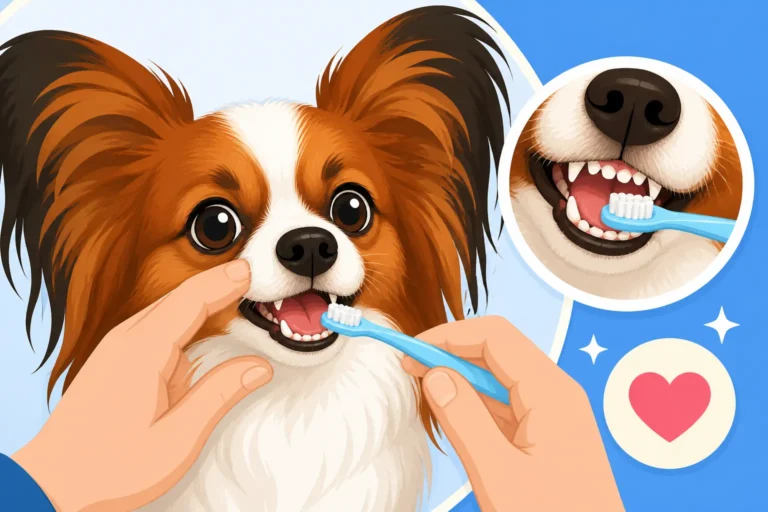
For more sensitive areas like paws or mouths, you might need to go back to super brief touches. For instance, just touch a paw, treat. Repeat. Then, gently hold the paw for a second, treat. Progress slowly. If you're working on their mouth, you could just touch their muzzle, treat, then lift a lip, treat. When it comes to dental health, which is a big deal for Papillons, this step is critical. Brushing a Papillon's Teeth in a Very Small Mouth is a great resource, but it all starts with them accepting your fingers near their mouth.
Making It a Game: Incorporating Rewards
The entire process should feel like a game to your puppy, not a chore. Use a variety of high-value treats to keep them engaged and motivated. Some Papillons might love a soft, chewy treat, while others prefer a crunchy bite. Keep a stash of small, pea-sized treats from brands like Chewy or your favorite pet supply store readily available. You can even use bits of their regular kibble if they are highly food motivated, especially if they are a What a Papillon Eats in a Month.
You can also incorporate verbal praise ("Good boy!" or "Good girl!"), gentle petting, or a quick game with a favorite toy as rewards. Varying the rewards keeps things interesting. The key is to be enthusiastic and celebratory when they cooperate, making them feel like they've done something truly wonderful just by letting you touch their paw. This positive reinforcement builds a strong, happy association with handling.
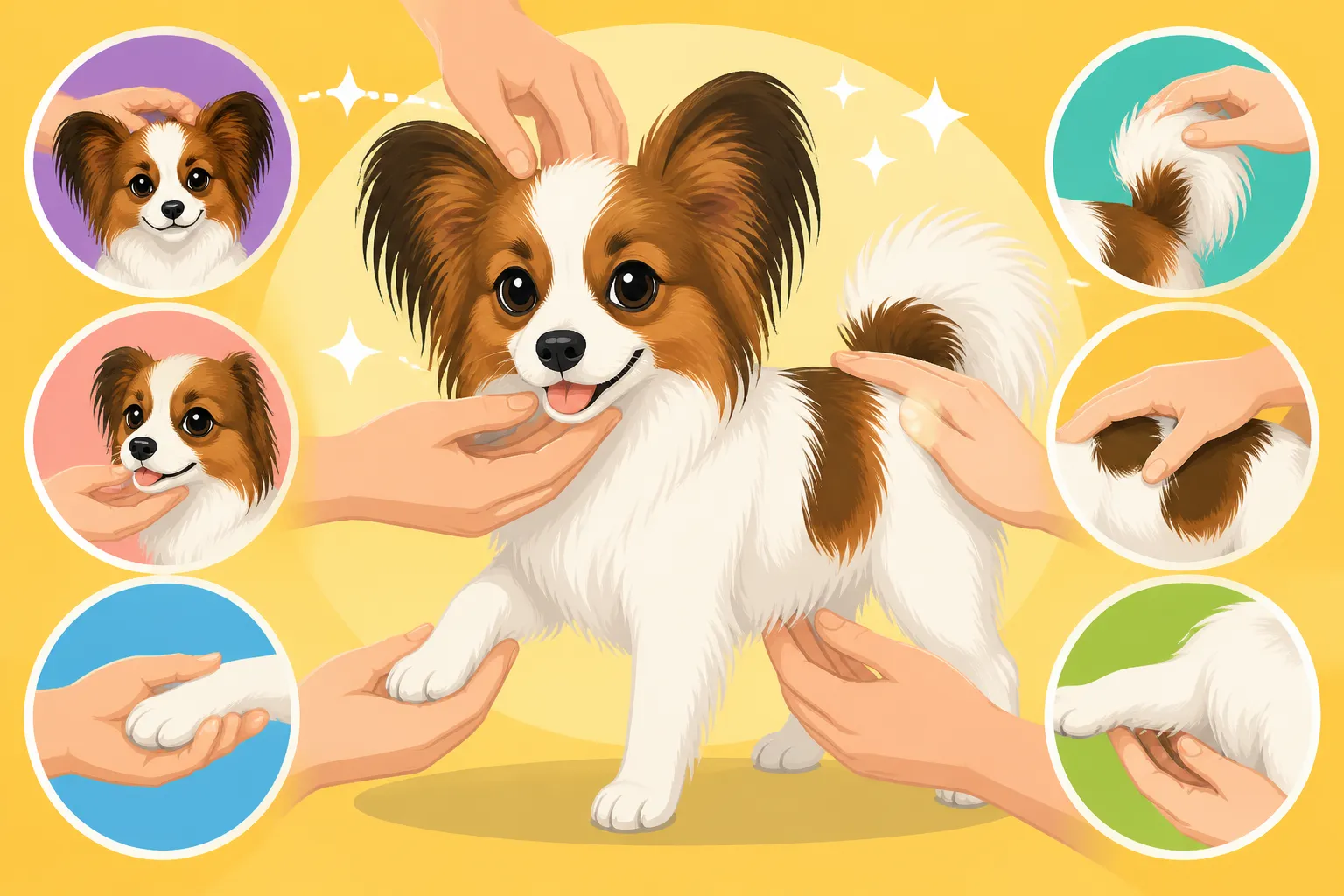
| Area to Handle | Initial Approach (Phase 1) | Next Steps (Phase 2) | Goal (Phase 3) |
|---|---|---|---|
| Shoulders/Back | Gentle strokes, 1-2 sec. | Longer strokes, 5-10 sec. | Confident petting. |
| Legs/Paws | Touch leg, then paw tip. | Hold paw gently for a few sec. | Allow nail trims, pad checks. |
| Ears | Stroke outside of ear. | Gently lift ear flap, peek inside. | Allow ear cleaning, checks. |
| Mouth/Muzzle | Touch muzzle lightly. | Lift lip briefly to see teeth. | Allow tooth brushing, gum checks. |
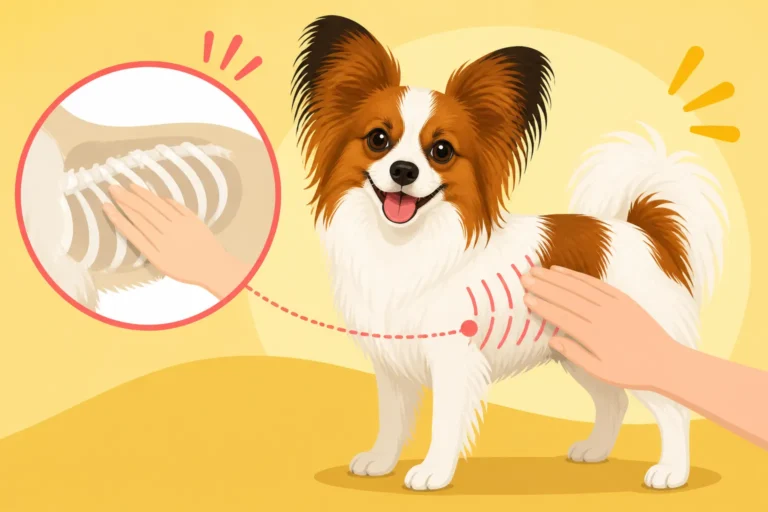
| Belly/Chest | Gentle rubs. | Palpate gently. | Allow full body exam. |
| Tail | Stroke gently near base. | Lift tail briefly. | Allow sanitary trims. |
Common Challenges and Troubleshooting Tips
Even with the best intentions and the tastiest treats, you might hit a snag or two. Papillon puppies are individuals, and some will be more sensitive or resistant than others. Don't get discouraged! This is completely normal. The key is to respond patiently and adjust your approach. Remember, it's a marathon, not a sprint, and every small success builds towards a larger goal.
Dealing with Nipping, Mouthing, and Squirming
Tiny puppy teeth can feel surprisingly sharp, and a squirming Papillon can be incredibly hard to hold. If your puppy nips or mouths during handling, it's often a sign of overstimulation, discomfort, or an attempt to communicate "I don't like this!" It's rarely malicious. When this happens, immediately but calmly withdraw your hand. Stop the interaction, stand up, and ignore your puppy for 10-15 seconds. This teaches them that nipping makes the fun (and treats!) stop.
Then, resume the session with even briefer touches and more immediate rewards. If the nipping persists, you might be pushing too fast. Go back to an easier step where they were comfortable. For squirming, try holding them gently but securely against your body while giving treats. The goal isn't to restrain them forcefully, but to show them that a calm hold also leads to rewards. You can find many useful tools and treats on platforms like Amazon that can help with these training sessions, providing different textures or flavors to keep your puppy engaged.
Overcoming Resistance to Specific Areas (Paws, Ears, Mouth)
It's very common for puppies to have specific "no-go" zones. Paws are often a big one, as they're sensitive and crucial for movement. Mouths are also challenging because it can feel invasive. The trick is to break down the handling into the tiniest possible steps and reward every single step. If your puppy hates their paws being touched, start by just touching their leg, treat. Then, touch a toe, treat. Then, gently separate two toes, treat.
For ears, just stroke the outside of the ear, treat. Then, gently lift the ear flap for a split second, treat. Repeat, repeat, repeat. With mouths, perhaps just touching their chin leads to a treat, then touching their lips, then gently lifting a lip. This incremental approach, often referred to as "shaping," builds positive associations very slowly but very surely. Remember, a major part of Dental Work Over a Papillon's Long Life involves regular home care, so getting them comfortable with mouth handling is a long-term investment.
When to Seek Professional Help
Sometimes, despite your best efforts, you might encounter significant resistance, fear, or even aggression during handling. This is not a failure on your part! Some puppies have deeply ingrained fears, perhaps from a previous negative experience or simply an overly sensitive temperament. If you're struggling, or if your puppy's reactions are intensifying, it's absolutely okay – and recommended – to seek help from a certified professional dog trainer or a veterinary behaviorist.
They can assess your specific situation, identify the root cause of the behavior, and provide tailored strategies and support. They can also rule out any underlying pain or medical issues that might be contributing to your puppy's reluctance. Papillons are generally a healthy breed, but it's important to understand How a Papillon Hides Pain and address it promptly if suspicion arises. A professional can help you decipher your pup's cues and guide you toward a more positive outcome.
Integrating Handling into Daily Life
The goal of handling training isn't just to have dedicated "training sessions" but to make gentle handling a natural, everyday part of your life with your Papillon. The more consistently and casually you incorporate it, the more your puppy will accept it as just another aspect of their routine, rather than something they need to brace themselves for.
Regular Practice and Consistency
Consistency is paramount. Short, frequent sessions are far more effective than long, infrequent ones. Aim for a few brief moments of handling practice spread throughout the day, maybe during commercial breaks while watching TV, or while you're relaxing on the couch. A minute or two here and there adds up and reinforces the positive association without overwhelming your puppy.
Make it part of your routine. Before feeding their meal (perhaps a delicious high-protein option from Ollie if you're looking for premium quality), do a quick check of their paws. Before a walk, gently lift their tail to check their rear. Every time you approach them for a cuddle, incorporate a few gentle touches to sensitive areas, always ending with praise and a reward. Think of it like a puppy's version of How Many Repetitions a Papillon Needs to learn a trick – the more positive reps, the better!
Enlisting Family Members and Trusted Friends
Once your Papillon puppy is comfortable with your handling, it's beneficial to slowly introduce other trusted family members and friends into the process. This helps generalize the positive experience. Start with one person at a time, ensuring they understand the gentle, positive approach. They should follow the same rules: calm environment, brief touches, and immediate high-value rewards.
Supervise these interactions closely to ensure everyone is being gentle and respectful of your puppy's boundaries. This also helps your puppy learn that not all human hands are the same, but all gentle hands are good hands. This socialization to various people handling them is a crucial step, especially for future visits to the vet or a professional groomer. If you're considering a professional for certain grooming needs, know that Whether a Papillon Needs a Professional Groomer is a common question, and early handling training will make that experience much smoother.
Understanding the Papillon's Sensitive Nature
Papillons, while robust in spirit, are physically delicate and highly intelligent. They are acutely aware of their surroundings and your emotions. Forcing them or being overly harsh will not work and can severely damage your bond. Instead, lean into their intelligence and sensitivity by making handling a predictable, positive, and rewarding experience. They learn quickly, and positive associations will stick with them for life.
Remember their small size makes them more prone to certain injuries, so being able to examine them gently is a lifesaver. This ability is particularly important given their susceptibility to conditions like patellar luxation. While specific medical advice is for vets, being able to gently feel your dog's leg without causing undue stress is invaluable. If you ever have a concern about their knees, like if they suddenly start Whether a Papillon Skips a Step When Running, having a dog that tolerates examination makes getting help much easier. Ultimately, a Papillon that is comfortable with handling is a healthier, happier, and safer companion for years to come.
Disclaimer
This article is for general informational purposes only and does not constitute professional advice. Laws, prices and regulations vary by location and change over time. Consult a qualified professional for guidance on your specific situation.