Whether a Papillon’s Coat Needs Anything Between Grooms
It's easy to look at a Papillon's flowing, elegant coat and assume it's a high-maintenance affair that only a professional groomer can tackle, or perhaps that the in-between times require little more than a quick once-over. The truth is, while their beautiful fur is indeed quite distinct, consistent daily and weekly home care is absolutely essential to keep it looking its best, prevent discomfort, and maintain your little companion's overall health between those professional salon visits. This guide will walk you through exactly what your Papillon's coat needs from you on a regular basis.
Understanding the Papillon's Unique Coat Structure
Many new Papillon owners are surprised to learn about the specifics of their dog's coat, often making assumptions based on its length and ethereal appearance. But the Papillon's coat is quite different from many other long-haired breeds, and understanding these differences is the first step to proper care.
The Single Layer of Silk
Unlike many popular breeds such as Golden Retrievers or Huskies, your Papillon doesn't have a double coat. That means there's no dense, woolly undercoat hidden beneath the longer, silken topcoat. This single-layer structure is actually a huge benefit in some ways. For one, it means they tend to shed considerably less than double-coated breeds, which can be a pleasant surprise for those accustomed to tumbleweeds of fur rolling across their floors.
However, this doesn't mean "no shedding" or "no grooming." The lack of an undercoat means their fine, silky hair is more prone to static and friction-based tangles. It also means their skin is less insulated, making regular checks during grooming vital. You might think a coat that sheds less needs less attention, but the opposite is true for preventing mats and keeping that gorgeous flow. The soft texture can knot up quickly if neglected, especially in areas where movement or friction is high.
The Fringes and Feathering
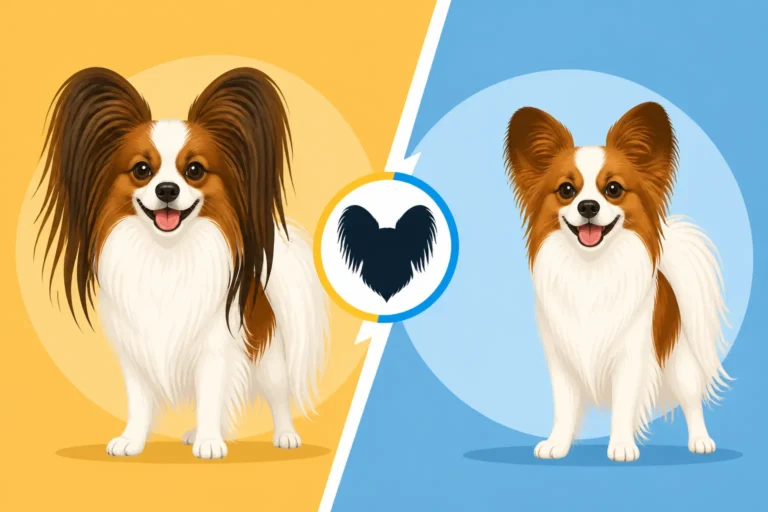
The defining characteristic of a Papillon's coat, and indeed the feature that gives them their name (Papillon means "butterfly" in French, referring to their ear fringes), is their abundant feathering. These aren't just decorative; they are also the most vulnerable parts of the coat when it comes to tangles and mats. You'll find these beautiful long strands on their ears, chest, tail (forming that magnificent plume), and the back of their legs (often called culottes) and paws.
Because these areas are so long and constantly in motion – flapping ears as they run, a tail wagging with pure joy, chest hair rubbing against the ground or their own legs – they are natural magnets for knots. Dust, debris, food particles, and even just the natural oils and dead hair can quickly combine to form tight, painful mats. This is precisely why a Papillon's coat needs anything between grooms to address these specific, delicate areas. Ignoring them for even a few days can lead to significant discomfort and potentially require professional dematting, which is never a fun experience for anyone involved.
It's truly a distinctive look, but that beautiful A Papillon's Coat Is All Fringe and No Undercoat does demand attention. Those majestic ear fringes that give the breed its name, The Ear Fringe That Gives the Papillon Its Name, are particularly susceptible to getting food stuck in them or matting from head rubbing.
Daily and Weekly Grooming Essentials Between Professional Appointments
Thinking of professional grooming as the only solution for a Papillon's coat is a common mistake. While crucial, those appointments are usually weeks apart, and a lot can happen to a delicate coat in that time. Consistent home care is the bridge that keeps your Papillon comfortable and looking sharp between salon visits.
The Importance of Daily Brushing
This is probably the single most important thing you can do for your Papillon's coat between professional grooms. Daily brushing isn't just about making them look tidy; it's preventative medicine for their fur and skin. It prevents those tiny, nascent tangles from becoming enormous, painful mats that pull at the skin. It also helps distribute natural skin oils, keeping the coat healthy and shiny, and allows you to do a quick skin check for any bumps, dry patches, or parasites.
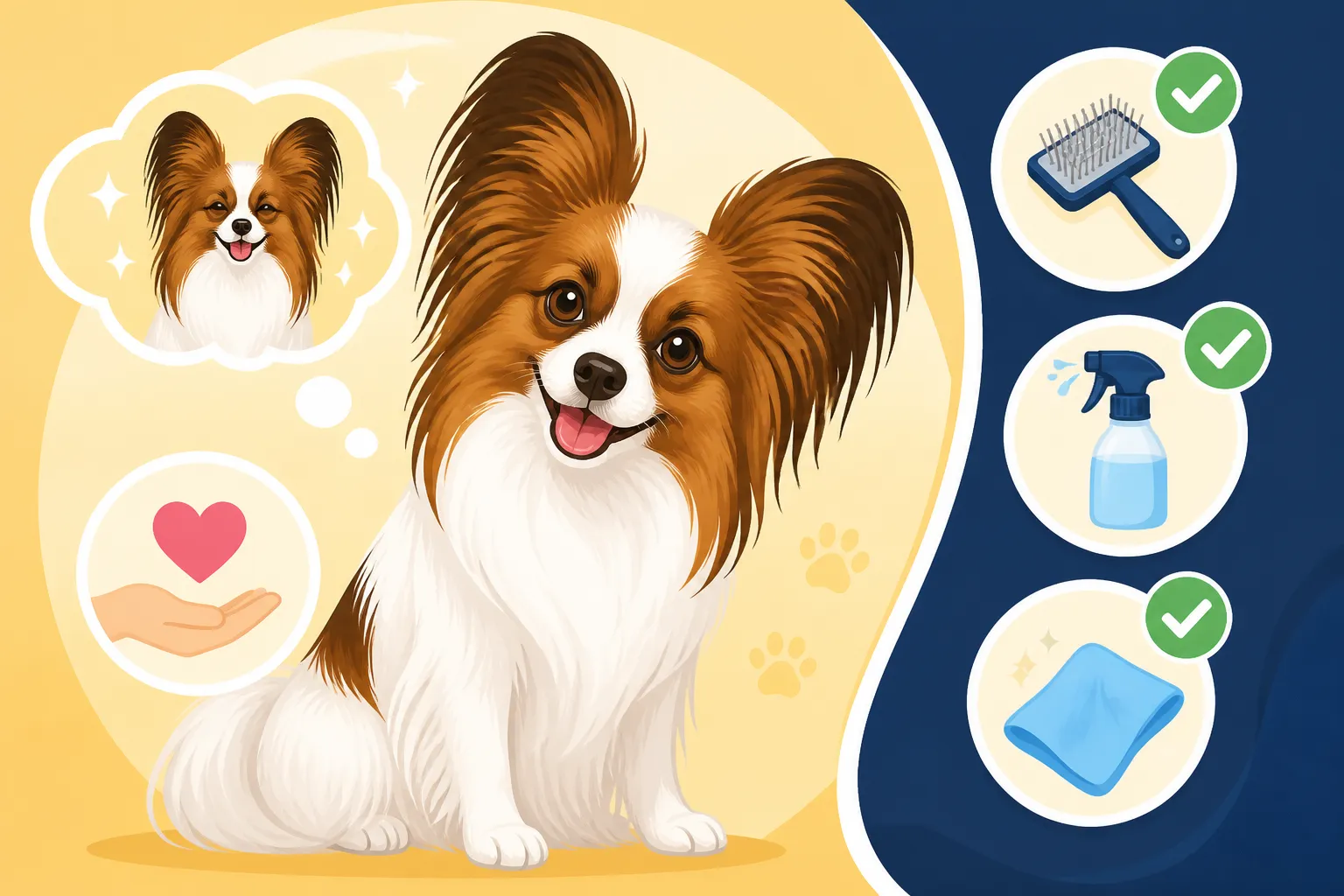
For tools, you'll want a good quality pin brush and a metal comb. The pin brush is great for getting through the longer hair and general detangling, while the comb is essential for checking for mats down to the skin, especially in those dense fringe areas.
When brushing, don't just skim the top. You need to get down to the skin to be effective. A technique called "line brushing" is incredibly helpful. Start by parting the hair near the bottom (like the culottes or belly) and brush a small section, ensuring you can see the skin. Then, part another section just above it and brush again, overlapping slightly. Work your way up the body, section by section. Be gentle, especially around the ears and armpits, as these are often sensitive areas where tangles form. My friends with Papillons often joke that brushing is less about making them pretty and more about making them comfortable. Indeed, it's really the minimal Why a Papillon's Long Coat Takes Twenty Minutes a Week that makes all the difference.
You really can't underestimate How Often a Papillon Needs Brushing. The right tools, specifically Which Brush a Papillon Needs, make all the difference, especially in those notorious spots Where a Papillon Mats.
Spot Cleaning and Quick Washes
Life happens, and sometimes your Papillon's pristine coat might encounter a muddy puddle, a rogue treat crumb, or even some accidental potty mishaps. You don't need to give them a full bath every time, but spot cleaning is a lifesaver.
Paws are notorious for collecting dirt, especially after outdoor adventures. A quick wipe-down with a damp cloth or a pet-friendly cleansing wipe can keep them clean and prevent tracking dirt into the house. The culottes (the feathering on their back legs) and the hair around their sanitary area can also get soiled, particularly after bathroom breaks. Gently wiping these areas with a damp cloth or pet wipe can prevent odors and matting. And let's not forget those ear fringes – sometimes, they dip right into the water bowl or even their food, becoming wet and sticky. A gentle clean with a damp cloth or a quick rinse and blow-dry of just the ear fringe can keep them looking fresh.
If a larger section gets dirty but isn't quite a full-bath situation, you can do a targeted quick wash. Use a mild dog shampoo and conditioner, rinse thoroughly, and make sure to completely dry the area, as leaving it damp can lead to skin irritation or fungal growth. Chewy and Amazon both offer a great selection of gentle, ph-balanced shampoos and conditioners designed for delicate dog coats, many of which are perfect for these types of quick touch-ups. I find that focusing on How Often a Papillon's Fringes Need Washing really helps keep them pristine.
Checking for Tangles and Mats
Even with diligent daily brushing, tiny tangles can still try to sneak their way in, especially in high-friction areas. The key is to catch them early, before they tighten into painful, pelt-like mats. A mat isn't just unsightly; it can pull at the skin, cause irritation, restrict movement, and even hide skin infections.
When you're brushing your Papillon, always use your fingers to feel for any knots or clumps, especially behind the ears, under the armpits, on the chest, and in the culottes. These are the prime locations where mats develop. If you find a small tangle, don't just yank at it. This will only cause pain and tighten the mat. Instead, gently separate the strands with your fingers as much as possible. You can use a detangling spray (many good options available from brands you can find on Amazon or Chewy) to help loosen the hair. Spritz the mat lightly, let it sit for a minute, then use the end tooth of your metal comb or a slicker brush, starting from the very end of the mat and working your way incrementally up towards the skin. It's a slow process, but patience prevents pain. If a mat is too tight or large, do not attempt to cut it out yourself with scissors, as it's incredibly easy to cut the skin. That's when a professional groomer is needed.
Beyond Brushing: Other Between-Groom Care
While brushing is undeniably foundational, a Papillon's coat care extends to several other vital areas that often get overlooked between professional grooming appointments. These small, consistent efforts contribute significantly to your dog's overall comfort, health, and well-being.
Nail Trimming and Paw Pad Care
It might seem disconnected from coat care, but properly trimmed nails are crucial for your Papillon. Overgrown nails can actually affect their gait, causing them to walk abnormally, which puts undue stress on their delicate leg joints – a concern for a breed prone to patellar luxation. Long nails can also get caught, tear, and lead to painful injuries. Ideally, you should hear a faint clicking sound when your Papillon walks on hard floors, but not a constant tap-tap-tap.
Nail trimming should be done every two to four weeks, depending on how quickly your dog's nails grow and how much natural wear they get. If you're nervous about trimming, ask your vet or groomer for a demonstration. They can show you where the "quick" (the sensitive part of the nail) is to avoid painful cuts. Many Papillon owners find that a dremel tool works well for gradually filing nails down, often less stressful for both dog and owner than clippers. Keeping Why a Papillon's Nails Affect Its Knees in mind really emphasizes the importance of this task, and for active little dogs, How Short a Papillon's Nails Must Stay for Agility is critical.
Beyond the nails, the hair between your Papillon's paw pads also needs attention. This hair can grow long, creating "slippers" that reduce traction on smooth surfaces, making them prone to slipping and potentially injuring those knees. It can also collect dirt, burrs, and even ice balls in winter, leading to discomfort. Carefully trim this hair flush with the paw pads using blunt-nosed grooming scissors.
Dental Hygiene
This is an area where Papillons often need extra attention due to their small mouths, which can lead to crowded teeth and a predisposition to dental disease. Just like in humans, plaque and tartar can build up, leading to gum disease, pain, and even systemic health issues. Brushing your Papillon's teeth daily is the gold standard for preventative care.
Invest in a pet-specific toothbrush or a finger brush and enzymatic toothpaste (never use human toothpaste!). Start slowly, making it a positive experience with praise and treats. Focus on the outside surfaces of the teeth, as this is where most plaque accumulates. Even just a minute or two a day can make a huge difference. Without this consistent care, you'll likely find yourself facing expensive professional dental cleanings under anesthesia more frequently as your Papillon ages. The unique challenges of The Teeth in a Papillon's Small Jaw make Brushing a Papillon's Teeth in a Very Small Mouth a daily necessity, and it's something you simply can't skip if you want to avoid frequent vet visits to address How Often a Papillon Needs Dental Work.
Ear Checks and Cleaning
The Papillon's large, upright ears, while beautiful, also need regular checks. While their erect nature allows for good air circulation (reducing the risk of yeast and bacterial infections compared to drop-eared breeds), they can still accumulate wax and debris.
Once a week, take a moment to gently lift your Papillon's ear leather and look inside. You're checking for redness, swelling, any unusual odor (a yeasty smell is a red flag), or excessive dark wax. If the ear appears dirty or waxy, use a veterinarian-approved ear cleaner. Apply a few drops into the ear canal, gently massage the base of the ear for 30 seconds, and then let your dog shake their head. After they shake, use a cotton ball or soft cloth to wipe out any visible debris or cleaner from the outer ear flap. Never use cotton swabs inside the ear canal, as you could push debris further in or damage the delicate structures. Consistent ear care, like regularly checking How Often a Papillon's Ears Need Cleaning, is key.
Remember, if you notice any signs of infection (pain, excessive scratching, strong odor, discharge), it's always best to consult your veterinarian rather than attempting to self-treat.
Here's a quick summary of essential Papillon coat and general care between grooms:
| Task | Frequency | Tools Needed | Why It Matters |
|---|---|---|---|
| Brushing Coat | Daily | Pin brush, metal comb, detangling spray (optional) | Prevents mats, distributes oils, allows skin checks, maintains coat health. |
| Spot Cleaning | As needed | Pet wipes, damp cloth, mild pet shampoo | Addresses localized dirt/stains, prevents odors, avoids full baths. |
| Check for Tangles | Daily/During brushing | Fingers, metal comb, detangling spray | Catches small knots before they become painful, difficult mats. |
| Nail Trimming | Every 2-4 weeks | Nail clippers or dremel | Prevents gait issues, joint strain, painful breaks. |
| Paw Pad Hair Trim | Monthly | Blunt-nosed scissors | Improves traction, prevents debris collection, avoids discomfort. |
| Teeth Brushing | Daily | Pet toothbrush/finger brush, enzymatic toothpaste | Prevents plaque/tartar buildup, gum disease, systemic health issues. |
| Ear Checks/Cleaning | Weekly | Ear cleaner, cotton balls | Monitors for infection, removes wax, prevents discomfort. |
Ultimately, while the Papillon's coat looks delicate and high-maintenance, it's actually quite manageable with consistent, hands-on care. Those regular grooming appointments are certainly important for maintaining the shape and addressing any deeply ingrained issues, but it's the daily and weekly efforts you put in at home that truly keep your Papillon comfortable, healthy, and happy. Think of it as a partnership: the professional groomer handles the big transformations, and you handle the essential upkeep, ensuring your butterfly dog always looks and feels their best.
Disclaimer
This article is for general informational purposes only and does not constitute professional advice. Laws, prices and regulations vary by location and change over time. Consult a qualified professional for guidance on your specific situation.