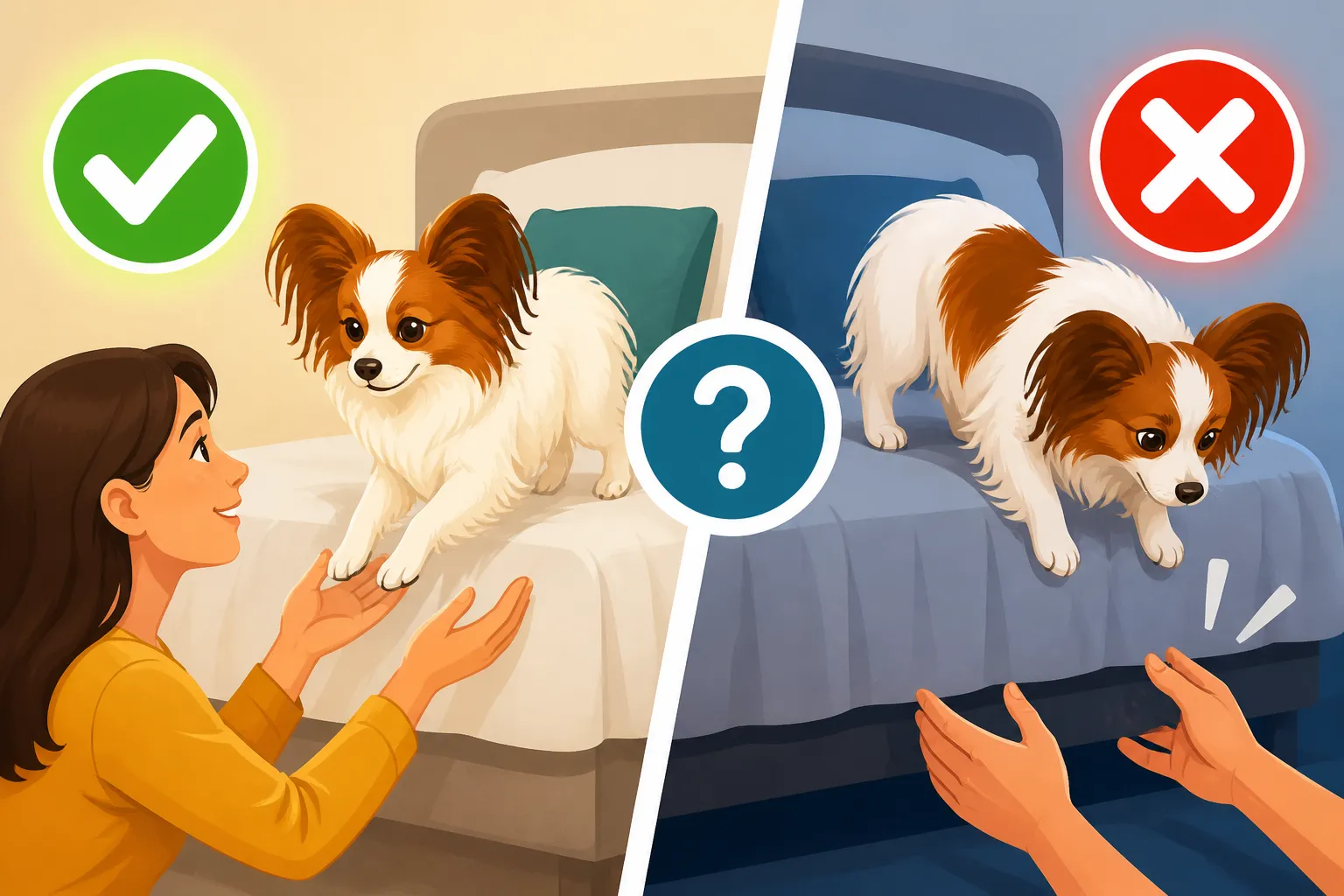
Whether a Papillon Should Be Lifted Down From the Bed
It’s a scenario many Papillon owners know well: you’re relaxing on the couch or just getting out of bed, and your little butterfly-eared companion suddenly launches themselves into the air, landing with a surprising thump. While their enthusiasm is adorable, the thought inevitably crosses your mind: "Is that really safe for their tiny joints?" The truth is, regularly jumping down from heights, even those we consider small, can pose significant risks to a Papillon's delicate body, particularly their knees. This guide will walk you through why it's best to rethink those leaps and how to provide safer alternatives for your beloved pet.
The Peril of the Jump: Why Heights are Risky for Papillons
Understanding Patellar Luxation and Joint Strain
That sudden, agile leap your Papillon makes from the bed or a tall chair might seem impressive, but it’s actually a high-impact event for their small frame. Papillons, like many small breeds, are unfortunately prone to a condition called patellar luxation, which is essentially a dislocating kneecap. This means the kneecap (patella) slips out of its groove in the thigh bone (femur) when the dog bends its knee. While genetics play a huge role in predisposition, the repeated trauma of hard landings from heights can absolutely aggravate an existing condition or even contribute to its development over time.
Think about it from a proportional perspective: a two-foot drop for a five-pound Papillon is equivalent to a much greater fall for a human. Their tiny joints are not designed to absorb that kind of repeated shock. Each jump sends a jolt through their delicate ligaments and cartilage, causing wear and tear that can accumulate over years. Even if your Papillon doesn't show immediate signs of discomfort, these micro-traumas can lead to inflammation, stiffness, and the early onset of arthritis. It's a silent stressor that can compromise their long-term mobility and comfort. You can learn more about What Patellar Luxation Does to a Papillon in our in-depth article on the topic.
Many owners find it hard to believe their energetic Papillon is experiencing pain because these dogs are incredibly resilient and often mask discomfort. They want to participate in everything you do, so they'll push through mild aches. This stoicism means you might not realize there's an issue until the condition has progressed significantly, making treatment more challenging. It’s why prevention, in this case, is truly worth a pound of cure.
The Risk of Acute Injury from an Awkward Landing
Beyond the chronic, cumulative damage, there's always the immediate, acute risk of a single bad jump. Imagine your Papillon misjudging the distance, slipping on a rug as they land, or getting startled mid-air. An awkward twist, an unfortunate angle, or a hard impact on a specific spot can easily result in a sprain, a fracture, or a full joint dislocation. These are not minor injuries; they can be incredibly painful, require emergency veterinary attention, and often lead to lengthy and restrictive recovery periods, possibly including surgery.
A simple fall from a human-sized bed can cause disproportionately severe injuries to a Papillon. Their slender leg bones are more vulnerable to impact than those of larger, more heavily boned breeds. Furthermore, landing surfaces play a critical role. A slick hardwood floor offers no cushioning, amplifying the force on their joints, whereas a plush carpet, while softer, could still cause a paw to snag or twist. Why a Papillon's Kneecap Slips Out details some of the mechanisms behind these sudden injuries.
The emotional toll on both owner and dog can be immense. Seeing your normally playful Papillon in pain, limping, or requiring significant medical intervention due to a preventable accident is truly heartbreaking. Recovery often involves strict confinement, limited activity, and pain medication, which is a stressful experience for an active dog. It’s a stark reminder that even seemingly innocuous daily actions, like jumping off furniture, can carry serious consequences for our tiny companions.
Protecting Those Delicate Knees: The Case for Lifting and Ramps
The Benefits of Lifting Your Papillon
The most straightforward and effective method to prevent jumping injuries is to simply lift your Papillon on and off elevated surfaces. This small act, consistently applied, completely eliminates the impact forces that threaten their joints. While it requires a bit of mindfulness on your part, it’s a tiny investment of effort that yields huge dividends in terms of your dog's long-term health and comfort. You’re actively protecting their knees, hips, and spine from unnecessary stress, allowing them to remain mobile and pain-free for much longer.
Lifting your Papillon also provides a wonderful opportunity for gentle interaction and strengthens your bond. Most Papillons adore being held and will quickly learn to wait patiently for their "lift service" with an expectant look. When you pick them up, always be sure to support their chest and hindquarters evenly to prevent any strain on their back or abdomen. This becomes a natural part of your routine, a small moment of connection throughout the day.
This practice is particularly vital for very young puppies, whose bones and joints are still developing, and for senior Papillons, who may already be contending with age-related arthritis or muscle weakness. For older dogs, jumping can be genuinely painful and further exacerbate existing conditions. Our article Caring for a Papillon Past Eleven discusses how crucial it is to adapt their environment as they age. By lifting them, you ensure they can still enjoy their favorite cozy spots without risking injury or exacerbating discomfort.
Introducing Ramps and Steps as Safe Alternatives
While lifting is ideal, it’s not always practical to be your Papillon’s personal elevator. This is where pet ramps and steps become invaluable tools in creating a truly dog-friendly home. These clever accessories offer your Papillon a safe, independent way to access the bed, sofa, or other elevated areas without any jumping. There's a wide variety available, from sturdy wooden ramps to plush, carpeted steps, ensuring you can find something that blends seamlessly with your home decor and suits your budget. Major retailers like Amazon and Chewy offer numerous options to choose from.
Introducing ramps or steps requires a bit of patience and positive reinforcement. Some Papillons will instinctively use them, while others need gentle encouragement. Start by placing tempting treats on the lower steps or at the base of the ramp, gradually moving them higher. Praise your dog enthusiastically for every successful use, making it a fun and rewarding experience. Consistency is key, and soon your Papillon will associate the ramp or steps with safe access to their favorite spots. The guide Whether Ramps Help a Papillon's Knees offers further details on selecting and using these aids effectively.
When choosing a ramp or steps, consider the height of your furniture and the incline of the ramp. For a small dog like a Papillon, a gradual incline is generally preferred over a steep one, as it’s easier on their joints and less intimidating. Look for features like non-slip surfaces (e.g., carpeting or rubberized treads) to ensure good traction, and always prioritize stability so the ramp doesn't wobble or tip when your dog uses it. Some pet steps even come with integrated storage, providing an extra bit of functionality.
Making Your Home Papillon-Safe: Practical Steps
Assessing Jump Heights and Risky Zones
To truly safeguard your Papillon, you need to develop an "eye-level" perspective of your home. Get down on your hands and knees and consider your environment from your dog's point of view. What might seem like a low coffee table or a short step to you could represent a significant jump for your small companion. Identify all the spots where your Papillon regularly jumps off or attempts to jump off. This might include not just beds and sofas, but also windowsills, chairs, or even certain pet beds if they're particularly tall.
Once you’ve pinpointed these "risky zones," you can systematically implement solutions. For example, if your Papillon loves to snuggle in your bed at night, installing a ramp at the side is a fantastic preventative measure. If the living room sofa is a favored napping spot, place a set of pet steps nearby. Remember, it’s not just about preventing one big fall, but minimizing the cumulative impact of many smaller jumps throughout their day. Even seemingly "safe" low jumps, when repeated constantly, can contribute to joint wear and tear.
Beyond furniture, consider your flooring. Slick surfaces like hardwood, tile, or laminate can be treacherous, increasing the risk of slips and falls, especially during playful zoomies or when landing from a jump. Laying down runners, area rugs, or anti-slip mats in high-traffic areas and near furniture can provide much-needed traction and reduce the likelihood of accidental injury. These small adjustments can dramatically improve your Papillon's safety and confidence in their home environment.
Training and Encouragement for Safe Habits
Providing ramps and steps is only half the battle; the other half is teaching your Papillon to use them consistently. This requires patience, positive reinforcement, and a consistent approach from everyone in the household. Start by making the ramp or steps an appealing pathway. Use high-value treats, like tiny pieces of cheese or their favorite kibble from Ollie, to lure them up and down. Place treats along the path, praising them enthusiastically with every successful ascent and descent. Make it a positive, fun game rather than a chore.
Consistency is paramount. If one family member allows jumping while another insists on using the ramp, your Papillon will become confused and default to the easier, albeit riskier, habit. Ensure everyone is on the same page. When your Papillon approaches furniture, gently guide them towards the ramp or steps. If they attempt to jump, calmly intercept and redirect them without scolding. The goal is to make the ramp the most obvious and rewarding option.
You can also introduce a verbal cue, such as "steps" or "ramp," to associate the word with the action. Papillons are incredibly intelligent and eager to please, so they'll pick up on these cues quickly. The Papillon Is the Smartest Toy Breed There Is, so you'll likely find them to be quick learners. This type of consistent, positive training not only safeguards their physical health but also provides valuable mental stimulation, which Papillons thrive on.
When to Seek Professional Advice: Recognizing Problems
Signs Your Papillon May Have a Joint Issue
Even with the most diligent preventative measures, some Papillons may still develop joint issues, either due to genetic predisposition or unforeseen circumstances. It's crucial for owners to be vigilant and recognize the subtle signs of pain or discomfort. Watch for changes in your dog's gait: do they limp, skip steps (a classic sign of patellar luxation), or hold a leg up occasionally? You might also notice a general reluctance to engage in activities they once loved, like jumping on the sofa or going for long walks. Stiffness, especially after periods of rest, is another common indicator.
Other clues can include behavioral changes. A Papillon in chronic pain might become less tolerant of being handled, snap when touched near a painful area, or seem more withdrawn or irritable. They might struggle to find a comfortable position when lying down, shifting frequently. Signs a Papillon's Kneecap Slips offers a more detailed list of symptoms to look out for. If you observe any of these signs, no matter how subtle, it's always best to consult your veterinarian promptly. Early diagnosis can prevent further damage and improve the effectiveness of treatment.
Maintaining a healthy weight is also critical for joint health. Even a few extra ounces on a tiny Papillon can significantly increase the strain on their joints, exacerbating conditions like patellar luxation or arthritis. Regularly assess your Papillon’s body condition, ensuring you can easily feel their ribs without seeing them prominently. Your vet can provide guidance on ideal weight and diet, perhaps recommending specific portions of their current food or suggesting an appropriate brand from Ollie.
Consulting Your Veterinarian About Joint Health
If you notice any symptoms suggestive of joint pain or mobility issues, or if you simply have concerns about your Papillon's orthopedic health, don't hesitate to schedule an appointment with your veterinarian. They can perform a thorough physical examination, which includes palpating joints, assessing range of motion, and checking for instability. They'll likely manipulate your dog's legs to try and elicit a "slip" of the kneecap if patellar luxation is suspected. Your vet will also ask detailed questions about your Papillon's history, activity levels, and daily habits, including whether they jump off furniture.
Based on their initial findings, your veterinarian may recommend further diagnostic tests, such as X-rays, to get a clearer picture of the bones and joint structures. These images can help confirm a diagnosis, assess the severity of the condition, and rule out other potential causes of discomfort. Once a diagnosis is made, your vet can discuss a tailored treatment plan, which can range from conservative management (e.g., pain medication, anti-inflammatory drugs, joint supplements, physical therapy) to surgical intervention for more advanced cases of patellar luxation. Our article Whether a Papillon Needs Knee Surgery explores when surgical options might be necessary.
Your veterinarian is your most valuable partner in ensuring your Papillon lives a long, healthy, and comfortable life. They can provide personalized advice on everything from diet and exercise to preventative care and managing existing conditions. Addressing joint health proactively with your vet can ensure that your spirited Papillon remains happy, active, and leaping (safely!) through life for many years to come.
Disclaimer
This article is for general informational purposes only and does not constitute professional advice. Laws, prices and regulations vary by location and change over time. Consult a qualified professional for guidance on your specific situation.