Whether a Papillon Can Walk in Snow
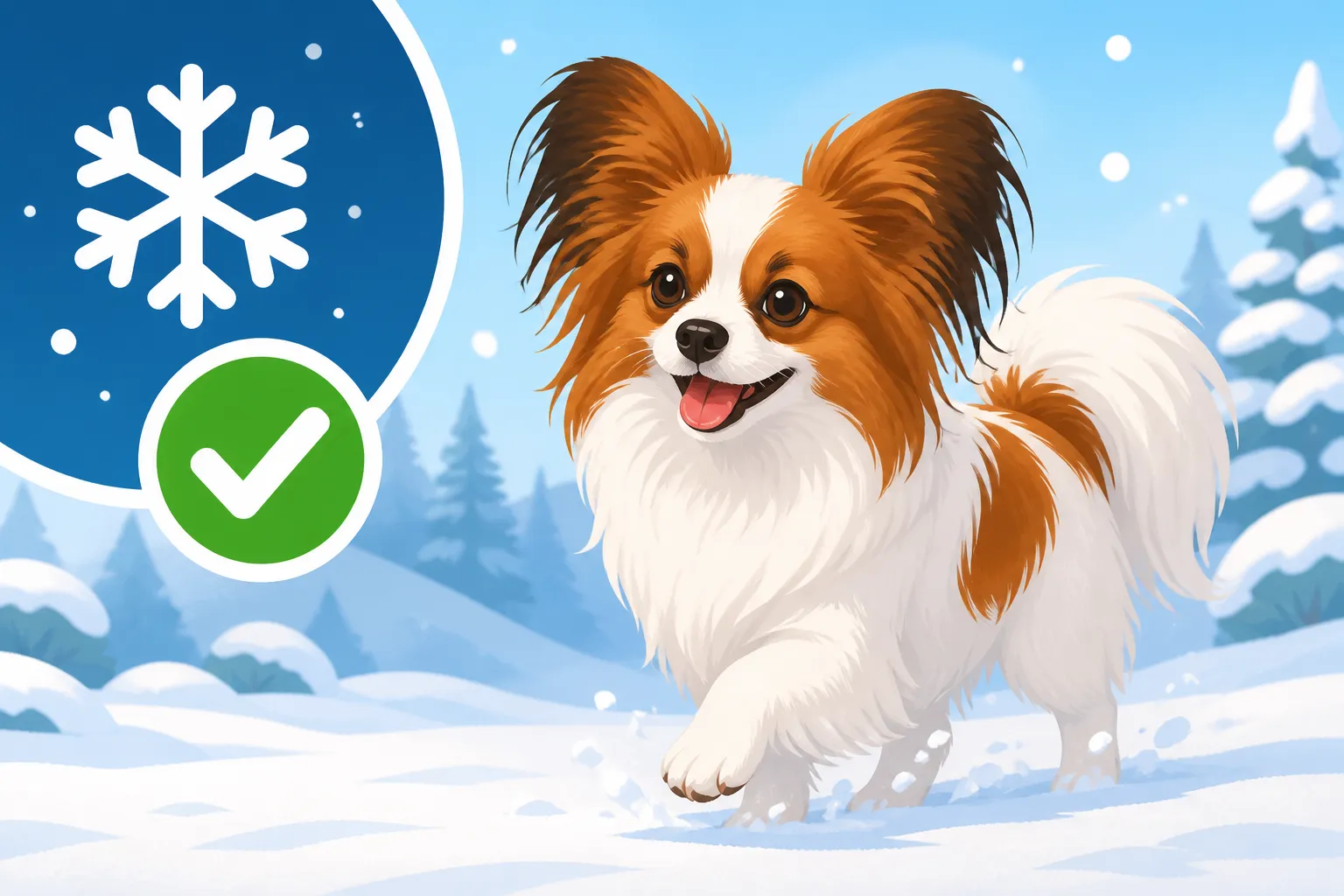
As the snow begins to fall, blanketing the world in a beautiful white, many Papillon owners find themselves standing at the door, leash in hand, wondering: can my delicate little butterfly-eared companion actually handle a walk in this? It's a completely valid concern, given their tiny stature and seemingly fragile appearance, but I'm here to tell you that with the right preparation and common-sense precautions, your Papillon can absolutely enjoy a winter wonderland stroll. This guide will walk you through everything you need to know to make those snowy adventures safe and fun for your little dog.
Understanding Your Papillon's Winter Vulnerabilities
It's easy to look at a sturdy Labrador bounding through deep snow and then glance at your dainty Papillon and think they simply aren't built for it. And in some ways, you'd be right. Papillons have unique characteristics that make them more susceptible to cold weather challenges than their larger, furrier counterparts. Understanding these vulnerabilities is the first step in keeping them safe.
The Papillon's Delicate Build and Single Coat
Papillons are renowned for their elegant, fine-boned structure and their beautiful, flowing single coat. While this coat is stunning, it lacks the dense undercoat that provides crucial insulation for many cold-weather breeds. Think about it: a Husky has two layers of fur, designed to trap warm air and repel moisture. Your Papillon, on the other hand, has a single layer of silky hair. This means they don't have that built-in thermal protection.
Their small body mass also plays a huge role. A larger dog has more body volume relative to its surface area, allowing it to retain heat more efficiently. A Papillon, weighing in at a mere five to ten pounds, has a high surface area-to-volume ratio, meaning they lose body heat much faster to the surrounding cold air. This makes them particularly prone to feeling the chill, especially when temperatures drop significantly or when there's a biting wind. You'll notice them shiver much sooner than a larger dog, and it's not just about comfort; it's about their core body temperature. It's truly eye-opening to realize Whether a Papillon Feels the Cold more acutely than you might expect.
Paw Protection: More Than Just Cold
Beyond their overall body temperature, a Papillon's paws are incredibly vulnerable in snowy conditions. It’s not just the cold of the snow itself, though that's certainly a factor that can lead to frostbite in extreme cases. The real silent dangers are often hidden within the winter landscape.
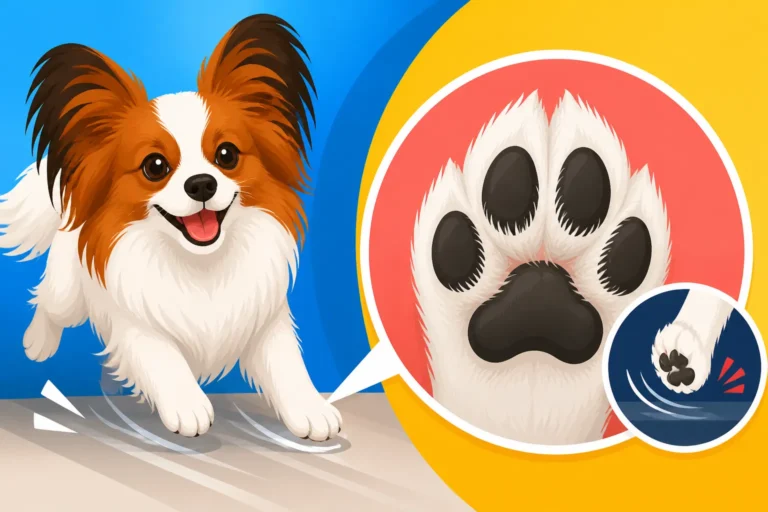
Imagine walking barefoot on a combination of rough ice, sharp frozen snow, and then stepping into a patch of chemical de-icer or rock salt. That's essentially what your Papillon is experiencing. Ice can form painful balls between their paw pads and long toe hair, pulling and tearing at the skin. Sharp shards of ice can cut delicate paw pads, leading to infections and discomfort.
Then there are the chemical de-icers. These are often made of salts or other compounds designed to melt ice, but they can be highly irritating and even toxic if ingested. When your Papillon walks through these chemicals, they stick to their paws, and later, when your dog grooms itself, they can swallow those substances. This can lead to digestive upset, mouth irritation, or worse. Rock salt, a common and often overlooked culprit, can also be incredibly abrasive, causing cracks and dryness in their paw pads, similar to chapped hands in humans, but far more painful when you're walking on them. This makes proper paw care not just about comfort, but about preventing serious injury and illness.
Essential Gear for Snow Adventures
Since your Papillon doesn't come equipped with a built-in winter suit, it's up to us, their devoted human companions, to provide them with the right attire and protection. Investing in a few key items can make all the difference in turning a miserable shiver into a joyful trot through the snow.
The Importance of a Good Winter Coat
You wouldn't head out into a blizzard in just a t-shirt, and neither should your Papillon. A well-fitting winter coat is absolutely non-negotiable for most Papillons when the temperatures drop below freezing, especially for prolonged outdoor time. But not just any coat will do!
When choosing a coat, prioritize a few key features. First, coverage is paramount. Look for a coat that covers your Papillon's back, sides, and, crucially, their belly. Many coats for small dogs only cover the back, leaving the vulnerable underside exposed to the snow and cold wind, which can rapidly lower their core temperature. Second, consider the warmth and insulation. Is it fleece-lined? Does it have a waterproof or water-resistant outer shell? Melting snow can quickly soak through a non-resistant coat, making your dog even colder. Third, fit is critical. A coat that's too loose will allow cold air to seep in, and one that's too tight will restrict movement, making your Papillon uncomfortable and less likely to wear it. You might need to try a few different brands to find one that truly fits their petite frame without being bulky or dragging. It's a common dilemma, and you might wonder Whether a Papillon Needs a Coat in Winter for every outing. The answer is often yes, in snowy conditions.
Look for coats with adjustable straps, or even small leg holes to ensure it stays in place during their energetic bursts in the snow. Brands like Ruffwear or Hurtta often offer durable, well-designed options, though even a cozy sweater from Chewy can provide some extra warmth under a waterproof shell for milder days.
Choosing the Right Paw Protection
This is where many owners draw the line, imagining their sophisticated Papillon prancing around in little boots. But trust me, paw protection is vital. There are two main routes to consider, depending on the conditions and your dog's tolerance: booties or paw balms.
Dog Booties: For truly snowy, icy, or chemically treated conditions, booties are your best friend. They create a physical barrier between your Papillon's delicate paw pads and the harsh environment. When selecting booties, look for:
- Good Grip: A non-slip sole is crucial on ice and slick surfaces.
- Secure Fastening: Velcro straps or adjustable closures that keep the booties on without cutting off circulation. Papillons can be masters of shaking off ill-fitting footwear!
- Material: Options range from rubberized, waterproof materials to softer, fabric booties. Rubber can offer superior protection against chemicals and wetness, while fabric might be more comfortable initially.
- Fit: Again, fit is king. Too big and they'll slip and trip; too small and they'll pinch. Measure your Papillon's paws carefully and consult sizing charts. You can often find a wide variety of booties on Amazon or Chewy, making it easy to compare and find the perfect pair.
Getting your Papillon used to booties takes patience. Start indoors with short sessions, offering lots of praise and high-value treats (perhaps some from Ollie!). Let them wear them for a few minutes, then take them off. Gradually increase the time. Many dogs walk funny at first, like they're moonwalking, but most adjust quickly when they realize it makes outdoor adventures more comfortable.
Paw Balms: For lighter snow, brief outings, or as a preventative measure against dryness and cracking, paw balms are excellent. These create a protective, moisturizing layer. Look for natural ingredients like beeswax, shea butter, and essential oils. Apply a generous amount before and after walks. While balms are good for protecting against dryness and minor irritation, they won't offer the same physical barrier against sharp ice or harsh chemicals that booties do. However, keeping their paw pads conditioned is vital, as dry, cracked pads are far more susceptible to injury. Don't forget that Why a Papillon's Nails Affect Its Knees too, so keeping nails trimmed regularly will also contribute to their overall paw health and comfort in any weather.
Safe Leash and Harness Choices
While not specifically "winter gear," the right leash and harness setup is always important for a Papillon, and even more so in potentially slippery or tricky conditions. A harness is always preferable to a collar for a Papillon. Their delicate tracheas can be easily damaged by pulling on a collar, and in winter, a sudden slip on ice could cause a severe jolt.
A well-fitting harness distributes pressure across their chest and shoulders, providing better control and reducing the risk of injury. It also prevents them from slipping out of their collar if they get spooked or excited by the snow, which can be a real hazard if they bolt into a street with icy conditions. When choosing a harness, ensure it's comfortable, doesn't chafe, and allows for a full range of motion. Look for one that's easy to put on and take off, especially if your Papillon gets impatient or you're wearing gloves. Many Papillon owners find that Whether a Papillon Should Wear a Harness Instead of a Collar isn't even a question – it's a necessity for their safety and comfort year-round.
Safe Practices for Snow Walks
Having the right gear is only half the battle. Knowing how to properly navigate snow walks with your Papillon is equally crucial. It's about being observant, mindful, and always putting your dog's well-being first.
Limiting Exposure and Monitoring Your Papillon
Even with a fantastic coat and booties, a Papillon's tolerance for cold and snow has its limits. These aren't Arctic dogs, after all! The key is to keep walks brief and frequent rather than long and drawn out. On very cold days, especially with wind chill, a five to ten-minute outing might be all your Papillon can comfortably handle. The smaller the dog, and the colder the temperature, the shorter the duration should be. It’s important to understand How Long a Papillon Can Stay Out in Cold before heading out.
Always be a hawk, watching your Papillon for signs of discomfort or cold stress. These can include:
- Shivering: Obvious and immediate sign they are cold.
- Lifting Paws: Indicates their paws are cold, or irritated by snow/salt.
- Slowing Down or Hesitating: They might be trying to tell you they're uncomfortable.
- Tucking Tail: A sign of general discomfort or anxiety.
- Whining or Crying: A clear plea to go inside.
If you observe any of these signs, it's time to head home immediately. Don't push them to finish a "planned" walk. Remember, their tiny legs work harder in deep snow, which can also be tiring. A quick potty break and a brisk trot around the block might be all they need, saving longer exercise for warmer days or indoor play.
Post-Walk Care: Cleaning and Inspection
The moment you step back inside after a snowy walk, your job isn't quite done. Post-walk care is just as important as pre-walk preparation.
First, wipe down their paws thoroughly. Use a warm, damp cloth to remove any salt, de-icers, snow, or ice that might be clinging to their pads or the fur between their toes. Pay special attention to their delicate toe tufts, where ice balls love to hide. This prevents them from ingesting harmful chemicals when they lick their paws and helps prevent skin irritation.
Next, check their belly and leg fur. Papillons have beautiful feathering (culottes) on their legs and chest frill that can also pick up snow, ice, and slush. Use a towel to gently dry and remove any stuck debris. If the snow has been particularly clingy, you might find small ice balls forming on their long fur. Gently melt these with a warm cloth or run your fingers through them; never yank them out, as this can be very painful. While you're at it, it’s a good moment to give their coat a quick once-over to ensure no mats are forming, tying into the routine of How Often a Papillon Needs Brushing.
Finally, inspect their paw pads. Look for any redness, cracks, cuts, or signs of irritation. If you find any, clean the area gently and apply a soothing paw balm. If a cut is deep or bleeding persists, consult your vet. Early detection and care can prevent minor issues from becoming major problems.
Training for Winter Readiness
Successfully getting your Papillon to wear booties or a coat often comes down to early and positive training. Don't wait until the first snowfall to try to wrestle a coat onto a bewildered dog.
Start the desensitization process indoors, well before winter arrives.
- Introduce the gear: Let your Papillon sniff and investigate the coat and booties. Give treats and praise.
- Short wear times: First, just put the coat on for a minute or two, immediately followed by praise and a reward. Gradually increase the duration. Do the same with booties – put one on, treat, take it off. Then two, then all four.
- Positive Association: Always make wearing the gear a positive experience. Play a short game, offer their favorite treat, or give lots of cuddles while they're wearing it. This helps them associate the gear with good things.
- Practice walking: Once they're comfortable wearing the items indoors, practice walking around the house in them. This helps them get used to the feel before you introduce the outdoor elements.
Consistency and patience are key. Your Papillon is smart and will quickly learn that "coat and booties" means "fun outing!"
When to Stay Indoors: Recognizing the Limits
While Papillons can absolutely enjoy snow, there are times when it’s simply too risky. Recognizing these limits is a crucial part of responsible pet ownership, preventing potential harm, and ensuring their long-term health.
Extreme Cold and Icy Conditions
There's a big difference between a gentle snowfall at 30 degrees Fahrenheit and an icy blast at 5 degrees. Extreme cold, especially coupled with a strong wind chill, can rapidly lead to hypothermia in small dogs. Pay attention to local weather alerts. If it's dangerously cold for humans, it's exponentially more dangerous for your tiny Papillon.
Similarly, icy conditions present their own set of hazards. Black ice is nearly invisible and can cause devastating slips and falls for both you and your dog. A Papillon’s delicate bones and joints are not made for hard impacts. A severe fall could lead to sprains, fractures, or exacerbate existing conditions like luxating patellas. Consider Whether a Papillon With a Slipping Knee Is in Pain – a fall on ice would certainly make any such condition much worse. Thin ice over puddles is another hidden danger, as a Papillon could easily fall through, getting soaked and dangerously cold. When in doubt, err on the side of caution and keep walks to a minimum, or opt for indoor alternatives entirely. Their safety is paramount.
Alternative Winter Exercise Options
On those days when the weather is simply too harsh for outdoor walks, it doesn't mean your Papillon has to become a couch potato. These intelligent, energetic little dogs still need mental and physical stimulation to thrive.
There are countless ways to keep your Papillon engaged indoors:
- Indoor Fetch: If you have a clear hallway or living room, a soft toy can provide a good burst of activity. Just be mindful of slippery floors if you have hardwood or tile; consider laying down a rug or mat for better grip to protect their joints.
- Puzzle Toys: These are fantastic for mental stimulation. Fill them with a portion of their kibble or some high-value treats from a brand like Ollie, and watch them problem-solve. You can find a huge variety of puzzle toys on Chewy or Amazon that cater to small dogs. This helps fulfill What Mental Work a Papillon Needs and keeps their minds sharp.
- Trick Training: Papillons are incredibly smart and love to learn. Use these indoor days to teach them new tricks or refine old ones. "Spin," "weave," "bow," or even complex multi-step tricks can burn a surprising amount of mental energy. Short, fun sessions with positive reinforcement are key.
- Hide and Seek: Hide small treats around the house and let your Papillon sniff them out. This engages their natural scenting abilities and provides a fun challenge.
- Indoor Agility: For the truly dedicated, you can create a mini agility course using household items. Pillows for jumps, blankets over chairs for tunnels, or even a broomstick laid across two books for a low bar. Just ensure everything is safe and stable.
- Structured Playtime: Simply dedicating time to play with your Papillon, engaging them with toys, or even just a good cuddle session, strengthens your bond and provides comfort. Remember, How Much Exercise a Papillon Needs isn't just about physical exertion, but also mental engagement.
| Type of Protection | Pros | Cons | Best For |
|---|---|---|---|
| Dog Booties | Excellent barrier against cold, ice, salt, chemicals; prevents cuts. | Can be challenging for dogs to adapt to; proper fit is essential; some may fall off. | Harsh winter conditions, icy pavements, areas with heavy salt/de-icer use. |
| Paw Balm/Wax | Moisturizes and creates a protective barrier against dryness/minor irritants; easier application than booties. | Does not protect against sharp objects, deep snow, or large amounts of chemical de-icer; needs frequent reapplication. | Mild cold, light snow, preventing chapping, general paw health. |
| Winter Coat | Keeps core body warm; protects fur from snow/ice buildup. | Needs to be waterproof and well-fitting for maximum benefit; some dogs dislike wearing clothes. | Any outdoor activity in freezing or near-freezing temperatures, especially with wind chill. |
In conclusion, your Papillon can absolutely be a happy snow dog, given the right care and attention. It’s all about understanding their specific needs, investing in appropriate gear, and always being vigilant about their comfort and safety. With a cozy coat, well-protected paws, and a watchful eye, you and your Papillon can make many joyful memories in the winter wonderland.
Disclaimer
This article is for general informational purposes only and does not constitute professional advice. Laws, prices and regulations vary by location and change over time. Consult a qualified professional for guidance on your specific situation.