What a Papillon’s Coat Needs at Each Age
If you're a Papillon parent, you know that gorgeous, flowing coat is part of their charm, but it can also be a source of bewilderment. Many owners wonder if their fluffy puppy's coat will stay easy, or if the magnificent ear fringes of an adult will magically appear. The truth is, your Papillon's coat changes quite a bit over their lifetime, and what it needs at eight weeks is vastly different from what it needs at eight years. This guide is here to walk you through how to adapt your grooming routine to keep your Papillon looking their best and feeling comfortable, no matter their age.
Puppy Coat Care: Starting Them Young (0-12 Months)
The journey of your Papillon's magnificent coat begins with a soft, cloud-like puppy fluff that almost defies gravity. It’s a wonderful stage, but it's also the crucial time to lay the groundwork for a lifetime of easy grooming. Ignoring this early period can lead to challenges down the line.
The Soft, Fluffy Stage: What to Expect
When you first bring home your Papillon puppy, usually around 10-12 weeks, their coat is an absolute dream: incredibly soft, fine, and relatively short. You might not see those dramatic ear fringes or the impressive tail plume just yet; those are features that develop with maturity. At this stage, shedding is usually minimal, and matting isn't a huge concern because the hair isn't long enough to tangle extensively.
However, this is the prime window to introduce your puppy to grooming as a positive, calm experience. Think short, gentle sessions. Start by simply running your hands over their body, ears, and tail, mimicking the motions of brushing. Use a very soft brush, perhaps a baby brush or a soft bristle brush, just for the sensation. Offer tiny, high-value treats and lots of praise. The goal here isn't to get out tangles (because there aren't many!), but to teach your puppy that being handled, having their feet touched, and feeling a brush is a normal, even enjoyable, part of their day. This foundational training is invaluable because it sets them up for a lifetime of more involved grooming later on. You don't want a full-grown Papillon fighting you every step of the way when those long fringes finally come in. This early conditioning makes everything easier for both of you as they grow. The First Year With a Papillon Puppy is full of other vital things to consider at this stage.
The "Ugly Duckling" Phase and Coat Change
Around six months to a year, your Papillon puppy will embark on what many breeders affectionately call the "ugly duckling" phase, or "blowing coat." This is when their soft, fine puppy coat begins to shed out, making way for the denser, longer, and silkier adult coat. It can be a bit startling if you're not expecting it. Suddenly, your perfectly fluffy puppy might look a little dishevelled, with patchy areas where the new coat is coming in and the old coat is clinging on for dear life. You might notice more shedding around the house, which contrasts sharply with the minimal shedding of their earlier months.
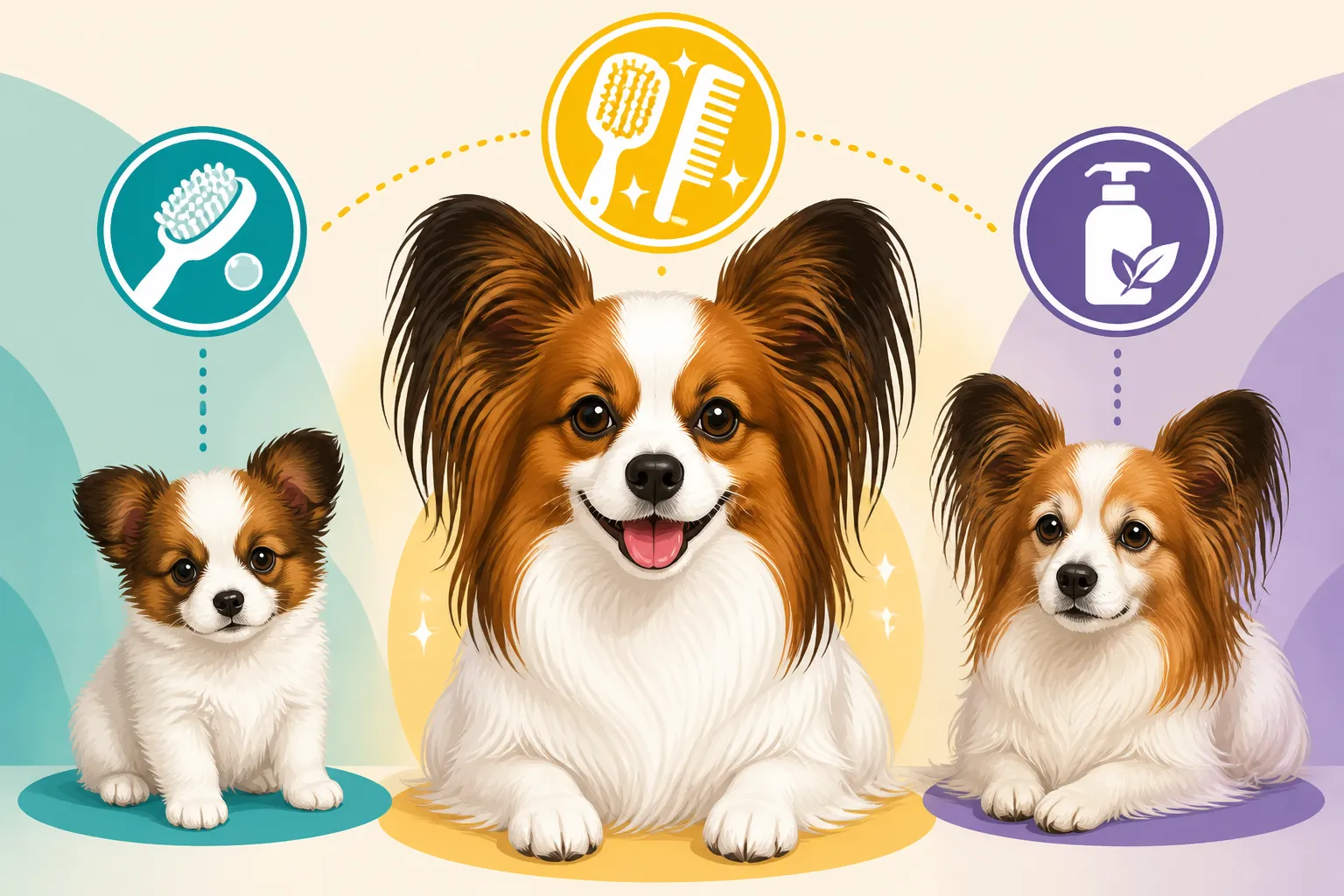
During this transition, matting can become a real concern, especially in areas like behind the ears, under the armpits, and around the "culottes" on their hindquarters, even if these fringes aren't yet fully developed. The mix of old and new coat creates a perfect recipe for tangles. This is when you'll need to upgrade your grooming tools. A small pin brush and a metal comb with both fine and wide teeth will become your best friends. You'll need to brush more frequently, perhaps every other day, to work through the shedding puppy coat and prevent new adult hairs from matting. Be patient, use a detangling spray if needed, and always brush gently to avoid hurting their sensitive skin. This phase usually lasts a few months, and by the time they are around 12-18 months old, you'll start to see the beginnings of that glorious adult Papillon coat.
Adult Coat Maintenance: The Glorious Fringes (1-8 Years)
Once your Papillon sheds their puppy coat and their adult coat fully develops, usually between one and two years of age, you'll witness the full splendor of their breed-defining features: the magnificent ear fringes, the plume-like tail, and the elegant culottes. This beautiful coat, however, requires consistent, dedicated care to stay pristine.
Regular Brushing: The Cornerstone of Adult Coat Health
For an adult Papillon, regular brushing isn't just about looking good; it's about comfort and preventing painful mats. Their single coat, which means they don't have a dense undercoat, helps prevent some of the matting issues seen in double-coated breeds, but it still requires attention. What a Papillon's Coat Is Made Of highlights this unique structure. Aim for brushing at least 2-3 times a week, though daily might be needed for dogs with exceptionally lush coats or if they've been playing outdoors.
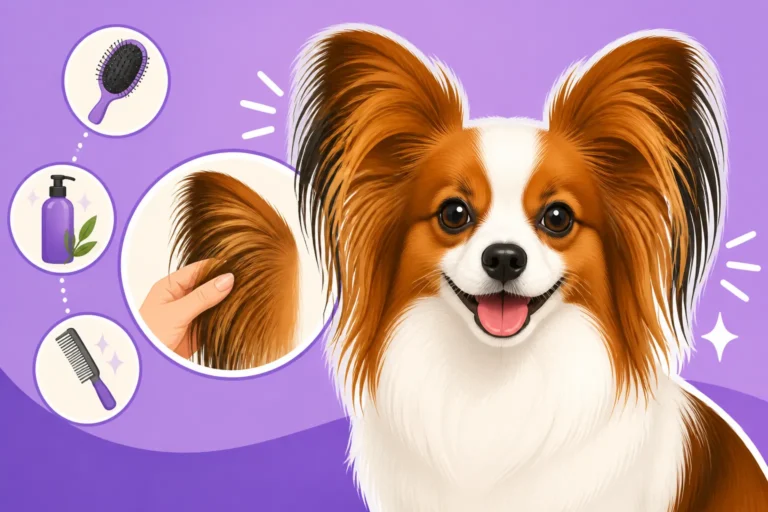
Start by lightly misting the coat with a detangling spray or a conditioning spray – never brush a dry coat, as this can cause breakage. Use a good quality pin brush (you can find excellent options on Amazon or Chewy) to gently work through the body coat, paying special attention to the longer areas. The ear fringes, or "papillon" (butterfly) ears that give the breed its name, are particularly prone to matting and need daily, gentle combing. Use a metal comb here, carefully working from the tips of the hair inwards, holding the hair closer to the skin to prevent pulling. Don't forget the plume of the tail and the culottes on their hind legs; these areas can collect debris and tangle easily. How Often a Papillon Needs Brushing and Which Brush a Papillon Needs offer deeper insights into techniques and tools.
A common challenge is finding mats in hidden spots. Where a Papillon Mats frequently includes behind the ears, armpits, and underneath the belly. When you find a mat, resist the urge to pull. Instead, use your fingers to gently try and separate the tangle. If it's stubborn, apply a generous amount of detangling spray, work a comb through the very edges of the mat, slowly teasing it apart. For really tight mats, a mat splitter or blunt-nosed scissors can be used with extreme caution, always pointing away from the skin.
Bathing, Drying, and Seasonal Considerations
While daily brushing keeps their coat flowing, regular baths are essential to keep it clean, healthy, and free of dirt and allergens. The frequency depends on your Papillon's lifestyle – a city dog might need a bath more often than a meticulously kept house dog. Generally, every 3-4 weeks is a good starting point, but some owners might bathe every 2 weeks, especially if their dog is active in outdoor sports or prone to getting dirty.
When bathing, use a high-quality dog shampoo and conditioner designed for long, silky coats. Lather gently, avoiding harsh scrubbing that can create tangles. Rinse thoroughly, as any leftover shampoo residue can irritate the skin or make the coat feel sticky and prone to matting. How Often a Papillon Should Be Bathed provides more details.
Drying is perhaps the most critical part of the bathing process for a Papillon. Their long, fine hair can mat severely if allowed to air dry, especially if they shake vigorously. Blot them thoroughly with a towel, then use a low-heat, high-speed pet dryer while continuously brushing their coat. This helps to straighten the hair, prevent tangles, and achieve that airy, flowing look. Make sure they are completely dry, especially at the roots and under the fringes, before allowing them to run free. In terms of seasonal changes, Papillons don't experience drastic coat blows like some double-coated breeds, but you might notice a slight increase in shedding during spring and fall as their coat adjusts to temperature changes. Consistent brushing is the best defence against this.
Trimming Needs: When and Where
Unlike many breeds, the Papillon's beautiful coat is meant to be natural and flowing, with minimal trimming. The breed standard specifically discourages excessive trimming of the body coat or fringes. However, there are a few areas where judicious trimming is not only acceptable but beneficial for hygiene and comfort.
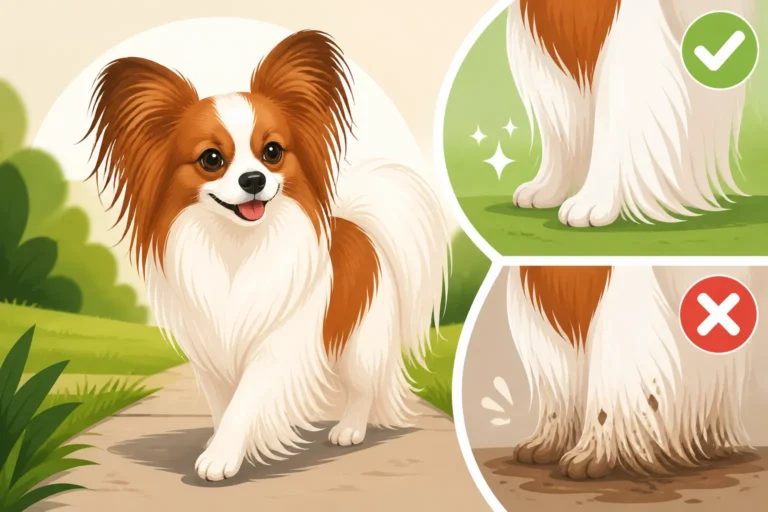
The most common areas for trimming are the feet and the sanitary area. For their feet, you'll want to carefully trim the hair growing between their paw pads. This hair can collect dirt, debris, and moisture, leading to discomfort, skin infections, or even traction issues on slippery floors. Trimming it flush with the pads helps them get better grip and keeps their paws cleaner. You can find small, blunt-nosed grooming scissors or paw trimmers on Chewy that are perfect for this delicate work. Whether a Papillon's Feet Need Trimming covers this in more depth.
The hair around their sanitary area (under the tail and around the genitals) should also be kept short and neat. This prevents fecal matter from clinging to the fur, which is unhygienic and can cause skin irritation. Again, use blunt-nosed scissors with extreme care. Some owners also choose to lightly neaten the wisps of hair around the hocks (the joint above their back paws) to give a tidier appearance, but this is entirely optional. Remember, the goal is minimal, functional trimming, not to sculpt the coat. You want to preserve the natural beauty of their long ear fringes – How to Keep a Papillon's Ear Fringe Full is all about that.
Senior Papillon Coat Care: Gentle Touch for Golden Years (9+ Years)
As your Papillon moves into their senior years, typically around 9-11 years old, their needs, including their coat care, will begin to shift. What worked perfectly for a youthful, energetic adult might not be appropriate for a wise old soul who values comfort above all else. Caring for a Papillon Past Eleven outlines many of these changes.
Changes in Senior Coat Texture and Density
One of the most noticeable changes in an aging Papillon's coat is in its texture and density. Just like humans, dogs can experience changes in their hair as they age. You might find that your senior Papillon's once-silky coat becomes a bit coarser, thinner, or even more brittle. Some Papillons might develop a slightly duller coat, losing some of the youthful luster they once had, while others may see increased grey hairs, particularly around their muzzle and eyes. The fringes on their ears and tail might not be as full or long as they once were, and overall coat density can decrease, making them appear a little less robust than in their prime. What an Aging Papillon's Coat Looks Like explores these transformations.
These changes can sometimes make their skin more delicate and prone to dryness. Their skin might also become less elastic, and they might develop benign skin growths, lumps, or bumps that need to be navigated carefully during grooming. It's crucial to be aware of these changes and adapt your grooming approach accordingly, focusing on gentleness and comfort.
Adapting Grooming Routines for Comfort
The primary goal of grooming a senior Papillon is to keep them clean, comfortable, and mat-free without causing stress or pain. Their mobility might decrease, making it harder for them to stand for long periods, or they might have arthritis that makes certain positions uncomfortable. How a Papillon Hides Pain is something to be mindful of.
- Shorter, More Frequent Sessions: Instead of one long grooming session, break it down into several shorter ones throughout the week. Maybe a quick brush of the ears one day, the tail the next, and a body brush the day after. This prevents fatigue and keeps the experience positive.
- Soft Brushes and Gentle Detangling: Opt for softer pin brushes or even a natural bristle brush if their coat is thinning and their skin is sensitive. Be extra gentle when detangling any mats, using plenty of conditioning spray. Harsh tugging can be painful and lead to a negative association with grooming.
- Grooming Aids: Consider a grooming table with a non-slip mat, or even groom them while they are lying down comfortably on a soft bed or your lap. Anything that minimizes discomfort and instability is a win.
- Dietary Support: A high-quality diet plays a huge role in skin and coat health at any age, but especially for seniors. Look for foods rich in omega fatty acids, which can support skin hydration and coat luster. Brands like Ollie focus on fresh, high-quality ingredients that can be beneficial. Discussing dietary changes with your vet can also be helpful to ensure they're getting all the nutrients they need.
Addressing Mats and Skin Issues in Older Dogs
Senior Papillons, due to reduced activity, changes in coat texture, or underlying health issues, can be more prone to developing mats or skin problems. A less active dog might not naturally rub off loose hair as much, leading to more tangles. If your older Papillon has joint pain, they might be less able to stretch or scratch effectively, allowing mats to form in hard-to-reach areas.
Regularly check your senior Papillon for new lumps, bumps, or any changes in their skin condition. Older dogs are more susceptible to skin infections, dry skin patches, or even benign skin tags. If you notice any suspicious areas, or if grooming seems to cause them pain, it's always best to consult your veterinarian. They can provide advice on specific skin conditions, recommend medicated shampoos, or suggest ways to make your dog more comfortable during grooming. Never hesitate to get professional help for stubborn or painful mats, as attempting to remove them yourself could cause injury or significant discomfort to your aging companion. For those with Feeding a Papillon With Few Teeth, adjusting food texture can also indirectly help maintain their overall health, which in turn reflects in their coat.
Papillon Coat Care Through the Ages
Here's a quick look at how your Papillon's coat care needs evolve from puppyhood to their golden years:
| Age Stage | Coat Characteristics | Key Grooming Focus | Essential Tools | Frequency |
|---|---|---|---|---|
| 0-12 Months | Soft, fine puppy fluff; then "ugly duckling" transition to adult coat | Positive introduction to grooming; mat prevention during coat change | Soft bristle brush, small pin brush, metal comb | Gentle daily handling; brushing 2-3x/week during transition |
| 1-8 Years | Long, silky adult coat with full fringes, plume, and culottes | Regular brushing to prevent mats; maintaining cleanliness and health | Pin brush, metal comb, detangling spray, dog shampoo/conditioner | Brushing 2-3x/week (daily for fringes); bathing every 3-4 weeks |
| 9+ Years | Potentially thinner, coarser, duller coat; delicate skin; prone to mats if mobility is reduced | Gentle, comfort-focused grooming; monitoring skin health; shorter sessions | Soft pin brush, detangling spray, gentle shampoo, non-slip grooming mat | Frequent, short sessions; adapt as needed for comfort; bathing every 4-6 weeks |
This table serves as a general guideline, but always remember to observe your individual Papillon. Each dog is unique, and their specific needs might vary based on their coat type, activity level, and overall health. Adapting your routine with love and patience will ensure your beautiful butterfly dog remains happy and comfortable throughout their long life.
Disclaimer
This article is for general informational purposes only and does not constitute professional advice. Laws, prices and regulations vary by location and change over time. Consult a qualified professional for guidance on your specific situation.