Marie Antoinette and the Papillon She Is Said to Have Carried
It's easy to get lost in the romanticized image of Papillons perched on velvet cushions, adored by royalty. Stories abound of these charming little dogs gracing the laps of European aristocrats, none more famous or poignant than the tale of Marie Antoinette and her loyal companion, said to have accompanied her to the very steps of the guillotine. But what's the real story behind this captivating legend, and how much of it is historical fact versus delightful fiction? This guide will dive deep into the rich history of the Papillon, exploring their ancient origins, their prominence in royal courts, and the truth behind the heartbreaking legend of Marie Antoinette's devoted dog, helping you appreciate the full legacy of this remarkable breed.
The Papillon's Ancient Roots: A History Woven with Nobility
Before we even get to the opulent courts of France, the ancestors of our modern Papillons were already making their mark. These weren't just any dogs; they were companions of the elite, their small size and charming demeanor making them perfect lap warmers and confidantes in a world of rigid etiquette and grand estates. Understanding this long lineage helps us appreciate the breed's inherent elegance and intelligence today.
Tracing the Continental Toy Spaniel Through European Courts
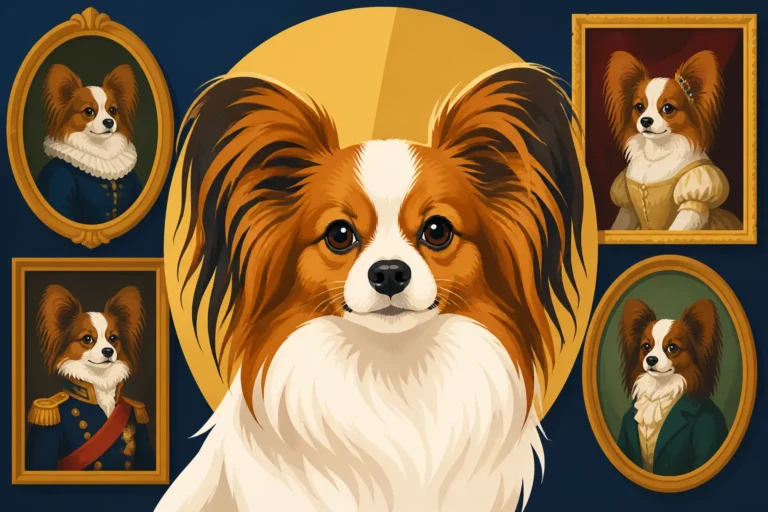
The Papillon, along with its drop-eared cousin, the Phalene, descends from the ancient Continental Toy Spaniel, a breed with a lineage that stretches back at least seven hundred years. These little spaniels weren't just pets; they were living jewels, often depicted in the arms of noblewomen across Europe. Imagine the grand halls of palaces in Spain, Italy, and France, where these tiny dogs were an integral part of court life. They were a status symbol, a comfort, and sometimes, even a source of warmth in drafty castles. Unlike larger working dogs, these were dogs bred purely for companionship, a luxury only the wealthy could truly afford. They traveled with their mistresses, slept in their beds, and were often immortalized in paintings, signaling the owner's affluence and refined taste. The Papillon Has Seven Hundred Years of Portraits Behind It offers a wonderful glimpse into this artistic heritage.
These early toy spaniels were distinct from their larger hunting cousins, specifically cultivated for their miniature size and charming personalities. They weren't expected to herd sheep or chase foxes; their sole purpose was to adore and be adored. This selective breeding for temperament and companionship qualities laid the groundwork for the Papillon's intelligent and affectionate nature that we cherish today. They were truly members of the family, albeit a very aristocratic family, and their presence in historical records speaks volumes about their importance to their human companions.
Their small stature also made them highly portable, a desirable trait for ladies of leisure who might spend hours in their boudoirs or traveling between estates. These dogs were easy to manage, didn't require extensive exercise, and could be tucked into sleeves or carried in baskets. This practicality, combined with their undeniable charm, cemented their place in the hearts and homes of European nobility.
The Evolution of the Erect Ear: From Phalene to Papillon
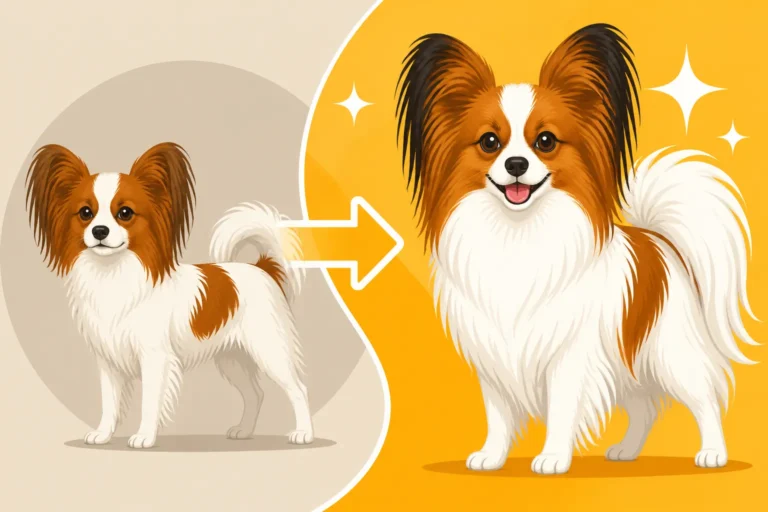
For centuries, these continental toy spaniels almost exclusively had drop ears, much like our modern Phalene. In fact, "Phalene" is French for "moth," referring to the way their ears hang down, resembling a moth's wings at rest. But somewhere along the line, likely in the 16th or 17th century, a fascinating genetic mutation began to appear: puppies were born with erect, butterfly-like ears. This was the birth of the Papillon, whose name means "butterfly" in French, a perfect description for their large, high-set ears fringed with silken hair.
This new ear type quickly gained favor, especially in the French court, and soon the erect-eared Papillon became the more popular variety. It wasn't just a physical change; it was a fashion statement. The elegant, alert appearance of the butterfly ears captured the imagination of the aristocracy and became a distinctive feature of the breed. While Phalenes still exist and are recognized as the same breed, sharing the same genetic pool and often appearing in the same litters, it's the Papillon with its flamboyant ears that truly took the world by storm. What the Name Papillon Refers To delves deeper into this iconic feature.
The development of the erect ear wasn't just a random occurrence; breeders likely started to select for this trait once it appeared, appreciating its novelty and elegance. This shift highlights how human preferences and aesthetic ideals have shaped dog breeds over centuries. The transition from the Phalene to the Papillon is a testament to this, showing a deliberate move towards a more striking and unique appearance, which ultimately contributed to the breed's enduring popularity.
Artistic Legacy: The Papillon in Renaissance Masterpieces
If you've ever seen a Renaissance painting featuring a small, aristocratic dog, chances are you're looking at an ancestor of the Papillon. These charming little spaniels were often included in portraits of noble families, especially ladies and children, signifying wealth, loyalty, and companionship. Master painters like Titian, Rubens, and Fragonard all immortalized these dogs, giving us an invaluable visual record of their appearance and status.
Titian, a renowned Italian Renaissance painter, is particularly famous for depicting dogs that bear a striking resemblance to the early Continental Toy Spaniels. His works provide a visual timeline, showing us exactly What a Titian Spaniel Looked Like and how these dogs were cherished members of the household, not just accessories. These artistic representations are more than just pretty pictures; they are historical documents, showing us the close bond between humans and these dogs, and how their physical characteristics have been preserved through generations.
The inclusion of these dogs in such high-status artwork underscores their importance to the elite. They weren't relegated to the background; they were often central to the composition, a focal point that added depth and character to the sitter. This tradition of painting dogs with their owners continued through the centuries, ensuring the Papillon's place in art history and reminding us of their long association with elegance and refined living.
The Enduring Legend of Marie Antoinette's Papillon
Among the many tales that link Papillons to European royalty, none is quite as captivating or heartbreaking as the story of Marie Antoinette and her faithful companion. This particular narrative has been passed down through generations, becoming almost as famous as the queen herself. It's a poignant story that speaks to the deep bond between humans and their dogs, even in the direst of circumstances.
The Tale of "Thisbe" and the Fall of the French Monarchy
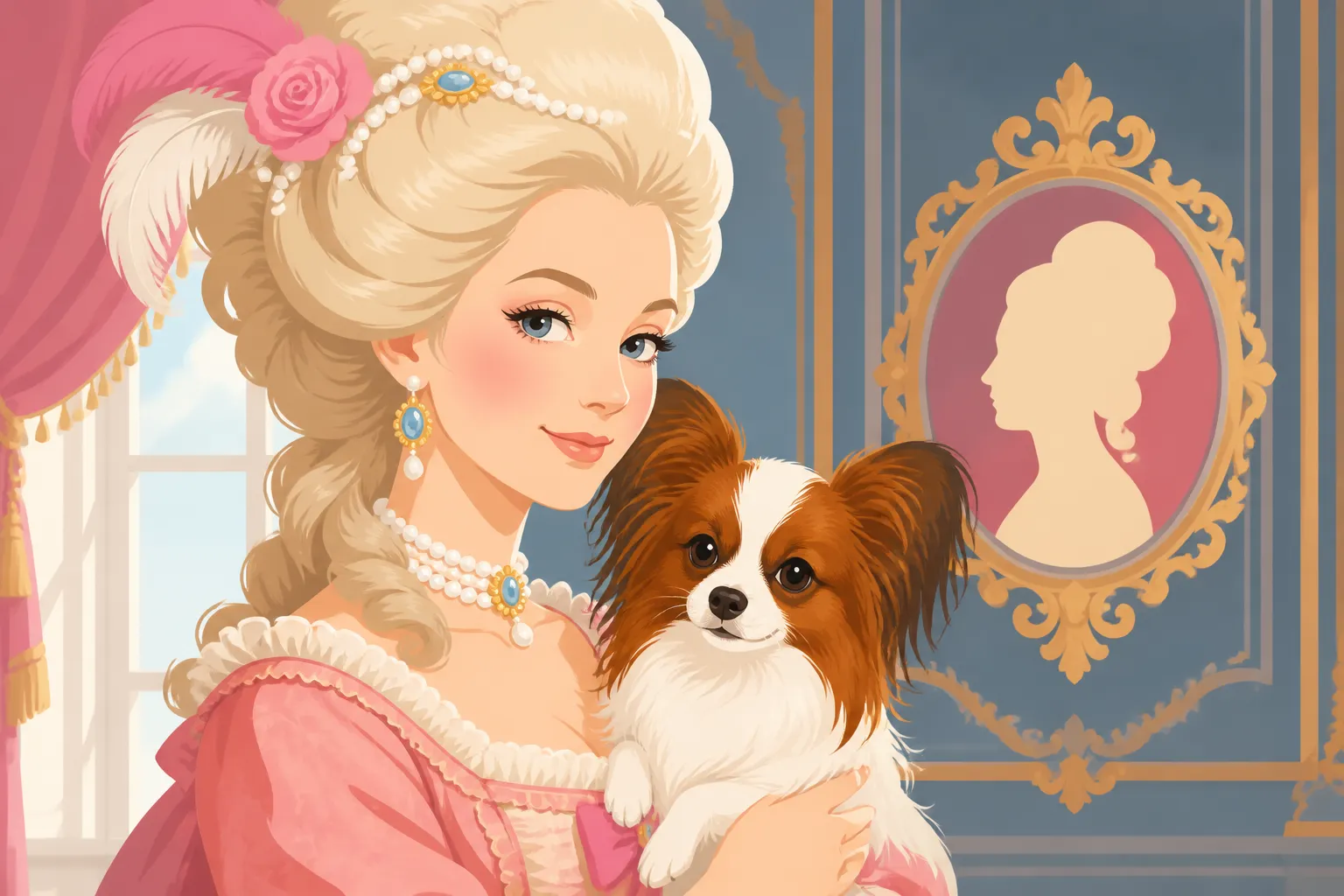
The legend goes that Marie Antoinette, the ill-fated Queen of France, owned a small Continental Toy Spaniel, often named "Thisbe." This beloved dog was reportedly with her during her imprisonment in the Conciergerie and was even said to have been present at the foot of the guillotine when she met her end in 1793. The story claims that the dog was then taken care of by a family in Paris, living out its days mourning its lost mistress. It’s a powerful image: a tiny, loyal dog steadfastly remaining by its owner's side through the ultimate tragedy.
This specific anecdote about "Thisbe" has become deeply ingrained in Papillon lore, painting a picture of unparalleled loyalty and devotion. It gives a very human, almost sentimental, touch to a historical figure who is often portrayed as extravagant and aloof. For Papillon enthusiasts, it adds an extra layer of romanticism and historical gravitas to their beloved breed, connecting them to a dramatic moment in European history. Whether Marie Antoinette Owned a Papillon explores the factual basis of her pet ownership.
While the exact details, like the dog's name or its presence at the execution, are debated among historians, the essence of the story—that Marie Antoinette cherished a small spaniel—is highly plausible given the popularity of such dogs among the nobility. Whether entirely true or partially embellished, the legend has undoubtedly cemented the Papillon's place in the collective imagination as a dog of queens and a symbol of unwavering companionship.
Separating Fact from Romanticized Fiction
As compelling as the story of "Thisbe" is, historical accuracy can be a bit elusive when it comes to specific details from centuries past, especially surrounding such a tumultuous period. While it is widely accepted that Marie Antoinette, like many royals of her time, did indeed keep small companion dogs, concrete evidence placing a specific dog, named "Thisbe," at the guillotine is scarce. Much of this dramatic element likely falls into the realm of folklore and romanticized historical narratives. Whether the Guillotine Story Is True unpacks the historical evidence surrounding this tale.
The French Revolution was a time of chaos and upheaval, and meticulous records of a queen's pet in her final hours were certainly not a priority. However, the fact that such a story has persisted and become so widely told speaks to the very real tradition of nobility keeping these dogs and the strong emotional bonds that formed. It’s important to remember that historical accounts often blend truth with embellishment, especially when involving figures as legendary as Marie Antoinette.
What we can say with certainty is that Continental Toy Spaniels were immensely popular in the French court before the revolution. It’s highly probable that Marie Antoinette would have owned and cherished such a dog, even if the specifics of its fate are blurred by time and storytelling. The legend serves to highlight the perceived loyalty and desirability of these dogs, painting a vivid picture of a devoted companion in an era of opulence and eventual tragedy.
Why This Story Resonates with Papillon Lovers
For anyone who has ever owned a Papillon, or simply admired the breed, the story of Marie Antoinette’s dog resonates deeply. It taps into the universal human desire for unwavering loyalty and the unique bond we share with our pets. A Papillon’s intelligence, spirit, and often surprisingly bold nature make the idea of them standing firm in the face of danger entirely believable. They might be small, but they carry themselves with an incredible dignity and courage.
The narrative also connects the modern Papillon directly to a grand historical past, adding a layer of prestige and fascination. It allows owners to feel a connection to centuries of history, imagining their own butterfly-eared companion as a descendent of royal favorites. This historical link is a powerful part of the breed's appeal, making them feel like a living piece of art and history. It's a story that encapsulates the very essence of the breed: delicate appearance combined with an indomitable spirit.
Moreover, the story speaks to the profound love and comfort pets provide, particularly during times of distress. For a queen facing her execution, the presence of a faithful dog, even if legendary, offers a comforting image of solace and unconditional love. This emotional core is what truly makes the legend endure, making the Papillon not just a beautiful dog, but a symbol of enduring companionship.
The Papillon as a Symbol: From Royal Lapdog to Modern Companion
The Papillon’s journey from a symbol of aristocratic leisure to a beloved family companion in homes worldwide is a testament to its adaptable nature and timeless charm. These little dogs have always been more than just pretty faces; they possess a personality and intelligence that transcends their size, allowing them to thrive in various roles and environments over the centuries.
The Shifting Role of Small Dogs in Society
Historically, small dogs like the Papillon served primarily as companions and symbols of status for the nobility. Their tiny size, delicate features, and often elaborate grooming signified luxury and an owner who had the means and leisure to care for such a creature. They were living ornaments, cherished for their beauty and ability to provide comfort in an era where life, even for the wealthy, could be quite harsh. They weren't expected to work or perform tasks beyond charming their human counterparts.
As societies evolved and wealth became more distributed, the role of companion animals began to shift. Small dogs moved from exclusively royal courts into the homes of the burgeoning middle class. They retained their status as beloved pets but became accessible to a wider audience, no longer solely confined to the aristocracy. This democratization of pet ownership meant that breeds like the Papillon found new homes and new ways to integrate into family life, adapting to smaller living spaces and different daily routines.
Today, the Papillon fits perfectly into modern lifestyles, whether in city apartments or suburban homes. Their compact size makes them ideal for travel and apartment living, while their intelligent and active nature means they excel in dog sports and make engaging companions for active families. Their historical role laid the foundation, but their inherent qualities have allowed them to remain relevant and adored throughout changing times.
The Breed's Enduring Appeal and Adaptability
What is it about the Papillon that has allowed it to endure for so many centuries, maintaining its popularity from Renaissance paintings to modern dog shows? A large part of it is their striking appearance – those iconic butterfly ears and flowing, silky coat are simply unforgettable. They possess an aristocratic elegance that instantly catches the eye, making them visually appealing to a wide range of dog lovers.
Beyond their looks, however, lies a truly remarkable personality. Papillons are known for their intelligence, vivacity, and surprisingly sturdy constitution for a toy breed. They are not delicate wallflowers; they are inquisitive, playful, and often fearless, traits that have undoubtedly contributed to their survival and popularity. Their ability to adapt to different environments and bond fiercely with their families has ensured their place as cherished companions.
This adaptability extends to their engagement with their environment. They are not content to merely sit on a lap; they want to be involved in family activities, whether it's a brisk walk in the park, a game of fetch in the living room, or even accompanying their owners on errands. This zest for life and desire for interaction makes them incredibly engaging and rewarding pets, far from the stereotypical "frou-frou" lapdog.
How the Papillon's Image Has Evolved
From the quiet dignity captured by old masters to the energetic competitor tearing through an agility course, the Papillon's image has certainly evolved. In their earliest days, they were symbols of opulence and delicate beauty, often seen as docile lap warmers. While they are still undeniably beautiful and affectionate, their public image has broadened considerably to encompass their incredible athleticism and sharp minds.
Modern Papillon owners often celebrate the breed's intelligence and trainability, showcasing them in various canine sports and activities. The idea that a Papillon is just a "pretty little dog" has been replaced by an appreciation for their sharp wit and eagerness to learn. This shift reflects a deeper understanding and appreciation of the breed's full capabilities, moving beyond mere aesthetics to recognize their complete package of brains and beauty. Whether a Papillon Is More Dog Than It Looks really gets to the heart of this transformation.
This evolution is also mirrored in how owners source their Papillons. While appearance is still a factor, more emphasis is now placed on health testing, temperament, and ensuring the puppy comes from a line that prioritizes good structure and sound minds. Breeders aim to produce dogs that are not only beautiful but also well-adjusted, healthy, and capable of excelling in whatever role their owners choose for them, be it a beloved pet, a therapy dog, or a champion athlete.
Understanding the Papillon's Character Through Its History
The long history of the Papillon, particularly its role as a cherished companion to European nobility, has profoundly shaped its inherent characteristics. The traits we admire in Papillons today – their intelligence, their bold demeanor, and their deep affection – are not accidental; they are the result of centuries of selective breeding for companionship and engagement.
Intelligence and Trainability: A Trait Built Over Centuries
One of the most defining characteristics of the Papillon is their astonishing intelligence. They consistently rank among the smartest of all dog breeds, and often at the very top of the toy group. This isn't a modern development; it's a trait that has been cultivated over centuries. When your primary role is to be a charming, engaging companion to royalty, you need to be quick-witted, responsive, and easy to live with. A dull or difficult dog wouldn't last long in a court setting.
This historical demand for an intelligent companion means that today's Papillons are incredibly trainable. They pick up new commands with remarkable speed, often learning a new trick in just a few repetitions. Their eagerness to please, combined with their sharp minds, makes them excellent candidates for obedience, rally, and even complex trick training. They thrive on mental stimulation, and a bored Papillon can quickly become a mischievous one! The Papillon Is the Smartest Toy Breed There Is offers more insights into their remarkable intellect.
Owners often find that their Papillons are constantly observing and learning, sometimes even anticipating commands before they're given. This intelligence is a double-edged sword: while it makes them a joy to train, it also means they can outsmart their owners if not given consistent guidance and mental challenges. Their historical role prepared them for a life of engagement, not just passive companionship.
The Papillon's Big Dog Personality in a Small Package
Despite their delicate appearance and small stature, Papillons possess a remarkably bold and confident personality. They often seem completely unaware of their size, readily interacting with much larger dogs and approaching new situations with an admirable self-assurance. This "big dog" attitude is another trait likely honed by their historical role in grand, often bustling, court environments where timid dogs might be overlooked or even accidentally harmed.
This innate confidence allows Papillons to thrive in diverse situations. They aren't easily intimidated and are often the first to explore new places or greet new people. This fearless spirit, combined with their agility, makes them exceptional competitors in dog sports like agility, where they navigate complex courses with speed and precision. They carry themselves with an air of importance, a legacy perhaps from their days as favored companions of queens.
However, this bold personality does come with a caveat: it's important for Papillon owners to properly socialize their puppies and continue positive training throughout their lives. While confident, they still need to learn appropriate manners around other dogs and people to ensure their courage doesn't tip into cockiness or defensiveness. Their "big dog" heart needs guiding, just like any other breed.
Sociability and Affection: A Hallmark of the Breed
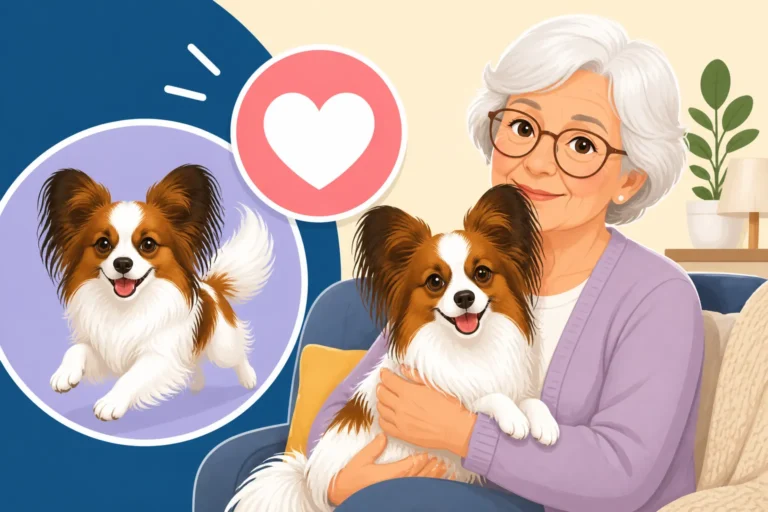
From their earliest days, Papillons were bred to be close companions, meaning sociability and affection are deeply ingrained in their DNA. They thrive on human interaction and form incredibly strong bonds with their families, often preferring to be right by their owner's side, whether curled up on the sofa or following them from room to room. This desire for closeness made them perfect lapdogs for nobility and makes them wonderful family pets today.
Their affectionate nature isn't limited to a single person; while they may have a favorite, most Papillons are generally friendly and outgoing with strangers once properly introduced. They enjoy being part of the family's activities and are quick to offer cuddles and gentle licks. This sociability stems from centuries of living in close quarters with humans, becoming integral members of households rather than working outside.
This profound need for companionship also means that Papillons don't do well when left alone for long periods. They are dogs that crave interaction and mental engagement, and prolonged isolation can lead to boredom, anxiety, and unwanted behaviors. Their historical purpose was to be constant companions, a role they continue to excel at and thoroughly enjoy in modern homes.
Modern Care Informed by a Rich Heritage
Bringing a Papillon into your home today means embracing a legacy that stretches back centuries. While we no longer live in castles or wear powdered wigs, understanding the historical context of their care helps us better cater to their unique needs. From maintaining their iconic coat to ensuring their overall well-being, modern Papillon care benefits immensely from a nod to their heritage.
Preserving the Iconic Coat and Ears
The Papillon’s stunning coat and magnificent butterfly ears are defining features, and caring for them properly is key to their health and beauty. The breed boasts a single, silky coat without an undercoat, which means while they shed, it's generally less than double-coated breeds. However, their long fringes, especially on the ears, chest, and tail, can be prone to tangles and mats if not regularly maintained. This beautiful coat, so admired by painters of old, requires consistent, gentle care.
Daily or every-other-day brushing with a good quality pin brush and metal comb is essential to keep those luxurious fringes free of knots. Pay particular attention to behind the ears, under the elbows, and the "culottes" (the long hair on their hind legs), as these are common matting spots. A spray detangler can be a real lifesaver, especially on those gorgeous ear fringes, preventing breakage and keeping them soft and flowing. You can find excellent grooming tools and detanglers readily available from retailers like Chewy, making at-home grooming much easier.
Bathing typically depends on lifestyle, but generally every few weeks to a month, using a gentle dog shampoo and conditioner, will keep their coat clean and shining. After bathing, it's best to blow-dry their coat on a cool setting, brushing gently to prevent tangles and ensure it dries smoothly. This consistent care ensures your Papillon looks as regal and well-maintained as their royal ancestors, and keeps them comfortable too.
Health and Longevity: Building on a Strong Foundation
The Papillon is generally considered a healthy and long-lived breed, often gracing our lives for 12 to 16 years, and sometimes even longer. This longevity is a testament to the careful breeding that has gone on for centuries, selecting for robust, healthy individuals to be companions. However, like all breeds, they do have some predispositions to certain health issues that owners should be aware of, much like royal families of old might have been concerned about the health of their prized animals.
One of the most common concerns in Papillons is patellar luxation, where the kneecap slips out of place. This is a condition common in many small breeds. Regular veterinary check-ups are crucial, and any skipping or limping should be brought to your vet's attention. Patellar Luxation Is the Papillon Problem You Will Actually Meet offers a deep dive into this condition. Dental disease is also a significant concern due to their small jaws which can crowd their teeth, making them prone to tartar buildup. Daily teeth brushing and professional dental cleanings are often necessary to keep their mouths healthy. Investing in good dental hygiene products, again, easily sourced from Chewy, is a smart move.
Reputable breeders will screen their breeding dogs for known issues, including patellar luxation and certain eye conditions like Progressive Retinal Atrophy (PRA1). Always inquire about these health clearances when choosing a puppy. While no dog is guaranteed to be free of health problems, choosing a puppy from health-tested parents significantly increases the chances of bringing home a healthy companion who will be with you for many happy years. What a Papillon Breeder Should Have Tested is an excellent resource for knowing what to ask.
Nutrition and Exercise: Fueling a Lively Spirit
Despite their small size, Papillons are active and energetic dogs who need appropriate nutrition and regular exercise to thrive. Their high energy levels, a trait that helped them stay engaged and alert in busy court environments, require a diet that supports their lively spirit without leading to weight gain. Choosing a high-quality small breed dog food is essential, providing the right balance of nutrients in kibble pieces small enough for their delicate mouths.
Portion control is critical, as even a few extra ounces can put strain on their small frames and delicate joints. Consult your veterinarian for specific feeding guidelines based on your Papillon's age, activity level, and individual needs. Many Papillons are notoriously good at convincing their owners they are starving, so be firm and consistent! Treats should be given in moderation and factored into their daily calorie intake.
In terms of exercise, Papillons typically need at least 30-60 minutes of activity each day. This can be broken into several short walks, vigorous play sessions in a secure yard, or mental stimulation through training and puzzle toys. They absolutely love to run and chase, and will enjoy exploring the world with you. Remember, a well-exercised Papillon is a happy, well-behaved Papillon. They are not content to be couch potatoes all day; their historical role as active companions means they have a natural zest for life and movement. What a Papillon Needs Every Day provides a great overview of their daily requirements.
The Papillon's Lasting Legacy: A Breed for All Times
From the grand halls of European palaces to bustling modern homes, the Papillon has consistently proven itself to be a captivating and versatile companion. Their history is not just a relic of the past; it informs everything about them today, from their personality to their enduring popularity in various canine endeavors.
The Papillon in Contemporary Culture and Activities
Today's Papillons are far from just dainty lapdogs. Their keen intelligence, agility, and willingness to please make them stellar competitors in a wide array of dog sports. Agility is perhaps where they shine brightest, with their lightning-fast reflexes and boundless energy making them true athletes on the course. You'll often see them zipping through tunnels, clearing jumps, and weaving through poles with an enthusiasm that belies their size. Their presence in these competitive arenas solidifies their image as truly athletic and capable dogs.
Beyond agility, Papillons excel in obedience, rally, and even scent work. They are also increasingly popular as therapy dogs, their gentle demeanor and affectionate nature making them perfect for comforting patients in hospitals and nursing homes. This adaptability to various roles demonstrates their incredible versatility and how much they thrive when given a job to do, no matter how small. They love to be engaged and mentally stimulated, proving that their brains are as beautiful as their looks.
This modern versatility shows just how far the breed has come from its origins as purely ornamental pets. While they still possess all the charm and elegance that captivated royalty, they have proven that they are much more than just pretty faces. They are intelligent, capable, and eager partners, making them wonderful companions for a wide range of lifestyles and interests.
Finding Your Own Piece of Living History
If the rich history and charming personality of the Papillon have captured your heart, bringing one into your life can be an incredibly rewarding experience. When looking for a Papillon puppy, seeking out a responsible and ethical breeder is paramount. A good breeder will be transparent about their practices, happy to answer all your questions, and focused on the health and temperament of their puppies. They will be a wealth of knowledge, offering insights into the breed that only years of experience can provide.
A reputable breeder will also perform health clearances on their breeding stock for common Papillon health concerns, such as patellar luxation and PRA1. They'll also be actively involved in the Papillon community, perhaps showing their dogs in conformation or competing in performance events, demonstrating their dedication to the breed standard and welfare. They may also have puppies from a long lineage of champions, showcasing their historical excellence.
Alternatively, adopting a Papillon from a breed-specific rescue organization is another wonderful option. These organizations often have adult Papillons or Papillon mixes who are looking for their forever homes. Rescue dogs come with their own stories, but with patience and love, they can integrate beautifully into a new family, bringing all the joy and companionship that Papillons are famous for. Whichever path you choose, bringing a Papillon into your life means welcoming a piece of living history, a charming and intelligent companion with a legacy as rich as the most elaborate tapestry.
The Unmistakable Charm of the Modern Papillon
The Papillon, with its butterfly ears and bright, intelligent eyes, continues to enchant those who encounter it. They are dogs with immense personality, combining the regal elegance of their ancestors with a playful, spirited nature that is utterly captivating. They are small in stature but immense in character, leaving a lasting impression on everyone they meet.
Their journey from the quiet companions of queens to dynamic athletes and cherished family members is a testament to their enduring appeal. They are a breed that truly offers the best of both worlds: a rich historical background that speaks to their refined nature, combined with a vibrant, intelligent personality that makes them a joy to live with every single day. They remind us that true beauty lies not just in appearance, but in spirit, loyalty, and a heart full of love.
So, while the story of Marie Antoinette and her Papillon may contain elements of legend, it speaks to a very real truth: the profound and lasting bond between humans and these exquisite little dogs. They carry their history with grace, adapting to the modern world while retaining every bit of the charm and intelligence that first won over the hearts of royalty centuries ago.
| Feature | Historical Papillon (Court Era) | Modern Papillon (Today) |
|---|---|---|
| Primary Role | Status symbol, lap warmer, personal companion for nobility | Family companion, therapy dog, performance athlete, show dog |
| Environment | Palaces, grand estates, often carried | Homes (apartments or houses), travels, active outdoors |
| Appearance Focus | Elegant, delicate, specific ear type (Phalene then Papillon) | Elegant, athletic, healthy structure, classic butterfly ears |
| Key Traits Emphasized | Affection, loyalty, calm demeanor (for court life) | Intelligence, agility, trainability, outgoing, affectionate |
| Care Emphasis | Grooming for beauty, comfort, and warmth | Regular grooming, preventative health care, balanced nutrition |
| Known for | Being painted with royalty, being a "lady's companion" | Excelling in dog sports, being highly trainable, long lifespan |
| Popularity Driver | Association with nobility, aesthetic appeal, portability | Versatility, intelligence, adaptability, spirited personality |
Disclaimer
This article is for general informational purposes only and does not constitute professional advice. Laws, prices and regulations vary by location and change over time. Consult a qualified professional for guidance on your specific situation.