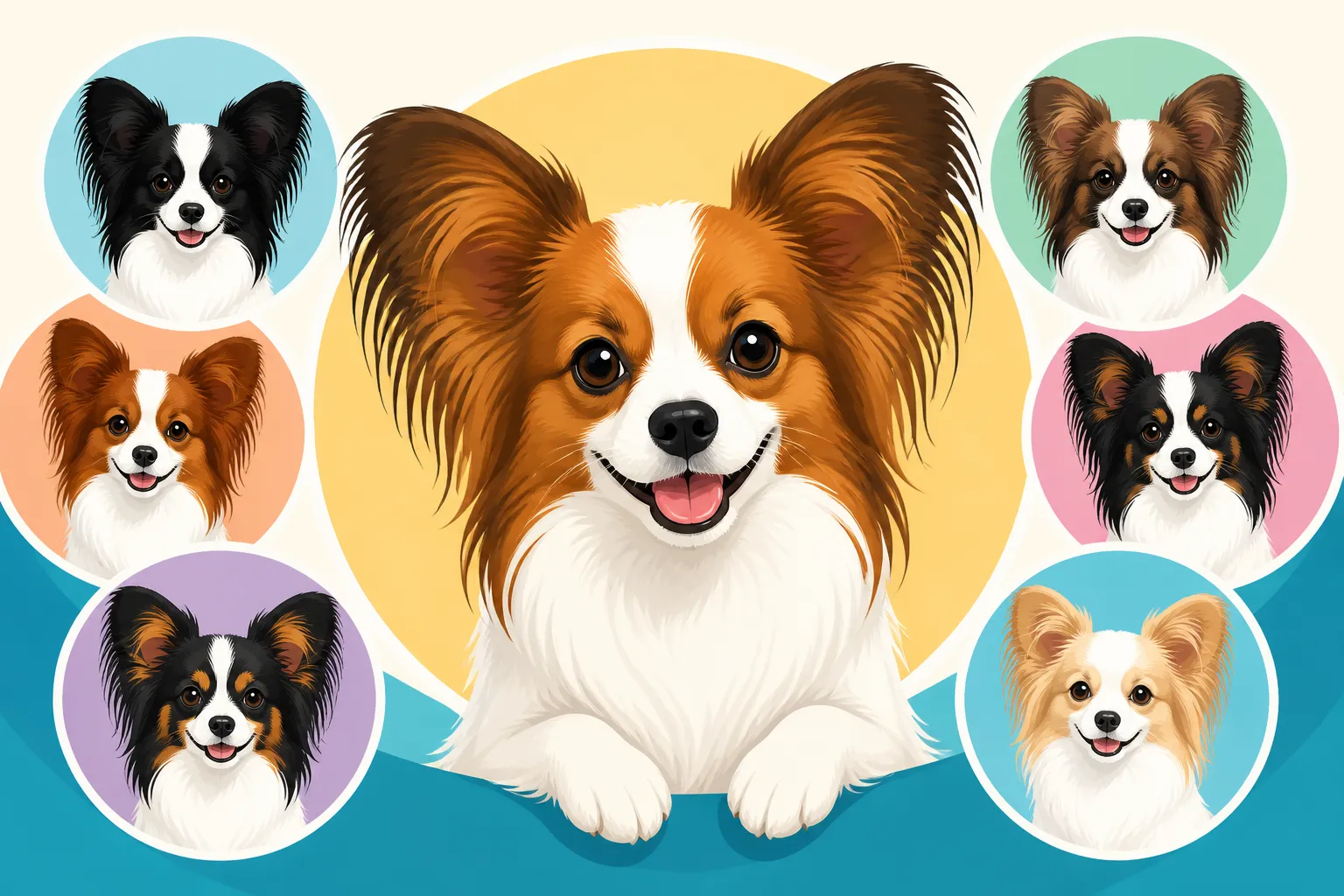
Which Colors a Papillon Comes In
One of the most exciting parts of bringing a new Papillon into your home is anticipating what their personality will be like, but let's be honest, we all spend a little time imagining their look! It can be confusing trying to understand what the "official" colors are for this magnificent breed, especially when you see so many variations or hear about "rare" colors. This guide is here to demystify the beautiful spectrum of Papillon coat colors, explaining what's considered standard, what's not, and why it all matters.
Understanding the Papillon Color Standard
When we talk about Papillon colors, it's not just about what looks pretty to our eyes, but what is recognized by breed clubs and standards around the world. These standards are carefully crafted to define the ideal appearance of the breed, preserving its distinctive traits over generations. For Papillons, the color standard is quite specific, focusing on a bicolored or tricolored coat with a clear emphasis on white.
The Core Colors: What's Officially Accepted
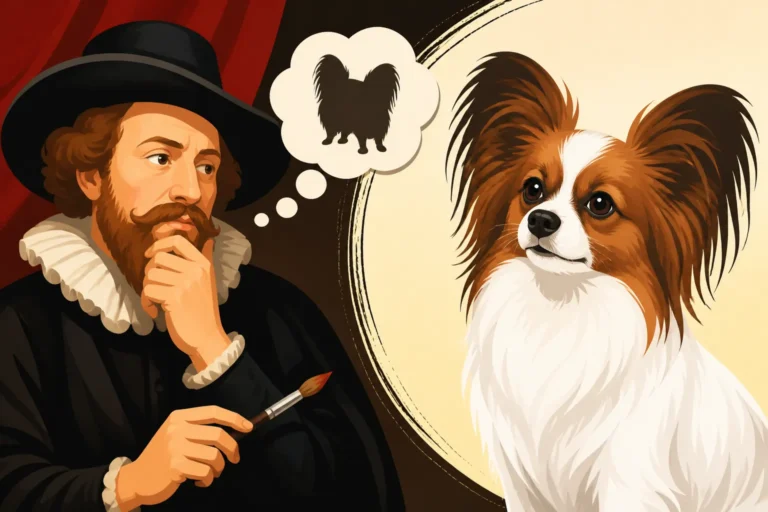
At its heart, a Papillon must always be white combined with another color. This isn't a suggestion; it's a fundamental part of their breed identity. You won't find a solid-colored Papillon recognized in the show ring, nor should you be seeking one out from a reputable breeder. The standard calls for a partis-colored dog, meaning they have patches of color on a white background. These patches usually appear on the ears, around the eyes, and over the body, forming the exquisite patterns that make each Papillon unique. The primary acceptable colors that accompany the white are black, red, sable, and lemon, with tricolor being a combination of black, white, and tan points. Each of these main colors can have its own range of shades, adding to the diversity within the breed, but the presence of white is non-negotiable.
Markings and Patches: The Importance of White
The distribution of white is almost as important as the color itself. A well-marked Papillon will have a white blaze running between its eyes and up its forehead, sometimes connecting to the white on its neck or chest. This blaze is crucial for balancing the facial markings and giving them that iconic butterfly look. Without a blaze, the colored markings on the face might appear heavy or unbroken, losing that delicate, symmetrical quality. The standard also typically requires that color covers both ears, extending over the eyes and face to some degree. It's this precise arrangement of white and color that defines the Papillon's elegant and distinctive appearance, contrasting beautifully with their large, fringed ears that give them their name. The Ear Fringe That Gives the Papillon Its Name is a key part of their charm, and the color on those ears really makes them pop.
Disqualifying Colors and Markings: What's Not Allowed
While there's a lovely array of accepted colors, there are also specific combinations or patterns that are considered disqualifying faults in the breed standard. The most prominent disqualification is any solid color, or a dog that is all white. If a Papillon is entirely black, entirely red, or entirely white, it cannot be shown in conformation. Similarly, the absence of a white blaze on the head or color over both ears can also be disqualifying or considered a serious fault, depending on the specific standard being followed. Breeders who are dedicated to the preservation of the breed will meticulously adhere to these guidelines, carefully selecting breeding pairs to produce puppies that conform to the established standard. This attention to detail ensures the health and integrity of the Papillon lines, preventing the proliferation of traits that deviate from the breed's historical and aesthetic hallmarks.
Exploring the Rainbow of Papillon Shades
Beyond the basic requirement of white and color, Papillons come in a truly delightful spectrum of shades. Each color combination brings its own charm, contributing to the breed's overall appeal. It’s fascinating to see how the genes express themselves, creating unique masterpieces in every litter.
Black and White: A Classic Contrast
Black and white Papillons are often what people picture when they think of the breed. This striking combination offers a sharp contrast, making the white parts appear even brighter and the black areas incredibly rich. The black should be a deep, true black, not faded or brownish. You'll typically see generous black patches on the ears, framing the face, and often a saddle marking over the back. The white is crisp and clean, creating a clear delineation between the two colors. These dogs have a timeless elegance, and their markings can be quite dramatic, highlighting their expressive eyes and delicate features. Sometimes, a black and white Papillon might have a few tan points, moving them into the tricolor category, which we'll discuss next.
Red and White: From Light Sable to Deep Mahogany
Red and white Papillons showcase a warm palette, ranging from a pale, almost creamy red to a rich, deep mahogany. The red is often vibrant, especially in sunlight. One of the common variations within the red spectrum is sable, which means the individual hairs are tipped with black. This creates a beautiful, shaded effect, giving the coat depth and dimension. A true red Papillon, however, will have hairs that are entirely red, without the black tips. These dogs can be incredibly eye-catching, with their fiery coats contrasting against the pristine white. The intensity of the red can sometimes deepen as the dog matures, evolving from a lighter puppy shade to a more profound hue.
Sable and White: The Intricate Beauty of Tipped Hairs
Sable and white Papillons are particularly intriguing because their coats are not just one solid color, but a blend created by black-tipped hairs. Imagine a beautiful red or fawn base coat, where the individual hairs are tipped with black, giving an overall shaded or smoky effect. This isn't just a simple block of color; it's a dynamic appearance that changes with light and movement. The depth of the sable can vary greatly, from a light fawn sable where the black tips are sparse, to a rich mahogany sable with heavy black tipping. It's a color that often fools people into thinking it's something else until they look closely. Many sable Papillons lighten as they age, with the black tipping becoming less prominent, revealing more of the underlying red or fawn. Whether a Papillon's Color Fades With Age is a common question, and sable coats are a good example where this can be observed.
Tricolor: Black, White, and Tan Points
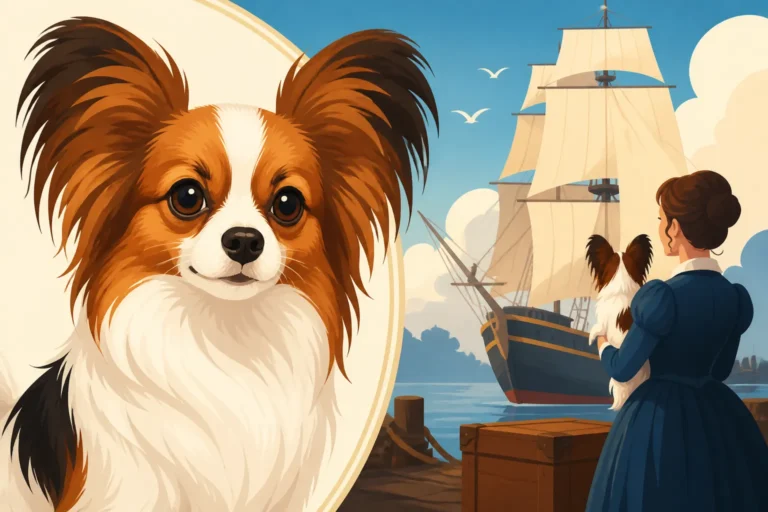
The tricolor Papillon is a showstopper, combining black, white, and distinct tan (or sometimes mahogany) points. These tan markings are typically found on the cheeks, over the eyes (like little eyebrows), and sometimes under the tail. The black should be a true black, with clear white patches, and the tan points should be well-defined, adding another layer of charm to their already beautiful faces. A correctly marked tricolor Papillon is a stunning example of the breed's color diversity. They embody a rich tapestry of shades that complement each other perfectly, creating a sophisticated and vibrant look. Many Papillon enthusiasts specifically seek out tricolors for their striking appearance.
Lemon and White: The Paler, Softer Yellows
Lemon and white Papillons are often a softer, gentler shade in the Papillon palette. The "lemon" color refers to a pale, yellowish-tan hue, almost like dilute red. It's a beautiful, delicate color that can sometimes appear almost cream or fawn. These dogs have a particularly sweet and gentle look, with their light markings creating a subtle contrast with the white. The lemon color should be clear and not muddy, maintaining that fresh, vibrant quality. Like reds, lemon can also have sable variations where the pale yellow hairs are tipped with black, though this is less common than in the richer red sables. Lemon and white Papillons might seem rare to some, but they are a recognized and lovely part of the breed's spectrum.
Other Acceptable Variations
Beyond the main categories, you might encounter other acceptable color variations that fall within the breed standard's broad definition. These can include shades like cream and white, or brown (often referred to as chocolate) and white. Cream is typically a very pale fawn or light red, sometimes almost indistinguishable from a very light lemon. Brown and white Papillons are distinct because their nose pigment will be liver-colored (brown) instead of black, and their eye rims will match. This liver pigment also extends to their paw pads. While not as common as black and white or red and white, these variations are fully recognized as long as they meet the core criteria of being partis-colored with white. It's important to remember that all these colors must be clearly defined and contribute to the elegant overall appearance of the Papillon.
Here’s a quick overview of the main recognized Papillon color combinations:
| Color Combination | Description | Nose Pigment | Eye Rims |
|---|---|---|---|
| Black and White | Crisp black patches on a pure white background. | Black | Black |
| Red and White | Shades from pale fawn to deep mahogany red patches on white. | Black | Black |
| Sable and White | Red/fawn patches with black tipping on individual hairs, creating a shaded effect on a white background. | Black | Black |
| Tricolor | Black and white patches with distinct tan points on cheeks, above eyes, and sometimes under the tail. | Black | Black |
| Lemon and White | Pale, soft yellowish-tan patches on white. | Black | Black |
| Brown (Chocolate) and White | Brown patches on white. Distinguished by liver (brown) pigment in nose, eye rims, and paw pads. | Liver (Brown) | Liver (Brown) |
The Genetics Behind Papillon Coat Colors
Understanding Papillon colors isn't just about what meets the eye; it's also about the fascinating science behind how those colors develop. Genetics play a huge role in determining a puppy's coat, and a responsible breeder will have a good grasp of these principles to ensure healthy and desirable offspring.
Basic Color Genes: Explaining Dominant/Recessive Traits
At a very simplified level, dog coat color is determined by a series of genes, each with different variations (alleles) that are either dominant or recessive. For Papillons, the primary colors like black and red are influenced by specific gene loci. For instance, the 'E' locus determines if a dog can express black pigment in its coat. A dog with two 'e' genes (ee) will be red or lemon, while a dog with at least one dominant 'E' gene (Ee or EE) can express black. Then there's the 'A' locus, which dictates the distribution of pigment, influencing patterns like sable or tricolor. This is why you can have two seemingly black and white Papillons, but if they both carry the recessive red gene, they could produce red and white puppies! Which Gene Causes PRA in a Papillon is an example of a health-related gene, but similar genetic principles apply to coat color.
Understanding the Mask Gene: Why Some Papillons Have Darker Muzzles
Have you ever noticed that some Papillons have a darker muzzle, almost as if they're wearing a little mask? This is often due to the "mask" gene, or 'E^M' allele at the E locus. This gene allows for the expression of black pigment on certain parts of the face, even in dogs that are genetically red or sable. It's a fascinating trait that adds another layer of complexity to their appearance. Not all Papillons will carry this gene, and even if they do, its expression can vary. Some might have a very prominent black mask, while others might just have a hint of darker shading around their nose and lips. It's just one of the many subtle genetic nuances that contribute to the incredible diversity within the breed.
Color Changes Over Time: Puppy Coat vs. Adult Coat Changes
It's common for Papillon puppies to look a little different as they mature. Their coats can undergo significant changes during their first year or two. For example, a red sable puppy might appear very dark and heavily tipped with black as a youngster, but as their adult coat grows in, the black tipping can recede, and the underlying red or fawn becomes more prominent. Similarly, what looks like a very dark black puppy might lighten slightly to a rich, deep black with age. Lemon puppies, too, can sometimes deepen in shade or become more distinct as they transition from their soft puppy fluff to the longer, silkier adult coat. This transformation is part of the joy of watching a Papillon grow and develop. If you're wondering Whether a Papillon Puppy's Markings Change, the answer is often yes, especially with sable and red hues!
Common Misconceptions and Buyer Beware
Navigating the world of Papillon colors can sometimes lead to encountering misinformation or misleading claims, especially when searching for a new puppy. Being informed is your best defense against unscrupulous breeders or simply misunderstandings about the breed standard.
"Rare" or "Exotic" Colors: Why These Claims Are Often Red Flags
One of the biggest red flags you can encounter when looking for a Papillon puppy is a breeder advertising "rare" or "exotic" colors, often at an inflated price. Terms like "all-white Papillon," "solid black Papillon," or even "blue Papillon" should immediately raise suspicion. As discussed, the breed standard explicitly calls for a partis-colored dog – white with color. Solid colors or colors like blue (which is a dilute black) are not recognized and are often indicative of either a mixed breed or irresponsible breeding practices. True, reputable breeders prioritize health, temperament, and adherence to the breed standard. They won't market non-standard colors as "rare" because they understand these colors are outside what is considered acceptable for the breed. Don't fall for marketing gimmicks that try to capitalize on rarity; focus on finding a healthy, well-socialized puppy from a breeder who genuinely cares for the breed's well-being. What a Cheap Papillon Puppy Signals is often related to these kinds of questionable breeding practices.
The Importance of a White Blaze: Standard Requirements
We touched on this earlier, but it bears repeating: the white blaze is a critical component of the Papillon's appearance according to the breed standard. It's not just for aesthetics; it helps to balance the facial markings and gives the dog that classic butterfly look. A Papillon without a blaze, or with insufficient white on the head, would be considered a serious fault in the show ring. While this might not matter to everyone looking for a companion dog, it's a testament to the breeder's dedication to the standard if they consistently produce puppies with correct blazes and head markings. A good breeder will understand these nuances and openly discuss them with potential buyers.
Asymmetry in Markings: Is It a Fault?
Another aspect of markings is symmetry. While perfect symmetry is rare in nature, the breed standard generally prefers that the colored patches on a Papillon's face be as balanced as possible, especially around the eyes. Significant asymmetry, such as color on one ear but not the other, or a patch on one side of the face but not the corresponding side, can be considered a fault. However, slight variations are usually acceptable and often give each dog its unique character. It's less about robotic perfection and more about an overall pleasing and balanced appearance. Reputable breeders strive for this balance, but they also understand that nature isn't always perfectly symmetrical.
Solid Colors: Why They Aren't Standard
To reiterate, a Papillon is, by definition, a partis-colored dog. This means they must have white along with another color. A solid-colored Papillon—whether all black, all red, or any single hue without white—is not considered a true Papillon according to the breed standard. If you encounter a breeder offering solid-colored Papillons, it's a strong indication that they are not breeding responsibly or perhaps not even breeding purebred Papillons. The distinct white markings and the elegant "butterfly" ear fringe are integral to the breed's identity, history, and name. Any deviation from this is a significant departure from what a Papillon is meant to be. If you're serious about finding a well-bred Papillon, you'll want to ensure you're working with breeders who understand and adhere to these core principles. For those looking for a healthy companion, finding a breeder who performs health tests, such as those for Patellar Luxation Is the Papillon Problem You Will Actually Meet, is far more important than seeking out a "rare" color.
Caring for a Papillon's Beautiful Coat (and Color)
A Papillon's coat isn't just about color; it's also about its texture, length, and overall health. A healthy coat displays its color to its best advantage, shining with natural vibrancy. Proper care can make a huge difference in how striking your Papillon's colors appear.
Brushing for Shine: How Grooming Impacts Color Vibrancy
The Papillon is famous for its long, silky coat that, despite its appearance, is surprisingly easy to maintain. A Papillon's Coat Is All Fringe and No Undercoat means less matting and shedding than you might expect. Regular brushing, ideally a few times a week, is essential not just for preventing tangles but also for distributing natural oils. These oils are what give the coat its healthy sheen and allow its colors to truly pop. A dull, neglected coat can make even the most vibrant black look flat or a rich red appear muted. Brushing stimulates blood flow to the skin, promoting healthy hair growth and ensuring your Papillon's colors remain bright and beautiful. A good pin brush and a metal comb are your best friends in maintaining their fabulous fringes and body coat. You can find quality brushes and combs at pet supply stores like Chewy.
Sun Exposure and Fading: Protecting Their Vibrant Hues
Just like human hair, a Papillon's coat can be affected by sun exposure. Prolonged time in direct sunlight can cause some colors, particularly black and red, to lighten or fade over time. A rich black might develop a reddish cast, and vibrant reds could become paler. While a certain amount of sun is good for them, especially for their Vitamin D, it's wise to limit excessive, direct sun exposure during peak hours, especially if you want to preserve the intensity of their coat colors. If your Papillon spends a lot of time outdoors, consider providing shaded areas or even a light, breathable shirt during the sunniest parts of the day.
Nutrition for a Healthy Coat: What Food Contributes to Good Color
What your Papillon eats directly impacts the health and appearance of their coat, including the richness and depth of their colors. A high-quality diet, rich in essential fatty acids like Omega-3 and Omega-6, is crucial for a lustrous, healthy coat. These fatty acids contribute to skin health and hair follicle function, leading to stronger, shinier hair. Look for dog foods that list quality protein sources as the first ingredients and contain beneficial fats. Supplements like fish oil can also be beneficial, but always consult your veterinarian before adding anything new to your dog's diet. A well-nourished Papillon will have a vibrant, healthy coat that truly shows off its beautiful, distinctive coloring. Many premium dog food brands available on Chewy offer formulas specifically designed to support skin and coat health. Knowing What a Papillon Eats in a Month is also important for budgeting for quality food.
Remember, while color is certainly part of a Papillon's appeal, their delightful personality, intelligence, and overall health are truly what make them such wonderful companions. A healthy, happy Papillon, regardless of their specific shade, is a joy to behold.
Disclaimer
This article is for general informational purposes only and does not constitute professional advice. Laws, prices and regulations vary by location and change over time. Consult a qualified professional for guidance on your specific situation.