Papillon or Chihuahua for a Family
Choosing between a Papillon and a Chihuahua for a family is not just a question of which dog is smaller or cuter. The bigger issue is how each dog handles children, noise, training, and everyday handling. Both can be affectionate companions, but their needs and sensitivities differ. This guide explains what family life with each breed can look like and how to choose thoughtfully.
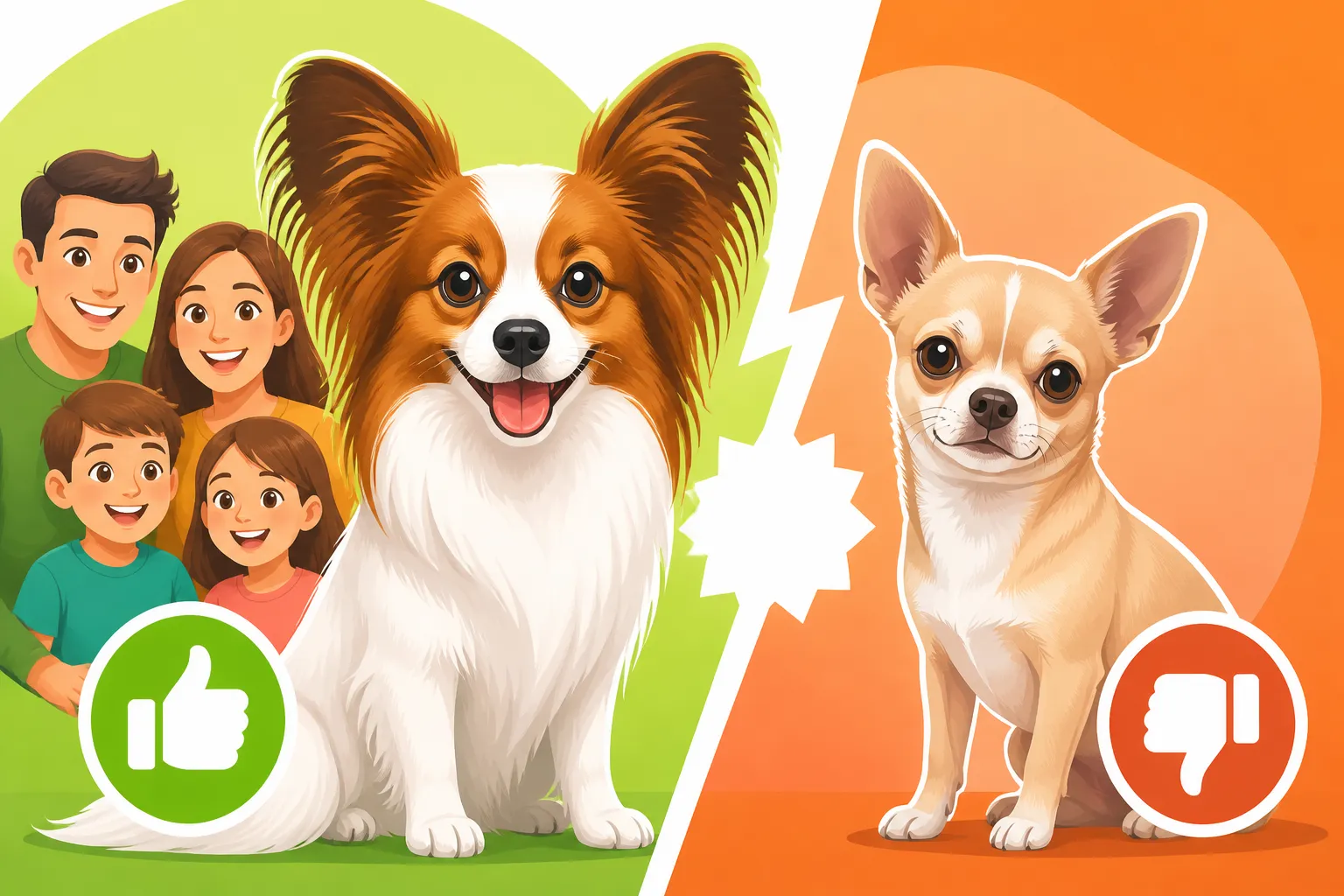
Papillon vs Chihuahua for family life
Neither breed is automatically a better family dog. A Papillon or Chihuahua can thrive in a kind, predictable home, but an individual dog’s temperament, early socialization, health, and previous experiences matter more than breed generalizations. A home with calm older children may suit either breed; a busy home with very young children requires more management.
| Family consideration | Papillon | Chihuahua |
|---|---|---|
| Typical build | Small and fine-boned | Very small, with size and build varying |
| Activity | Often energetic and keen to learn | Often lively, though exercise needs vary |
| Training | Usually responsive to reward-based training | Can learn well, but may need patient, consistent practice |
| Handling | Needs gentle, careful handling | Needs gentle, careful handling, especially around young children |
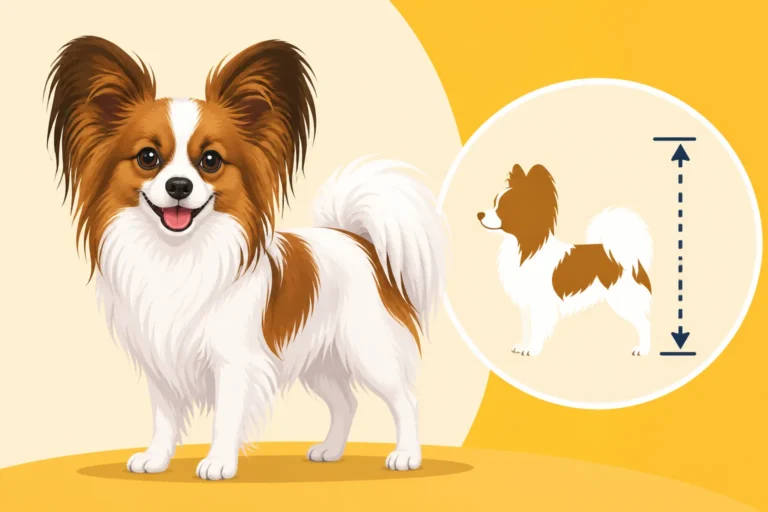
| Coat care | Long, silky coat with feathering; regular brushing helps | Smooth or long coat; grooming needs depend on coat type |
| Family fit | Often a good match for families who enjoy training and activity | Can suit attentive families who respect the dog’s space |
For a broader picture of the breed’s family fit, see Whether a Papillon Suits a Family. To compare the Chihuahua’s size and sturdy-looking build with the Papillon’s, it also helps to read How a Papillon Differs From a Chihuahua.
Children and small dogs need adult supervision
Small dogs can be injured by falls, rough play, or an accidental step. This is why “the dog is small enough for a child to carry” should not be treated as a benefit. Children should be taught to let the dog approach, pet gently, and leave the dog alone when it is eating, sleeping, hiding, or trying to move away. Adults need to supervise every interaction, especially with toddlers and preschoolers.
A Papillon’s lively, alert nature may appeal to a family that wants a dog to join in games and training. But energetic play still needs boundaries: chasing, grabbing, and picking the dog up can frighten or hurt it. Chihuahuas may also be playful and affectionate, but some are uncomfortable with sudden movement or handling. A dog that growls or snaps is communicating distress; punishing that warning can make the situation less safe rather than resolving the underlying discomfort.
The individual dog matters more than a breed label
Breed tendencies offer clues, not guarantees. One Papillon may be outgoing with visitors while another needs time to warm up. One Chihuahua may happily play with older children, while another prefers a quiet adult household. Look for a dog that can recover after ordinary household surprises, accept gentle handling, and settle comfortably rather than selecting based only on appearance or a promise that a breed is “great with kids.”
When meeting a dog, observe how it responds when family members sit quietly, speak softly, and give it room. Ask the breeder, rescue, or current caregiver about the dog’s history with children, handling, and everyday household sounds. For a deeper look at the Papillon’s behavior with children, read How a Papillon Behaves With Children. If toddlers are part of the household, Whether a Papillon Is Safe With Toddlers is especially relevant.
Temperament, training, and everyday activity
Papillons are often bright, curious dogs that enjoy learning. Their small size does not mean they are content with no activity: many benefit from walks, play, training, and opportunities to use their minds. Chihuahuas can also be lively and intelligent, but their exercise and enrichment needs vary from dog to dog. Neither breed should be expected to entertain itself all day without interaction.
A family’s routine matters. A household that enjoys short training sessions and regular walks may find a Papillon a natural fit. A quieter household can also suit a Papillon, provided the dog gets companionship and appropriate activity. A Chihuahua may enjoy the same kinds of attention, but its comfort with guests, children, and handling should be considered individually rather than assumed.
Training works best when the whole family is consistent
Use reward-based training and agree on a few household rules before the dog arrives. For example, decide whether the dog is allowed on the sofa, who handles meals, and what children should do when the dog walks away. If one person encourages jumping up while another scolds it, the dog gets confusing information. Short, upbeat practice sessions are easier to fit into family life than long drills.
Start with practical skills: coming when called indoors, settling on a mat, walking calmly on a harness, and being comfortable with gentle grooming and veterinary handling. Children can participate by tossing a treat for a simple cue, with an adult supervising. Avoid asking a child to manage the dog alone, especially around other dogs or in busy public places. For training ideas suited to this quick-learning breed, see The Papillon Is the Smartest Toy Breed There Is.
Exercise should be safe and appropriately paced
Both dogs need regular opportunities to move, sniff, play, and explore. The right routine depends on age, health, temperament, and weather. A walk around the neighborhood followed by a few minutes of training or food-search games can be more satisfying than a long, hectic outing. Watch for signs that the dog is tired or overwhelmed, and give it a quiet place to rest.
Because these are small dogs, take care around larger dogs and crowded play areas. A friendly big dog can still knock over or injure a toy-sized companion during play. Choose controlled interactions, keep the dog on a secure harness and leash when appropriate, and do not assume a dog park is automatically safe. Papillons may enjoy dog sports, but exercise choices should account for their knees and overall condition. Learn more in Whether a Papillon's Knees Limit Agility.
Grooming, health, and handling differences
Grooming is one of the practical differences families notice. The Papillon has a long, silky coat with feathering on areas such as the ears and tail. It needs regular brushing to prevent tangles, particularly where friction or debris can cause knots. A Chihuahua may have a smooth or long coat, so grooming needs differ by coat type. Neither breed should be chosen on the assumption that “small dog” means “no grooming.”
Health needs also deserve a realistic conversation. Both breeds can have individual medical issues, and a small dog’s size can make careful handling especially important. Ask about the dog’s veterinary history and any recommended health screening. A reputable breeder should be willing to explain health testing and the results relevant to the dog’s family line. For Papillons, What a Papillon Breeder Should Have Tested provides a useful starting point.
Make grooming and care part of the family routine
If the Papillon’s coat is a concern, build brushing into the week rather than waiting until a mat forms. Keep sessions gentle and brief at first, offering praise and breaks so the dog learns that grooming is ordinary. Check behind the ears, the chest, and the feathering around the legs and tail. Families can involve older children in simple care with an adult present, but an adult should remain responsible for preventing painful pulling or missed tangles.
For a smooth-coated Chihuahua, grooming may be simpler, but nail care, dental care, and routine checks still matter. A long-coated Chihuahua needs brushing too, although coat texture and length vary. When choosing a brush, comb, harness, or travel carrier, measure the dog instead of guessing based on breed. Chewy can be one place to compare basic supplies, but fit and the dog’s comfort matter more than where an item is purchased. For Papillon coat routines, see How Often a Papillon Needs Brushing.
Protect small dogs from preventable accidents
Set up the home with the dog’s size in mind. A small dog can be hard to see underfoot, so teach children to look before sitting on a blanket or moving a pile of laundry. Use gates when needed, create a quiet retreat the dog can access without being followed, and keep food, medication, and small objects out of reach. If furniture is high, consider safe steps or lifting the dog carefully rather than encouraging repeated leaps.
A properly fitted harness can be useful for walks, but it should not be treated as permission to let a small dog pull or lunge. Introduce new equipment gradually and check that it does not rub under the legs or restrict movement. Chewy may help families compare harness styles and sizes, but follow the maker’s fit guidance and adjust the harness to the dog’s actual measurements. For a Papillon-specific discussion of walking equipment, read Whether a Papillon Should Wear a Harness Instead of a Collar.
How to choose the right dog for your household
Start with your family’s real routine, not the idealized version. Think about how much time an adult can spend on walks, training, grooming, and supervision. Consider whether children can follow rules consistently, whether the dog will be alone for long stretches, and whether the household has a calm place where the dog can rest. A good match is one whose needs fit the life you can reliably provide.
If you are considering a puppy, ask about temperament, socialization, health history, and what the breeder does to prepare puppies for household life. If you are considering an adult dog, ask how it behaves around children, visitors, handling, other pets, and ordinary household noises. A rescue dog’s current behavior may change as it settles in, so ask what support is available and introduce children gradually.
Questions to ask before bringing a dog home
Ask the breeder, rescue, or current caregiver:
- Has the dog lived with children, and what did those interactions look like?
- How does the dog respond to being brushed, picked up, or handled?
- What situations make the dog nervous or uncomfortable?
- How does the dog behave around unfamiliar adults and other dogs?
- What health checks or veterinary care has the dog received?
- What routine does the dog already follow for meals, toilet breaks, sleep, and exercise?
- What support is available if the dog needs time to adjust?
Listen for specific examples rather than broad assurances. “She has been around children” does not tell you whether she enjoys their company, keeps her distance, or has only seen older children briefly. A responsible source should be willing to discuss both strengths and limitations.
Make the decision around safety and fit
A Papillon may suit a family looking for a lively, trainable companion and willing to keep up with coat care and daily enrichment. A Chihuahua may suit a family that can offer close companionship, gentle handling, and a calm approach to socialization. Either breed can be a loving family dog, and either can struggle in a home where children are allowed to chase, squeeze, or carry it without supervision.
If your children are very young, consider whether your household can maintain careful separation and active adult supervision every day. If they are older and ready to follow clear rules, they can help with suitable tasks such as preparing a puzzle toy or practicing a simple cue under adult guidance. When researching Papillons, What Papillon Owners Wish They Had Known can help you think beyond the first impression. Chewy and other retailers may make it convenient to find everyday supplies, but the most important preparation is a shared family plan for safe handling, training, and care.
Disclaimer
This article is for general informational purposes only and does not constitute professional advice. Laws, prices and regulations vary by location and change over time. Consult a qualified professional for guidance on your specific situation.