Whether a Solid Colored Papillon Is Standard
It can be incredibly confusing when you're researching a particular dog breed, pouring over photos, and seeing all sorts of beautiful variations, only to stumble upon discussions about "breed standards" and what's considered "correct." For many prospective Papillon owners, the question of whether a solid-colored Papillon is standard often arises because while the breed is famous for its striking butterfly ears and expressive faces, the intricate markings sometimes leave people wondering about plainer coats. This guide is here to unravel the truth about Papillon colors and the breed standard, helping you understand what to expect and what makes these charming little dogs so unique.
Understanding the Papillon Breed Standard
When we talk about a "breed standard," we're essentially referring to a blueprint established by a breed's parent club (like the Papillon Club of America here in the US) that describes the ideal characteristics of a dog in that breed. This covers everything from temperament and movement to size, coat type, and, yes, color. These standards are not just arbitrary rules; they're meant to preserve the breed's distinct features, health, and functionality over generations. For Papillons, the standard helps maintain their elegant, spirited nature and their iconic appearance.
The Role of Color in Breed Standards
Color, within a breed standard, isn't just about aesthetics; it can sometimes be linked to genetics that influence health, coat texture, or even temperament. For many breeds, specific colors or patterns are either explicitly required, allowed, or strictly forbidden. These stipulations often stem from the breed's history, its original purpose, or a desire to avoid genetic issues associated with certain color genes. Think of it like a recipe: certain ingredients are essential for the final dish to be truly authentic and delicious.
For the Papillon, the color requirements are quite specific and directly contribute to their signature look. The breed's historical development played a huge role in shaping these preferences. While all Papillons are undeniably charming, understanding the standard helps potential owners appreciate the heritage and specific qualities that breeders strive to maintain. It’s also good to know what to expect if you ever consider showing your dog.
Defining "Solid Color" in Papillons
When people imagine a "solid-colored" dog, they typically think of a coat that is entirely one hue—all black, all brown, all white, with no other markings or patches. In the world of Papillons, this idea of a truly solid color is where things get a bit tricky and diverge from what the breed standard dictates. The official breed standard for the Papillon calls for a parti-color dog, meaning it must have patches of color on a white background. It's not just "preferred"; it's a fundamental characteristic of the breed.
Therefore, a Papillon that is truly solid, meaning without any white, is not considered standard. You won't find an all-black Papillon or an all-red Papillon winning top honors in the conformation ring. The breed's heritage is deeply rooted in its striking color patterns, which contribute to its "butterfly" appearance. Even if a Papillon appears to have a lot of color, if there isn't at least some white, it deviates from the established norm. This isn't to say a dog without white isn't a loving companion, but it's important to understand the distinctions regarding the breed standard itself.
The Papillon's Traditional Coat Colors and Markings
The Papillon’s elegance truly shines in its traditional coat, which is a kaleidoscope of white mixed with vibrant patches of color. This distinct patterning is not only beautiful but also central to the breed's identity, giving it that delicate, butterfly-like allure that earned it its name. The way these colors are laid out, especially on the head, is what really makes a Papillon stand out in a crowd.
The Butterfly Markings
The very name "Papillon" means "butterfly" in French, and it's derived directly from the breed's signature ears, which are large, erect, and fringed with long hair, resembling the outstretched wings of a butterfly. This "butterfly" effect isn't just about the shape and feathering of the ears, but also how the color is distributed around them. A classic Papillon will have symmetrical colored patches covering both ears and extending over the eyes, often with a white blaze running up the center of the forehead between the eyes. This white blaze acts like the body of the butterfly, connecting the two "wings" of color.
These markings are considered essential to the breed's aesthetic and historical look. Without this specific pattern, a dog might lose some of that iconic butterfly charm. The standard emphasizes clarity of color and crispness of markings, which means sharp distinctions between the white and the colored patches. This isn't just a random preference; it’s about maintaining the visual appeal that has been celebrated for centuries. You might wonder about Whether a Papillon Must Have a White Blaze – and indeed, it’s a hallmark feature.
Accepted Color Combinations
While white is always the foundational color, the patches themselves can come in a delightful array of shades. The most common and accepted color combinations for Papillons include:
- White and Black: A striking contrast, often seen with deep black patches.
- White and Sable: Sable refers to black-tipped hairs on a red or fawn background, creating a rich, shaded effect.
- White and Red: Ranging from a light, clear red to a deep chestnut.
- White and Lemon: A very pale yellow or cream color.
- White and Liver: A brown coloration, though often less common and sometimes associated with disqualifying traits if the nose and eye rims are also liver.
- Tricolor: This means white, black, and tan markings. The tan points usually appear over the eyes, on the cheeks, and under the tail, adding another layer of depth to the pattern. Whether a Tricolor Papillon Is Preferred is a question many ask, and it is a very popular and accepted color.
Regardless of the specific color of the patches, the consistent requirement across all accepted variations is the presence of white, with colored patches. The standard allows for a lot of beautiful variation within these parameters, ensuring that while each Papillon is unique, they all share that unmistakable "butterfly" essence. You can learn more about Every Color a Papillon Is Allowed to Be to see the full spectrum.
Why "Solid White" or "Solid Black" Papillons Are Not Standard
It might seem counterintuitive, especially given how popular solid-colored dogs are in many other breeds, but for Papillons, a completely solid coat is a departure from the breed's established standard. This isn't just a whimsical preference; it's rooted in a combination of genetic considerations and the breed's rich history. The Papillon's identity is intrinsically tied to its parti-color coat, and any deviation from this, particularly the absence of white, shifts the dog's appearance away from the classic "butterfly" look.
Health and Genetic Considerations
Sometimes, extreme color variations in dog breeds can be linked to specific genetic mutations that might also carry health implications. While an all-white Papillon isn't necessarily unhealthy, the gene responsible for a truly solid white coat (without any underlying color patches) can sometimes be associated with deafness or other issues in certain breeds. For the Papillon, the standard has always called for a white background with color, suggesting that historically, dogs without these markings were not typically part of the breeding program that shaped the modern Papillon.
Similarly, a truly solid black Papillon, one without any white, would also be non-standard. The genes that create the parti-color pattern are dominant or at least highly favored in the breed's genetic makeup. Breeders who prioritize the breed standard consciously select for these characteristics. Deviating too far from the standard can sometimes dilute desired traits or inadvertently introduce undesirable ones. It's about maintaining the integrity of the breed's genetic pool as defined by centuries of careful selection. While there may be individual dogs that are mostly one color, a true solid is outside the norm.
Historical Breed Development
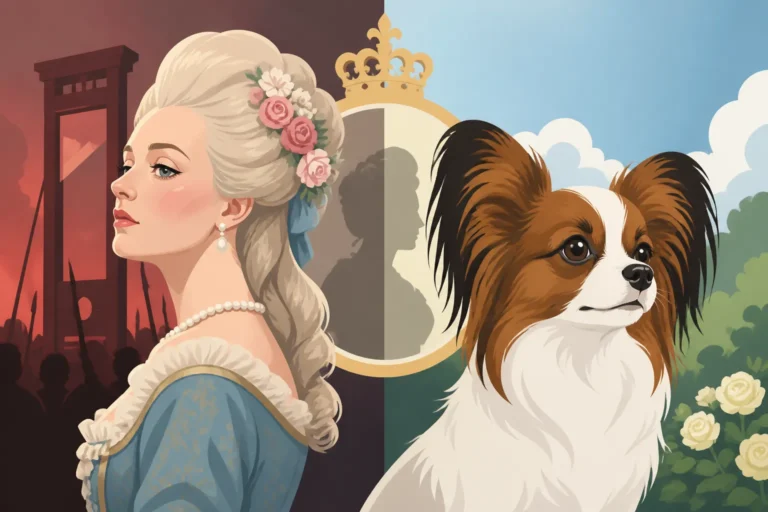
The Papillon, or Continental Toy Spaniel as its ancestors were known, has a long and storied history, with its likeness appearing in European art for hundreds of years. From the Titian Spaniels of the Renaissance to the small companion dogs of French royalty, these dogs were almost universally depicted as small, elegant spaniels with distinct color patches on a white background. This visual history is a powerful testament to what the breed has traditionally looked like. You can see how the breed evolved and what its ancestors looked like in Why the Papillon Was Once a Solid Colored Dog.
The shift from the drop-eared Phalene (French for "moth") to the erect-eared Papillon simply changed the ear carriage, not the coat pattern. The characteristic white coat with patches of color has remained a constant throughout this evolution. Breeders aimed to preserve the dainty yet vivacious companion dog with its delicate, yet clear, markings. An all-white or all-black dog would have looked very different from the dogs that graced the laps of noblewomen and artists' canvases. This historical preference is deeply ingrained in the breed's identity and is reflected in the modern breed standard. The visual identity of the Papillon, down to its exquisite markings, is a legacy that breeders work tirelessly to uphold.
The Difference Between Breed Standard and Personal Preference
It’s completely understandable to admire a Papillon's appearance and then, through research, discover the strictures of a breed standard. For many of us, our dogs are beloved family members first and foremost, not show ring contenders. This creates a natural divide between what is considered "standard" for breeding and showing, and what makes a wonderful, cherished pet. Understanding this distinction is key to navigating the world of dog ownership.
Companion Papillons vs. Show Papillons
The breed standard serves as the ideal blueprint for dogs intended for conformation shows. These competitions evaluate how closely a dog conforms to its breed’s written standard, often down to minute details of ear set, tail carriage, and, of course, color and markings. A solid-colored Papillon, or one with a non-standard color like solid liver with liver points, would be disqualified in the show ring because it does not meet these criteria. What a Papillon Judge Puts a Hand On First is often the dog's structure and coat, among other things.
However, the vast majority of Papillons bred each year are destined to be cherished companions, not show champions. For a companion dog, color is purely a matter of personal taste. Whether a Papillon has a perfectly symmetrical blaze, ears that are exactly the right size, or a tail that curves just so over its back, has absolutely no bearing on its ability to be a loving, intelligent, and healthy family member. Many breeders will have puppies in a litter that are perfectly healthy and have wonderful temperaments but might have a small marking flaw that makes them unsuitable for the show ring, but perfect for a pet home. These puppies are often available to families looking for a companion.
Finding a Papillon with Non-Standard Colors
If your heart is set on a Papillon but you find yourself drawn to a color pattern that might not be standard (perhaps one with minimal white, or an unusual combination of colors), you certainly aren't out of luck. These dogs can absolutely make wonderful pets. The key is to source your puppy responsibly.
While a reputable breeder who focuses on show lines will primarily produce standard-colored Papillons, sometimes a litter might surprise them with a puppy that has less white than desired, or a patch in an unexpected place. These puppies will often be placed in pet homes on spay/neuter contracts, as they wouldn't be suitable for breeding or showing. You might also find a Papillon with non-standard colors through breed-specific rescues, where dogs are rehomed for various reasons. When looking at puppies from a breeder, always ask about health testing first, then discuss color. Reputable breeders are transparent about why certain puppies might not be show quality but are still fantastic pets. For general pet supplies for any Papillon, regardless of color, sites like Chewy offer a wide selection of essentials.
The Importance of Health and Temperament Over Color
It's easy to get caught up in the visual appeal of a dog, especially a breed as stunning as the Papillon. The unique ear fringe, the elegant plume, the delicate frame – it all draws you in. But when it comes to bringing a dog into your home, the most critical factors by far are its health and its temperament. A dog that is healthy and has a stable, loving personality will bring joy for many years, regardless of whether its coat perfectly matches a breed standard.
Prioritizing Health Testing
A responsible Papillon breeder will prioritize the health of their dogs above all else. This means performing specific health tests on the parent dogs to screen for genetic conditions that are known to occur in the breed. For Papillons, this includes conditions like Progressive Retinal Atrophy (PRA1), which can lead to blindness, and patellar luxation, a common knee issue in small breeds. A good breeder will be transparent about their health testing results and readily share them with prospective puppy buyers. Don't be shy about asking Which Health Tests a Papillon Breeder Should Run.
A puppy's color, whether standard or not, has no bearing on its genetic predisposition to these health issues. A solid-colored Papillon from parents who haven't been health-tested is a far greater risk than a beautifully marked, standard-colored Papillon from health-tested parents. Always inquire about the health clearances of the sire and dam before you even start discussing coat color or markings. A healthy dog ensures fewer heartaches and costly vet bills down the line. You want a dog that will be with you for How Long a Papillon Lives, and health is key to that longevity. Products for senior dog health can be found on Chewy as your Papillon ages, regardless of its original puppy coat.
Temperament and Lifestyle Fit
Beyond health, a dog's temperament is paramount. The Papillon is known for being intelligent, lively, affectionate, and incredibly trainable. They are often described as big dogs in small bodies, full of zest and curiosity. A well-bred Papillon, regardless of its specific markings, should exhibit these core breed characteristics. It should be friendly, confident, and eager to engage with its family.
When choosing a puppy, observe its personality. Is it outgoing or shy? Playful or reserved? A good breeder will socialize their puppies extensively, helping them develop into well-adjusted individuals. Discuss your lifestyle with the breeder—do you live in an apartment? Do you have children? Are you looking for an agility partner or a lap companion? The right temperament fit is crucial for a harmonious household, far more so than whether the dog's ears have perfectly symmetrical color patches. For all your dog's needs, from training tools to comfy beds, Chewy offers a vast array of choices, making it easier to provide for your new family member no matter their color. A Papillon needs to fit into your life, and its personality is the biggest factor in that.
| Feature | Standard Papillon | Non-Standard (e.g., Solid Color) |
|---|---|---|
| Coat Pattern | Parti-color (white with color patches) | Predominantly one color (no white) |
| White Markings | Required, especially a facial blaze | Absent or minimal |
| Ear Markings | Symmetrical color over ears | May vary, could be solid color |
| Show Eligibility | Eligible for conformation shows | Not eligible for conformation shows |
| Pet Quality | Excellent companion | Excellent companion |
| Temperament | Typically intelligent, lively, affectionate | Same breed temperament expected |
| Health Risks | Specific breed health tests apply | Same breed health tests apply |
Disclaimer
This article is for general informational purposes only and does not constitute professional advice. Laws, prices and regulations vary by location and change over time. Consult a qualified professional for guidance on your specific situation.