Whether a Papillon Must Have a White Blaze
It's completely understandable to feel a little lost when you're trying to figure out the nuances of Papillon markings. You see all these gorgeous butterflies with their expressive faces, and then you start hearing about "blazes" and "symmetry," and it can get quite confusing, especially if you're looking for a puppy that fits a particular vision in your head. This guide is here to untangle the breed standard requirements and common variations, so you can fully appreciate the incredible diversity of markings in these delightful little dogs and understand what's truly considered essential, and what's just a matter of preference.
Understanding Papillon Markings: Beyond the Blaze
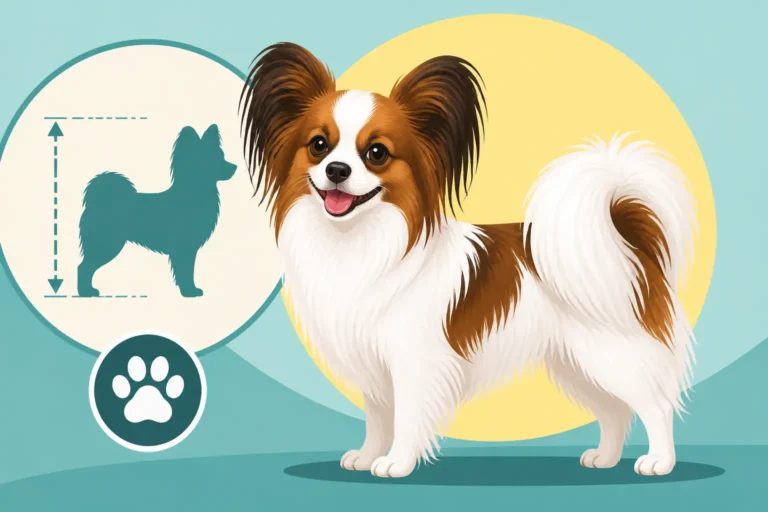
When most people think of a Papillon, their mind immediately conjures up those magnificent butterfly ears. But there's so much more to their distinctive appearance than just the ear fringe, particularly when it comes to their facial and body markings. These patterns aren't just pretty; they're an integral part of what makes each Papillon unique and contributes to the overall "butterfly" expression the breed is famous for. It’s not just about a white blaze; it's about the entire canvas.
The Importance of Facial Symmetry
One of the most defining characteristics of a well-marked Papillon, especially when considering a show dog, is the symmetry of its facial markings. The ideal look is for the color to cover both ears and extend over both eyes, giving the dog a balanced, intelligent, and alert expression. Think of it like a perfectly drawn mask. This symmetrical coloring helps emphasize the expressive dark eyes and the elegant "butterfly" shape of the ears.
An uneven mask, or a blaze that's off-center, isn't necessarily a fault for a beloved pet, but in the show ring, judges will certainly notice. It can subtly alter the dog's expression, making one eye seem more prominent or giving the face an unbalanced look. While perfectly symmetrical markings are highly prized, it's worth remembering that these are living, breathing creatures, and slight variations are part of their charm and individuality.
The Butterfly Ear Markings
The Papillon's name, meaning "butterfly" in French, comes directly from its large, erect ears with their flowing fringes of hair, which truly resemble an open butterfly's wings. For these ears to truly embody that butterfly look, the coloring is key. Ideally, the ears themselves should be covered in color, with a contrasting white blaze or strip running between them and down the forehead. This division enhances the "winged" effect.
Imagine a stunning black and white Papillon: the black covers each ear like a velvet cap, and then a clean, crisp white line travels down its forehead. This clear distinction is what creates that iconic butterfly silhouette. Some Papillons might have less distinct ear coloring, or the color might not fully cover the entire ear, but the goal is always to highlight that distinctive ear set. You can learn more about The Ear Fringe That Gives the Papillon Its Name.
Body Markings and Saddle Patches
Beyond the face, Papillons also boast a variety of body markings, ranging from solid patches of color to more intricate "saddle" patterns. While the facial markings are often the first thing people notice, the distribution of color on the body completes the picture. Many Papillons will have large patches of color over their back, often referred to as a saddle, which can be striking against their white base coat.
Sometimes, the colored patches on the body might be smaller, or they could form more abstract patterns. These body markings, coupled with the elegant The Plume, the Culottes and a Papillon's Chest Frill, contribute to the overall visual appeal of the breed. For pet owners, these variations are simply aesthetic choices, but for those interested in showing, the placement and clarity of body markings are another factor for judges to consider in the ring.
The Breed Standard: What It Says About the Blaze
When we talk about whether a Papillon must have a white blaze, we're diving straight into the heart of the breed standard. This isn't just a random set of rules; it's a carefully crafted description of the ideal Papillon, designed to preserve the health, temperament, and distinctive appearance of the breed. Understanding the standard helps us appreciate why certain markings are preferred.
AKC and International Standards on Markings
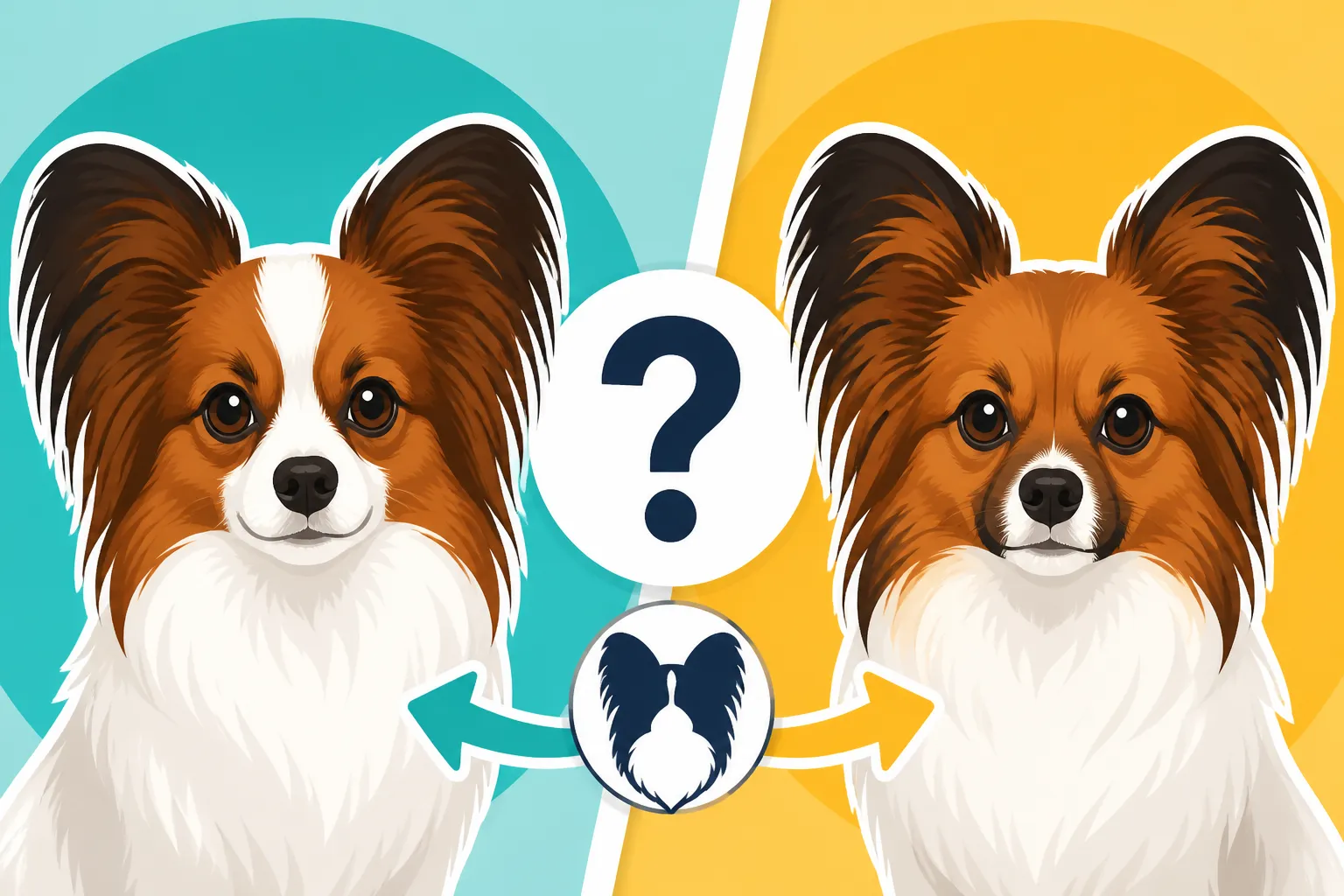
Different kennel clubs around the world, like the American Kennel Club (AKC) or the Fédération Cynologique Internationale (FCI), have their own slightly nuanced breed standards for the Papillon. However, they generally agree on the importance of the white blaze. The standard typically calls for a white blaze, or a narrow white strip, to run between the eyes and up the forehead, dividing the colored mask. This blaze should be clearly defined and, ideally, symmetrical.
The primary reason for this preference isn't just aesthetics; it's part of what defines the "butterfly" face. Without the blaze, a Papillon’s face might appear too solid in color, losing that distinct mask effect that highlights the eyes and ears. While the exact wording might vary, the spirit of the standard consistently points towards the desirability of this clear facial demarcation. For instance, the AKC standard emphasizes that the white blaze should be "clearly defined" and "sufficiently wide" to avoid a harsh or plain expression.
Acceptable Colors and Patterns
Papillons come in a dazzling array of colors, and the good news is that most color combinations are perfectly acceptable according to breed standards, as long as they appear on a white background. This means you'll see Papillons in black and white, red and white, sable and white, lemon and white, and even tri-color (black, white, and tan) combinations. The key is that white must always be present, usually as the base coat. You can explore Every Color a Papillon Is Allowed to Be to see the full spectrum.
What's not acceptable, however, is a solid-colored Papillon, or one with very little white. The standard specifically states that any color is permitted as long as it is accompanied by white. So, while a blaze is highly desired, the presence of white itself is fundamental. The white areas should also be clear, not heavily ticked or mottled with color, though some minor ticking is often tolerated. The emphasis is on clear, distinct patches of color on a pure white canvas.
Faults and Disqualifications Related to Markings
While a Papillon without a perfect white blaze isn't necessarily disqualified from being a wonderful pet, certain marking characteristics are indeed considered faults, and some can even be disqualifications in the show ring. For example, a complete absence of a blaze, where the color forms a solid band across the forehead, would be a serious fault because it obscures the classic "butterfly" look. Similarly, an extremely wide, messy, or asymmetrical blaze can be considered less desirable.
A "broken" blaze, where the white strip is interrupted by color, might also be seen as a fault. Beyond the blaze, a solid-colored dog (one without white) is a disqualification. Also, any coloring that appears to be merle is not permitted. The goal of these strict standards is to ensure the breed retains its unique and consistent appearance across generations, reflecting its historical roots. These rules guide breeders in making responsible choices, ensuring they're breeding toward the ideal.
Common Papillon Color Patterns and Markings
Beyond the technicalities of the breed standard, it's fascinating to see the sheer variety of beautiful color patterns a Papillon can display. Each one is a tiny work of art, and while the underlying genetics might be similar, the visual outcomes can be quite distinct.
Tricolor and Black and White Patterns
Tricolor Papillons are often among the most striking. They feature the classic black and white base, but with tan markings, typically found over the eyes (like little eyebrows), inside the ears, and sometimes around the muzzle and on the cheeks. This adds an extra layer of depth and expression to their face. A well-defined tricolor pattern with clear, rich tan points is highly prized.
Black and white Papillons, on the other hand, offer a more monochromatic elegance. Here, the white blaze stands out starkly against the black patches on their ears and mask, creating a crisp, bold look. The contrast can be absolutely breathtaking, making the "butterfly" ears pop even more vividly. Both tricolor and black and white patterns are very popular and widely admired for their classic beauty.
Red and White, Sable, and Lemon Variations
Moving into the warmer tones, red and white Papillons boast shades from a deep, rich chestnut to a brighter, almost orange-red, all set against a pure white background. The intensity of the red can vary greatly, and it often deepens as the dog matures. These dogs have a vibrant, lively appearance that really catches the eye.
Sable and white Papillons are particularly intriguing because their coloring often changes dramatically with age. Sable is a pattern where the tips of the hairs are black, giving an overlay effect, while the base of the hair is a different color, often red or brown. A sable puppy might look almost black and white, or very dark, only to lighten and reveal beautiful red or brown tones underneath as they shed their puppy coat. This can sometimes lead to questions about What a Papillon Puppy's Coat Predicts the Adult. Lemon and white Papillons are at the lighter end of the spectrum, with very pale, creamy yellow markings that can be quite subtle. Sometimes, these lighter colors can be so faint in puppyhood that they might even be mistaken for entirely white dogs initially, though the standard requires some color.
The "Butterfly" Mask and its Features
The "butterfly" mask is the centerpiece of the Papillon's facial markings, and it's what truly gives the breed its name. This mask isn't just about the ears; it's the combination of the colored ears, the color extending over the eyes, and crucially, the white blaze that divides them. When all these elements come together, they create the illusion of a butterfly with its wings spread wide open.
Key features of this mask include the well-pigmented eye rims and nose, which should always be black, regardless of the coat color. The intensity and clarity of the color on the ears and around the eyes are paramount. Some Papillons might have what's called an "unbroken" or "solid" mask, where the white blaze is absent, and the color covers the entire forehead. While still beautiful, this look deviates from the classic butterfly image and might be considered a fault in the show ring. Ideally, Whether a Papillon Needs Color Over Both Ears is a "yes" for a proper mask.
| Marking Feature | Description | Breed Standard Preference | Impact on "Butterfly" Look |
|---|---|---|---|
| White Blaze | A white strip running between the eyes, dividing the colored mask on the forehead. | Highly preferred, ideally clear and symmetrical. | Essential for classic look |
| Ear Coloring | Color covering the entirety of both ears. | Preferred for definition. | Defines "wings" |
| Facial Symmetry | Balanced color distribution over both eyes and ears. | Highly preferred. | Enhances expression |
| Body Patches | Distinct colored patches on a white body, often forming a "saddle." | Clear, distinct patches preferred; no solid color. | Contributes to overall appeal |
| Ticking/Mottling | Small colored spots within the white areas. | Minimal ticking tolerated; heavy ticking is a fault. | Can detract from clarity |
| Solid Color | Entire coat is one color, without any white. | Disqualification. | Not a Papillon standard |
| Merle Pattern | Patches of diluted color; blotchy. | Disqualification. | Not a Papillon standard |
Why the Blaze Matters (and Doesn't) to Owners
For many prospective Papillon owners, the visual appeal is a huge draw. The elegant look of the butterfly ears and the expressive face are simply irresistible. But how much should the presence or absence of a white blaze really weigh into your decision when bringing one of these wonderful dogs into your home?
Personal Preference vs. Show Ring Standards
This is where the rubber meets the road. For the vast majority of people looking for a companion Papillon, the specific nuances of a breed standard, like the perfect white blaze, are far less important than temperament, health, and a loving personality. If you fall in love with a Papillon puppy that has a slightly asymmetrical blaze, or even one with a solid-colored head, that doesn't make them any less of a Papillon or any less capable of being a cherished family member.
In fact, some owners are drawn to unique markings precisely because they set their dog apart. While a show judge might penalize a less-than-perfect blaze, your family certainly won't! Focus on finding a reputable breeder who prioritizes health and temperament above all else. They can explain all about What a Papillon Breeder Should Have Tested to ensure you're getting a healthy puppy, regardless of its facial patterns. Remember, standards are guides for preserving the breed, not rigid rules for pet desirability.
The Role of Genetics in Markings
Papillon markings, like all coat colors and patterns in dogs, are determined by complex genetic interactions. A white blaze, for example, is a result of specific genes that control the distribution of pigment. Breeders who are aiming for show-quality dogs spend years studying pedigrees and understanding how these genes are passed down to predict what a litter might look like. They consider not just the parents' markings but also those of grandparents and beyond.
If you're curious about genetics, a breeder can often explain how certain parents tend to produce specific patterns. It's a fascinating area, and sometimes, even in the most carefully planned litters, a puppy might surprise everyone with a marking that wasn't quite anticipated. This genetic lottery is part of the wonder of breeding, and it's why there's such a delightful range of appearances, even within the same litter. This can influence Which Colors a Papillon Comes In for a given pair.
How Markings Change Over Time
It's a common misconception that a puppy's markings are set in stone from birth. While the basic pattern is there, the intensity and even the spread of color can change as a Papillon matures. This is particularly true for sable, red, and lemon colored dogs. A sable puppy might look quite dark, with heavy black tipping, but as its adult coat comes in, the black might recede, revealing more of the underlying red or brown.
Even black and white markings can sometimes "clear" or shift slightly. Some white areas might become more prominent, or conversely, a faint patch of color might become more defined. For a Papillon puppy, especially one with lighter colors, it can take up to a year or even longer for their adult coat and final color presentation to fully develop. So, if your puppy's blaze isn't perfectly crisp at eight weeks, don't despair – it might still refine itself beautifully. This also applies to Whether a Papillon's Color Fades With Age, which can be true for some lighter tones.
Finding a Papillon with Your Preferred Markings
If you have a particular vision for your Papillon's appearance, perhaps you dream of that perfectly symmetrical white blaze, or maybe a distinct tricolor pattern, there are certainly ways to increase your chances of finding a dog that matches. It often comes down to research, patience, and working with the right people.
Working with Reputable Breeders
This is by far the best route if you have specific aesthetic preferences. Reputable Papillon breeders are deeply knowledgeable about their lines, including the genetic predisposition for certain colors and markings. They can often tell you what kind of markings their puppies tend to produce and can even show you photos of previous litters or adult relatives to give you an idea of how a puppy's markings might develop. They'll also be transparent about the breed standard and how their puppies measure up.
Don't be afraid to clearly communicate your preferences to a breeder. While they prioritize health and temperament, many breeders will do their best to match you with a puppy that has the look you desire, if available. They understand that for many, a Papillon's appearance is part of its charm. Remember, a good breeder will also provide health clearances and be able to discuss What a Papillon Breeder Should Have Tested for their dogs.
What to Look for in a Puppy's Markings
When visiting a litter, observe the puppies' markings carefully. While some changes will occur, the basic pattern is usually evident. Look for clarity in the white areas and distinctness in the colored patches. If a white blaze is important to you, check for a clear, relatively even strip of white between the eyes. For overall facial balance, try to visualize how the color extends over the eyes and covers the ears, even if the ear fringe hasn't fully grown in.
For tri-colors, look for clear tan points, typically on the cheeks and over the eyes. Don't be too critical of minor imperfections in a pet puppy, but if you're aiming for a show dog, you'll want to be much more meticulous. A reputable breeder will guide you through what to look for and explain the potential for changes as the puppy matures. They will likely be able to give you a good idea of What a Correct Papillon's Outline Looks Like and how the markings contribute to it.
Considering Rescue Papillons with Unique Patterns
While breeders are great for specific requirements, please don't overlook Papillon rescues! These organizations often have wonderful dogs looking for forever homes, and you might find a Papillon with unique, non-standard markings that steals your heart. Many rescue Papillons might not fit the "perfect" breed standard mold, perhaps having a less distinct blaze, or an unusual color distribution, but they are full of love and personality.
Adopting from a rescue is a fantastic way to give a dog a second chance, and you might just discover that a Papillon with "imperfect" markings is the most perfect dog for you. Rescue organizations often have a variety of ages and personalities, and their volunteers are experts at matching dogs with suitable families. They can provide insights into the dog's background and temperament, which are ultimately far more important than any specific marking. Plus, many rescues partner with services like Chewy to get supplies, so you can often find information or recommendations through them.
Daily Care and Maintaining That Beautiful Coat
Regardless of your Papillon's specific markings, maintaining their glorious coat is a key part of their care. Their long, silky single coat, with its characteristic fringes on the ears, tail, and legs, needs regular attention to stay beautiful and tangle-free. This isn't just about aesthetics; a well-groomed coat is healthier and more comfortable for your dog.
Regular brushing, perhaps a couple of times a week, is essential to prevent mats, especially behind the ears, under the legs, and in their impressive tail plume. A good quality pin brush and a metal comb are your best friends here. A quick spritz of detangler can also make brushing easier. While Papillons don't have an undercoat, which means they don't shed quite as profusely as some double-coated breeds, they still do shed. You'll want to brush out those loose hairs to keep them off your furniture. You can find excellent grooming tools and supplies, from brushes to gentle shampoos, on platforms like Chewy, making it easy to keep your Papillon looking its best.
Disclaimer
This article is for general informational purposes only and does not constitute professional advice. Laws, prices and regulations vary by location and change over time. Consult a qualified professional for guidance on your specific situation.