Whether a Papillon Suits a Family
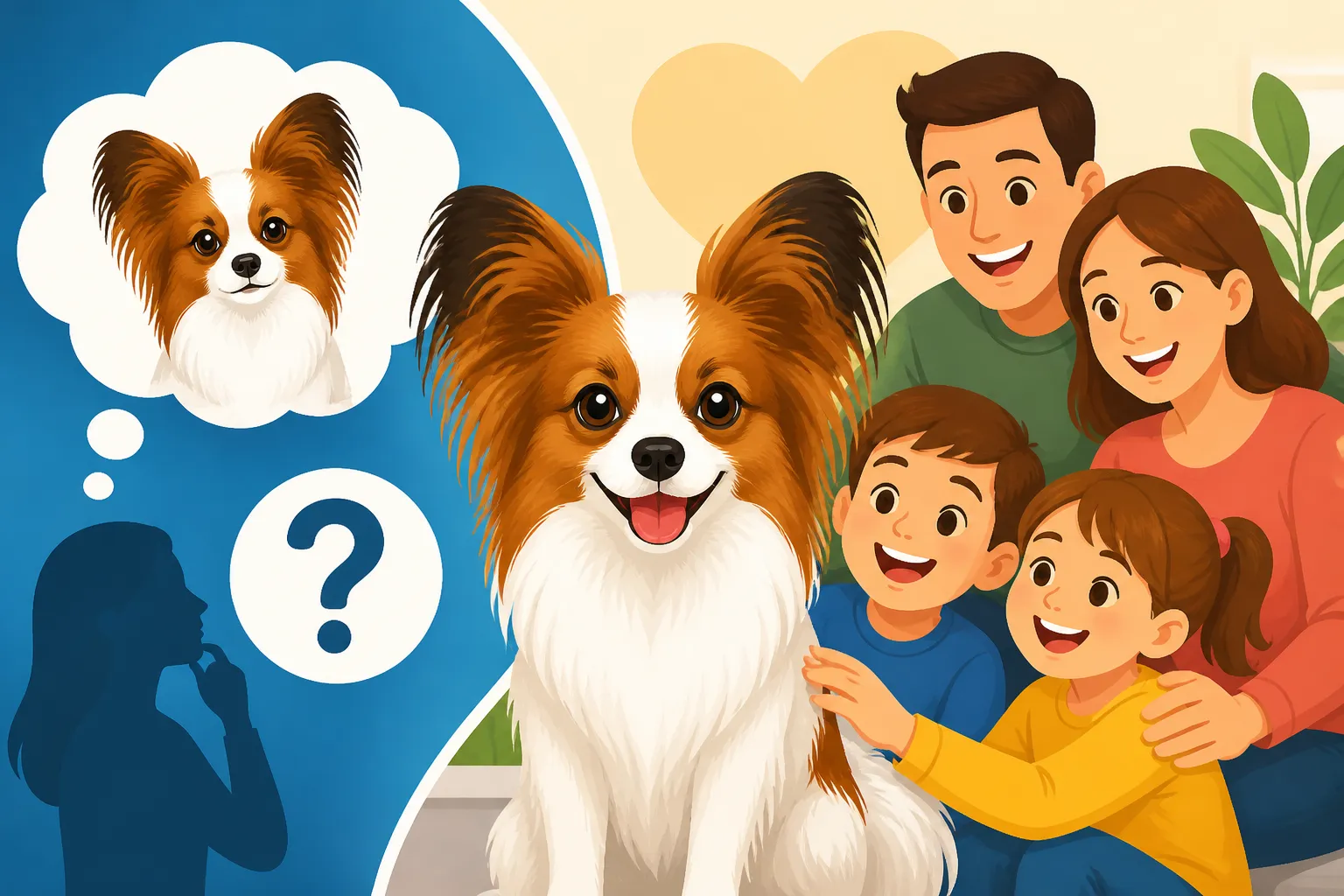
Bringing a new dog into your family is a huge decision, and for many families, the compact size and elegant appearance of a Papillon are incredibly appealing. But it’s natural to wonder if these dainty-looking dogs, known for their butterfly ears, truly fit into the hustle and bustle of family life, especially with children or other pets around. This guide aims to peel back the layers of the Papillon's personality and needs, helping you discern if this vivacious little dog is the right fit for your unique family dynamic.
The Papillon's Temperament and Family Dynamics
The Papillon, often described as a "big dog in a small body," possesses a personality that can be both charming and challenging in a family setting. They are not merely lap warmers; they are active, intelligent, and highly social creatures who thrive on interaction and engagement. Understanding their core temperament is the first step in assessing their suitability for your home.
How a Papillon Behaves with Children
This is often the biggest question for families: how do Papillons interact with children? The answer isn't a simple yes or no, as it depends heavily on the individual dog's socialization and the children's age and behavior. Papillons are generally good-natured and enjoy play, but their small size makes them vulnerable to accidental injury. A Papillon might tolerate a toddler, but true safety and happiness for both dog and child usually come with older, more considerate children.
Younger children, especially toddlers, can accidentally drop a small dog, step on them, or handle them too roughly, which can lead to fear or defensive nipping from the Papillon. Imagine a scenario where a well-meaning toddler tries to pick up a Papillon like a stuffed animal; the dog, startled and feeling unsafe, might instinctively snap. Therefore, constant supervision and teaching children how to interact gently are paramount. For families with children old enough to understand respect for a small animal, typically school-aged and above, a Papillon can be a fantastic companion, enjoying games and cuddles. We delve deeper into this in How a Papillon Behaves with Children and Whether a Papillon Is Safe with Toddlers.
The Papillon's Compatibility with Other Pets
Papillons generally do very well with other pets, often surprising owners with their confidence and adaptability. They rarely show aggression towards other dogs, regardless of size, though they might not back down from a challenge if one arises! Their social nature means they often enjoy having canine companions, and they can integrate smoothly into a multi-dog household.
When it comes to cats or other small pets, their intelligent and often playful nature can lead to good relationships, especially if introduced properly. A Papillon puppy raised with a cat will likely view it as part of the family, sharing toys and nap spots. However, it's worth noting that like many dogs, some Papillons do have a prey drive, so introductions to smaller, non-canine pets should always be supervised, at least initially. Their outgoing personality means they often make friends easily, whether it's with a fellow dog from the neighborhood park or the family's resident feline.
Handling the Papillon's Energetic Nature
Don't let their delicate appearance fool you; Papillons are not content to be couch potatoes all day. They are energetic and playful little dynamos that require regular physical and mental stimulation. A family that assumes a small dog means minimal exercise might find themselves with a bored, destructive, or excessively vocal Papillon.
They thrive on daily walks, playtime in a secure yard, and interactive games indoors. Fetch, hide-and-seek, or even learning new tricks will keep their sharp minds engaged. A Papillon that doesn't get enough outlets for its energy might resort to unwanted behaviors like excessive barking or chewing. Think of them as tiny athletes in waiting; they love to run, jump, and explore. If your family enjoys active pursuits, a Papillon will happily join in, whether it's a hike on a leash or a lively game of chase in the living room.
Understanding the Papillon's Needs in a Family Home
Bringing any dog into a family requires understanding and commitment to their specific needs. Papillons, while generally robust for their size, have particular requirements when it comes to exercise, training, and general care that families need to be aware of to ensure a harmonious life together.
Exercise Requirements for a Papillon in a Family Setting
As mentioned, Papillons are surprisingly energetic. They aren't dogs that are content with just a quick trot around the block. While their small stature means they don't need miles of running like a larger breed, they absolutely need consistent, engaging exercise to stay happy and healthy. This translates to at least two good walks a day, each lasting 20-30 minutes, ideally with some off-leash playtime in a secure area. If a park is not available, a large, safely fenced backyard is an excellent alternative.
Beyond physical exercise, Papillons also need mental stimulation. Their high intelligence means they can easily get bored, and a bored Papillon is often a mischievous one. Think puzzle toys, training sessions, or even just novel experiences like exploring a new walking route. A family that dedicates time to engaging their Papillon both physically and mentally will find a much more settled and well-behaved companion. You can find many interactive toys on sites like Chewy that cater to their clever minds. To understand their activity levels better, read How Much Exercise a Papillon Needs and What a Papillon Does All Day.
Training and Socialization for a Well-Adjusted Family Papillon
Papillons are incredibly intelligent and eager to please, making them highly trainable. This is a huge plus for families, as a well-trained dog is a joy to live with. They excel in obedience and dog sports, so a family willing to invest in positive reinforcement training will see fantastic results. Early socialization is crucial to ensure they are comfortable with various people, places, and other animals. Exposing them to different sounds, sights, and experiences during their puppyhood will help them grow into confident and adaptable adult dogs.
However, their intelligence also means they can learn bad habits just as quickly as good ones if not guided properly. Consistency is key. Every family member should be on the same page regarding rules and commands to avoid confusing the dog. Puppy classes are an excellent way to start, not just for the dog's training but also for the family to learn effective communication and handling techniques. Given their intelligence, they are one of the fastest learners, as explored in The Papillon Is the Smartest Toy Breed There Is.
Grooming and Care Considerations for Busy Families
Despite their glamorous appearance, Papillons are surprisingly low-maintenance in the grooming department, especially compared to many other long-haired breeds. Their single coat (meaning no undercoat) means less shedding and less matting than you might expect. A good brush-through a few times a week is usually sufficient to keep their coat free of tangles and looking pristine. The beautiful ear fringes and tail plume do require a little more attention, but it’s still very manageable.
However, dental care is a significant consideration. Like many small breeds, Papillons are prone to dental issues. Daily tooth brushing is highly recommended, which can be a commitment for a busy family. Regular professional dental cleanings may also be necessary over their lifespan. Families should also be mindful of their small size when it comes to preventing injuries, especially from falls. Installing ramps for furniture can help protect their delicate joints. For more on this, check out Brushing a Papillon's Teeth in a Very Small Mouth.
Common Challenges and Solutions for Papillon Families
No dog breed is without its quirks, and Papillons are no exception. While their delightful personalities often outweigh any challenges, being prepared for potential issues can make integrating them into your family much smoother. Proactive management and understanding are key to overcoming these common hurdles.
Managing the Papillon's Barking Tendencies
Papillons are often described as excellent little watchdogs, and for good reason: they are alert and vocal. This means they can be prone to barking at anything that catches their attention – a leaf blowing past the window, a squirrel in the yard, or someone walking by the house. For families living in apartments or close quarters, this can become a significant concern for neighbors and household peace.
The key to managing excessive barking is consistent training from a young age. Teaching a "quiet" command, managing environmental triggers (e.g., window coverings), and ensuring they have enough mental and physical stimulation to prevent boredom barking can make a huge difference. Don't punish barking, but rather redirect it and reward quiet behavior. Understanding How Much a Papillon Barks can help set realistic expectations.
Preventing "Small Dog Syndrome" in a Family Environment
"Small dog syndrome" refers to a collection of undesirable behaviors seen in small dogs, often stemming from owners treating them differently due to their size. This can manifest as aggression, excessive barking, jumping on people, or general pushiness. Because they are so small and cute, it’s easy to let things slide that you wouldn't with a larger dog, leading to a dog that believes it's in charge.
In a family setting, it's crucial that all members treat the Papillon like any other dog, regardless of its size. This means consistent rules, boundaries, and expectations. Don't carry them constantly, don't let them get away with nipping, and insist on polite behavior. Enroll in obedience classes and use positive reinforcement. This approach ensures your Papillon grows into a confident, well-adjusted family member, rather than a tiny tyrant. A trip to Chewy can provide you with appropriate training treats and tools.
Addressing Separation Anxiety in Family Papillons
Papillons are highly social dogs who thrive on companionship. They form deep bonds with their family members and prefer to be involved in household activities. This strong attachment can sometimes lead to separation anxiety if they are left alone for extended periods without proper conditioning. Symptoms can include destructive chewing, inappropriate urination or defecation, or excessive barking when left alone.
For families where all members are out for long hours, managing separation anxiety requires careful planning. Crate training can provide a safe den, but it's not a solution for loneliness. Gradually increasing alone time, providing engaging puzzle toys, and ensuring they get plenty of exercise before you leave can help. Dog walkers or doggy daycare might be necessary options for working families. Understanding Signs a Papillon Has Separation Anxiety is crucial for early intervention.
Lifestyle Match: What Kind of Family Suits a Papillon?
Not every family is the right fit for every dog, and vice-versa. While Papillons are adaptable, certain family lifestyles and structures will naturally align better with their inherent needs and personality traits. Considering these aspects can lead to a happier, more fulfilling relationship for everyone involved.
Papillons in Active vs. Sedentary Families
Papillons are best suited for active families. They might be small, but they possess an unexpected amount of energy and thrive on activity. They love to join their humans on walks, hikes, or even participate in dog sports like agility and obedience. A family that enjoys outdoor adventures or engaging playtime will find a willing and enthusiastic companion in a Papillon.
On the flip side, a very sedentary family, where physical activity is minimal, might struggle to meet a Papillon's exercise needs. While they do love to cuddle on the sofa, they can't be couch potatoes all the time. A lack of activity can lead to boredom, frustration, and behavioral issues. Think of it this way: if your family prefers quiet evenings without much interaction or outdoor time, a Papillon might not be the happiest or best-behaved pet. However, even within a less active family, regular, structured playtime and walks can satisfy their needs.
The Papillon and Multi-Generational Households
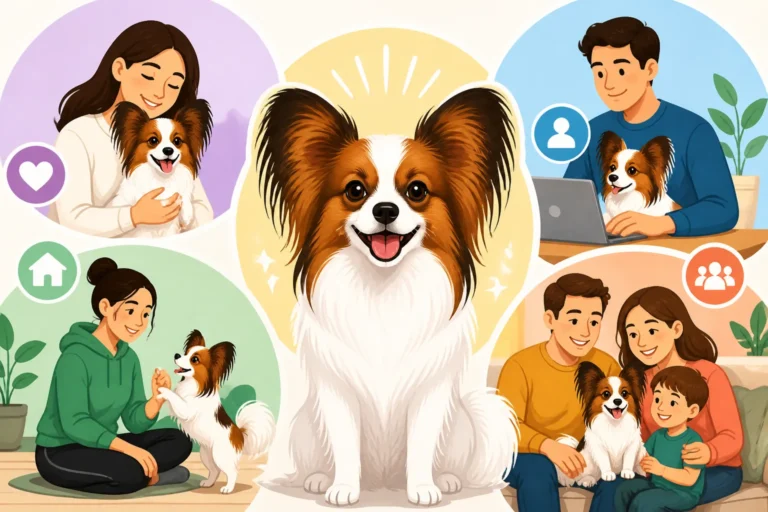
Multi-generational households, where grandparents, parents, and children all live together, can be a wonderful environment for a Papillon, provided there's a clear understanding of the dog's needs and proper communication among family members. The advantage here is often that someone is usually home, providing the companionship Papillons crave. This helps mitigate the risk of separation anxiety.
However, consistency in rules and training is paramount. If one family member lets the dog jump on furniture, while another strictly forbids it, the Papillon will become confused and potentially anxious. It's vital for all adults to agree on boundaries and responsibilities. Also, if there are very young children or frail elderly individuals, special care must be taken to prevent accidental injury to the small Papillon. A calm, respectful environment where everyone knows their role in the dog's care is ideal.
Considerations for First-Time Dog Owners
For first-time dog owners, a Papillon can be an excellent choice, but with a caveat: you must be prepared to commit to consistent training and socialization. Their intelligence and eagerness to please make them relatively easy to train, which is a huge advantage for newcomers to dog ownership. They respond beautifully to positive reinforcement and are less likely to "test" their owners in the way some more stubborn breeds might.
However, first-time owners need to be aware of the "small dog syndrome" trap and avoid babying them. Treat them like a dog, provide clear rules, and don't let their size excuse bad behavior. Their grooming is straightforward, and their feeding requirements are minimal. The biggest potential challenge for a novice owner might be managing their vocal tendencies and ensuring they get enough mental stimulation. If you're willing to put in the effort, a Papillon can teach a first-timer a lot about responsible dog ownership in a very rewarding way. This is explored further in Whether a Papillon Suits a First Time Owner.
Making the Decision: Is a Papillon the Right Family Member?
The decision to welcome a Papillon into your home is a significant one, and it's essential to weigh the potential benefits against the challenges. Understanding what a Papillon truly brings to a family and what it requires in return will help you make an informed choice that leads to a lifetime of happiness for everyone.
Pros and Cons of Papillon Ownership for Families
Let's lay out the general pros and cons to give you a clear picture:
| Aspect | Pros for Families | Cons for Families |
|---|---|---|
| Temperament | Intelligent, playful, affectionate, adaptable | Can be prone to "small dog syndrome" if not managed |
| Size | Compact, portable, fits well in smaller homes | Fragile, easily injured by rough play or falls |
| Activity | Energetic, loves games, good for active families | Requires consistent exercise and mental stimulation |
| Training | Highly trainable, eager to please, excels in sports | Can be vocal (barking), quick to learn bad habits if not consistent |
| Grooming | Low shedding, manageable coat, easy to brush | Prone to dental issues, requires regular tooth brushing |
| Longevity | Long lifespan (often 12-16 years) | Long-term commitment for care and potential vet bills |
For a family seeking a lively, intelligent, and devoted companion who can participate in family activities and isn't afraid to "dog," a Papillon can be a wonderful choice. They offer boundless joy and companionship. However, families that are rarely home, have very young or boisterous children, or prefer a dog that requires very little active engagement might find a Papillon challenging.
What to Look For in a Papillon Puppy or Rescue for a Family
When bringing a Papillon into a family, particularly one with children, it's crucial to select the right individual. If you're looking at a puppy, prioritize breeders who focus on health testing and temperament. A good breeder will raise puppies in a stimulating home environment, exposing them to various sights, sounds, and people. They should be able to tell you about the parents' temperaments and allow you to interact with the puppies to gauge their personalities. Look for a puppy that is outgoing but not overly rambunctious, curious but not fearful. Always ask Which Health Tests a Papillon Breeder Should Run.
If considering a rescue, many wonderful Papillons find themselves in need of new homes. A reputable rescue organization will have fostered the dog, know its history, and be able to provide insights into its temperament around children, other pets, and its energy levels. They will work with you to find a Papillon that is the best match for your family's specific lifestyle. Websites like Chewy often list products and food suitable for rescue dogs. You can learn more about finding one in Adopting a Papillon From Rescue.
Long-Term Commitment and the Papillon Lifespan
Papillons are known for their remarkable longevity, often living 12 to 16 years, and sometimes even longer. This is a significant commitment, especially for a family. When you bring a Papillon into your home, you're not just signing up for a few years of puppy cuteness; you're committing to over a decade of care, companionship, and love.
This long lifespan means budgeting for ongoing food, veterinary care, and potential age-related health issues. It also means considering how your family's life might change over that time—moves, new children, changing schedules. A Papillon will be a constant presence through many life stages, offering unwavering devotion. Choosing a Papillon means embracing a loyal family member who will be with you for a very long time, enriching your lives with their joyful spirit. For more on their impressive longevity, read How Long a Papillon Lives.
Disclaimer
This article is for general informational purposes only and does not constitute professional advice. Laws, prices and regulations vary by location and change over time. Consult a qualified professional for guidance on your specific situation.