Why Renaissance Ladies Carried a Dwarf Spaniel
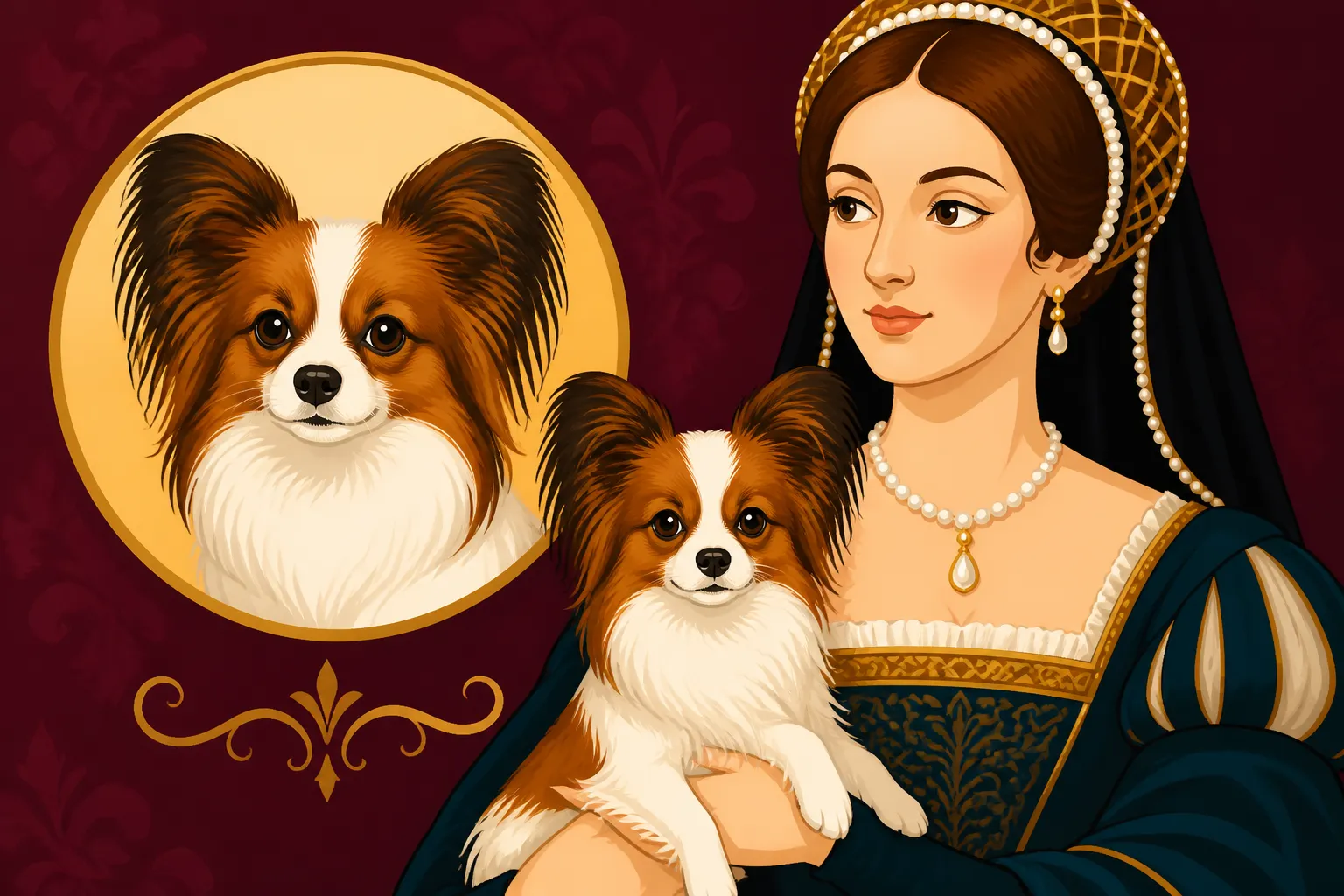
It’s a common sight in art museums, isn't it? You’re walking through a gallery, admiring a grand portrait of a richly dressed Renaissance lady, perhaps with a backdrop of a lush garden or an opulent interior, and there, nestled in her lap or at her feet, is this tiny, exquisitely coiffed dog with large, expressive eyes. You might wonder, beyond simply being a charming addition to the scene, what role these dainty creatures, the ancestors of our modern Papillon, truly played in the lives of these noblewomen. This guide dives deep into the fascinating reasons why these "dwarf spaniels" were such cherished companions during an era of rigid social structures and burgeoning artistic expression.
The Esteem of the Companion: More Than Just a Pet
Imagine a world where personal space and autonomy were largely luxuries, especially for women of the noble classes. Their lives were often dictated by societal expectations, political alliances, and the whims of powerful men. In such an environment, a small, devoted companion animal wasn't just a pretty face; it could be a vital source of comfort, a symbol of status, and even a silent confidante. The ancestors of today's Papillon, known then as dwarf spaniels or Continental Toy Spaniels, found their niche in the very heart of European aristocracy, a testament to their unique charm and adaptability.
Status Symbols in a Gilded Cage
In the courts of Europe, from the sun-drenched palaces of Italy to the grand chateaux of France and beyond, everything spoke of status. Clothing, jewels, retinue, and even the smallest personal effects were carefully curated to reflect wealth, power, and breeding. A small, exotic dog fit perfectly into this tableau. These tiny spaniels were not working dogs in the traditional sense; they didn't hunt or herd. Their primary "job" was to be beautiful and companionable, a luxury item that only the affluent could afford to maintain. Their very presence underscored the owner's leisure and prosperity, signifying that they had enough disposable income and staff to care for a creature with no practical function beyond companionship and adornment.
Consider the intricate details in the portraits of the time. These dogs were often depicted with incredible fidelity, showcasing their delicate features, silken coats, and the famous butterfly-like ears (or the dropped Phalene ears) that would eventually give the Papillon its name. Having one's portrait painted with such an animal was a deliberate choice, elevating the dog to an integral part of the sitter's identity and social standing. These artworks, many of which can still be admired today, serve as a historical record of the deep bond between these women and their canine companions, much like The Papillon Has Seven Hundred Years of Portraits Behind It explores. The dogs were a living, breathing accessory, one that offered affection as well as prestige.
Companionship in an Isolating World
Beyond their symbolic value, these little dogs provided genuine, unconditional affection in a world that could often be cold and formal. Noblewomen, particularly those married for political advantage or confined to cloistered existences, might have found true emotional solace in their canine companions. Human relationships in courtly life were often fraught with intrigue, expectations, and political maneuvering. A dog, however, offered simple, uncomplicated love and loyalty.
These small dogs were constantly by their mistresses' sides, sharing their private quarters, accompanying them on strolls through formal gardens, and perhaps even offering a warm presence during long, solitary hours of needlework or reading. They were creatures that required care and attention, providing a gentle routine and a sense of purpose that might have been otherwise lacking for women whose lives were largely predetermined. In an era where emotional expression, especially for women, was often suppressed, the quiet understanding offered by a devoted dog could have been invaluable. The bond was real, a small bastion of genuine connection amidst the formality of aristocratic life.
Practicalities of Pet Ownership in the Renaissance
While the emotional and symbolic reasons for keeping dwarf spaniels were profound, there were also more practical, albeit sometimes debated, benefits to having these small dogs around. Life in the Renaissance, even for the wealthy, was vastly different from our modern existence, and a small dog's presence could address certain needs of the time.
A Source of Warmth and Comfort
Before central heating was even a glimmer in an inventor's eye, staying warm, especially in drafty castles and manor houses, was a constant challenge. Small dogs, particularly those with dense or long coats, could offer a surprising amount of warmth. Imagine a lady sitting quietly, perhaps by a small fireplace that did little to heat a vast room, with her little spaniel curled snugly in her lap or tucked under a shawl. The dog's body heat would have been a welcome comfort, especially during long winter evenings. This practice was so common that such dogs were sometimes literally referred to as "comforters" or "lap warmers."
The phrase "lap warmer" wasn't just a quaint descriptor; it reflected a tangible benefit. These dogs were often quite small, perfectly sized to settle comfortably on a person's lap without being cumbersome. Their fur, even the single-coated, silky variety characteristic of the Papillon's ancestors, would have provided a noticeable source of warmth. This practical application undoubtedly contributed to their appeal, making them not just decorative, but also functionally useful in an age that lacked many of the amenities we take for granted today. For more on this, check out Whether the Papillon Was a Lap Warmer.
Debunking the Pest Control Myth
A popular, though largely unsubstantiated, theory suggests that these small dogs were kept to attract fleas and other parasites away from their human companions. The idea was that the dog, being hairier and closer to the ground, would become the primary host for these unwelcome critters, thus protecting the lady of the house. While it's true that hygiene standards in the Renaissance were very different from today, and fleas were undoubtedly a constant nuisance, there's little concrete evidence to support the idea that dogs were deliberately kept for this purpose.
More likely, if a dog did indeed draw fleas, it was an unintended side effect rather than a primary reason for their ownership. It's more plausible that the benefits of companionship and status far outweighed any minor pest diversion. In fact, adding another living creature to a household that already struggled with sanitation might have exacerbated, rather than solved, a pest problem. We tend to project modern understandings onto historical practices, but often the truth is more nuanced. The romantic notion of a dog as a living flea trap, while intriguing, probably gives too much credit to their role in pest management. These elegant little dogs, like the ancestors of today's Papillon, were bred for beauty and temperament, not as biological pest control.
A Touch of Nature Indoors
In a rapidly urbanizing Europe, and especially within the confines of courtly life, opportunities to connect with the natural world could be limited. A pet offered a living, breathing connection to nature. For noblewomen who might have spent much of their time indoors or in formal, manicured gardens, a small dog brought a dynamic, instinctual presence into their lives. They represented a small piece of wildness, tamed and brought into the intimate domestic sphere.
This connection to nature wasn't about hunting or utility, as was the case for many larger breeds. Instead, it was about the simple joy of observing a creature's natural behavior: its playful antics, its deep slumber, its unquestioning devotion. It provided a gentle reminder of the world beyond the castle walls, a world that was often inaccessible to them. This simple, unadulterated pleasure was a significant part of their appeal.
The Enduring Legacy of the Dwarf Spaniel
The dwarf spaniels of the Renaissance, those elegant little dogs painted by masters like Titian and Rubens, were the direct ancestors of the modern Papillon. Their journey from courtly companions to beloved family members tells a story of evolving societal roles, selective breeding, and the timeless appeal of a small, intelligent dog.
From Palace to Modern Parlor
As centuries passed, the world changed dramatically, and with it, the role of dogs in society. The opulence of the Renaissance courts eventually gave way to different social structures. Yet, the appeal of these small companion dogs endured. The name "Papillon," meaning "butterfly" in French, began to be widely used in the 17th century, reflecting the breed's distinct upright ears, which indeed resemble the wings of a butterfly. Before this, many would have had the dropped ears of the Phalene, meaning "moth" – and interestingly, Papillons and Phalenes can still be born in the same litter today, as discussed in Why a Papillon and a Phalene Are Born in the Same Litter.
The transition wasn't always smooth. The French Revolution, for instance, saw many noble families and their beloved pets meet unfortunate ends. Legend even claims that Marie Antoinette's beloved spaniel was at her side until her final moments. However, the breed survived, a testament to its intrinsic charm and the continued desire for devoted, portable companions. They adapted from being symbols of extreme wealth to becoming cherished members of more bourgeois households, always retaining their elegance and intelligence. While they were never truly working dogs in the sense of Whether the Papillon Was Ever a Ratter, their intelligence meant they could easily be trained for tricks and obedience, cementing their place as engaging pets.
The Papillon's Echoes of the Past
Today's Papillon still carries the genetic echoes of those Renaissance dwarf spaniels. They are known for their intelligence, often ranking high among dog breeds in terms of trainability and mental acuity. This keen mind, which allowed their ancestors to adapt so well to the demands of courtly life and the subtle cues of their noble owners, is still a hallmark of the breed today. They thrive on mental stimulation and excel in dog sports like agility and obedience, proving that a small size doesn't mean a small brain. Indeed, the Papillon is often lauded as The Papillon Is the Smartest Toy Breed There Is.
These dogs also retain their strong bond with their human companions. Just as their ancestors provided emotional support to isolated noblewomen, modern Papillons are deeply attached to their families, often following them from room to room, eager for interaction and affection. They might not be warming laps in drafty castles anymore, but the comfort and joy they bring are no less significant. Whether curled up on a sofa or performing a dazzling agility routine, the Papillon continues the legacy of its ancestors: a small dog with a huge heart and an intelligent mind, perfectly suited for deep companionship. They are, in essence, a living piece of history, perfectly adapted for modern life, a concept also explored in What a Papillon Does All Day.
Caring for a Modern Papillon: Building on a Historical Legacy
While the reasons for owning a Papillon have certainly evolved from the Renaissance, the core needs of the dog for companionship, care, and mental stimulation remain. Modern Papillon owners benefit from centuries of refined breeding that have produced a remarkably robust and adaptable toy breed.
Nutrition and Health in the Modern Age
Unlike their ancestors who might have subsisted on table scraps (a terrible idea, then as now!), today's Papillons enjoy a vast array of nutritionally balanced foods. From high-quality kibble to raw diets, modern owners can choose the best option for their furry friend. Access to reputable pet supply stores like Chewy means that getting the right food, treats, and supplements is easier than ever before. We no longer have to wonder What a Papillon Eats in a Month or worry about scurvy!
However, some health considerations carry forward. The small jaw structure of the Papillon, for example, makes them prone to dental issues, necessitating regular dental care. Their delicate bone structure, while fine-boned, means they are not as fragile as they appear, but still benefit from an environment designed to protect their joints, such as providing ramps for furniture rather than letting them jump repeatedly. This focus on preventative care and good nutrition contributes to their impressive longevity, often exceeding that of many other breeds, a topic discussed in How Long a Papillon Lives.
Training and Enrichment
The intelligence that made dwarf spaniels so appealing to noblewomen now makes the Papillon a joy to train. They are quick learners and eager to please, thriving on positive reinforcement. Early socialization and puppy classes are crucial to developing a well-adjusted adult dog, transforming that tiny historical companion into a confident modern family member.
Puzzle toys, short training sessions, and interactive games are all excellent ways to engage a Papillon's bright mind. Their eagerness to learn tricks and participate in activities means they are far from mere "lap warmers" today; they are active, engaged partners in life. This mental stimulation is just as important as physical exercise for a Papillon, ensuring they remain happy and well-behaved. Considering their agility and intelligence, it’s not surprising that they excel in many canine sports, which helps channel their mental and physical energy positively. Many find that A Papillon Has No Idea It Is Small when it comes to tackling complex courses.
Ensuring a Safe and Comfortable Environment
Creating a safe home environment for a Papillon involves a few key considerations. Their small size means they can get into tight spaces, so puppy-proofing is essential. As mentioned, protecting their knees from excessive jumping from heights is also important. This might involve doggy steps or ramps for beds and sofas. Their long, flowing coat, while beautiful, requires regular grooming, including brushing to prevent mats, especially in the elaborate fringes of their ears and tail.
While they may have once provided warmth, modern Papillons appreciate a cozy bed, especially in cooler climates, as explored in Whether an Old Papillon Needs a Warmer Bed. Access to fresh water and a comfortable, secure space where they feel safe is paramount. The modern Papillon thrives in a home where they are an integral part of the family, receiving attention, consistent training, and plenty of opportunities for both mental and physical exercise. Finding their preferred food and toys on platforms like Chewy ensures they always have what they need for a comfortable life.
| Aspect of Ownership | Renaissance Dwarf Spaniel Focus | Modern Papillon Focus |
|---|---|---|
| Primary Value | Status symbol, emotional solace, aesthetic appeal | Companionship, emotional support, active family member |
| Diet | Often table scraps, whatever was available from the kitchen | Nutritionally balanced kibble, raw, or fresh food (e.g., from Chewy) |
| Health Concerns | Limited understanding, likely few specific interventions | Preventative vet care, genetic testing, focus on dental and joint health |
| Exercise & Training | Minimal formal training, primarily for obedience and manners | Extensive training potential (agility, obedience, tricks), daily walks |
| Living Environment | Confined to noble estates, carried in public | Integrated into home, secure yard or regular leash walks |
| Role in Owner's Life | Companion to high-society women, often isolated | Family member, adapts to various lifestyles (e.g., How a Papillon Adapts to a New Home) |
| Maintenance | Basic care, likely some grooming to maintain appearance | Regular grooming (brushing, nail trims), dental hygiene, vet check-ups |
The Legacy of Beauty and Brains
The journey of the Papillon, from the laps of Renaissance ladies to the homes of modern families, is a testament to the enduring appeal of this exquisite breed. What started as a combination of status symbol and genuine comfort in a challenging world has evolved into a beloved companion, celebrated for both its stunning appearance and its remarkable intellect.
Those elegant ladies who posed for portraits with their little dwarf spaniels intuitively understood the profound impact a small dog could have. They valued not just the dog's beauty, but the quiet loyalty and affection it offered. Today, as we watch our Papillons perform feats of agility, learn new tricks with astonishing speed, or simply curl up next to us on the sofa, we are continuing a tradition that spans centuries. The Papillon remains, as it always has been, a testament to the powerful, comforting, and deeply enriching bond between humans and their canine friends. Whether you're researching historical art or considering adding one of these wonderful dogs to your family, understanding their rich past only deepens the appreciation for the "butterfly dog" we cherish today. And remember, for all your modern Papillon's needs, from their specific small-breed kibble to their favorite chew toys, resources like Chewy make sure their legacy of good living continues.
Disclaimer
This article is for general informational purposes only and does not constitute professional advice. Laws, prices and regulations vary by location and change over time. Consult a qualified professional for guidance on your specific situation.