Whether a Papillon Should Do Agility With a Bad Knee
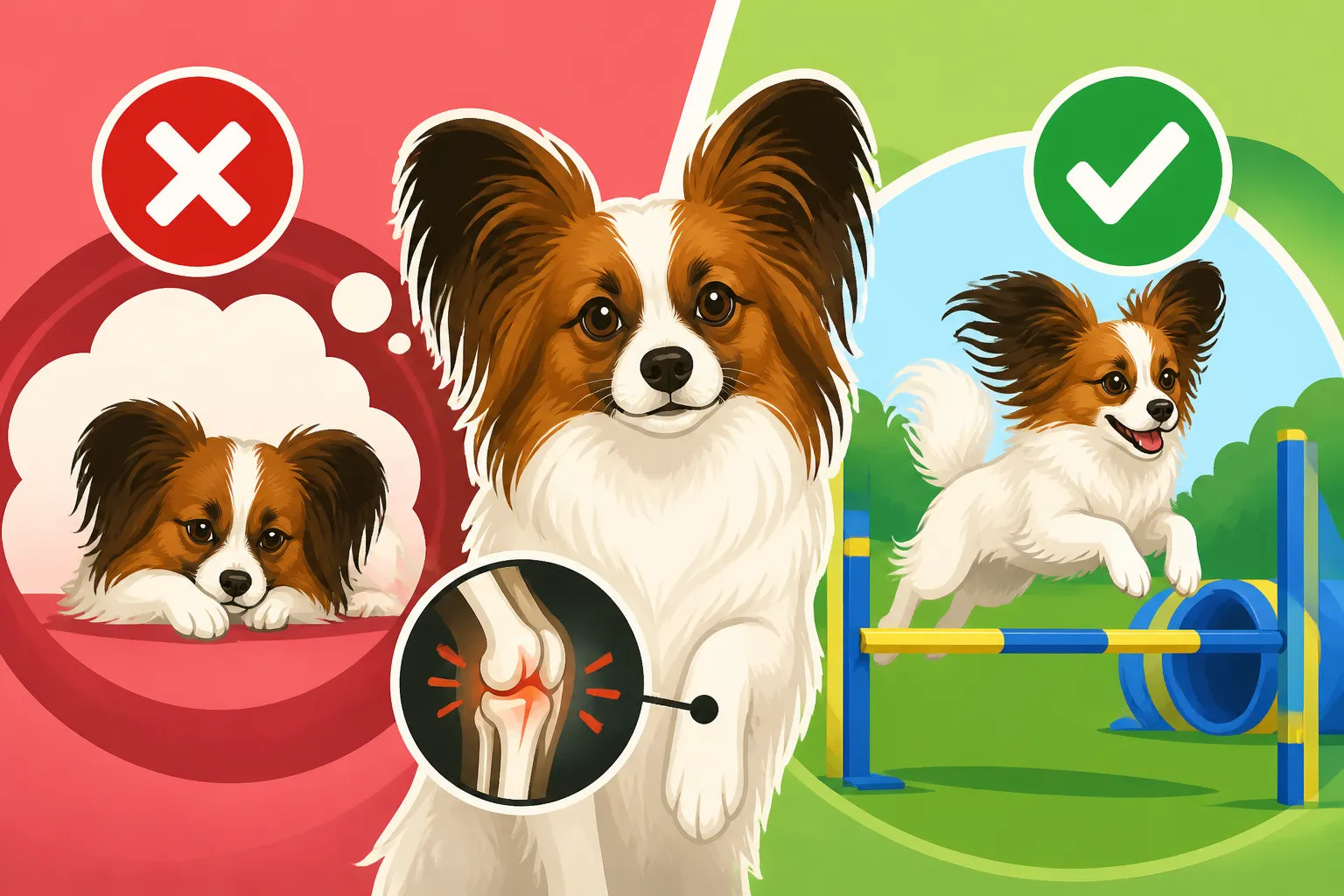
It’s a heart-wrenching scenario many Papillon owners face: you have this incredibly smart, spirited little dog, brimming with talent and a fierce desire to run, jump, and do things. You see their peers zipping through agility courses, looking like tiny, feathered rockets, and you dream of that for your own Papillon. But then, the vet mentions "luxating patella," or you notice a skip in their step, and suddenly, that agility dream feels fragile. You’re left wondering, "Can my Papillon truly do agility with a bad knee, or am I setting them up for pain and long-term damage?" This guide will meticulously break down this dilemma, helping you understand the risks, the realities, and the difficult choices involved.
Decoding the "Bad Knee" in Papillons: Luxating Patella Explained
When we talk about a "bad knee" in a Papillon, we’re almost always referring to luxating patella, also known as a slipping kneecap. This condition is incredibly common in small breeds, and Papillons are unfortunately among them. It’s not just a minor annoyance; it can range from a slight skip to a debilitating issue. Understanding the nuances of this condition is the first crucial step before even considering high-impact activities like agility.
What Exactly Is Patellar Luxation?
At its simplest, patellar luxation means the kneecap (patella) dislocates or slips out of its normal groove on the thigh bone (femur). Normally, the patella sits snugly in the trochlear groove and glides smoothly up and down as the knee bends and straightens. In dogs with luxating patella, this groove might be too shallow, or the surrounding ligaments and muscles might be misaligned, causing the kneecap to pop out. This usually happens to the inside (medial luxation), but sometimes it can go to the outside (lateral luxation).
For a breed like the Papillon, whose bone structure is delicate, even a minor anatomical abnormality can lead to problems. The constant slipping and grinding can cause pain, inflammation, and long-term damage to the joint cartilage. It's a frustrating genetic predisposition that can seriously impact their active lives. You might have heard your vet mention how common it is, and they're not exaggerating; it's genuinely one of the most frequently diagnosed orthopedic issues in these tiny athletes. You can learn more about What Patellar Luxation Does to a Papillon.
The Four Grades of Luxating Patella
Vets classify luxating patella into four grades, based on the severity of the dislocation and how easily the kneecap returns to its normal position. These grades are critical in determining the appropriate course of action, especially regarding physical activity.
- Grade 1: This is the mildest form. The kneecap can be manually luxated (pushed out of place) but easily slips back into the groove on its own. Often, dogs with Grade 1 luxation show very few clinical signs, maybe just an occasional skip or hitch in their gait. They might run normally for weeks, then suddenly do a little hop, shake a leg, and carry on as if nothing happened. Many owners don't even notice it, or dismiss it as clumsiness. However, even a Grade 1 is a warning sign that the knee isn't perfectly stable.
- Grade 2: The kneecap luxates spontaneously, meaning it slips out of the groove on its own during normal movement, and may stay luxated for a short period before returning. Dogs with Grade 2 often exhibit more noticeable symptoms, such as frequent skipping, holding a leg up for a few steps, or a reluctance to use the leg properly. It can be manually luxated and will usually stay out until the leg is extended and rotated to put it back. This is often the grade where owners start to become concerned, and it's also where the question of agility becomes most pressing.
- Grade 3: The kneecap is luxated most of the time. It can be manually reduced (pushed back into place), but it will immediately reluxate once released. Dogs with Grade 3 luxation are often in significant discomfort and may have a persistent lameness or a "crouched" stance because the leg can't fully extend. The structure of the leg itself can begin to deform over time due to the constant misalignment.
- Grade 4: This is the most severe form. The kneecap is permanently luxated and cannot be manually reduced. The limb often remains bent, and the dog might walk with a very abnormal gait or avoid using the leg entirely. At this stage, surgical correction is almost always necessary, and even then, the long-term prognosis for full, comfortable function can be guarded.
Understanding Which Grade of Luxation Needs Fixing in a Papillon is vital, but even grades that don't need fixing might still preclude agility.
The High Stakes of Agility for a Papillon's Knees
Agility is undeniably thrilling for both dog and owner. Papillons, with their boundless energy, intelligence, and agility, often excel at it. They love the challenge, the teamwork, and the sheer joy of flying over jumps and through tunnels. But this high-impact sport places incredible stress on a dog's musculoskeletal system, especially their joints. For a Papillon with any degree of patellar luxation, the risks are significantly amplified.
Understanding the Physical Demands of Agility
Think about what an agility course involves:
- Jumping: Launching off the ground, landing, and absorbing impact. Even low jumps can strain unstable knees.
- Weave Poles: Rapid, twisting lateral movements that put extreme torque on the knees, hips, and spine. This is arguably one of the most demanding obstacles for dogs with knee issues.
- Contact Obstacles (A-frame, Dog Walk, Teeter-Totter): Climbing steep inclines, descending, and managing balance on moving or elevated surfaces. The impact of landing off an A-frame or dog walk, even with proper contact performance, is considerable.
- Tight Turns and Sudden Stops: Navigating cones, changing direction quickly, and slamming the brakes, often on slippery surfaces like artificial turf. These sudden shifts in momentum are prime triggers for a kneecap to slip.
Each of these elements, performed at speed and with intense focus, requires sound, stable joints. A healthy Papillon can often handle these demands, but one with a compromised knee is pushing its luck with every single run. It's not just about winning; it's about safeguarding their long-term health and comfort.
The Real Risks of Agility Training with an Unstable Knee
The decision to pursue agility with a Papillon that has patellar luxation is not one to take lightly. The potential consequences can be severe and life-altering for your beloved companion.
Exacerbating the Existing Condition
Even a Grade 1 luxation, which might seem harmless, can quickly escalate under the repetitive stress of agility. A kneecap that occasionally slips could start slipping more frequently, for longer periods, or even progress to a Grade 2 or 3. This means more pain, more discomfort, and a potentially greater need for surgical intervention down the line. It's a slippery slope, pun intended. Imagine feeling a slight twinge in your own knee and then subjecting it to repeated high-impact twists and jumps – you know it's only going to get worse.
Increased Risk of Secondary Injuries
One of the most concerning risks is the development of other, often more serious, orthopedic problems. When a knee is unstable due to a luxating patella, the joint isn't moving as it should. This abnormal motion puts undue stress on other structures within the knee, most notably the cranial cruciate ligament (CCL). The CCL is like the human ACL, and a tear in this ligament is a very common and very painful injury, often requiring extensive surgery and recovery time. A Papillon with an unstable patella is significantly more prone to tearing their CCL during a sudden turn or awkward landing. You can read more about Whether a Papillon Gets Arthritis From a Slipping Knee.
Chronic Pain and Arthritis
Even if an acute injury doesn't occur, the long-term consequences of an unstable knee under stress are almost inevitable: chronic pain and early-onset arthritis. Each time the kneecap slips, it rubs against the cartilage and bone, causing wear and tear. Over months and years of agility, this cumulative damage can lead to painful inflammation and degenerative joint disease. While arthritis is a natural part of aging, putting an unstable joint through such rigorous activity can bring it on much earlier, diminishing your Papillon's quality of life even outside the agility ring. Imagine your vibrant, energetic Papillon suffering from persistent stiffness and soreness by middle age because of an activity they loved but weren't physically suited for.
Reduced Quality of Life
Ultimately, the goal is for your Papillon to live a long, happy, and pain-free life. If agility training leads to increased pain, the need for multiple surgeries, or chronic lameness, it directly impacts their overall well-being. The joy they might derive from running a course could be overshadowed by discomfort in their daily life. It's a balance of their innate desire to perform versus their physical limitations.
Navigating the Decision: Consulting Professionals and Exploring Alternatives
Given the significant risks, the decision to engage a Papillon with a bad knee in agility is complex. It absolutely requires a thoughtful, informed approach, prioritizing your dog's health above all else. This isn't a choice to make based on internet forums or anecdotal stories; it needs professional guidance.
The Indispensable Role of an Orthopedic Veterinarian
The very first step, before you even consider enrolling in an agility class, is to schedule a thorough examination with a veterinarian who has a strong background in orthopedics, or ideally, a board-certified veterinary orthopedic specialist. Your regular vet is great for general health, but a specialist has the nuanced knowledge and diagnostic tools to truly assess your Papillon's knee health.
During this consultation, they will perform a comprehensive physical exam, manipulating the knee to assess stability, range of motion, and pain response. They will likely recommend X-rays to get a clear picture of the bone structure, the depth of the trochlear groove, and any signs of existing arthritis. In some cases, more advanced imaging like an MRI might be suggested, though less common for initial luxating patella diagnosis.
Based on their findings, the specialist will provide an honest assessment of your Papillon's specific grade of luxation and whether their knees can realistically withstand the demands of agility. They might tell you that even a mild Grade 1 is a ticking time bomb for agility, or perhaps that with certain modifications and careful monitoring, a very low-grade case might be manageable. Be prepared for a realistic assessment, which might not be what you hoped to hear. Remember, their priority is your dog’s long-term health, not ribbons. This is also where investing in pet insurance, such as Healthy Paws, can be incredibly beneficial, as it can help cover the costs of these specialized diagnostics and any necessary treatments or surgeries.
When Surgery Becomes Necessary
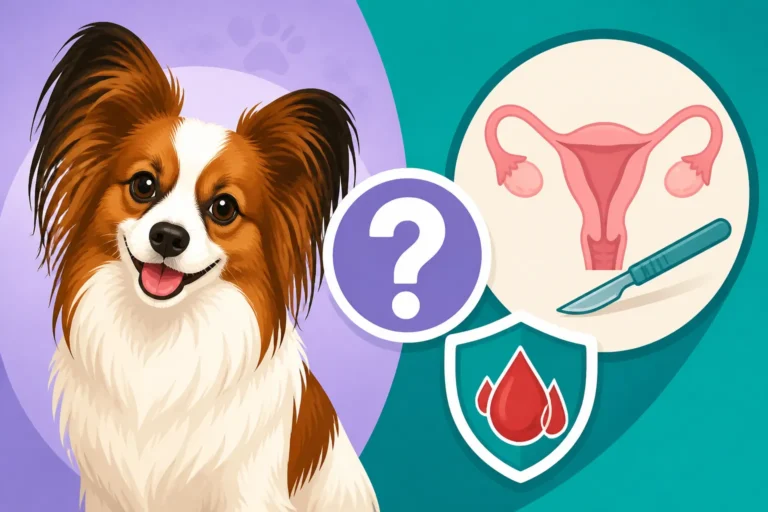
For Papillons with Grade 2 or higher luxation, or even a persistent Grade 1 that causes pain or frequent lameness, surgery is often recommended. The goal of surgery is to stabilize the kneecap by deepening the trochlear groove (trochleoplasty), realigning the patellar ligament (tibial crest transposition), and tightening or releasing the joint capsule.
- Understanding the Surgical Process: A typical patellar luxation surgery involves reshaping the bone and soft tissues to ensure the patella tracks correctly. It's a delicate procedure, especially on a small dog like a Papillon.
- Recovery and Rehabilitation: Recovery from patellar surgery is a commitment. It involves several weeks of strict rest, followed by controlled exercise and often physical therapy. Owners must diligently follow post-operative instructions to ensure the best possible outcome. You can learn more about How a Papillon Recovers From Knee Surgery.
- Post-Surgery Agility: Even after successful surgery and full recovery, the question of agility remains. While surgery aims to stabilize the knee, it doesn't guarantee a return to high-impact sports without risk. The joint, having been compromised, may always be more susceptible to future issues. Your orthopedic vet will be able to advise whether, and to what extent, your Papillon can participate in demanding activities post-surgery. Many vets recommend a significantly modified approach, if any, for agility even after surgical correction to prevent re-injury or accelerate arthritis. Again, pet insurance like Healthy Paws can be a lifesaver, covering a substantial portion of these costly surgical procedures and follow-up care.
Exploring Low-Impact Alternatives and Modifications
If your Papillon has a bad knee, or has undergone surgery, it doesn't mean their active life is over. It simply means redirecting their incredible energy and intelligence into safer, equally rewarding activities.
Canine Sports That Are Kinder to Joints
There are many fantastic canine sports that offer mental stimulation and physical exercise without the extreme impact on knees:
- Rally Obedience: This sport involves navigating a course with numbered signs, each indicating a different obedience exercise to perform (e.g., sit, stay, come, weave through cones). It's a fantastic way to build teamwork and mental focus. It requires precise movements but no jumping or high-speed turns.
- Scent Work/Nose Work: Papillons have surprisingly keen noses, and scent work taps into their natural instincts. Dogs learn to detect specific odors and alert their handler. This is a mentally exhausting activity that can be done anywhere, requires minimal physical exertion, and is incredibly rewarding for dogs.
- Competitive Obedience: While it involves some heeling and retrieves, competitive obedience focuses on precise execution of commands. There are no jumps in the lower levels, and even at higher levels, jumps are limited and easily modified for small dogs.
- Freestyle/Musical Canine Freestyle: This is like doggy dancing! You and your Papillon perform a routine set to music, incorporating various tricks and obedience moves. It's creative, fun, and you can tailor the moves to be entirely low-impact and gentle on the joints.
Modifying Agility for the Papillon with a Compromised Knee
For those who simply can't let go of the agility dream, there might be highly modified options, but only under strict veterinary guidance and with an understanding instructor.
- Lower Jumps and No Weaves: This might mean setting jumps at the absolute lowest height (e.g., 4 inches) or even just walking over bars on the ground. Weave poles should likely be avoided entirely due to the extreme twisting motion.
- Walking Contact Obstacles: Instead of running up and down, your Papillon could slowly walk the A-frame and dog walk. The teeter-totter, with its sudden movement, would likely still be too risky.
- Focus on Accuracy, Not Speed: The emphasis would shift from speed to perfect execution and enjoyment, ensuring your dog moves deliberately and carefully.
- Short Sessions and Frequent Breaks: Keep training sessions brief and incorporate plenty of rest.
- Therapeutic Exercise Programs: A certified canine rehabilitation therapist can design specific exercises to strengthen the muscles around the knee, improving stability. This might include hydrotherapy (underwater treadmill) or targeted strength training. This kind of specialized therapy can be incredibly beneficial, and its costs may also be partially covered by pet insurance like Healthy Paws.
However, be realistic: this modified version of agility is a far cry from the fast-paced, high-flying sport you see on TV. It might satisfy some of your Papillon's drive, but it's important to understand its limitations and accept that competitive agility might simply not be in their future.
Proactive Management: Protecting Those Delicate Papillon Knees
Even if agility is off the table, or you're hoping for a modified approach, managing your Papillon's knee health proactively is paramount. Prevention and careful management can make a world of difference in their comfort and mobility throughout their lives.
Weight Management is Crucial
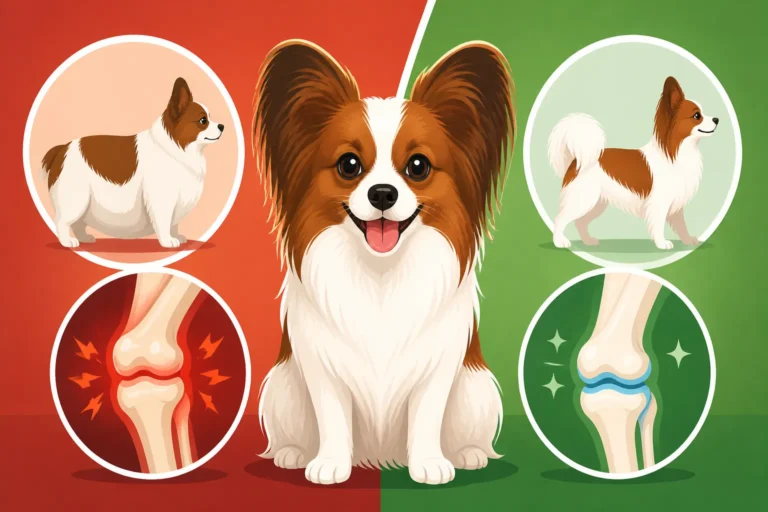
Every extra ounce on a small dog like a Papillon puts disproportionate stress on their joints, especially compromised ones. Keeping your Papillon at a lean, healthy weight is one of the most impactful things you can do to protect their knees. Even a slight increase in weight can worsen luxating patella symptoms and accelerate the development of arthritis.
- Portion Control: Follow feeding guidelines for their ideal weight, not their current weight, and measure food precisely.
- Healthy Treats: Opt for low-calorie treats or use a portion of their daily kibble for training rewards.
- Regular, Appropriate Exercise: This doesn't mean high-impact agility if their knees are bad. It means consistent, moderate activities like leash walks, supervised playtime on soft surfaces, or even swimming if they enjoy it.
Regular check-ups with your vet will help you monitor their weight and body condition score, ensuring they stay in optimal shape.
Creating a Knee-Friendly Home Environment
Your home environment can inadvertently contribute to knee problems or make existing ones worse. Taking a few simple steps to make your home safer can significantly reduce the risk of injury.
- Ramps and Steps: Papillons love to be with their people, which often means jumping on and off furniture. These repeated impacts are terrible for their knees. Provide ramps or pet steps to allow them to safely access sofas, chairs, and beds. This is one of the easiest and most effective preventative measures you can implement. You can find useful information on Whether a Papillon Should Be Stopped From Jumping Off Furniture.
- Non-Slip Surfaces: Hardwood, tile, and laminate floors can be like ice rinks for small dogs. Their delicate joints and tiny paws struggle for traction, leading to slips and falls that can cause or exacerbate knee injuries. Use area rugs, runners, or carpet strips in high-traffic areas. Consider non-slip booties for your dog if they tolerate them.
- Safe Play: Supervise playtime, especially with larger dogs. While Papillons are often fearless, a playful bump from a big dog can easily lead to a serious injury if their knee is compromised. Encourage gentle play and ensure your Papillon has safe spaces away from boisterous activity.
The Role of Supplements and Physical Therapy
While not a cure, certain supplements can support joint health and manage inflammation.
- Joint Supplements: Glucosamine, chondroitin, MSM, and omega-3 fatty acids (fish oil) are common ingredients in joint supplements. These can help support cartilage health and reduce inflammation. Always discuss supplements with your vet before starting them, as not all products are created equal, and dosages need to be appropriate for your Papillon's size.
- Physical Rehabilitation: For Papillons with diagnosed patellar luxation, or those recovering from surgery, physical rehabilitation can be immensely beneficial. A certified canine rehabilitation therapist can design a tailored program to strengthen the muscles surrounding the knee, improve range of motion, and reduce pain. Techniques may include therapeutic exercises, hydrotherapy, massage, and laser therapy. This specialized care can significantly improve outcomes and quality of life, and is another area where pet insurance like Healthy Paws can provide much-needed financial assistance.
By taking these proactive steps, you can help protect your Papillon's knees, minimize pain, and ensure they live a long, comfortable life, even if the agility dreams need to be modified.
Final Thoughts on Agility and Papillon Knee Health
It's a tough pill to swallow when your heart is set on an activity for your dog, only to find their physical body might not be up to the task. Papillons are incredible athletes in miniature, but their predisposition to luxating patella means we, as their guardians, must be extra vigilant and realistic about their physical limits.
The desire to see your Papillon excel in agility is understandable. They are intelligent, eager-to-please, and possess an undeniable zest for life that makes them shine in any arena. However, pushing an unstable knee into a high-impact sport like agility carries significant risks, potentially leading to chronic pain, further injury, and a diminished quality of life.
The ultimate decision rests with you, in close consultation with a veterinary orthopedic specialist. Be honest about your dog's condition and listen carefully to their professional advice. Remember that while a few moments of glory in the agility ring might feel good, your Papillon's comfort and long-term health should always be the priority. There are so many wonderful, lower-impact activities and sports where your brilliant Papillon can still thrive, learn, and bond with you, without putting their precious knees at undue risk.
Disclaimer
The information provided in this article is for general informational purposes only and is not intended as a substitute for professional veterinary advice, diagnosis, or treatment. Always seek the advice of your veterinarian or other qualified animal health provider with any questions you may have regarding a medical condition or treatment for your pet.