Signs a Papillon Bleeds Too Easily
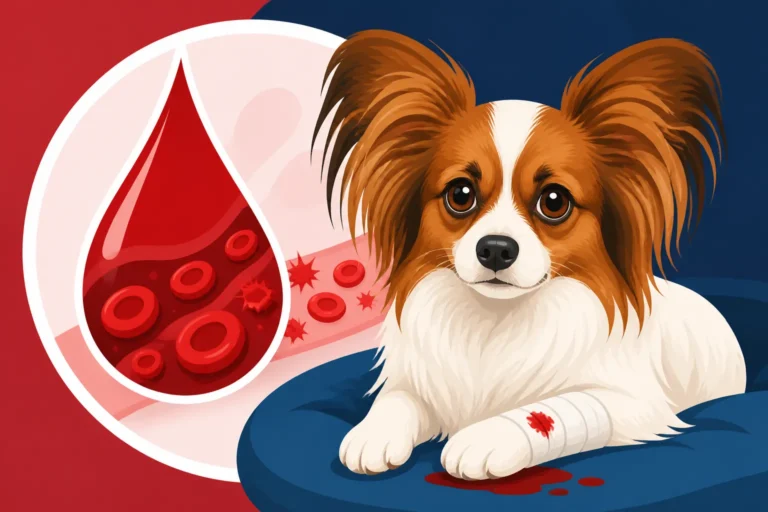
It’s truly alarming when you see your tiny Papillon bleeding, especially if it seems like it’s happening too easily or without a clear reason. As a Papillon owner, you know these delicate dogs can sometimes experience minor scrapes, but when bleeding is prolonged, excessive, or appears spontaneously, it’s a source of immense worry. This guide aims to help you understand the subtle and overt signs that your beloved Papillon might be bleeding too easily, what could be causing it, and what crucial steps you need to take to protect their health.
Understanding Normal Versus Concerning Bleeding in Papillons
Let's face it, dogs get into things. They play hard, explore curious corners, and sometimes, despite our best efforts, they manage to get a small cut or scrape. For a Papillon, with their fine bone structure and often adventurous spirit, distinguishing between a normal little boo-boo and something more serious is key.
Everyday Nicks and Scrapes
In a perfect world, our Papillons would never get a scratch, but that's just not realistic. Normal, everyday bleeding usually comes from obvious sources: a minor cut on a paw pad from a sharp stone, a tiny nick during a vigorous grooming session, or perhaps a quick trim that went a bit too far on a nail. This kind of bleeding typically looks like a few drops of bright red blood, and it usually stops within a few minutes with gentle pressure. You might see it dry up quickly, leaving a tiny scab. It’s part of pet ownership, and while it might make your heart jump a little, it's usually nothing to fret over. Keeping a clean pet-safe first aid kit handy for these moments is always a good idea.
Sometimes, after a particularly spirited play session, your Papillon might come in with a barely noticeable scratch. These typically heal fast, and the bleeding, if any, is minimal and stops on its own. The main thing to remember is that you can often pinpoint the cause, and the bleeding is proportionate to the injury and resolves quickly. You might clean the area and keep an eye on it, but immediate veterinary intervention isn't usually required.
When to Worry About Blood
Now, here's where your instincts as a Papillon parent really come into play. If you see blood that seems excessive for the injury, or bleeding that simply won't stop despite applying pressure, it’s a red flag. What we’re talking about are situations where a small scratch continues to ooze for ten or fifteen minutes, or where you find spots of blood without any apparent injury at all. This kind of unexplained or prolonged bleeding can be incredibly frightening because it suggests an underlying problem with your Papillon's ability to clot blood effectively.
Another significant concern is bruising. Unlike a quick cut, bruising signals that blood vessels beneath the skin are breaking and leaking blood. If you notice large, unexplained bruises on your Papillon's body, particularly in areas like the belly or inner thighs where the skin is thinner and less furred, that's a serious sign. These aren't the kind of bumps that come from running into furniture; they often appear spontaneously. If you observe any of these worrisome signs, it’s time to call your veterinarian without delay.
Specific Signs a Papillon May Be Bleeding Too Easily
Recognizing the specific signs of a clotting issue in a small dog like a Papillon can be challenging. Their long, silky coats can hide things, and their small size means even minor blood loss can be more impactful. Pay close attention to these indicators, as they often point to deeper health concerns.
Bruises and Petechiae
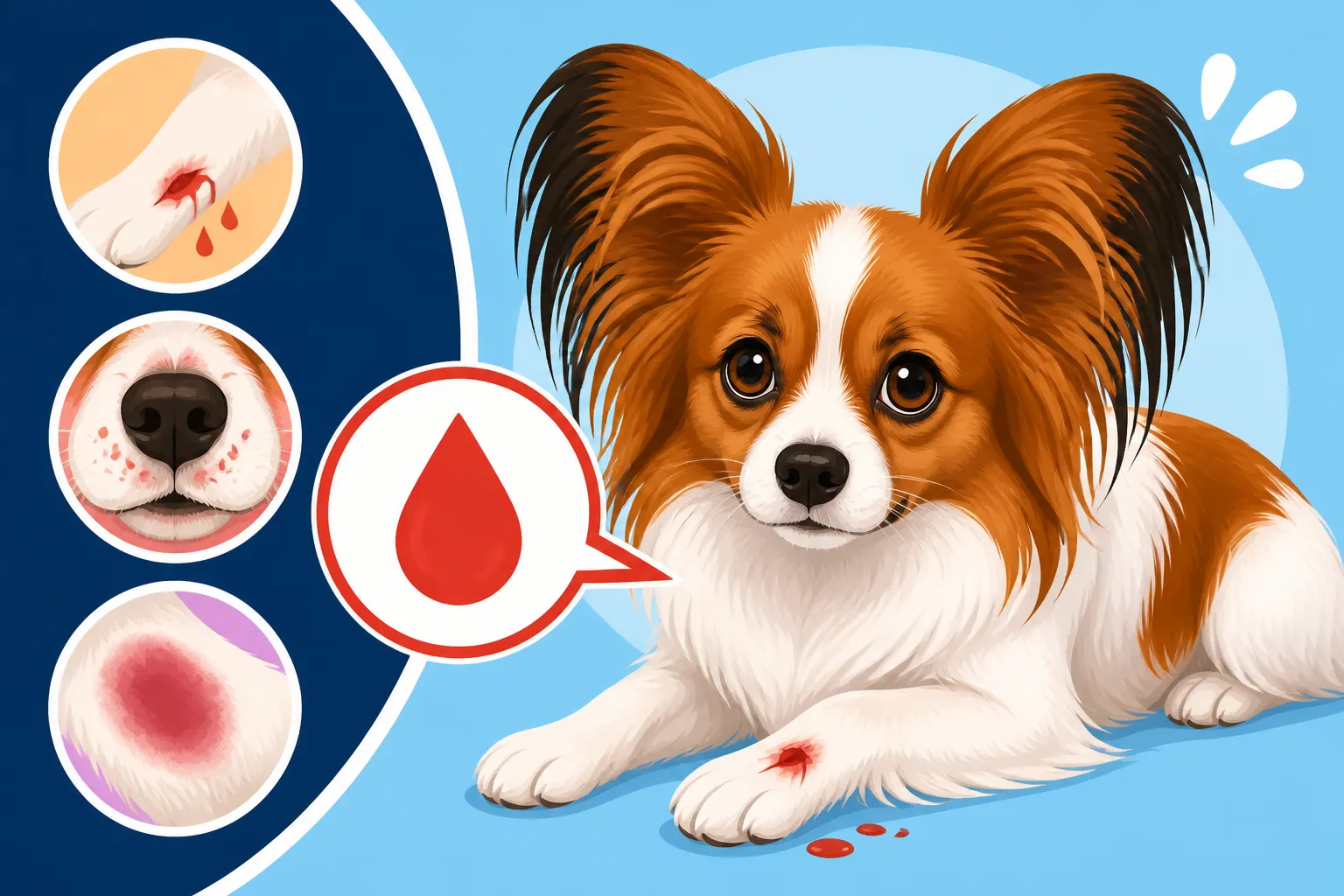
One of the clearest indicators that your Papillon might have a problem with easy bleeding is the presence of unexplained bruises or petechiae. Bruises are essentially collections of blood under the skin, and they can vary in size and color. They might start out purplish-red and then fade to green or yellow over time, just like in humans. Look for them on the abdomen, inner thighs, and ears – places where the skin is often lighter and easier to see. A Papillon’s delicate skin might bruise more easily than a larger, tougher breed, but large, multiple, or spontaneous bruises are never normal.
Even more specific than general bruising are petechiae. These are tiny, pinpoint red or purple spots, almost like a rash of small freckles, that appear on the skin or mucous membranes. They are caused by tiny capillaries breaking and leaking blood. You’ll often find petechiae on your Papillon’s gums, inside their ear flaps, or on their belly. They don't disappear when you press on them, distinguishing them from a regular rash. If you see petechiae, especially in combination with other bleeding signs, it is a very strong signal that your dog's clotting system isn't functioning correctly, and immediate veterinary attention is crucial.
Internal Bleeding Indicators
While external bleeding is obvious, internal bleeding can be much harder to spot, yet it’s often far more dangerous. If your Papillon is bleeding internally, you might not see any blood at all, but other symptoms will certainly manifest. Watch for signs of lethargy, weakness, and an overall reluctance to move or play. A dog in pain or experiencing significant blood loss will conserve energy. You might also notice pale gums; healthy gums should be a vibrant pink, but if they are very light pink, almost white, it indicates a lack of red blood cells, a hallmark of significant blood loss.
Other concerning signs of internal bleeding include a swollen or distended abdomen, which could indicate bleeding into the belly cavity. Your Papillon might also have difficulty breathing, as internal bleeding can sometimes put pressure on organs or lead to fluid accumulation in the chest. Changes in stool or urine color are also important clues: dark, tarry stools (melena) can signal digested blood from the upper gastrointestinal tract, while bright red blood in the stool or urine is also a serious red flag. Any of these symptoms warrant an immediate emergency vet visit. Remember that a Papillon's small size makes them particularly vulnerable to rapid decline with internal bleeding, so quick action is vital.
Prolonged Bleeding from Minor Injuries
This is perhaps one of the most common ways owners first suspect an issue. You might take your Papillon in for a routine nail trim, or perhaps they have a scheduled dental procedure. Normally, a quick nail trim might result in a tiny bit of blood if the quick is hit, but it stops almost immediately with a little styptic powder or pressure. However, if your Papillon continues to bleed from a nail for an extended period, say more than five minutes, that's not normal. Similarly, after a dental cleaning, a healthy dog's gums might be a little pink, but prolonged oozing or significant bleeding days later is a major concern.
Even a small cut, like a tiny scratch from a thorn during a walk or a minor wound from roughhousing with another pet, should stop bleeding within minutes. If you find yourself applying pressure for ten, fifteen, or even twenty minutes and the wound is still slowly oozing, it suggests that their blood isn't clotting as it should. This kind of persistent, low-level bleeding from a minor injury is a strong indicator that you need to get your Papillon checked out by a vet. This is precisely the kind of situation where you might wonder, "Whether a Papillon Should Be Tested Before Surgery" as prophylactic testing can prevent complications.
Bleeding from Orifices
Bleeding that originates from a body opening without obvious trauma is always a cause for concern. A nosebleed (epistaxis) that isn't clearly caused by a bump or injury can be a sign of a clotting disorder or other systemic illness. While a one-off, brief nosebleed might just be due to dry air or a minor irritation, recurrent or heavy nosebleeds warrant investigation.
Blood in the urine (hematuria) or stool (hematochezia or melena) is also serious. Bright red blood in the stool usually indicates bleeding in the lower digestive tract, while dark, tarry stools (melena) suggest bleeding higher up. Blood in the urine can make it appear pink, red, or even brownish. Bleeding from the gums that isn't due to brushing too hard or obvious trauma is another sign, especially if it's spontaneous or persistent. Given that How Common Dental Disease Is in Papillons is high, it's essential to differentiate between gum inflammation due to dental issues and a systemic bleeding problem. Any of these signs should prompt an immediate call to your veterinarian.
Common Causes of Easy Bleeding in Papillons
When a Papillon bleeds too easily, it often points to an underlying medical condition affecting their blood clotting abilities. Understanding these potential causes can help you advocate for your pet and ensure they receive the correct diagnosis and treatment.
Von Willebrand Disease
Perhaps one of the most well-known causes of easy bleeding in dogs, including Papillons, is Von Willebrand Disease (VWD). This is an inherited bleeding disorder where the dog lacks or has low levels of von Willebrand factor, a protein necessary for platelets to stick together and form a plug at the site of a blood vessel injury. Essentially, their blood doesn't clot properly. Papillons are one of the breeds known to be affected, specifically by Type 1 VWD, which is typically milder than other types but can still cause significant issues.
The signs of VWD can vary widely. Some Papillons might only show mild symptoms, such as occasional nosebleeds or prolonged bleeding after a minor injury like a nail trim or spay/neuter surgery. Others can experience more severe episodes, including bleeding into joints, the gastrointestinal tract, or even spontaneous bruising. If your Papillon has VWD, it's critical to manage any surgical procedures carefully. This is why it's so important to know What Von Willebrand Disease Does to a Papillon and to discuss potential testing with your vet, especially if you have a puppy or are planning any surgeries. Many responsible breeders will screen their dogs for VWD before breeding to prevent passing on this condition.
Platelet Disorders
Beyond Von Willebrand Disease, problems with platelets themselves can lead to easy bleeding. Platelets are tiny cell fragments in the blood that play a crucial role in forming blood clots. There are two main types of platelet disorders that can cause bleeding: thrombocytopenia (low platelet count) and platelet dysfunction (platelets are present in normal numbers but don't work correctly). Thrombocytopenia can be caused by a variety of conditions, including immune-mediated diseases where the body mistakenly attacks its own platelets, certain infections (like tick-borne diseases), some cancers, or even reactions to medications.
Platelet dysfunction, while less common, means the platelets aren't "sticky" enough to do their job, even if there are plenty of them. Dogs with platelet disorders might exhibit many of the same signs as those with VWD: petechiae, bruising, nosebleeds, and prolonged bleeding from cuts. Diagnosing these conditions typically involves a complete blood count (CBC) to check platelet numbers, and sometimes more specialized tests to assess platelet function or look for underlying causes. This is where a thorough veterinary workup becomes absolutely essential.
Other Medical Conditions and Medications
It's not always an inherited disorder or a primary platelet problem. Several other medical conditions can indirectly lead to easy bleeding in your Papillon. Liver disease, for instance, can impair the liver's ability to produce clotting factors, leading to a higher risk of hemorrhage. Kidney disease, certain types of cancer, and severe infections can also interfere with the clotting cascade or platelet production. Even exposure to toxins, most notably rodenticides (rat poison), can cause severe and life-threatening bleeding by interfering with Vitamin K, which is essential for clotting.
Additionally, some medications can affect a Papillon's ability to clot. Non-steroidal anti-inflammatory drugs (NSAIDs), while sometimes necessary for pain management, can thin the blood and increase bleeding risk, especially if your dog has an underlying clotting issue. Always be transparent with your veterinarian about any medications or supplements your Papillon is taking. They can help assess the risk and determine if blood thinning is a side effect. This comprehensive approach underscores the need to ask your vet What a Papillon's Yearly Bloodwork Should Cover to catch these issues early.
What to Do If Your Papillon Bleeds Too Easily
Discovering your Papillon is bleeding easily can be frightening, but knowing what to do immediately and in the long term can make a world of difference. Your quick, calm response can greatly impact their outcome.
Immediate First Aid at Home
If your Papillon has a visible wound that is bleeding, your immediate priority is to stop the blood flow. For minor cuts, apply direct, firm pressure with a clean cloth or gauze for at least 5-10 minutes. Resist the urge to peek during this time, as it can disrupt clot formation. If it's a nail bleed, a styptic pencil or powder, or even cornstarch, can help. If the bleeding is heavy, spurting, or doesn't stop after 10-15 minutes of continuous pressure, you need to get to an emergency vet immediately.
For signs of internal bleeding, such as pale gums, extreme lethargy, or a swollen abdomen, do not delay. These are emergency situations that require immediate veterinary intervention. Wrap your Papillon gently in a blanket to keep them warm and minimize movement, and head straight to the nearest emergency clinic. Even if you're not entirely sure, it's always better to err on the side of caution with such a tiny and delicate breed. Remember, How a Papillon Hides Pain means you might not always see obvious distress until the condition is advanced.
Veterinary Diagnosis and Treatment
Once you're at the vet, they will conduct a thorough examination and likely recommend a series of diagnostic tests to pinpoint the cause of the easy bleeding. This will almost certainly include a complete blood count (CBC) to check red blood cell count, white blood cell count, and critically, the platelet count. They will also likely perform a coagulation profile, which includes tests like prothrombin time (PT) and activated partial thromboplastin time (aPTT) to assess how well their blood is clotting and to identify any deficiencies in clotting factors. A buccal mucosal bleeding time (BMBT) test, which measures how long it takes for a small prick on the gum to stop bleeding, can indicate platelet function or Von Willebrand Disease.
Treatment will depend entirely on the diagnosis. If it's VWD, managing future bleeding episodes may involve administering cryoprecipitate or fresh frozen plasma before surgery to provide the missing clotting factors. If thrombocytopenia is due to an immune-mediated condition, medications like corticosteroids might be used to suppress the immune system. For toxin exposure, specific antidotes (like Vitamin K for rodenticide poisoning) will be given. In severe cases of blood loss, a blood transfusion might be necessary. Your vet will create a tailored treatment plan to address the specific issue and get your Papillon back to health.
Proactive Care and Prevention
Prevention and proactive care are crucial, especially if your Papillon has been diagnosed with a bleeding disorder or comes from lines known to carry such conditions. If you're getting a puppy, make sure to ask the breeder about genetic health testing, including for Von Willebrand Disease. Responsible breeders will usually have this information readily available as part of Which Health Tests a Papillon Breeder Should Run. Regular veterinary check-ups are also vital, as they allow your vet to monitor your Papillon's overall health and catch subtle changes early.
Consider pet insurance. Having a comprehensive pet insurance plan, like one from Healthy Paws, can provide immense peace of mind. Conditions that cause easy bleeding often require extensive diagnostics and ongoing treatment, and these costs can add up quickly. A good policy from Healthy Paws can help cover a significant portion of these unexpected veterinary bills, allowing you to focus on your Papillon's recovery rather than financial stress. Lastly, be mindful of your Papillon's environment. Minimize opportunities for injury by providing ramps for furniture, keeping sharp objects out of reach, and ensuring safe play with other dogs. Always remember to discuss Whether a Papillon Needs a Clotting Panel Before Surgery with your vet well in advance of any planned procedure.
| Sign of Bleeding | Description | Urgency |
|---|---|---|
| Normal Small Cut/Scrape | A few drops of bright red blood from a clear injury. Stops within 5 minutes with gentle pressure. | Minimal |
| Prolonged Oozing | Bleeding from a minor injury (e.g., nail trim, small cut) that continues for 10+ minutes despite pressure. | Moderate – Contact Vet |
| Petechiae | Tiny, pinpoint red or purple spots on gums, inner ears, or belly. | High – Contact Vet Immediately |
| Unexplained Bruising | Large, discolored patches on skin (especially belly/inner thighs) without apparent injury. | High – Contact Vet Immediately |
| Pale Gums | Gums appear very light pink or white instead of healthy pink. Often accompanied by lethargy. | Emergency – Seek Vet Care NOW |
| Swollen Abdomen | Belly appears distended or hard, potentially indicating internal bleeding. | Emergency – Seek Vet Care NOW |
| Lethargy/Weakness | Unusual tiredness, reluctance to move, or collapse. | Emergency – Seek Vet Care NOW |
| Blood in Urine/Stool | Pink/red urine, bright red blood in stool, or dark, tarry stools (melena). | High – Contact Vet Immediately |
| Nosebleeds | Recurrent or heavy bleeding from the nose without trauma. | High – Contact Vet Immediately |
| Bleeding Gums (Spontaneous) | Gums bleeding without direct injury or severe dental disease. | High – Contact Vet Immediately |
Disclaimer
The information provided in this article is for educational and informational purposes only and does not constitute veterinary advice. Always consult with a qualified veterinarian for any health concerns or before making any decisions related to your pet's health and treatment.