Whether a Papillon Needs a Cardiac Exam
It’s a natural worry for any Papillon owner to wonder about their tiny companion’s heart health. These spirited little dogs, while generally robust, aren't immune to cardiac issues, and the thought of something serious lurking can be truly unsettling. This guide will walk you through when a cardiac exam might be necessary for your Papillon, what to expect from these examinations, and how to proactively support your furry friend's heart, giving you peace of mind and the tools to ensure they live their best, longest life.
Understanding Papillon Heart Health Concerns
Even though Papillons are known for their longevity and generally good health, like many small breeds, they do have a predisposition to certain heart conditions. It’s not about fear-mongering, but about being informed and prepared, especially when you have such a delicate and beloved family member. Recognising the signs early and understanding the potential issues can make all the difference.
Common Cardiac Conditions in Papillons
One of the most common heart conditions that can affect Papillons, along with many other small breeds, is called Myxomatous Mitral Valve Disease (MMVD), sometimes referred to simply as Mitral Valve Disease or MVD. This isn't some rare, exotic illness; it's a degenerative condition where the mitral valve, one of the main valves in the heart, starts to thicken and eventually fails to close properly. When this happens, blood can leak backward into the atrium each time the heart beats.
Initially, this leakage might be very minor and cause no symptoms at all. It might only be detectable as a subtle heart murmur heard by your vet during a routine check-up. As the disease progresses, however, the heart has to work harder to pump blood efficiently, and over time, this can lead to enlargement of the heart and ultimately, congestive heart failure. Symptoms then can become more apparent: coughing, especially at night or when excited, reduced exercise tolerance, increased breathing rate, or even fainting spells. It's a progressive disease, and unfortunately, there's no cure, but there are treatments that can slow its progression and manage symptoms, significantly improving the quality and length of life for affected dogs. You can learn more about this by reading up on The Age a Papillon's Mitral Valve Starts to Leak.
Genetic Predisposition and Age
While MMVD isn't strictly considered a genetic disease in Papillons in the same way some other breed-specific conditions are, there’s definitely a strong breed predisposition, meaning Papillons are simply more likely to develop it than many other breeds. Age is also a significant factor, with the disease typically appearing in middle-aged to senior dogs, usually starting around seven to ten years old, though it can occur earlier. This is why regular veterinary check-ups, especially as your Papillon ages, are so crucial. Early detection allows for earlier intervention, which can delay the onset of more severe symptoms.
Beyond MMVD, while less common, Papillons could also potentially face other heart issues, though MMVD is by far the primary concern. Responsible breeders will often screen their breeding dogs for various health conditions, including cardiac health, to try and minimize the chances of passing on predispositions. You can find out more about broader health concerns by looking into Whether the Papillon Is a Healthy Breed.
When is a Cardiac Exam Recommended for Your Papillon?
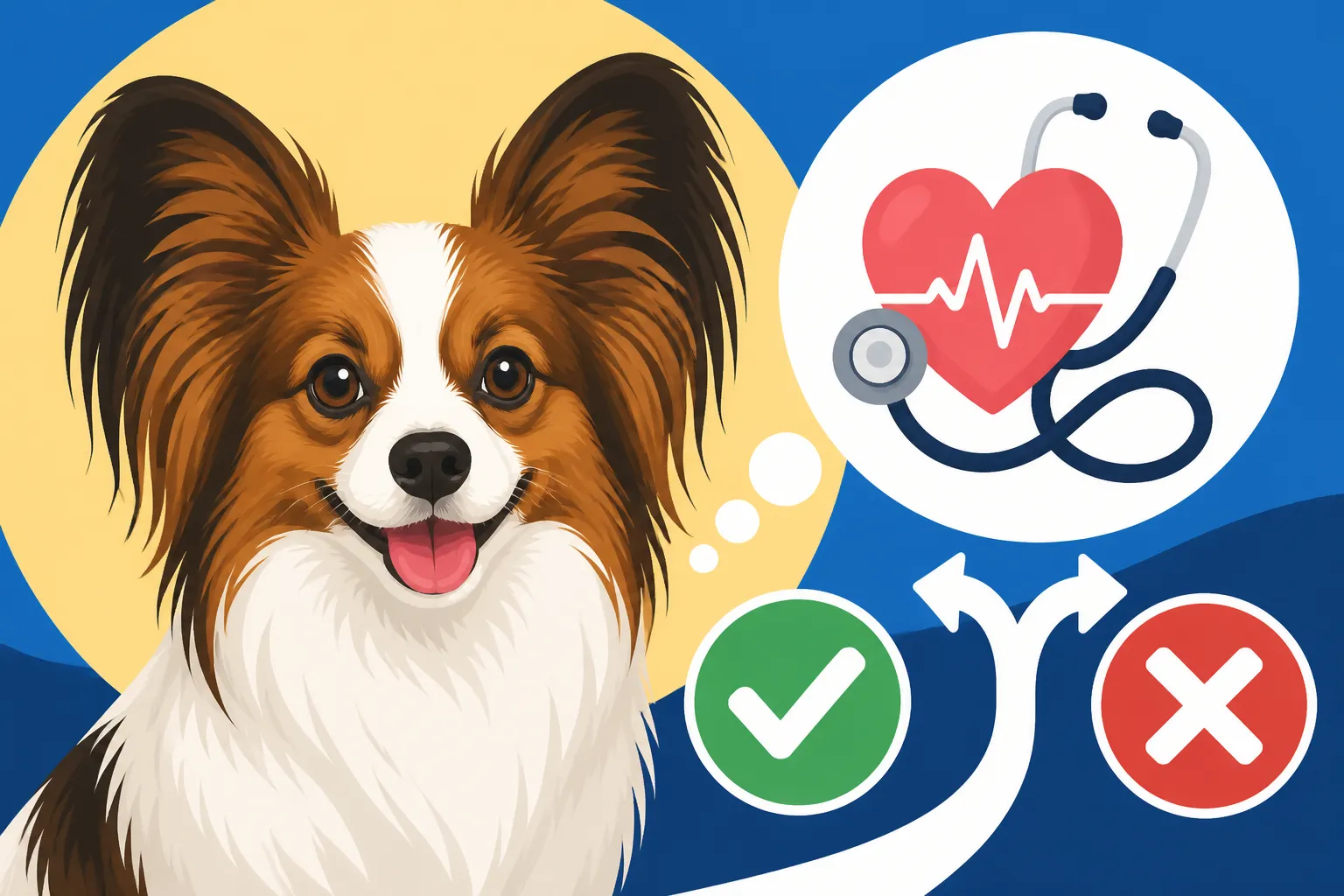
The question of whether a Papillon needs a cardiac exam isn't always a straightforward "yes" or "no." It really depends on several factors, from routine wellness checks to specific symptoms or even breeder recommendations. It’s about being proactive and listening to your vet’s advice, rather than waiting for obvious signs of trouble.
Routine Wellness Checks and Heart Murmurs
Every single time your Papillon goes to the vet for their annual wellness exam, a basic cardiac check is part of the routine. Your veterinarian will use a stethoscope to listen carefully to your dog's heart. This is called auscultation. They’re listening for any unusual sounds, specifically a heart murmur.
A heart murmur is simply an abnormal whooshing sound that occurs when there's turbulent blood flow within the heart. It doesn't automatically mean your Papillon has severe heart disease, but it's a flag that warrants further investigation. Murmurs are graded on a scale of I to VI, with I being very faint and VI being very loud. The grade often correlates with the severity of the underlying issue, but not always. A quiet murmur could still indicate significant disease, and a loud one could sometimes be benign. If your vet detects a murmur, they might recommend a more in-depth cardiac exam. This is when you'd start looking at specialized diagnostics. It’s worth exploring Whether a Papillon Gets a Heart Murmur to understand this initial finding better.
Visible Symptoms and Behavioral Changes
Beyond the routine check, there are definite signs and symptoms that should prompt you to call your vet and ask specifically about a cardiac exam. These are often indicators that something is already affecting your Papillon’s heart function and shouldn't be ignored:
- Persistent Coughing: Especially if it’s a soft, hacking cough that sounds like they’re trying to clear their throat, or if it happens more at night, during excitement, or after exercise. This can be a sign of fluid accumulation in the lungs due to heart failure.
- Difficulty Breathing or Panting Excessively: If your Papillon seems to be breathing harder than usual, even at rest, or is panting even when not hot or exercising, it’s a serious red flag.
- Reduced Stamina or Exercise Intolerance: Your usually energetic Papillon might tire quickly on walks, be reluctant to play, or seem less enthusiastic about activities they once loved.
- Fainting or Weakness: Any episode of collapsing, weakness, or sudden loss of consciousness is an emergency and requires immediate veterinary attention.
- Swollen Abdomen: Fluid retention can lead to a distended belly, which can be a sign of right-sided heart failure.
- Changes in Appetite or Weight Loss: While not exclusive to heart disease, unexplained changes in eating habits or weight can be a general indicator of underlying health issues.
If you notice any of these changes, even subtle ones, don't hesitate to reach out to your veterinarian. They’re the best ones to evaluate whether these symptoms point to a cardiac issue and if a comprehensive exam is the next step.
Pre-Anesthetic Screening and Senior Papillons
There are also specific life stages or situations where a cardiac exam, or at least a thorough cardiac workup, becomes particularly important.
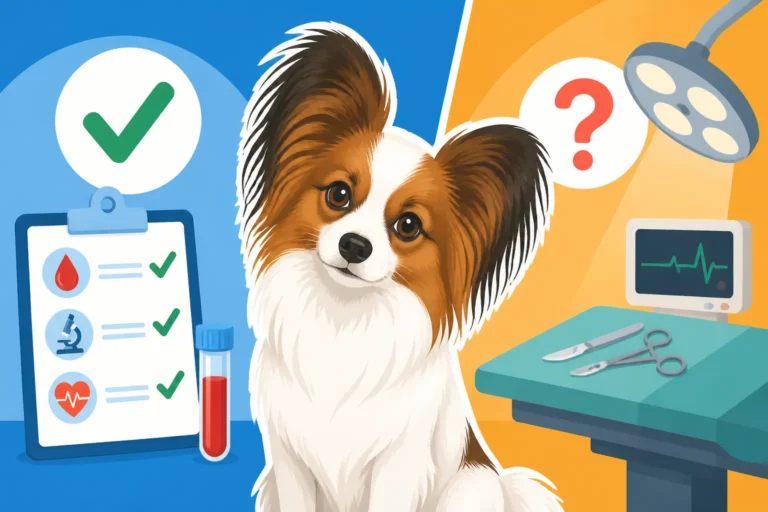
For example, if your Papillon needs surgery that requires general anesthesia, such as for a dental cleaning or a spay/neuter, a pre-anesthetic exam is crucial. This typically includes bloodwork and a physical exam, but if a murmur is detected, or if your Papillon is a senior, your vet might recommend further cardiac diagnostics to ensure their heart can safely handle the anesthesia. This careful assessment reduces risks significantly. Knowing Anesthesia and a Five Pound Papillon is important here, as their small size can make them more sensitive.
As Papillons enter their senior years, generally around age 8-10 and certainly after 11, the risk of developing MMVD and other age-related heart conditions increases significantly. Regular check-ups, ideally twice a year for seniors, become even more critical, and a cardiac exam might be recommended as part of their comprehensive senior wellness plan, even if no obvious symptoms are present. It's just good practice to monitor their aging systems closely, and you can learn more about this by reading Caring for a Papillon Past Eleven.
What Happens During a Comprehensive Cardiac Exam?
If your vet recommends a more in-depth look at your Papillon's heart, you'll likely be referred to a veterinary cardiologist, a specialist in animal heart health. This might sound intimidating, but it’s the best way to get a clear diagnosis and a precise treatment plan. These exams go far beyond listening with a stethoscope.
Initial Consultation and Advanced Diagnostics
When you visit a veterinary cardiologist, they will start with a thorough review of your Papillon's medical history, current symptoms, and any medications your dog is taking. They’ll also perform a very detailed physical examination, including a much more extensive auscultation of the heart and lungs than a general practitioner might do.
Following this, a series of specialized diagnostic tests will typically be performed. These tests give the cardiologist a complete picture of your Papillon’s heart structure, function, and electrical activity.
- Echocardiogram (Cardiac Ultrasound): This is arguably the most important diagnostic tool for heart disease. It's a non-invasive ultrasound that provides real-time images of your Papillon's heart. The cardiologist can see the size of the heart chambers, the thickness of the heart muscle, how well the valves are working, and the speed and direction of blood flow. They can measure the degree of leakage from the mitral valve, assess heart contractility, and identify any structural abnormalities. It’s like getting a moving picture of your dog’s heart in action. Your Papillon will usually lie comfortably on their side, often with a small patch of fur shaved to allow for better probe contact. Most dogs tolerate this very well without sedation.
- Electrocardiogram (ECG/EKG): An ECG measures the electrical activity of the heart, which helps detect abnormal heart rhythms (arrhythmias) or other electrical disturbances. Small clips are attached to your Papillon’s skin (often on the elbows and knees, not painful!), and the electrical impulses are recorded. It's quick, non-invasive, and painless.
- Thoracic Radiographs (Chest X-rays): X-rays allow the cardiologist to see the overall size and shape of the heart and check for fluid accumulation in the lungs or around the heart, which are signs of congestive heart failure. They can also assess the size of the major blood vessels. This test often confirms if a heart condition has progressed to heart failure.
- Blood Pressure Measurement: Just like in humans, high blood pressure (hypertension) can affect heart health and kidney function. Measuring blood pressure with a cuff provides another piece of the puzzle.
- Blood Tests: While not directly a cardiac exam, certain blood tests can provide valuable information. For instance, specific biomarkers like NT-proBNP can indicate heart stress or disease severity. Standard blood panels also provide a general health overview and check organ function, which is important for overall treatment planning. You might want to consider What a Papillon's Yearly Bloodwork Should Cover for more insights.
Interpreting the Results
After these tests, the veterinary cardiologist will explain all the findings to you in detail. They will tell you if your Papillon has a heart condition, what stage it’s in, and what the prognosis looks like. This is also when they'll discuss a tailored treatment plan, which could include medications, dietary recommendations, and lifestyle adjustments.
It's natural to feel overwhelmed by all this information, especially when it concerns your beloved pet. Don’t hesitate to ask questions, even if you feel like you're asking "dumb" ones. A good cardiologist will take the time to ensure you understand everything.
Table: Common Cardiac Exam Procedures for Papillons
| Exam Type | What it is | What it Detects | When it's Recommended | Typical Cost Implications (General Estimate) |
|---|---|---|---|---|
| Auscultation | Listening to heart with a stethoscope | Heart murmurs, irregular rhythms | Routine annual exams, any suspicious symptoms | Included in vet visit |
| Chest X-rays | Radiographic images of the chest | Heart size/shape, fluid in lungs (CHF), large vessels | Suspected heart enlargement, coughing, difficulty breathing, stage progression | Moderate |
| Echocardiogram | Ultrasound of the heart | Heart structure, valve function, blood flow, muscle function | Detected murmur (Grade II+), clinical signs of heart disease, pre-breeding screen | High (specialist required) |
| Electrocardiogram | Measures heart's electrical activity | Arrhythmias (abnormal rhythms) | Irregular heart rate, fainting spells, pre-anesthetic for at-risk dogs | Moderate |
| Blood Pressure | Measurement of arterial pressure | Hypertension (high blood pressure) | Routine senior care, kidney disease, suspected hyperthyroidism | Low to Moderate |
| Blood Tests | General health panel, specific cardiac biomarkers | Organ function, heart stress indicators (e.g., NT-proBNP) | General wellness, pre-anesthetic, monitoring heart disease progression | Moderate |
Note: Cost implications are general estimates and can vary significantly by region, veterinary clinic, and specific needs. Always consult your vet for precise figures.
Living with a Papillon Heart Condition
Receiving a diagnosis of a heart condition in your Papillon can be heartbreaking, but it's important to remember that it's not a death sentence. Many Papillons with heart disease, especially if caught early, can live long, fulfilling lives with proper management. The key is consistent care, adherence to treatment plans, and ongoing monitoring.
Management and Treatment Options
Treatment for Papillon heart conditions, particularly MMVD, focuses on managing symptoms, slowing disease progression, and improving quality of life. The specific medications and therapies will depend on the stage and severity of the disease.
- Medication: This is often the cornerstone of treatment. Your vet cardiologist might prescribe a combination of drugs:
- Diuretics (e.g., Furosemide): These help remove excess fluid from the body, reducing fluid in the lungs and abdomen, which is crucial for managing congestive heart failure symptoms like coughing and difficulty breathing.
- ACE Inhibitors (e.g., Enalapril, Benazepril): These medications help dilate blood vessels, making it easier for the heart to pump blood and reducing the workload on the heart.
- Pimobendan (Vetmedin): This is a remarkable drug that both improves the heart's pumping ability and dilates blood vessels. It’s often considered a cornerstone treatment for MMVD and has been shown to significantly extend the lives of dogs with advanced disease.
- Other Medications: Depending on the specific case, other drugs like anti-arrhythmics or vasodilators might be used.
- Dietary Adjustments: Your vet might recommend a low-sodium diet, especially if your Papillon is in heart failure. Reducing sodium helps minimize fluid retention. There are prescription cardiac diets available that are formulated to support heart health.
- Lifestyle Modifications: While your Papillon might still enjoy walks and playtime, vigorous exercise might need to be moderated to avoid over-stressing the heart. Monitoring their breathing rate at home, especially while resting or sleeping, can be a simple but effective way to track their condition.
It’s a team effort between you, your primary veterinarian, and the cardiologist. You'll likely have regular follow-up appointments to monitor your Papillon's response to medication and adjust the treatment plan as needed. The cost of these medications can add up, so having pet insurance like Healthy Paws can be a huge relief in managing these ongoing expenses, allowing you to focus on your dog's health without the added financial stress.
Prognosis and Quality of Life
The prognosis for a Papillon with heart disease varies greatly depending on the specific condition, its severity, and how early it's detected and managed. For MMVD, if a murmur is detected early but without clinical signs (Stage B1 or B2), your dog can live for many years symptom-free. Once clinical signs of heart failure appear (Stage C), the prognosis is generally shorter, but with good management, many dogs can still enjoy a good quality of life for months to a couple of years or more.
The most important thing is focusing on your Papillon’s quality of life. This means:
- Staying Vigilant: Pay close attention to any changes in their breathing, energy levels, appetite, or coughing. Keep a log if it helps you track patterns.
- Administering Medications Consistently: It's vital to give all prescribed medications exactly as directed by your vet, without missing doses.
- Regular Vet Visits: Adhere to the recommended schedule for follow-up appointments and diagnostics.
- Providing Comfort: Ensure your Papillon has a comfortable, stress-free environment. Provide soft beds, easy access to water, and maintain a consistent routine.
It’s tough to watch your beloved Papillon age and deal with health challenges. However, with modern veterinary medicine and your dedicated care, you can ensure they remain happy and comfortable for as long as possible. Many owners find that despite a heart condition, their Papillons continue to bring immense joy, validating why a good pet insurance plan like Healthy Paws is so valuable.
Remember, while a cardiac exam might seem like a daunting step, it’s a powerful tool in your arsenal to protect your Papillon's precious heart. Being proactive and informed is truly the best way to ensure your tiny, winged companion continues to flutter through life with zest.
Disclaimer
The information provided in this article is for general informational purposes only and is not a substitute for professional veterinary advice. Always consult with a qualified veterinarian or veterinary cardiologist for any health concerns or before making any decisions related to your Papillon's medical care.