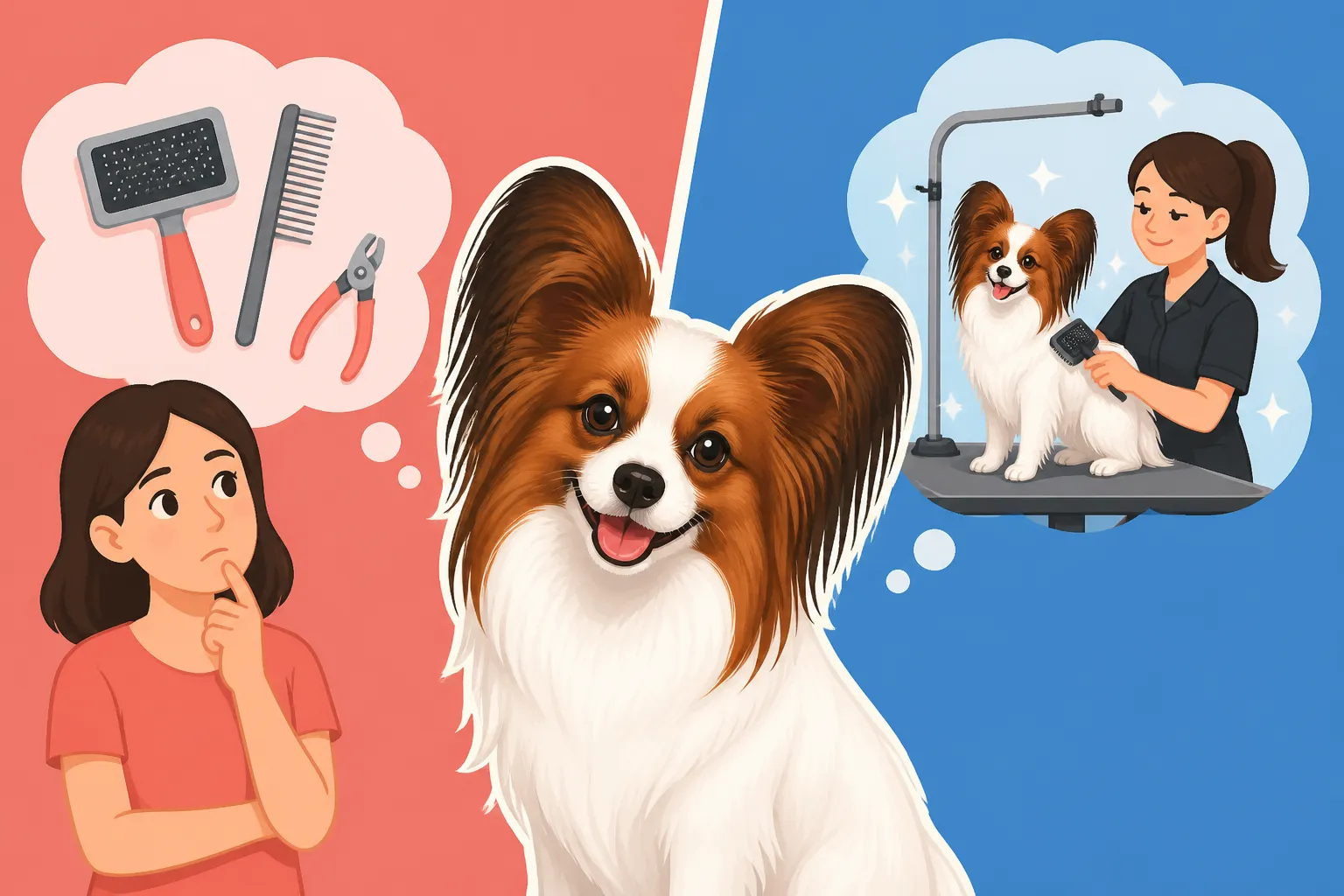
Whether a Papillon Needs a Professional Groomer
That gorgeous, flowing coat on your Papillon is undeniably a huge part of their charm, isn't it? But beneath that elegant cascade of hair, many Papillon owners secretly wonder if they’re doing enough to keep it healthy and mat-free. It’s a common frustration to look at that silky fringe and feel overwhelmed, asking yourself if your at-home efforts are truly sufficient or if a professional groomer is a non-negotiable part of Papillon ownership. This guide is here to help you navigate those waters, breaking down exactly what your Papillon needs, what you can tackle yourself, and when calling in an expert is truly the best course of action for both of you.
Understanding the Papillon Coat
Before we dive into the nitty-gritty of grooming, it's really helpful to understand exactly what kind of coat your Papillon is sporting. This isn't just fluffy hair; it's a finely tuned piece of canine architecture that, once you understand it, makes all the grooming advice suddenly click into place. Many people assume all long-haired dogs are the same, but the Papillon's coat has some unique characteristics that set it apart.
The Unique Structure: Single Coat and Feathering
Unlike many double-coated breeds with a dense, woolly undercoat, your Papillon has what's known as a single coat. This means there's no thick, insulating layer underneath the long, silky outer guard hairs. This single-coat nature is a double-edged sword: it means less shedding volume than some breeds (though they absolutely do shed!), and it often results in that beautiful, flowing texture that makes the Papillon so distinctive. However, it also means their hair is more prone to tangling and matting if not regularly maintained, especially in those signature "fringes."
Think about human hair that's long and fine – it snarls easily, right? A Papillon's coat is similar in its delicacy. The hallmark of the breed is its abundant feathering on the ears, chest, tail, and legs – truly what gives them their butterfly-like appearance. These areas, particularly the ears and the "culottes" on their hind legs, are magnificent when well-kept, but they're also the first places to develop troublesome mats. Understanding that these are single, fine hairs helps you approach brushing with a gentle hand, focusing on preventing breakage and discomfort. You'll find that managing A Papillon's Coat Is All Fringe and No Undercoat becomes much easier once you appreciate its unique composition.
Shedding Expectations: More Than You Might Think
While Papillons are often touted as low-shedding dogs, it's crucial to be realistic: all dogs shed. The idea that a Papillon doesn't shed much often comes from comparison to breeds like German Shepherds or Labradors that "blow" their coats seasonally. Papillons shed a steady, small amount of hair year-round, rather than in large seasonal clumps. This continuous shedding means those fine hairs are constantly being replaced, and if they're not brushed out, they become intertwined with the healthy hair, forming mats.
You might not find massive tumbleweeds of fur rolling across your floor, but you will definitely notice hair on furniture, clothing, and circulating in the air. This steady shedding is precisely why regular brushing is non-negotiable. It's not just about aesthetics; it's about removing the dead hair before it causes problems. Without proper brushing, especially in high-friction areas like behind the ears or under the legs, that shed hair quickly binds together, creating painful knots that can pull on your dog's skin.
Common Coat Challenges: Mats, Tangles, and Dirt
Even with the best intentions, Papillon coats can present challenges. Mats and tangles are the nemeses of Papillon owners everywhere. These aren't just cosmetic issues; they can be incredibly uncomfortable for your dog, pulling on their skin and even leading to skin infections if moisture gets trapped underneath. The most common areas for mats are behind the ears, under the armpits, on the chest frill, and in the "culottes" on the back of their legs. These are areas where movement causes friction, and where the fine feathering is at its longest and most susceptible.
Dirt and debris are also easily picked up by those long fringes, especially during outdoor adventures. A Papillon who loves to run through tall grass will inevitably come back with burrs, twigs, and leaves tangled in their coat. Muddy paws can quickly lead to muddy leg and chest feathering. While a quick wipe-down can help with surface dirt, deeply embedded debris or persistent mud can solidify into hard, uncomfortable clumps, making brushing even more difficult. Ignoring these issues, even for a few days, can turn a small tangle into a significant mat that's much harder, and more painful, to remove.
The Basics of Papillon Home Grooming
So, you've got this beautiful, delicate coat, and you're committed to keeping it in top shape. The good news is that a significant amount of Papillon grooming can, and should, be done right at home. Establishing a consistent home grooming routine is the absolute best defense against mats and skin issues, and it also strengthens the bond between you and your pup. It's not just about looking good; it's about feeling good, too.
Daily Brushing: The Foundation of Good Coat Health
This is truly the cornerstone of Papillon coat care. Daily brushing, even for just a few minutes, makes a world of difference. Your goal isn't just to make the coat look neat; it's to remove loose hair, prevent tangles from forming, and distribute natural skin oils to keep the coat healthy and shiny. For a Papillon, a high-quality pin brush is often your best friend, followed by a metal comb to gently work through the feathering and check for any missed tangles.
Start by sectioning the hair, working in small areas, and always brushing down to the skin. Don't just skim the top of the coat, as mats often start close to the body where they're harder to see. Pay extra attention to those problem areas we discussed: behind the ears, under the armpits, the chest, and the culottes. A little detangling spray can be a lifesaver for stubborn knots, but remember to be gentle and patient. Trying to rip through a tangle will only cause pain and break the delicate hair. Many owners wonder How Often a Papillon Needs Brushing, and the answer is truly, as often as possible, with daily being ideal for preventing issues. For the best results, ensure you're using Which Brush a Papillon Needs correctly for their specific coat type.
Bathing Your Papillon: Frequency and Technique
Bathing your Papillon isn't quite a daily affair, but it's important to get the frequency and technique right. Generally, most Papillons benefit from a bath every 2-4 weeks, or whenever they get particularly dirty. Over-bathing can strip natural oils, leading to dry skin and a dull coat, while under-bathing can allow dirt and oils to build up, contributing to skin issues and matting.
Before bathing, always give your Papillon a thorough brush-out to remove any tangles or mats. Water will tighten existing mats, making them incredibly difficult, if not impossible, to remove without cutting. Use a gentle dog-specific shampoo, diluted according to the instructions, and make sure to rinse thoroughly. Residue left in the coat can irritate the skin and attract more dirt. After rinsing, gently squeeze out excess water with a towel, then use a low-heat hairdryer while brushing their coat to prevent tangles as it dries. This process helps keep The Plume, the Culottes and a Papillon's Chest Frill looking their best. You can learn more about this by checking out How Often a Papillon Should Be Bathed.
Nail Trims and Ear Care: Often Overlooked Essentials
Grooming isn't just about the coat; it includes vital upkeep of nails and ears. Long nails can cause discomfort, affect your Papillon's gait, and even lead to painful foot problems over time. Ideally, your Papillon's nails should be trimmed every 2-3 weeks, or as needed, so they just barely touch the ground when your dog stands. This is particularly important for active dogs, and knowing How Short a Papillon's Nails Must Stay for Agility can give you a good benchmark. If you're nervous about trimming, especially avoiding the quick, ask your vet or a professional groomer for a demonstration.
Papillons have lovely, feathered ears, but their open, upright structure generally means good air circulation, reducing the risk of ear infections compared to drop-eared breeds. Still, checking their ears weekly is a good habit. Look for any redness, swelling, unusual odor, or discharge. A gentle wipe with a dog-specific ear cleaner (never cotton swabs deep into the canal!) can keep them clean. If you notice any signs of infection, it's time for a vet visit. Regular ear checks can help prevent small issues from becoming big problems down the line.
When a Professional Groomer Becomes Essential
Even the most dedicated home groomer can face situations where a professional touch is not just helpful but truly necessary. There's no shame in admitting that some tasks are best left to the experts, especially when dealing with a delicate breed like the Papillon. Knowing when to call in the cavalry can save you stress, prevent pain for your dog, and ensure their long-term health and comfort.
Managing Mats and Tangled Feathering
This is probably the number one reason Papillon owners seek professional help. A small tangle can quickly escalate into a dense, felted mat, especially in the fine feathering. When mats are severe, attempting to brush them out at home can be incredibly painful for your dog and can even damage their skin. Professional groomers have specialized tools, techniques, and experience in safely and humanely removing even the most stubborn mats. They can often demat with less stress and discomfort than an inexperienced owner, and they know when a mat is too tight to brush out and requires careful shaving.
Trying to cut out mats yourself with scissors is a major no-no; it’s incredibly easy to accidentally cut your dog’s skin, which is very thin and delicate, particularly under tight mats. A groomer understands the direction of the coat, how to isolate the mat, and how to work slowly and carefully. They also have high-velocity dryers that can help separate hair strands, making dematting easier before scissors even come into play. If your Papillon has developed mats that you can't easily work out with a comb and detangling spray, it's definitely time to schedule a visit to a professional.
Specialized Trims and Sanitary Clipping
While the Papillon is largely a "natural" breed, meaning their long coat is part of their standard look, there are specific areas where judicious trimming can greatly improve hygiene and comfort. This is where a professional groomer's expertise truly shines. Sanitary clips, for instance, involve carefully trimming the hair around the rectum and genitals to prevent fecal matter or urine from clinging to the fur. This isn't just about cleanliness for your home; it's about preventing skin irritation and odors for your dog.
Additionally, a groomer can expertly trim the hair between paw pads, which can become long and matted, affecting traction and collecting debris. They can also tidy up the "hare foot" shape that is characteristic of the breed, ensuring the feet look neat while maintaining their function. Some owners also opt for minor trims to keep the long ear fringes or chest feathering from dragging on the ground or getting into food and water bowls. These are not full "haircuts" but strategic trims that enhance your dog's quality of life without altering their breed-specific appearance. Understanding Whether a Papillon's Feet Need Trimming for comfort and cleanliness is key here.
Addressing Specific Skin and Coat Issues
Sometimes, a Papillon's coat issues can be more than just tangles; they can be indicators of underlying skin problems. A professional groomer spends a lot of hands-on time with your dog, often noticing subtle changes in their skin or coat that you might miss during a quick brush. They might spot dry, flaky skin, excessive oiliness, hotspots, lumps, or unusual rashes that warrant veterinary attention.
For dogs with sensitive skin or allergies, groomers can use specialized hypoallergenic shampoos and conditioners designed to soothe and protect. They are also adept at gently working around tender areas or wounds. If your Papillon has a recurring skin issue, a groomer can often provide regular, gentle bathing and conditioning treatments that help manage symptoms, working in conjunction with your veterinarian's recommendations. This careful attention can be invaluable in maintaining overall skin health, reducing discomfort, and potentially preventing more serious problems from developing. Even with pet insurance like Healthy Paws, preventative care is always better than treatment.
Physical Limitations and Time Constraints
Let's be real: life gets busy! Many Papillon owners find that despite their best intentions, they simply don't have the time to consistently perform the thorough daily brushing and regular bathing their dog's coat requires. Work schedules, family commitments, or even just the demands of modern life can make a dedicated hour of grooming feel like a luxury. This is where a professional groomer provides an invaluable service, taking that task off your plate and ensuring your dog still receives excellent care.
Furthermore, as dogs (and humans!) age, physical limitations can come into play. An older Papillon might develop arthritis, making it painful for them to stand for long grooming sessions, or making it difficult for an owner to maneuver them comfortably. Similarly, an owner with back problems or limited dexterity might struggle with the intricate work of dematting or nail trimming. In these scenarios, a calm, experienced professional groomer who can handle your Papillon gently and efficiently is a godsend. They can adapt their techniques to accommodate an older or more sensitive dog, ensuring their comfort throughout the process. Caring for What Changes in an Aging Papillon's Care often includes more professional grooming.
Weighing the Costs and Benefits of Professional Grooming
When considering whether to enlist the help of a professional groomer, it often boils down to a balance of cost versus the benefits gained. It's a valid consideration for any pet owner, and understanding what you're paying for can help you make an informed decision that suits both your budget and your Papillon's needs.
Breaking Down the Cost of Professional Services
The cost of professional grooming for a Papillon can vary widely depending on your location, the specific groomer's experience, the services requested, and the condition of your dog's coat. Generally, a full grooming session for a small dog like a Papillon will include bathing, conditioning, blow-drying, a full brush-out, nail trimming, ear cleaning, and any necessary sanitary or paw pad trims.
The base price for these services can be quite reasonable, but be aware that extra charges may apply for things like severe matting (which requires significantly more time and careful work), flea treatments, or specialized conditioning treatments. While it's an ongoing expense, think of it as an investment in your dog's health and happiness. You can always call local groomers to get an idea of their pricing structure. For a deeper dive, you might want to look into What a Papillon Groom Costs in your area.
The Value of Expert Care and Equipment
What are you really getting when you pay for professional grooming? You're paying for expertise, specialized equipment, and efficiency. Professional groomers are trained to understand different coat types, identify skin issues, and use proper techniques that minimize stress for your dog. They have access to professional-grade shampoos, conditioners, high-velocity dryers (which dry faster and more thoroughly than home dryers, reducing the risk of skin irritation), and an array of brushes and clippers designed for specific tasks.
Their experience allows them to work quickly and confidently, often completing tasks that might take you hours at home in a fraction of the time. They are also adept at handling dogs who might be squirmy or anxious about grooming, using positive reinforcement and calm techniques. This expertise means a more thorough job, a more comfortable experience for your Papillon, and often, a longer-lasting effect than home grooming can achieve.
Time Savings and Stress Reduction for Owners and Dogs
Let's be honest: grooming can be a chore, and sometimes a stressful one, especially if your Papillon isn't keen on certain procedures like nail trims or dematting. Handing these tasks over to a professional can be a huge relief for you, freeing up your valuable time and energy. Instead of spending an hour struggling with mats, you can spend that time playing with your dog or tackling other chores.
For your Papillon, regular professional grooming can reduce the overall stress associated with maintenance. When a dog consistently experiences gentle, efficient grooming from a professional, they often become more accustomed to the process. Contrast this with an owner who might struggle, causing discomfort or frustration, which can then build negative associations with grooming. A calm, skilled groomer ensures that your Papillon's grooming experience is as positive and comfortable as possible, leading to a happier dog and a healthier coat. It's also worth considering Whether Grooming a Papillon at Home Is Realistic for your lifestyle.
Finding the Right Professional Groomer for Your Papillon
Choosing a groomer isn't like picking a random service off a list; it's about finding a partner in your Papillon's care. You're entrusting them with your beloved pet, so taking the time to find the right fit is crucial. A good groomer understands the unique needs of toy breeds and prioritizes your dog's comfort and safety.
What to Look For: Experience with Toy Breeds
When you're searching for a groomer, look for someone who has specific experience with toy breeds, and ideally, with Papillons themselves. Small dogs require a different touch and understanding than larger breeds. Their skin is delicate, their bones are fragile, and their personalities can sometimes be a bit more sensitive to handling. A groomer familiar with Papillons will know how to gently handle their delicate ear fringes, understand the texture of their single coat, and recognize the breed's typical grooming needs without over-trimming or causing stress.
Ask about their approach to fearful or anxious dogs, as even the most well-behaved Papillon can have moments of apprehension. You want someone who uses positive reinforcement, takes breaks when needed, and avoids harsh methods. Pay attention to how the grooming salon feels – is it clean, well-organized, and calm? These are all indicators of a professional environment that prioritizes animal welfare.
Questions to Ask Before You Book
Don't be shy about asking questions! Any reputable groomer will be happy to answer your concerns. Here are a few key things to inquire about:
- Experience with Papillons/Toy Breeds: "Do you have experience grooming Papillons or similar toy breeds with long, silky coats?"
- Grooming Process: "Can you walk me through your typical grooming process for a Papillon?"
- Dematting Policy: "What is your approach to dematting, and are there extra charges for severely matted coats?"
- Safety Protocols: "What safety measures do you have in place for small dogs during grooming?"
- Facility Tour: "Can I see your grooming area?" (Though some places don't allow clients in the actual grooming area for safety/distraction reasons, they should be able to describe it thoroughly).
- Products Used: "What kind of shampoos and conditioners do you use, especially for sensitive skin?"
- Emergency Plan: "What do you do in case of an emergency or if my dog becomes overly stressed?"
Asking these questions helps you gauge their professionalism, experience, and commitment to your dog's well-being.
Building a Relationship with Your Groomer
Once you find a groomer you trust, nurturing that relationship is key. Consistency with the same groomer can be incredibly beneficial for your Papillon. They'll get to know your dog's personality, any quirks, and specific coat needs over time. This familiarity leads to a more comfortable and less stressful experience for your dog, as they learn to trust the groomer.
Open communication is also vital. Share any recent health changes, skin issues, or behavioral quirks your Papillon might have. If you notice something about their groom you'd like adjusted, communicate it respectfully. A good groomer appreciates feedback and wants to ensure you and your dog are happy. Regular grooming visits also allow the groomer to build a rapport, making future sessions smoother and more enjoyable for your Papillon.
Integrating Home Care and Professional Services
The idea isn't necessarily an "either/or" choice between home grooming and professional grooming. For many Papillon owners, the most effective approach is a harmonious blend of both. This hybrid strategy leverages your ability to do daily maintenance while relying on the professionals for specialized tasks and thorough upkeep.
Developing a Hybrid Grooming Schedule
A sensible schedule often involves consistent daily or every-other-day brushing at home, regular ear checks, and weekly nail trims (or as needed). Then, plan for professional grooming every 4-8 weeks, depending on your Papillon's coat growth, lifestyle, and how well you manage home care. If your dog is very active outdoors, or if their coat tends to mat quickly, you might lean towards the every 4-week mark. For a less active dog with diligent home brushing, every 6-8 weeks might suffice.
This hybrid approach means your Papillon always looks and feels great. Your home care keeps the coat in good condition between professional visits, preventing major matting or dirt accumulation. The professional visits ensure those deep cleans, sanitary trims, and overall tidy-ups that can be hard to achieve at home. It’s a team effort that truly benefits your beloved companion.
Communicating with Your Groomer for Best Results
Your groomer is part of your Papillon's care team, and like any team, good communication is crucial. Before each appointment, chat with your groomer about any specific concerns you have. Did you notice a new mat forming? Is your Papillon's skin a bit dry? Do they have a new lump you want pointed out? The more information you provide, the better they can tailor their services.
Likewise, be open to their observations. A groomer might tell you if your dog is showing signs of discomfort with certain handling, or if they've found a skin irritation you hadn't noticed. They might suggest a different brush for home use or a particular product. Building this two-way communication channel helps ensure a consistent, holistic approach to your Papillon's grooming and overall well-being. This ongoing dialogue can also lead to better preventative care, potentially saving you future vet bills, which is something many Healthy Paws policyholders appreciate.
Supplies for Home Maintenance
To effectively maintain your Papillon's coat between professional visits, you'll need a few key grooming supplies. Investing in good quality tools makes a difference in comfort for your dog and ease for you.
Here’s a basic list:
- Pin Brush: Essential for detangling and general brushing.
- Metal Comb: For checking for tangles, especially behind ears and in feathering.
- Slicker Brush: Can be useful for gently working out small tangles or fluffing the coat.
- Detangling Spray: Helps loosen knots and protect hair from breakage during brushing.
- Dog-Specific Shampoo & Conditioner: Choose gentle, moisturizing formulas.
- Nail Clippers or Grinder: Whichever you're more comfortable using.
- Styptic Powder: Just in case you cut a nail too short.
- Ear Cleaner & Cotton Balls: For routine ear hygiene.
- High-Velocity Dryer (optional but helpful): Speeds up drying and can help prevent mats after bathing.
- Treats: For positive reinforcement during grooming sessions!
Many of these items, from brushes to shampoos, can easily be found at online retailers like Chewy, offering convenience and a wide selection to suit your Papillon's specific needs. For dogs on a specific diet, even if it's not directly grooming related, brands like Ollie offer tailored meal plans that can contribute to overall health, including coat quality, by providing optimal nutrition.
| Grooming Task | Home Grooming (Owner) | Professional Grooming (Groomer) |
|---|---|---|
| Brushing | Daily/Every other day, light detangling | Thorough, deep brush-out, mat removal |
| Bathing | Every 2-4 weeks, basic wash & dry | Specialized shampoos, professional drying |
| Nail Trimming | Regular maintenance, tip trims | Precise trims, dremeling (optional) |
| Ear Cleaning | Weekly wipe-down, visual check | Deep clean, hair plucking (if needed) |
| Sanitary Trim | Can be attempted with caution | Precise, safe clipping around privates |
| Paw Pad Trim | Can be attempted with caution | Clean, even trim for traction and hygiene |
| Feathering Trim | Not recommended for aesthetics | Strategic tidying, shape maintenance |
| Mat Removal | Small, loose tangles | Severe, tight mats (often requires shaving) |
| Health Check | General observation | Detailed skin/coat inspection, early alerts |
| Equipment | Basic brushes, home dryer, clippers | Professional tools, high-velocity dryers |
| Time/Effort | Significant, learned skill | Efficient, expert service |
| Cost | Initial supply purchase, ongoing products | Recurring service fees, extra for mats |
Ultimately, whether your Papillon needs a professional groomer isn't a simple yes or no. It's about recognizing your own capabilities and limitations, understanding your dog's specific needs, and making choices that contribute to their health, comfort, and happiness. A mix of diligent home care and regular professional visits often provides the best of both worlds for these elegant, spirited companions.
Disclaimer
This article is for general informational purposes only and does not constitute professional advice. Laws, prices and regulations vary by location and change over time. Consult a qualified professional for guidance on your specific situation.