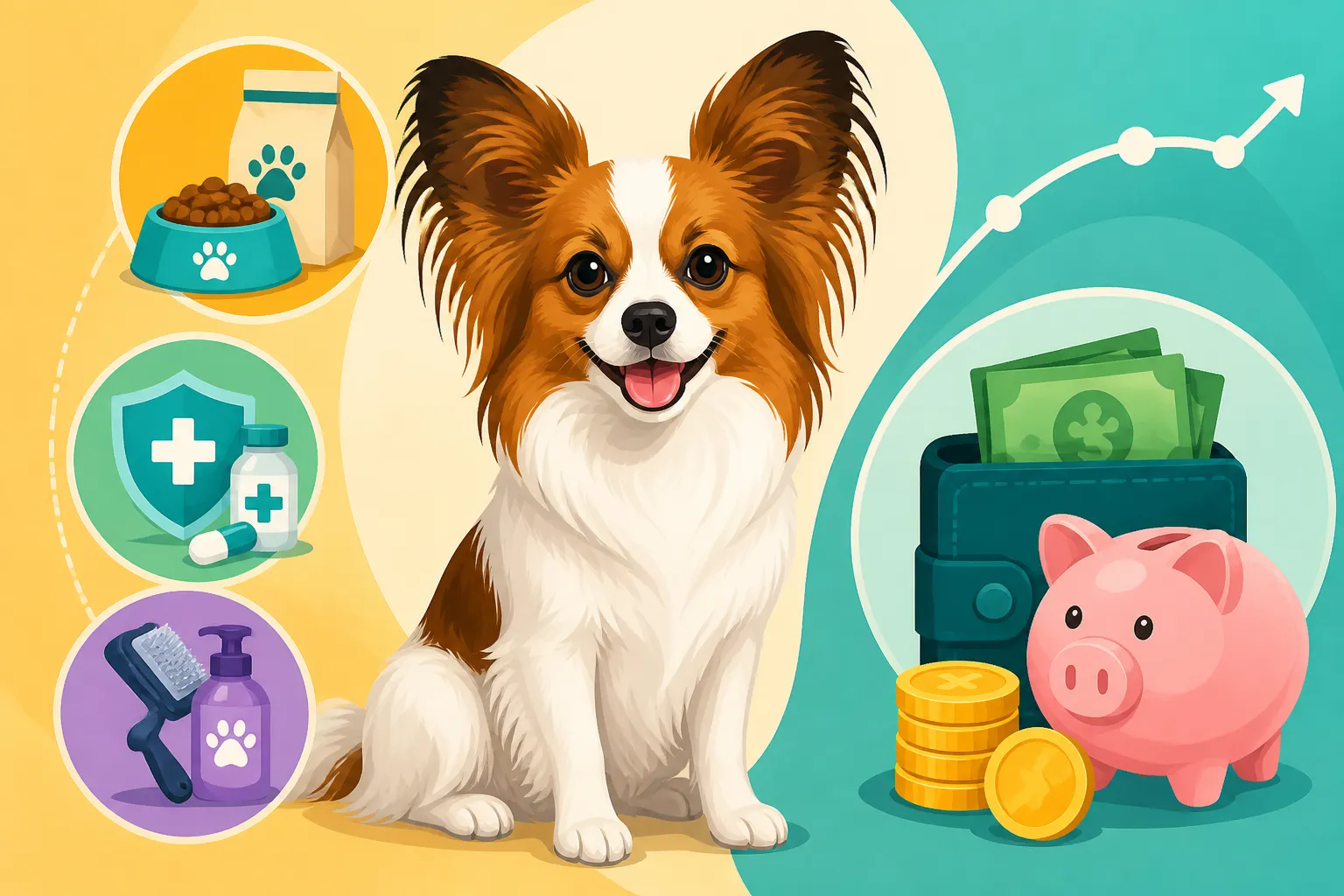
What a Papillon Costs Over Its Lifetime
Bringing a Papillon into your life is an incredible joy, but like any beloved family member, they come with a range of financial commitments. Many prospective owners underestimate the long-term expenses beyond the initial purchase, leading to unexpected stress down the line. This comprehensive guide will meticulously break down the various costs associated with owning a Papillon over their entire lifespan, helping you budget wisely and ensure your furry companion receives the best possible care for years to come.
Initial Purchase and Setup Costs
The journey of Papillon ownership begins with the upfront expenses, which can vary significantly depending on where and how you acquire your new companion, as well as the immediate needs for setting up their new home. It’s important to understand that skimping on these initial costs can sometimes lead to greater expenses or health issues down the road.
The Cost of Acquiring Your Papillon
The price you pay for a Papillon puppy can fluctuate widely based on factors such as the breeder's reputation, the puppy's lineage (show potential versus pet quality), geographic location, and the health testing performed on the parent dogs. A reputable breeder who invests in health screenings for conditions common to the breed, such as patellar luxation and PRA (Progressive Retinal Atrophy), will generally charge more. This higher initial cost, however, often translates to a healthier puppy with a lower likelihood of developing expensive genetic health problems later in life. Be wary of unusually low prices, as they can sometimes signal a lack of proper care or health screening. You can learn more about this in What a Papillon Puppy Costs From a Breeder. Adopting from a rescue organization is another wonderful option, often coming with a lower adoption fee that typically covers initial veterinary care like spaying/neutering, vaccinations, and microchipping.
For those seeking a Papillon from a responsible breeder, expect the cost to reflect the time, effort, and expense the breeder puts into ensuring healthy, well-socialized puppies. This includes genetic health testing for both parents, quality nutrition for the mother and puppies, proper veterinary care, and early socialization. These breeders will also often provide a health guarantee and be a lifelong resource for any questions you might have. While the initial sticker price might seem high, it’s an investment in your dog’s future well-being and can save you thousands in vet bills over the dog's life.
Essential Initial Supplies and Vaccinations
Beyond the purchase price, your Papillon will need a host of supplies to settle into their new home. This includes a crate appropriate for their size, food and water bowls, a comfortable bed, a collar or harness, a leash, and an assortment of toys. Don't forget grooming tools like a brush, nail clippers, and dog-specific shampoo. Puppy pads and enzymatic cleaners are also a must-have for the house-training period. The first few vet visits are crucial for vaccinations, deworming, and a general health check-up. Puppies require a series of vaccinations to build immunity against common diseases, and these appointments usually involve a thorough physical exam. Microchipping is also a vital step to ensure your Papillon can be identified if they ever get lost. What the First Year With a Papillon Costs will give you a detailed breakdown of these early expenses.
Choosing the right food is also paramount, especially for a growing puppy. Brands like Ollie offer personalized meal plans that can be tailored to your Papillon's specific needs, while larger retailers like Chewy provide a vast selection of high-quality kibble, wet food, and treats suitable for small breeds. Investing in durable, appropriate toys not only provides enrichment but can also help prevent destructive chewing behaviors. Remember that a small dog like a Papillon is still a dog with needs for mental and physical stimulation, and a good collection of toys and chews is part of that.
Annual & Routine Care Costs
Once your Papillon is settled, the financial commitments shift to ongoing annual and routine care. These are the predictable costs that, when managed properly, contribute to a long, healthy, and happy life for your furry friend.
The Ongoing Expense of Food and Treats
Feeding a Papillon is generally less expensive than feeding a large breed dog, simply because they eat far less. However, the quality of food you choose can significantly impact this cost. Premium kibbles, raw diets, or fresh food delivery services will naturally cost more than generic brands. It's often said that a Papillon is Why a Papillon Is Cheap to Feed, but choosing a high-quality, nutritionally complete food is an investment in their health, potentially preventing diet-related issues and vet visits down the line. Treats are another variable expense, especially if you use them frequently for training. Opt for healthy, low-calorie options to avoid unnecessary weight gain, which can exacerbate joint problems.
Consider signing up for auto-ship programs from retailers like Chewy, which can sometimes offer discounts and ensure you never run out of your Papillon's favorite food. For fresh food options, services like Ollie deliver tailored meals directly to your door, ensuring your Papillon gets optimal nutrition. While the monthly food bill for a Papillon might seem small, it adds up over their long lifespan. Budgeting for consistent, quality nutrition is a fundamental part of responsible ownership.
Routine Veterinary Care and Prevention
Annual veterinary check-ups are essential for monitoring your Papillon's health, catching potential issues early, and keeping their vaccinations up to date. These visits typically include a physical exam, fecal tests, and heartworm and flea/tick prevention. As Papillons get older, your vet might recommend additional blood work or specialized screenings. Prevention is always cheaper than treatment, and staying on top of yearly check-ups, vaccinations, and parasite control is crucial. Heartworm medication is particularly important, as heartworm disease can be deadly and costly to treat.
These routine visits also give you the opportunity to discuss any behavioral changes, dietary concerns, or emerging health issues with your veterinarian. Papillons are known for their generally robust health, but proactive care is key to maintaining it. Ensuring their vaccinations are current and they are protected from parasites like fleas, ticks, and heartworms is a non-negotiable part of their care regimen.
Grooming Essentials and Professional Services
Papillons boast a stunning, silky single coat with beautiful feathering on their ears, chest, and tail. While their coat is relatively low maintenance compared to some long-haired breeds, it still requires regular attention. At-home grooming essentials include a good quality pin brush, a comb, and perhaps a dematting tool for those occasional tangles behind the ears or on their culottes. Regular brushing, ideally a few times a week, helps prevent mats, distributes natural oils, and keeps their coat looking its best. How Often a Papillon Needs Brushing is a common question, and consistency is key.
While many Papillon owners manage grooming at home, some prefer professional grooming for baths, thorough dematting, or nail trims. Professional groomers can also address any hair growing between their paw pads, which, if left untrimmed, can affect their traction and put strain on their delicate joints. Even if you handle most grooming yourself, a periodic professional bath and trim can be beneficial. Don't forget ear cleaning and dental care, which we'll delve into in the next section.
Potential Health Expenses Over a Lifetime
While Papillons are generally a healthy breed, they are prone to certain genetic and age-related conditions that can incur significant veterinary costs. Being prepared for these possibilities is a crucial aspect of responsible Papillon ownership.
Addressing Common Papillon Health Concerns
Two of the most prevalent health issues in Papillons are patellar luxation (slipping kneecaps) and dental disease. Patellar luxation can range from mild, requiring no intervention, to severe, necessitating costly surgery to correct. It's a condition where the kneecap dislocates, causing pain and lameness. Understanding What Patellar Luxation Does to a Papillon is important for any owner. Dental disease, unfortunately, is almost universal in small breeds like Papillons due to their small jaws and crowded teeth. Regular dental cleanings under anesthesia are often required, sometimes even yearly, to prevent painful infections, tooth loss, and systemic health problems. How Often a Papillon Needs Dental Work is a question many owners face.
Other potential issues include Progressive Retinal Atrophy (PRA), although reputable breeders typically screen for this, and less common conditions like neuroaxonal dystrophy. Eye issues, beyond PRA, can also crop up. Caring for The Teeth in a Papillon's Small Jaw can be a significant ongoing expense, often requiring professional attention to prevent serious health complications that extend beyond their mouth.
The Role of Pet Insurance in Managing Costs
Pet insurance can be a financial lifeline when unexpected health issues arise. While it's an additional monthly expense, it can significantly offset the costs of accidents, illnesses, and even some hereditary conditions. Policies vary widely, so it's essential to research what's covered, deductibles, reimbursement rates, and any waiting periods for specific conditions. Some policies might exclude pre-existing conditions or certain hereditary issues like patellar luxation if symptoms were present before coverage began. Brands like Healthy Paws are popular choices, offering comprehensive coverage for accidents and illnesses. Understanding What Insuring a Papillon Costs a Month is key to making an informed decision about this crucial safety net.
Enrolling your Papillon in pet insurance when they are young and healthy is often the most cost-effective approach, as it helps avoid pre-existing condition exclusions. While it might seem like an unnecessary expense when your puppy is bouncing with energy, a sudden illness or accident can easily lead to vet bills in the thousands, and having insurance can mean the difference between getting the best care and making difficult financial decisions.
Emergency Care and Unexpected Illnesses
No matter how diligent you are with preventative care, emergencies can and do happen. A sudden injury, an unexpected illness, or an accidental ingestion of something toxic can lead to an emergency vet visit, which is almost always more expensive than a routine appointment. Emergency clinics typically operate with higher fees due to specialized equipment, after-hours staffing, and urgent nature of care. These costs can quickly escalate, especially if your Papillon requires hospitalization, surgery, or extensive diagnostic testing.
Having an emergency fund set aside specifically for your Papillon, or robust pet insurance coverage, is highly recommended. Even seemingly minor incidents can result in substantial bills. For example, a sudden allergic reaction or a bout of gastroenteritis can necessitate an urgent trip to the vet, IV fluids, and medication, demonstrating how quickly unforeseen costs can accumulate.
Training, Enrichment, and Miscellaneous Costs
Beyond health and basic care, there are other categories of expenses that contribute to a Papillon's overall well-being and your ownership experience. These costs enhance their quality of life and help them become well-adjusted members of your family.
Training Classes and Ongoing Education
Papillons are incredibly intelligent and eager to please, making them a joy to train. Puppy classes are highly recommended for early socialization and basic obedience, and these typically involve a fee. Beyond puppyhood, you might choose to pursue further training, such as advanced obedience, trick training, or even dog sports like agility. The Papillon Is the Smartest Toy Breed There Is, so they excel in these activities. Each of these specialized classes comes with its own cost. Even if you choose to train your Papillon solely at home, investing in training resources like books, online courses, or one-on-one sessions with a professional trainer can be beneficial.
Ongoing mental stimulation is just as important as physical exercise for a smart breed like the Papillon. Puzzle toys, interactive feeders, and learning new tricks all contribute to their mental well-being. These might not be "classes," but they represent an investment in your dog's happiness and can prevent boredom-related behavioral issues.
Toys, Beds, and Everyday Comforts
Dogs need toys, not just for play, but for mental stimulation and to satisfy natural chewing instincts. Papillons, despite their small size, enjoy a variety of toys, from soft plushies to more durable chew toys. The cost of replacing worn-out toys or simply refreshing their collection can add up over time. Comfortable bedding, suitable for both their crate and various resting spots around the house, is also essential. As they age, orthopedic beds might become a necessity. You might also find yourself investing in dog-specific items like car seats, travel carriers, or even stylish accessories like sweaters or bandanas.
Think about how What a Papillon Does All Day – a happy Papillon is often one with plenty of appropriate toys and comfy spots to nap. While these might seem like small individual purchases, the cumulative cost of maintaining a rotation of toys and providing quality bedding over a decade or more can be considerable.
Travel, Boarding, and Pet Sitting
If you travel frequently, you'll need to consider arrangements for your Papillon. Boarding kennels, in-home pet sitters, or doggy daycare services all come with daily or nightly fees. The cost will vary based on your location, the services provided, and the duration of care. Alternatively, if your Papillon travels with you, there might be costs associated with pet-friendly accommodations, airline fees (if flying), or specialized travel gear.
Many Papillon owners find that their dogs are excellent travel companions, but planning is key. Whether it's a dedicated pet-sitter through a service like Rover or a stay at a trusted kennel, these costs are part of the broader ownership picture.
Senior Care Costs
As your Papillon gracefully ages, their needs will change, and with these changes often come increased expenses, particularly related to veterinary care and making their environment more comfortable. Papillons can live a remarkably long time, often into their mid-teens, which means a significant portion of their life will be spent in their senior years.
Increased Veterinary Needs for Older Papillons
Older Papillons often require more frequent veterinary check-ups, potentially twice a year, to monitor for age-related conditions. Arthritis, dental disease, heart conditions like mitral valve disease, and even cognitive dysfunction are more common in senior dogs. These conditions may necessitate ongoing medications, specialized diets, diagnostic tests (like blood panels, X-rays, or ultrasounds), and sometimes even surgery. Pain management for arthritis, for instance, can involve daily medications, joint supplements, or even alternative therapies like acupuncture or laser treatments. Caring for a Papillon Past Eleven can involve a significant commitment to specialized care.
Your vet may also recommend specific screenings for senior pets, such as regular blood work to check organ function, or specialized eye exams to monitor for cataracts or other age-related vision changes. These additional medical interventions are aimed at maintaining their quality of life as they navigate their golden years, but they do come at a cost.
Adapting Your Home for a Senior Papillon
As your Papillon ages, they might experience reduced mobility, vision, or hearing. Adapting your home to accommodate these changes can incur costs. This might include purchasing ramps or steps to allow them safe access to furniture they once jumped onto, installing non-slip mats on hardwood floors, or providing extra soft, orthopedic beds to ease joint discomfort. Older dogs can sometimes experience incontinence, requiring the purchase of washable doggy diapers or extra cleaning supplies. Creating a safe, easily navigable environment is crucial for their comfort and confidence.
Investing in these home modifications ensures your senior Papillon can continue to enjoy their daily life without unnecessary strain or risk of injury. While these might seem like minor expenses individually, creating a truly senior-friendly environment involves multiple adjustments that add up.
Table: Estimated Lifetime Costs for a Papillon
To help visualize these costs, here's a general overview. Please remember these are broad estimates and can vary significantly based on individual choices, location, and your dog's specific health needs.
| Category | Estimated Annual Cost (Low) | Estimated Annual Cost (High) | Lifetime Cost (15 Years, Low) | Lifetime Cost (15 Years, High) |
|---|---|---|---|---|
| Initial Purchase/Adoption | $500 | $4,000 | $500 | $4,000 |
| Initial Supplies/Vet (Year 1) | $400 | $1,000 | $400 | $1,000 |
| Food & Treats | $300 | $700 | $4,500 | $10,500 |
| Routine Vet Care & Prevention | $300 | $600 | $4,500 | $9,000 |
| Grooming (DIY vs. Pro) | $50 | $300 | $750 | $4,500 |
| Pet Insurance (Optional) | $300 | $900 | $4,500 | $13,500 |
| Training/Enrichment | $50 | $300 | $750 | $4,500 |
| Toys/Beds/Misc. | $100 | $250 | $1,500 | $3,750 |
| Potential Major Health Issue | $0 | $5,000 (one-time) | $0 | $5,000 |
| Senior Care Add-ons | $0 | $500 | $0 | $7,500 |
| TOTAL LIFETIME ESTIMATE | $17,200 | $59,250 | $17,200 | $59,250 |
Note: Major health issues and senior care add-ons are variable and may not occur annually. The "Lifetime Cost" for these reflects potential cumulative expenses over the dog's life, not an annual recurring cost.
Disclaimer
This article is for general informational purposes only and does not constitute professional advice. Laws, prices and regulations vary by location and change over time. Consult a qualified professional for guidance on your specific situation.