What a Papillon Breeder Contract Requires
When you're excitedly looking forward to bringing home a sweet little Papillon puppy, the last thing you want to wade through is a complicated legal document. Breeder contracts can often feel intimidating, full of jargon that makes you wonder if you're signing away your firstborn. But understanding what a Papillon breeder contract requires is crucial, not just for the breeder's protection, but for yours and, most importantly, for the well-being of your new family member. This guide aims to demystify those pages and explain the common clauses you'll encounter.
The Purpose Behind a Papillon Breeder Contract
You might think a breeder contract is just there to cover the breeder's back, and while that's certainly part of it, the true intention runs much deeper. For ethical, responsible Papillon breeders, this document is a comprehensive statement of their commitment to the breed, to the puppies they produce, and to the families who take them home. It’s about ensuring that each tiny, butterfly-eared pup finds a forever home that truly understands and meets its needs.
More Than Just Legal Jargon
Think of the contract as a detailed agreement of expectations and responsibilities for all parties involved. It's not designed to be a trap, but rather a safeguard. A good breeder cares deeply about where their puppies end up and what kind of life they will lead. They've poured countless hours, resources, and emotional investment into their breeding program, focusing on health, temperament, and adherence to the breed standard. The contract is their way of formally ensuring that their hard work and dedication continue to benefit the puppy throughout its life. It solidifies the understanding between you and the breeder, preventing misunderstandings down the road.
Ensuring Lifelong Welfare for Your Papillon
From the moment a Papillon puppy is born, an ethical breeder is thinking about its entire lifespan. This means considering everything from early socialization to proper nutrition, veterinary care, and even what happens if the owner's circumstances change years down the line. A contract helps articulate these long-term commitments. For instance, a breeder might require that you keep the dog up-to-date on vaccinations and provide quality food, which could include recommendations for trusted brands or even fresh food options like Ollie if that aligns with their approach to canine nutrition. This isn't about micromanaging; it's about setting a standard for a healthy, happy life. Knowing How Long a Papillon Lives on average, usually between 13 and 15 years, these commitments can span a significant portion of your life.
Common Clauses You'll Encounter in a Papillon Breeder Contract
Breeder contracts can vary, but there are several clauses that are almost universally present when dealing with a reputable Papillon breeder. These clauses cover the most critical aspects of pet ownership and the breeder's philosophy.
Health Guarantees and Responsibilities
This is often one of the most substantial sections of any good breeder contract, and for very good reason. Papillons, like all purebreds, can be prone to certain genetic conditions, and a responsible breeder will go to great lengths to minimize these risks.
Initial Health Check and Veterinary Follow-Up
Most contracts will stipulate that you, the buyer, must take your new Papillon puppy to a licensed veterinarian within a very short timeframe – often 48 to 72 hours – after taking possession. This initial check is crucial. It confirms the puppy's health status upon arrival and ensures that both you and the breeder are in agreement about its condition. If any issues are found during this vet visit, the contract will outline the procedure for resolution, which might include returning the puppy for a refund or replacement, or compensation for veterinary treatment.
Genetic Health Clauses and Guarantees
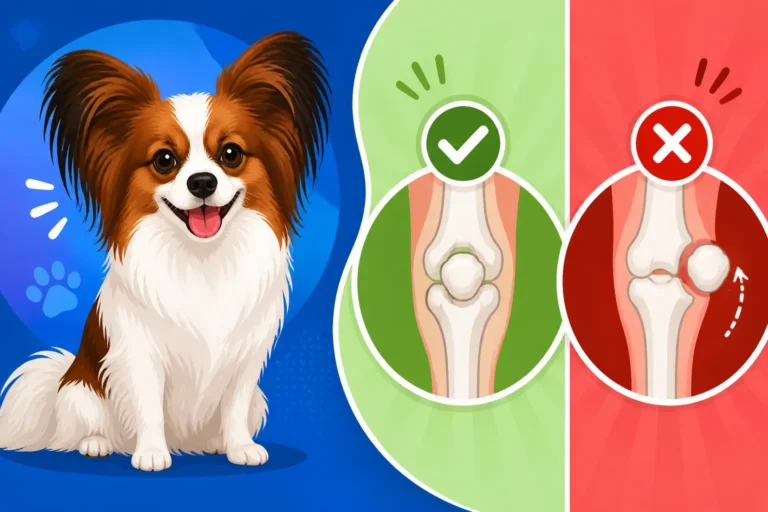
A top-tier Papillon breeder will be very transparent about the health testing performed on their breeding dogs. They will test for conditions like Progressive Retinal Atrophy (PRA) and Patellar Luxation, which are known to affect the breed. The contract will usually contain a guarantee against certain severe, debilitating, or life-threatening genetic conditions for a specified period, often one or two years, sometimes even longer for specific conditions. If a major genetic health problem is diagnosed within that timeframe, the contract will detail the breeder’s responsibility. This is where researching What a Papillon Breeder Should Have Tested becomes invaluable, as you’ll know what genetic guarantees to look for. For instance, Whether a Papillon Health Guarantee Covers Knees is a common concern, given the breed's predisposition to patellar luxation.
What Happens if Health Issues Arise?
This section is critical. It should clearly define the steps if a covered genetic health issue arises. This could involve the breeder offering a replacement puppy from a future litter, a partial or full refund, or contributing to veterinary costs. It's rarely about returning a beloved pet, but rather finding a mutually agreeable solution that prioritizes the dog's welfare. Having pet insurance from a provider like Healthy Paws can also be a tremendous help in managing unexpected veterinary bills, regardless of a breeder's guarantee.
Spay/Neuter Agreements
For almost all pet-only Papillons, the contract will include a mandatory spay or neuter clause. This is a cornerstone of responsible breeding practices, designed to prevent accidental litters and to ensure that only carefully selected, health-tested Papillons are used for breeding.
Timeline and Proof of Procedure
The contract will typically specify an age by which the spay or neuter procedure must be completed, often between 6 months and 1.5 years. It will also require you to provide proof from your veterinarian that the procedure has been performed. This might be a certificate, an invoice, or a letter on clinic letterhead. This clause is so common that you should expect it, and if it's missing, it could be a red flag about the breeder's overall standards.
Limited Registration
Closely tied to the spay/neuter clause is the concept of "limited registration" with kennel clubs like the AKC. Most pet Papillons are sold with limited registration, which means the dog is registered, but any offspring it produces cannot be registered. This is the breeder's way of upholding the integrity of their lines and the breed as a whole. Only dogs sold on a full registration, usually to approved show or breeding homes, are permitted to have their puppies registered. Understanding Whether a Papillon Comes on Limited Registration is key to recognizing why this clause exists.
Return Policies and Rehoming Restrictions
Life happens, and sometimes, despite best intentions, an owner finds they can no longer keep their Papillon. Responsible breeders prepare for this eventuality.
First Right of Refusal
A good contract will almost always include a "first right of refusal" clause. This means if you ever need to rehome your Papillon, for any reason, you must contact the breeder first. The breeder will often take the dog back, no questions asked, or help you find a suitable new home. This ensures the dog doesn't end up in a shelter or with an unknown owner. It's a testament to the breeder's lifelong commitment to their puppies.
Prohibition of Selling to Third Parties
Ethical breeders want to know where their dogs are at all times. Their contracts will explicitly prohibit you from selling or giving away the Papillon to a third party (e.g., selling it online, or giving it to a friend without the breeder's knowledge). This prevents their puppies from being flipped for profit, winding up in inappropriate homes, or worse, in puppy mill operations.
Breeding Restrictions and Full Registration
For the vast majority of Papillon buyers seeking a loving companion, the details around breeding restrictions are simple: you won't be breeding your dog. However, if you're interested in showing or potentially breeding in the future, this section of the contract becomes paramount.
Why Purebreds Are Often Sold with Limited Registration
As mentioned earlier, limited registration is the standard for pet-quality Papillons. This isn't a slight against your puppy; it simply means it's intended to be a beloved companion, not part of a breeding program. The breeder carefully selects which puppies have the potential to contribute positively to the breed's future, and those are the ones they might consider selling on full registration, usually with stringent additional clauses.
Conditions for Full Registration
If a Papillon is sold with full registration, the contract will be significantly more complex. It will outline strict requirements regarding health testing, show titles, age for breeding, number of litters, and even specific mating partners or lines. It often involves a mentor relationship with the breeder to guide the new owner through the complexities of responsible breeding. This isn't a decision taken lightly by either party and is usually reserved for experienced individuals committed to the highest breed standards. It's also worth noting that if you buy a Papillon with the intent to breed, the purchase price is often considerably higher than that of a pet-quality puppy. Why a Tested Papillon Litter Costs More often reflects the effort and expense breeders put into producing healthy, well-tempered dogs.
Care and Welfare Commitments
Beyond the major legalities, contracts also lay out basic expectations for the daily care of your Papillon. These are often common-sense items, but putting them in writing reinforces the breeder's commitment to the puppy's well-being.
Proper Nutrition
A breeder will typically specify that their Papillon puppy should be fed a high-quality, age-appropriate dog food. They might even recommend specific brands or types of food they've had success with. This is usually detailed in an addendum or a separate care sheet accompanying the contract. Platforms like Chewy offer a vast selection, making it easy to find what your breeder recommends, or even to explore specialized diets from brands like Ollie if you're interested in fresh food.
Regular Veterinary Care
This clause will require you to provide routine veterinary care, including vaccinations, deworming, and annual check-ups. It's about preventative care and ensuring your Papillon stays healthy throughout its life. It also often includes a recommendation for prompt veterinary attention if the dog becomes ill or injured. This is where pet insurance, such as policies from Healthy Paws, can be invaluable for unexpected medical needs.
Safe and Loving Environment
Contracts often include a clause requiring you to provide a safe, clean, and loving environment for your Papillon. This means adequate shelter, protection from harm, and proper socialization. While it might sound obvious, it ensures that the new owner is aware of their responsibility to integrate the puppy fully into their home as a cherished family member.
Deciphering the Fine Print and Asking Smart Questions
When faced with a multi-page contract, it's easy to skim and just sign, especially when you're caught up in the excitement of getting your puppy. However, taking the time to truly understand every clause is paramount.
The Importance of Reading Carefully
Never, ever sign a contract you haven't read thoroughly. This isn't just advice for buying a house; it applies equally to bringing a living creature into your home. If there's any wording you don't understand, ask for clarification. Don't be shy or feel foolish. A good breeder will appreciate your diligence and willingness to understand the terms. After all, this is a long-term commitment. Remember that Finding a Papillon Breeder Who Tests Eyes and Knees is only half the battle; understanding their contractual expectations is the other.
Which Questions to Ask the Breeder
Before you even sit down to sign, you should have already engaged in several conversations with your potential breeder. When discussing the contract, here are some key questions to ask:
- "Can you walk me through the health guarantee in detail? What specific conditions does it cover, and for how long?" This ensures you understand what recourse you have if your Papillon develops an issue.
- "What is the exact process if I ever have to rehome my Papillon?" Clarify the 'first right of refusal' and how the breeder prefers to be contacted.
- "What are the requirements for spaying/neutering, and what documentation do you need?" Confirm the timeline and type of proof they expect.
- "Are there any clauses about diet or specific care routines I should be aware of?" This can help you prepare for your puppy's arrival and determine if you need to stock up on certain food brands from Chewy or investigate services like Ollie.
- "What kind of support can I expect from you after I take my puppy home?" While not always in the contract itself, a breeder's ongoing support is a huge part of the relationship. They should be a resource for you throughout your Papillon's life.
- "Is there anything in this contract that is negotiable?" While major clauses like spay/neuter or health guarantees are usually non-negotiable, smaller points might be open to discussion.
- "What is the difference between limited and full registration, and why is my puppy on limited?" Even if you know, asking shows diligence and confirms the breeder's reasoning. This is a common point of confusion for new owners. You might have already asked Which Questions to Ask a Papillon Breeder during initial conversations, but a separate discussion on the contract specifics is essential.
Red Flags to Watch Out For
While most breeders operate with integrity, it's wise to be aware of potential red flags in a contract:
- No health guarantee, or one that is extremely short (e.g., 24 hours). This is a major concern, especially given the genetic predispositions of any purebred dog.
- Clauses that seem overly restrictive or invasive about your personal life beyond the welfare of the dog.
- Contracts that demand a portion of future breeding profits without offering full registration or explicit breeding terms.
- A breeder who rushes you to sign without allowing time for review or questions. This indicates a lack of transparency.
- No "first right of refusal" or rehoming clause. This suggests the breeder isn't committed to the dog's lifelong welfare once it leaves their care.
- Contracts that state the puppy is sold "as is" with no guarantee. This is unacceptable for a reputable breeder.
- Be cautious if the price is significantly lower than average without a clear explanation. Why a Papillon Under a Thousand Dollars Is a Warning often points to corners being cut, sometimes in health testing or proper care, which might manifest in a flimsy contract.
What Happens If a Contract Is Breached?
Breaker contracts are legally binding documents, and like any contract, there are consequences if the terms are not met. The goal for both parties should always be to prevent a breach, but understanding the implications is part of signing.
Consequences for Different Types of Breaches
The severity of the consequences typically depends on the nature of the breach.
- Failure to spay/neuter: If you fail to spay or neuter your Papillon by the agreed-upon age, the contract might stipulate a penalty fee, or even require you to return the dog. This is often taken very seriously by breeders because it undermines their efforts to control breeding and maintain breed standards. The contract might specify a daily fine or a large lump sum.
- Failure to provide proof of vet care: While less common to result in extreme measures, consistent failure to provide basic care could lead to the breeder reclaiming the dog or pursuing legal action if they believe the dog's welfare is at risk.
- Rehoming without breeder consent: If you sell or give away the Papillon without contacting the breeder first, the contract might allow the breeder to demand the dog's return, often at your expense, or to pursue legal action for damages. The breeder's intent is to keep their dogs out of shelters and ensure they go to approved homes.
- Breeding a dog on limited registration: This is a very serious breach. Breeders invest heavily in health testing and genetic lines. Breeding a dog with limited registration not only violates the contract but can also dilute the breed pool if the dog hasn't been health tested to the breeder's standards. The contract will likely outline significant financial penalties and potentially the return of the dog and any offspring. This is also why many breeders require DNA tests for dogs on full registration, like the one for The DNA Test for Papillon Retinal Atrophy.
Breeder's Recourse and Buyer's Recourse
If a breach occurs, the breeder typically has the right to enforce the terms of the contract, which could include reclaiming the dog, seeking financial penalties, or even pursuing legal action in court. The contract should clearly define the mechanisms for enforcement.
On the flip side, the buyer also has recourse if the breeder fails to uphold their end of the agreement, particularly concerning health guarantees. If your Papillon develops a covered genetic condition and the breeder does not honor their guarantee (e.g., refusing a refund or replacement as stipulated), you may have grounds to pursue legal action. This is why clear, specific language in the health guarantee is so important. When researching What Health Results a Papillon Breeder Should Show, make sure those results are clearly tied to the contract's guarantee.
Focus on Prevention Through Clear Communication
Ultimately, the best approach is always prevention. Thoroughly read and understand the contract before you sign. Ask every question that comes to mind. Ensure all your concerns are addressed and that you feel completely comfortable with the terms. A transparent and ethical breeder will welcome your questions and provide clear answers, fostering a relationship built on trust. They want you to be a happy, responsible owner who will cherish your Papillon for its entire, wonderful life.
| Common Contract Clause | What It Means for You | Potential Issues/Questions |
|---|---|---|
| Health Guarantee | Puppy is guaranteed against certain genetic diseases. | What specific diseases? For how long? What's the recourse? |
| Spay/Neuter Agreement | Mandatory procedure by a certain age for pet homes. | What's the deadline? What proof is needed? Is there a penalty for delay? |
| Limited Registration | Offspring cannot be registered; dog is pet-only. | Does this align with my intentions? Can it be changed later? |
| First Right of Refusal | Must contact breeder if rehoming the dog. | What's the process? Will the breeder take the dog back? |
| Prohibition of Third-Party Sales | Cannot sell/give dog to others without breeder consent. | What if a family member wants the dog? Still need breeder's OK. |
| Regular Veterinary Care | Commit to annual check-ups, vaccinations. | Are there specific vaccine requirements or protocols? |
| Quality Nutrition | Feed appropriate, high-quality dog food. | Are specific brands required or just recommended? |
| Safe Environment | Provide shelter, care, and protection. | Standard clause; generally about responsible pet ownership. |
Disclaimer
This article is for general informational purposes only and does not constitute professional advice. Laws, prices and regulations vary by location and change over time. Consult a qualified professional for guidance on your specific situation.