What Pain Medication Costs for a Papillon’s Knees
There's nothing quite like the boundless energy of a Papillon, a tiny dog with the heart of a lion, but when those little knees start giving them trouble, it can be truly heartbreaking to watch them struggle. Patellar luxation, a common issue in our beloved butterfly dogs, can bring with it a new, often unexpected, financial burden: the cost of ongoing pain management. This guide is here to walk you through understanding what pain medication for your Papillon's knees entails, from the types of drugs to the factors influencing their cost, so you can be prepared to provide the best possible comfort for your furry friend.
The Reality of Patellar Luxation in Papillons and the Need for Pain Management
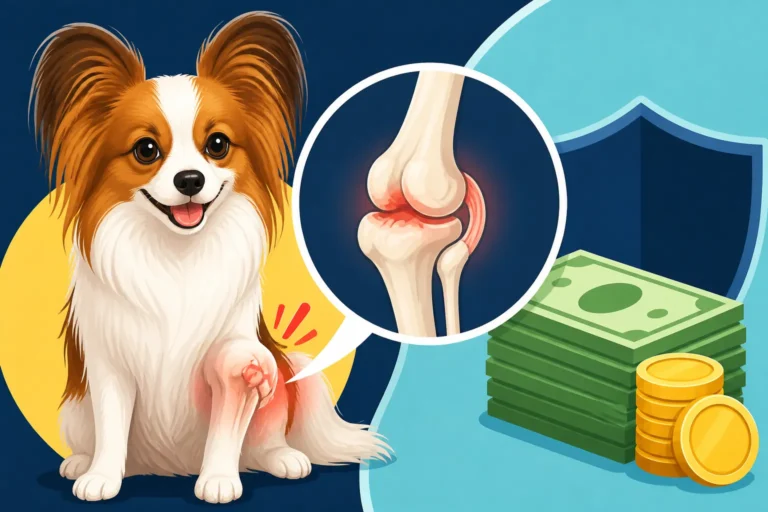
If you've spent any time around Papillons, or even just researching them, you've likely come across the term "patellar luxation." It's a common condition where the kneecap (patella) slips out of its groove, causing pain and instability. For a dog that loves to run, jump, and play with such gusto, this can be incredibly frustrating for both them and you. The reality is, even with the best care, some Papillons will experience knee discomfort, and managing that pain effectively is paramount to their quality of life.
Understanding Your Papillon's Knee Pain
A Papillon's knee pain from patellar luxation can manifest in many ways. Sometimes, it's a sudden yelp and a moment of holding up a leg, a clear sign of acute discomfort. Other times, it's a more subtle limp, a reluctance to jump, or a general stiffness after rest. This condition can range from mild (Grade 1) where the kneecap slips only occasionally, to severe (Grade 4) where it's permanently dislocated. The degree of pain isn't always directly tied to the grade; some dogs with lower grades experience significant discomfort, while others with higher grades adapt remarkably.
It's crucial to understand that even if your Papillon doesn't yelp, chronic inflammation and friction from a slipping kneecap can lead to persistent, underlying pain and ultimately, arthritis. What Patellar Luxation Does to a Papillon It’s not just about addressing the immediate acute pain, but also about managing the long-term inflammatory process to ensure their comfort for years to come. Your veterinarian will be your best partner in assessing their pain level and determining the most appropriate course of action, which often includes medication.
When Pain Medication Becomes Necessary
Pain medication for a Papillon's knees isn't always a permanent fixture, but it becomes absolutely necessary in several key scenarios. The most obvious is post-surgical recovery. If your Papillon undergoes surgery to correct a luxating patella, pain relief will be a critical part of their healing process, ensuring they can rest and recover without unnecessary suffering. How a Papillon Recovers From Knee Surgery This initial phase of medication is usually for a defined period, helping them through the most acute discomfort.
Beyond surgery, many Papillons with patellar luxation, especially those with higher grades or who develop arthritis, will need ongoing pain management. This could be daily medication, or it might be prescribed on an "as needed" basis for flare-ups, long walks, or particularly active days. Small dogs, like Papillons, also have unique metabolic rates, meaning dosages must be carefully calibrated to avoid adverse reactions. It's not a one-size-fits-all approach, and careful monitoring with your vet is essential to find the right balance for your little one.
Types of Pain Medications and Their General Cost Structures for Papillons
When your Papillon is in pain from their knees, your vet will discuss various medication options. These generally fall into a few categories, each with its own benefits, potential side effects, and, of course, cost implications. Understanding these can help you anticipate the financial commitment involved in keeping your little one comfortable.
Non-Steroidal Anti-Inflammatory Drugs (NSAIDs)
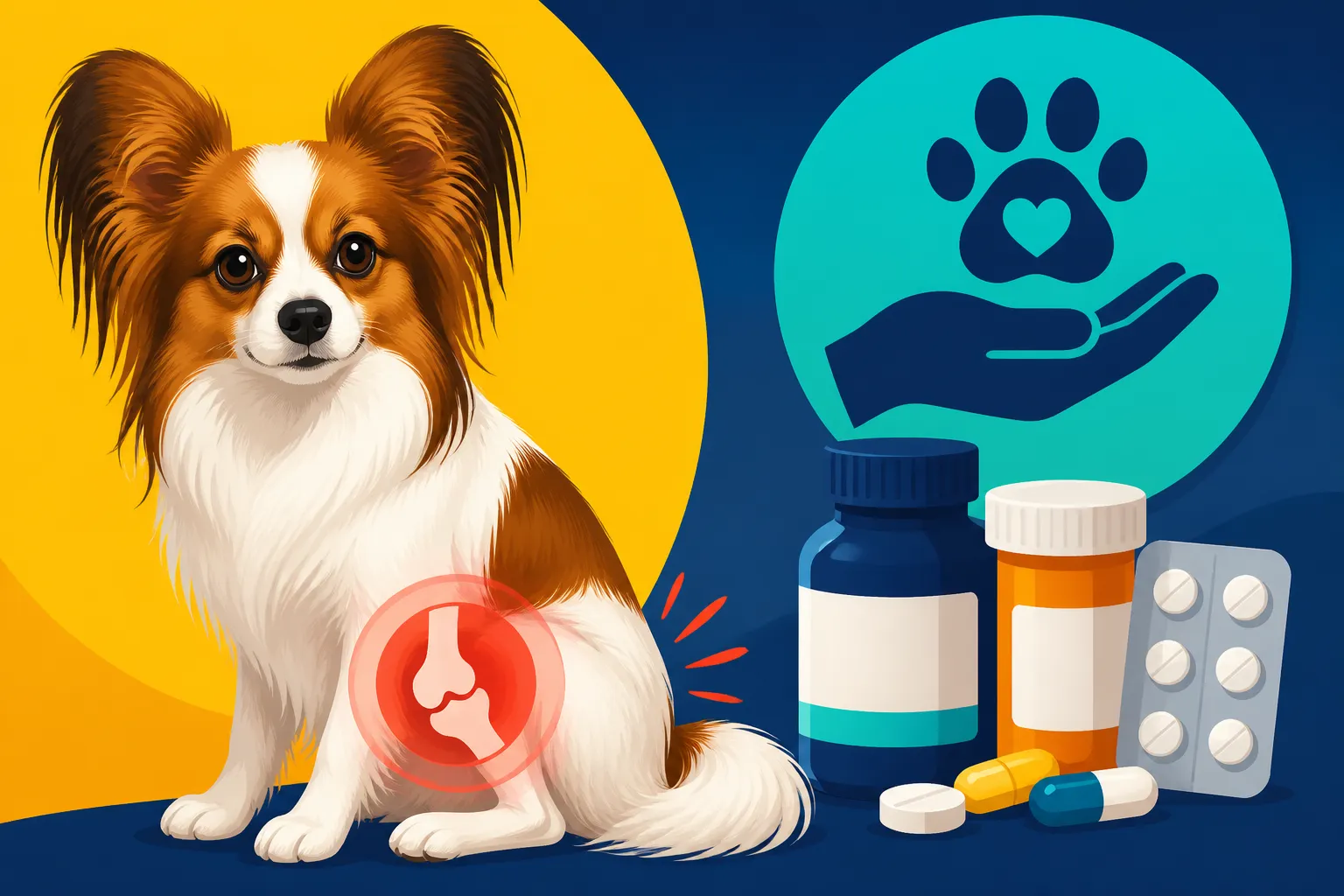
NSAIDs are often the first line of defense against pain and inflammation associated with patellar luxation and the arthritis it can cause. Just like humans take ibuprofen, dogs have their own specially formulated NSAIDs such as carprofen, meloxicam, or firocoxib. These medications work by reducing inflammation, which in turn alleviates pain. They are generally safe and very effective when used under veterinary supervision.
The cost of NSAIDs can vary quite a bit. Generally, you'll be looking at a monthly expense if your Papillon needs ongoing daily medication. Prices can differ depending on the specific drug, the dosage required for your Papillon's weight, and where you purchase it. A typical monthly supply might involve a relatively modest cost, but these costs accumulate over time, especially if the condition is chronic. Some vets might dispense directly, while others provide prescriptions you can fill at a pharmacy.
Other Pain Management Options
Sometimes, NSAIDs alone aren't enough, or a Papillon might not tolerate them well. In such cases, your vet might explore other pain management options. Medications like gabapentin, often used for neuropathic pain, can be added to an NSAID regimen or used as a standalone. Tramadol is another option, though its efficacy in dogs for chronic pain is sometimes debated. These medications work differently than NSAIDs and can target different types of pain pathways.
Joint supplements, while not strictly pain medication, play a vital supportive role. Ingredients like glucosamine, chondroitin, and MSM can help support cartilage health and reduce inflammation, potentially lessening the need for higher doses of prescription pain relievers. While some supplements might seem like an added expense, they can be a worthy investment in long-term joint health, and a proactive approach to managing the progression of arthritis. Whether a Papillon Needs Joint Supplements The cost for these ancillary medications and supplements will add to your overall monthly spend, with some supplements lasting longer than a month per bottle.
Compounded Medications and Generic vs. Brand Name
Because Papillons are so tiny, finding the exact right dosage in a standard pill can be a challenge. This is where compounded medications come into play. A compounding pharmacy can custom-prepare liquid or tiny capsule versions of a medication in the precise dosage your vet prescribes, making it much easier to administer to your small dog. While incredibly helpful, compounded medications often come with a higher price tag than standard pills, as they require specialized preparation.
When it comes to the form of the medication itself, you'll often have a choice between generic and brand-name drugs. Just like in human medicine, generic versions typically contain the same active ingredients and are equally effective, but they are almost always significantly less expensive than their brand-name counterparts. Always ask your vet if a generic option is available and suitable for your Papillon to help manage costs. This can make a substantial difference in your ongoing expenses.
Factors Influencing the Cost of Your Papillon's Pain Medication
The cost of keeping your Papillon comfortable isn't a fixed number; it's a dynamic figure influenced by a variety of factors. Understanding these elements can empower you to make informed decisions and potentially save on expenses without compromising your dog's well-being.
Dosage and Duration of Treatment
The most direct factors influencing the cost are the dosage your Papillon needs and how long they need to take the medication. A larger Papillon might require a slightly higher dose than a very tiny one, meaning more milligrams per pill or a larger volume of liquid, which can affect the price per dose. More critically, whether the pain management is for an acute, short-term issue (like post-operative recovery) versus a chronic, lifelong condition (like arthritis) dramatically impacts the total cost.
For acute situations, you might be looking at a few weeks or months of medication. However, for chronic conditions, you could be facing many years of daily or intermittent dosing. This is where the costs really start to add up. Imagine even a modest monthly cost extending over your Papillon's impressive lifespan, which can easily exceed eleven years. How Long a Papillon Lives These long-term costs make budgeting and exploring all cost-saving avenues even more important.
Pharmacy Choice and Prescription Savings
Where you fill your Papillon's prescription can make a noticeable difference in cost. Your veterinarian's office is convenient, but often has slightly higher prices than a dedicated pharmacy. You might find better deals at a human pharmacy, especially for generic versions of some medications, though they might not stock all veterinary-specific drugs.
Online pet pharmacies, like the one offered by Chewy, can be another excellent option. They often provide competitive pricing and the convenience of home delivery, which can be a godsend when you're managing ongoing prescriptions. It's always worth getting a written prescription from your vet and comparing prices from a few different sources before committing. Sometimes, a simple phone call or quick online search can yield significant savings over the course of a year. Always ensure the pharmacy is reputable and requires a valid veterinary prescription to guarantee the safety and authenticity of the medication.
The Role of Pet Insurance
Pet insurance can be an absolute lifesaver when dealing with chronic conditions like patellar luxation, especially if surgery or ongoing medication is required. While you'll pay a monthly premium, the reimbursement you receive for eligible veterinary expenses can dramatically offset the financial burden of pain medication and other treatments. Companies like Healthy Paws offer various plans, and while specific details like deductibles and reimbursement percentages will vary, having a policy can provide immense peace of mind.
It's important to understand the specifics of your policy. Some plans might have waiting periods for orthopedic conditions, or pre-existing conditions are almost universally excluded. However, if your Papillon is enrolled before any signs of patellar luxation appear, your policy could cover a significant portion of medication costs, specialist consultations, and even surgery. What Insurance Covers on a Papillon Always read the fine print and clarify with the insurance provider whether specific orthopedic conditions or the medications used to treat them are covered. Whether Insurance Covers a Papillon's Knees
| Category | Example Medications/Treatments | General Cost Implications | Typical Frequency | Key Considerations |
|---|---|---|---|---|
| NSAIDs | Carprofen, Meloxicam, Firocoxib | Moderate | Daily or as needed | First-line, veterinary-specific, potential side effects |
| Adjunct Pain Meds | Gabapentin, Tramadol | Moderate to High | Daily | Often combined with NSAIDs, addresses nerve pain |
| Joint Supplements | Glucosamine, Chondroitin, MSM, Omega-3 | Low to Moderate | Daily | Supportive care, takes time to show effects |
| Compounding | Custom liquid/capsules | Higher | As prescribed | Essential for precise dosing in tiny dogs |
| Physical Therapy | Hydrotherapy, massage, exercises | Moderate to High (per session) | Weekly/Bi-weekly | Non-pharmacological, can reduce medication needs |
| Weight Management | Prescription diets, healthy food (e.g., Ollie-type fresh food) | Low to Moderate (food costs) | Daily | Crucial for reducing joint strain |
Long-Term Financial Planning and Support for Your Papillon's Knee Health
Living with a Papillon who has patellar luxation means thinking long-term about their health and your finances. It's not just about covering the immediate cost of a pill; it's about a holistic approach that safeguards their comfort and your wallet over their entire lifespan.
Beyond Medication: Holistic Approaches and Related Costs
Medication is a powerful tool, but it's rarely the only tool in managing knee pain. A comprehensive approach often includes lifestyle adjustments that can reduce the reliance on constant pain medication, or at least help keep dosages low. Weight management is paramount for a Papillon with knee issues. Even a couple of extra ounces on their small frame can put significant strain on delicate joints. Feeding a balanced, appropriate diet is key. Companies like Ollie, for instance, focus on fresh, human-grade ingredients which can contribute to overall health and weight control, potentially impacting joint health positively in the long run.
Physical therapy, hydrotherapy, and controlled exercise can strengthen the muscles around the knee, providing natural support and improving mobility. While these services come with their own costs, they can ultimately reduce the need for certain medications. Home modifications are also important; things like ramps to furniture or non-slip rugs on hard floors can prevent slips, falls, and unnecessary stress on their knees. Whether Ramps Help a Papillon's Knees These upfront investments can pay dividends in preventing injuries and reducing the need for more intensive medical interventions. Whether Weight Affects a Papillon's Knees
Building a Health Fund and Budgeting for Ongoing Care
The reality is that whether you have pet insurance or not, unexpected veterinary expenses, especially for chronic conditions, are a part of pet ownership. Creating a dedicated "health fund" or "emergency fund" specifically for your Papillon's medical needs is a smart move. Even setting aside a small amount each month can build up over time and provide a crucial buffer when bills for medication, specialist visits, or even future procedures arise.
Budgeting for ongoing care means recognizing that a Papillon's long life, while wonderful, also means a longer period for potential health issues to develop and accumulate costs. Why a Papillon's Long Life Raises Its Lifetime Cost Consider the total picture: regular vet check-ups, potential x-rays, the medication itself, and any supportive therapies. By being proactive in your financial planning, you can avoid the stress of trying to find money last minute when your beloved companion needs help the most. Some veterinary clinics also offer wellness plans that can help spread the cost of routine care, though these may not cover specific medications for chronic conditions entirely.
Discussing Costs Openly with Your Veterinarian
One of the most important things you can do as a Papillon owner is to have open and honest conversations with your veterinarian about costs. They understand that pet care can be expensive, and they want what's best for your dog within your financial capabilities. Don't be afraid to ask about generic medication options, ask for written prescriptions to shop around, or inquire about less expensive but still effective treatment protocols.
Your vet can often guide you on what expenses are absolutely critical and where there might be some flexibility. They can help you prioritize treatments, explore payment plans, or suggest local resources if you're truly struggling. Remember, a good veterinarian is a partner in your pet's health, and that includes helping you navigate the financial aspects of care for your Papillon's precious knees. Ultimately, the goal is to keep your Papillon happy, active, and as pain-free as possible, ensuring they continue to live their best butterfly life. Fifteen Years of a Papillon, Priced Out
Disclaimer
This article is for general informational purposes only and does not constitute professional advice. Laws, prices and regulations vary by location and change over time. Consult a qualified professional for guidance on your specific situation.