When a Papillon Should Be Insured
Bringing a Papillon into your life is an absolute joy, full of bright energy and boundless affection. But alongside all that happiness comes the very real concern of their health and, let's be honest, the unexpected financial hit of vet bills when something goes wrong. This guide is here to walk you through the often-confusing world of pet insurance, specifically focusing on when it makes the most sense to get coverage for your beloved butterfly dog, and what you should consider to protect both your furry friend and your wallet.
Why Early Insurance is Critical for Your Papillon
It's tempting to think that with a young, healthy puppy, you don't need insurance yet. They're bouncing around, full of life, seemingly invincible! But this is precisely the window where getting coverage is most impactful. Many of the financial shocks that pet parents face could have been mitigated if they had secured a policy early.
Protecting Against Hereditary Conditions
One of the biggest advantages of early pet insurance for a purebred dog like a Papillon is protection against hereditary conditions. These are health issues that are genetically predisposed within a breed, meaning while your puppy might not show symptoms now, they could develop them later in life. Unfortunately, if a condition is diagnosed before you have insurance, or during the policy's waiting period, it will almost certainly be classified as a "pre-existing condition" and won't be covered by your new policy.
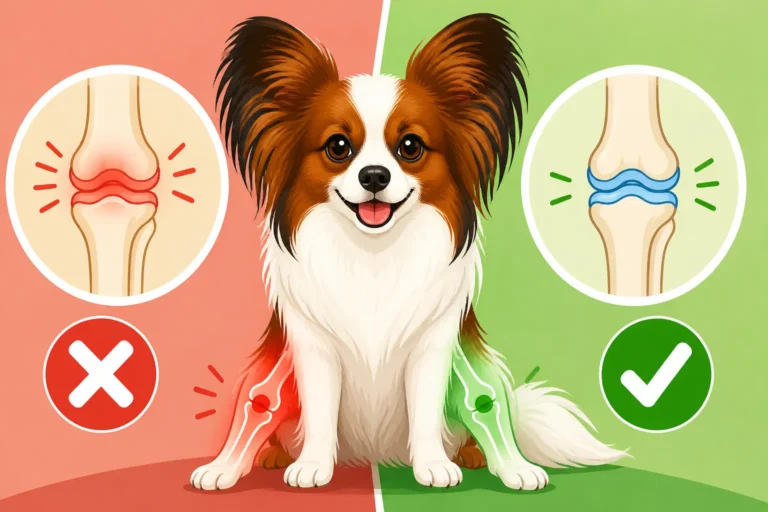
For Papillons, this can be incredibly important. We know they are predisposed to issues like patellar luxation, where the kneecap slips out of place. This isn't always apparent in a tiny puppy but can manifest as they grow or after an innocent jump. Patellar Luxation Is the Papillon Problem You Will Actually Meet If your Papillon hasn't been insured and then begins to skip steps or hold up a leg, any subsequent diagnosis and treatment for that luxation might be excluded from coverage. Similarly, while less common, Progressive Retinal Atrophy (PRA) is another hereditary concern in some lines, though it tends to show up later. The Papillon Type of Progressive Retinal Atrophy and the CNGB1 Gene Having insurance in place before any signs appear provides a safety net for these potential future diagnoses.
The reality is, even with the most diligent breeders who screen their dogs, genetic predispositions can sometimes emerge. By insuring early, you're not just hoping for the best; you're actively preparing for what could be, ensuring that if one of these conditions does surface, you can focus on your Papillon's health rather than the overwhelming cost of diagnosis and treatment.
Navigating Waiting Periods and Unexpected Events
Every pet insurance policy comes with waiting periods – a specific amount of time, usually days or weeks, that must pass after you enroll before coverage for certain conditions begins. There are typically separate waiting periods for accidents and illnesses, and often extended ones for orthopedic issues. For instance, an accident waiting period might be only a few days, while an illness waiting period could be 14-30 days, and orthopedic conditions like patellar luxation might have even longer waiting periods, sometimes up to six months.
Imagine your adorable Papillon puppy, full of beans, takes a tumble off the sofa within the first two weeks of you bringing them home and needs a trip to the emergency vet for a suspected fracture. If you only bought insurance the day before, you might find that the accident waiting period hasn't passed, leaving you footing the entire bill. The same goes for illnesses; if your puppy develops a nasty cough or an upset stomach during the illness waiting period, those immediate vet visits won't be covered.
Beyond the specific hereditary issues, small, active dogs like Papillons can be prone to everyday accidents. They love to leap, dart, and explore, sometimes without a full appreciation for gravity or the size of nearby human feet. A sudden fall, a playful bump resulting in a sprain, or even an accidental encounter with a dropped object can lead to an emergency vet visit. Having insurance in place before these unpredictable events occur means that once those initial waiting periods are over, you have peace of mind knowing that sudden injuries will be covered, allowing you to get immediate care without financial hesitation.
The Ideal Timing for Papillon Pet Insurance
So, if early enrollment is key, what's the "sweet spot" for getting your Papillon insured? Generally, the younger, the better, but there are nuances depending on whether you're bringing home a puppy, adopting an adult, or considering coverage for a senior dog.
The "Puppy Prime" Enrollment Window
For most Papillon owners, the absolute best time to get pet insurance is when your Papillon is a puppy, typically between 8 weeks and 6 months old. This window is often referred to as "puppy prime" for insurance purposes because it's when your dog is least likely to have developed any diagnosable conditions that could be labeled as "pre-existing."
When you get a puppy from a reputable breeder, they will usually have performed health screenings on the parents and provided initial vet checks for the litter. This means your puppy is likely entering your home with a clean bill of health. What a Papillon Breeder Should Have Tested Enrolling them in insurance as soon as you bring them home, or shortly after, ensures that any conditions that develop later – whether hereditary or entirely unexpected – are covered, provided they don't arise during the initial waiting periods. It locks in coverage at a younger age, often resulting in lower premiums over their lifetime compared to enrolling an older dog. This is a huge advantage, especially when considering the potential for conditions like patellar luxation, which can appear as they mature. How Common Patellar Luxation Is in Papillons
Insuring an Adult or Rescue Papillon
Life doesn't always go by the book, and many wonderful Papillons find their forever homes as adults or through rescue organizations. If you're bringing an adult Papillon into your life, getting insurance is still a wise decision, but the process has a few more considerations. The biggest hurdle will be pre-existing conditions. Any health issue that your Papillon has been diagnosed with, or shown symptoms of, before you enroll and before your policy's waiting periods are over, will typically be excluded from coverage.
This doesn't mean insurance is useless for an older dog; it will still cover new illnesses and accidents. However, it's crucial to get a thorough veterinary examination for your adult Papillon before you apply for insurance. This provides a baseline of their current health and documents any existing conditions. Make sure the vet performs a complete physical, checking joints, teeth, eyes, and listening to their heart. This report will be invaluable when applying, as it clearly defines what was known at the time of enrollment. While you might face higher premiums for an older dog, the peace of mind for future, unforeseen issues is still immensely valuable. Whether a Papillon Gets a Heart Murmur
Senior Care and Insurance Realities
As Papillons are a long-lived breed, often gracing us with their presence for well over a decade, the topic of insuring a senior dog comes up. How Long a Papillon Lives If your Papillon has been insured since puppyhood, fantastic! You'll likely enjoy continued coverage, though premiums may increase with age. If you're looking to get insurance for a Papillon who is already considered a senior (typically around 8-10 years old), it becomes significantly more challenging.
Many senior dogs have developed chronic conditions such as arthritis, dental disease, or even early signs of organ decline. These will be classified as pre-existing conditions and excluded. While some providers offer accident-only plans for older dogs, comprehensive accident and illness plans often come with much higher premiums and stricter exclusions for seniors. It's not impossible, but you'll need to carefully weigh the cost against the expected coverage. For senior Papillons, often the focus shifts to managing existing conditions, which insurance won't cover if they're pre-existing. However, it can still cover new accidents or entirely unrelated illnesses. Caring for a Papillon Past Eleven Sometimes, setting up a dedicated savings fund, in addition to or instead of, insurance for seniors can be a more predictable way to manage potential costs. What an Aging Papillon Costs a Year
What to Look For in a Papillon Insurance Policy
Once you understand the importance of early enrollment, the next step is choosing the right policy. Not all pet insurance is created equal, and what works for a Great Dane might not be the best fit for your delicate Papillon.
Understanding Coverage Types and What They Exclude
Most pet insurance plans fall into a few main categories:
- Accident-Only: These plans are the most basic and typically the cheapest. They cover injuries like broken bones, lacerations, or foreign object ingestion. They do not cover illnesses.
- Accident & Illness: This is the most popular and comprehensive type of plan. It covers accidents, and a wide range of illnesses including infections, allergies, digestive issues, cancer, and hereditary conditions (provided they're not pre-existing). This is generally the recommended option for Papillons due to their breed-specific health predispositions.
- Wellness Plans/Add-ons: These are often separate from accident and illness coverage and help cover routine care like annual exams, vaccinations, and sometimes even dental cleanings. While not "insurance" in the traditional sense, a wellness add-on can be incredibly beneficial for Papillons, who are prone to significant dental issues. Dental Work Over a Papillon's Long Life Their tiny jaws often lead to crowded teeth, making them susceptible to early tartar buildup and gum disease.
When reviewing policies, pay close attention to the list of exclusions. Some policies might have specific exclusions for certain orthopedic conditions or other issues if they are common in the breed or if a pre-existing condition clause is broadly applied. Ensure you understand what is not covered, so there are no surprises down the line.
Cost Factors: Deductibles, Reimbursement, and Limits
Understanding how your out-of-pocket costs are calculated is crucial. Pet insurance policies typically involve three main financial components:
- Deductible: This is the amount you pay out of pocket before your insurance company starts reimbursing you. It's usually an annual amount. You might choose a lower deductible for higher monthly premiums, or a higher deductible for lower monthly premiums. For a Papillon, where one major surgery like patellar luxation repair could be a significant bill, choosing a deductible you can comfortably afford is vital.
- Reimbursement Percentage: After your deductible is met, this is the percentage of the remaining vet bill that the insurance company will pay. Common percentages are 70%, 80%, or 90%. If your reimbursement is 80%, you'll still be responsible for 20% of the covered costs after the deductible.
- Annual Limit: This is the maximum amount the insurance company will pay out in a policy year. Some policies offer unlimited annual benefits, while others have a cap. For a breed like a Papillon, which can face orthopedic issues requiring surgery, choosing a policy with a high annual limit or unlimited benefits is often advisable. Knee Surgery Is the Bill Most Papillon Owners Meet Multiple surgeries or a serious illness can quickly exceed lower annual limits, leaving you with hefty bills again.
Carefully consider your budget and risk tolerance when selecting these parameters. A higher monthly premium usually means less out-of-pocket expense when your Papillon needs care, and vice-versa.
Making the Decision and Getting Covered
Choosing pet insurance can feel like a big decision, but with a little research, you can find a policy that brings you immense peace of mind.
Researching Providers and Getting Quotes
Don't settle for the first quote you receive. It's always best to compare multiple providers to find the best fit for your Papillon's needs and your budget. Companies like Healthy Paws and those partnered with platforms like Chewy offer various plans and features. Take the time to get quotes and carefully review their sample policies.
When you're comparing, look beyond just the monthly premium. Consider factors like:
- Customer Service: How easy is it to reach them? What are their reviews like regarding claims processing?
- Claims Process: Is it simple and fast, or complicated and slow?
- Specific Coverage for Papillon Issues: While most reputable insurers cover hereditary conditions if not pre-existing, it's always good to double-check their stance on common Papillon ailments like patellar luxation. Ask about waiting periods for orthopedic conditions specifically.
- Any Age Restrictions: Especially if you're looking to insure an adult or senior Papillon.
Don't hesitate to call their customer service lines with specific questions. A good insurer will be happy to clarify policy details and help you understand what you're buying.
The Value of Peace of Mind
Ultimately, pet insurance is an investment in your Papillon's health and your own financial well-being. It's a proactive step that allows you to provide the best possible care for your dog without being crippled by unexpected veterinary expenses. Knowing that you have a safety net can empower you to make medical decisions based on what's best for your Papillon, rather than agonizing over the cost.
Papillons have a wonderfully long lifespan, often living 12 to 16 years, and sometimes even longer. How Long a Papillon Lives Over such an extended period, the chances of them needing significant veterinary care at some point are quite high. From sudden accidents to chronic illnesses that develop with age, a comprehensive insurance policy can make all the difference. While it's one more bill, it's one that prevents potentially far larger bills down the line, contributing significantly to What a Papillon Costs Over Its Lifetime. The best time to insure your Papillon is before you think you'll ever need it, because that's when you guarantee the most comprehensive coverage and the greatest peace of mind.
Disclaimer
This article is for general informational purposes only and does not constitute professional advice. Laws, prices and regulations vary by location and change over time. Consult a qualified professional for guidance on your specific situation.