Whether a Papillon Is Worth the Knee Risk
The decision to welcome a new companion into your home is always exciting, but it often comes with a heap of questions and, let's be honest, a fair amount of worry about potential health issues. For anyone considering a charming Papillon, one concern frequently pops up: the risk of patellar luxation, or "slipping kneecaps." It's a valid concern that can feel overwhelming, but this guide is here to walk you through the realities of this condition in Papillons, weigh the potential challenges against the immense joys these little butterflies bring, and help you decide if a Papillon is truly worth the knee risk for your family.
Understanding the Papillon's Predisposition to Luxating Patella
It's no secret that small breeds, including our beloved Papillons, have certain health predispositions. Patellar luxation is definitely one of them, and it's something responsible owners and potential owners should absolutely be aware of. It doesn't mean every Papillon will suffer from it, but the possibility is significantly higher than in some other breeds, and it's crucial to understand why and what it entails.
What is Luxating Patella?
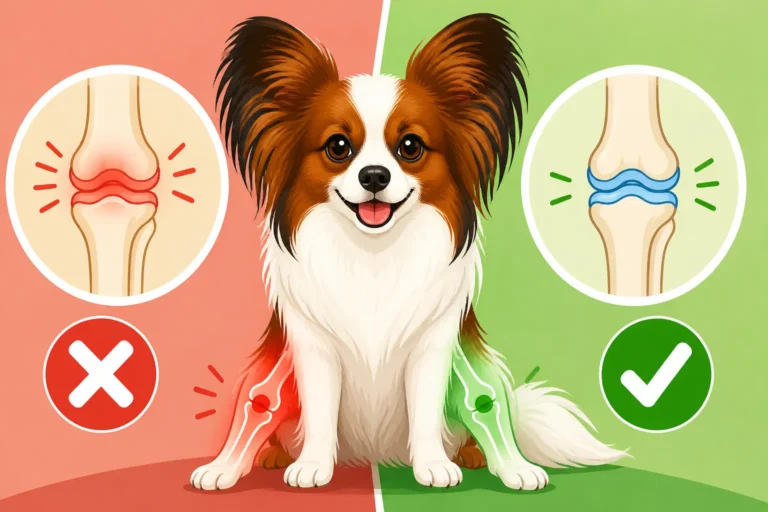
Let's break down what "luxating patella" actually means. Imagine your kneecap (patella) as a small bone that slides up and down in a groove on the end of the thigh bone (femur) when your dog bends and straightens its leg. This groove is called the trochlear groove. In a dog with luxating patella, this kneecap slips out of that groove, either towards the inside of the leg (medial luxation, which is most common in small breeds) or towards the outside (lateral luxation).
It can happen due to a variety of factors, often a combination. Sometimes, the trochlear groove itself isn't deep enough, giving the kneecap less of a "track" to run in. Other times, the ligaments supporting the kneecap might be too loose, or the bones of the leg might be slightly misaligned, causing the kneecap to pull to one side. When the kneecap slips, it can cause discomfort, pain, and an altered gait. You might see your Papillon suddenly pick up a back leg for a few steps, skip, or even hold it up for a moment before putting it back down as the kneecap pops back into place. This intermittent nature can sometimes make it hard for owners to pinpoint the problem immediately.
How Common Is Patellar Luxation in Papillons?
The truth is, patellar luxation is quite common in Papillons. It's one of the primary orthopedic concerns for the breed, and it's a significant focus for reputable breeders who strive to produce healthy puppies. While specific statistics can vary, most breed clubs and veterinary specialists will confirm that it's a condition often seen in the breed. This isn't to scare you, but to inform you, because knowledge is power when it comes to your pet's health.
Because of its prevalence, breeders who genuinely care about the long-term health of their lines will undertake specific health testing for patellar luxation. They'll have their breeding dogs examined by a veterinarian, usually an orthopedic specialist, to grade their knees. This is why you'll often hear about "OFA patella certifications" or similar health clearances. A breeder who doesn't discuss knee health or offer proof of testing should raise a red flag. When you're looking for a puppy, asking about these tests is non-negotiable. You want a pup whose parents have sound knees, as this significantly reduces the likelihood your own dog will develop the condition. Knowing What a Papillon Breeder Should Have Tested is absolutely vital for a healthy start.
The Genetic Component
While environmental factors like injury can certainly play a role, the primary reason patellar luxation is so common in Papillons (and other small breeds) is its genetic basis. This isn't a simple "one gene equals one problem" scenario; it's often a polygenic trait, meaning multiple genes contribute to the overall structure and alignment of the leg. This makes breeding out the condition a complex challenge, but dedicated breeders are continually working towards it by carefully selecting breeding stock.
The structural abnormalities that lead to a luxating patella, such as a shallow trochlear groove or misaligned bones, are often inherited. This is why buying from a breeder who screens their dogs is so important. They are actively trying to minimize the risk by ensuring their breeding animals have good knee structure. Even with the best breeding practices, there's never a 100% guarantee that a puppy won't develop it, but responsible breeding dramatically tilts the odds in your favor. It’s about minimizing risk, not eliminating it entirely, because nature always has its own plans.
The Realities of Living with a Papillon's Knee Issues
So, what happens if your Papillon does develop patellar luxation? It's not necessarily a disaster, but it does mean a commitment to management, which can range from conservative care to surgical intervention. Understanding these realities upfront can help you prepare emotionally and financially.
Signs and Symptoms
Recognizing the signs of patellar luxation is the first step. For a Papillon, these signs can be quite subtle initially, especially if the luxation is intermittent or mild. The most classic symptom is the "skip" or "hop" where the dog will suddenly lift one hind leg for a few steps, often shaking it, and then put it down as if nothing happened. This happens when the kneecap slips out, and the dog is trying to flick it back into place.
Other signs might include:
- Intermittent lameness: Your dog might limp occasionally, especially after exercise, but then seem fine.
- Stiffness or reluctance to jump: They might hesitate to jump onto furniture or climb stairs, or seem stiff when getting up.
- Abnormal gait: In more severe cases, or if both knees are affected, they might walk with a crouched stance, or their legs might bow out.
- Pain: While not always obvious, some dogs may show signs of pain, such as yelping when the leg is touched or when the kneecap slips, or being generally less active.
- Swelling: In chronic cases, inflammation can occur around the joint.
It’s crucial to remember that these signs can also point to other issues. If you notice any of these symptoms, a visit to your veterinarian is in order. They can physically examine your dog's knees and often diagnose patellar luxation with just palpation, though X-rays may be used to assess the severity and look for other contributing factors. Learning about Signs a Papillon's Kneecap Slips can help you be vigilant.
Diagnosis and Management
Once diagnosed, your vet will typically grade the luxation. This grading system (usually I to IV) helps determine the severity and the best course of action.
| Grade | Description | Presentation in Papillon | Management |
|---|---|---|---|
| I | Patella can be manually luxated but returns spontaneously. | Occasional skip, often no obvious pain. May go unnoticed. | Conservative; monitor, weight management, joint supplements. |
| II | Patella luxates spontaneously or manually and remains luxated until manually replaced or dog extends leg. | Frequent skipping, mild lameness. May be painful after exercise. | Conservative initially; surgery often recommended if symptomatic. |
| III | Patella is permanently luxated but can be manually replaced, though it reluxates immediately. | Persistent lameness, crouched stance, often painful. | Surgery usually recommended to improve quality of life. |
| IV | Patella is permanently luxated and cannot be manually replaced. | Severe lameness, significant pain, deformed limb. | Surgery strongly recommended, but prognosis can be guarded. |
For lower grades (Grade I or mild Grade II), conservative management is often tried first. This includes things like strict weight management (keeping your Papillon lean is so important to reduce strain on their joints), gentle exercise, and sometimes joint supplements. Ensuring your dog has good footing, like rugs on hardwood floors, and providing ramps for furniture can also help prevent further injury and reduce stress on the knees. You can find excellent non-slip mats and ramps on sites like Chewy that are perfect for little dogs.
Surgical Intervention and Recovery
If conservative measures aren't enough, or if the luxation is more severe (Grade III, IV, or a symptomatic Grade II), surgery might be recommended. The goal of surgery is to deepen the trochlear groove, realign the patellar ligament, and sometimes adjust the angle of the tibia (shin bone) to ensure the kneecap tracks properly. This procedure can be highly effective in reducing pain and improving mobility. It’s a big decision, and understanding Whether a Papillon Needs Knee Surgery is key.
The cost of knee surgery is a significant consideration. While I can't give you exact figures, know that it's a specialty surgery and typically represents one of the largest veterinary expenses a Papillon owner might face. This is often the bill that causes the most financial strain for owners, as documented in Knee Surgery Is the Bill Most Papillon Owners Meet. Post-operative care involves pain management, strict rest, and often several weeks of physical rehabilitation to regain strength and mobility. This rehab is crucial for a successful outcome and can also add to the overall cost. Many owners wonder What a Papillon's Knee Surgery Is Always Necessary, but generally, it's considered when pain or mobility issues significantly impact the dog's quality of life.
This is where pet insurance can be a literal lifesaver. Companies like Healthy Paws offer policies that can help cover these unexpected large veterinary bills. It’s always best to get pet insurance when your dog is young, before any conditions develop, as most policies consider existing conditions, like a diagnosed luxating patella, to be pre-existing and may not cover them. Thinking about What Insurance Covers on a Papillon early on can make a huge difference down the road.
Beyond the Knees: The Endearing Qualities of the Papillon
It’s easy to get bogged down in health concerns, but it’s vital to remember why we fall in love with Papillons in the first place. These dogs are so much more than their potential knee issues; they are vibrant, intelligent, and incredibly loving companions that bring immense joy to their families.
Intelligence and Trainability
If you want a smart dog, you truly can't do much better than a Papillon. They are consistently ranked among the most intelligent dog breeds, often making the top ten for obedience intelligence. They soak up new commands and tricks like sponges, often needing just a handful of repetitions before they've got it down. This makes them an absolute delight to train, whether you're working on basic manners or complex agility sequences. It's often said The Papillon Is the Smartest Toy Breed There Is, and it truly shows in their eagerness to learn.
Their intelligence and biddability mean they excel in dog sports like agility, obedience, and rally. They are quick on their feet, nimble, and love having a job to do. Seeing a Papillon fly over jumps or weave through poles with incredible speed and precision is a sight to behold. They love the mental stimulation as much as the physical activity, making them fantastic partners for active owners who enjoy engaging with their dogs. Even if competitive sports aren't your thing, their intelligence translates into a dog that’s easy to live with, quick to house train, and eager to please, making them truly special companions.
Personality and Companionship
A Papillon's personality is perhaps its most captivating trait. Despite their delicate appearance, they possess a bold, confident, and utterly charming demeanor. They are famously affectionate and thrive on being part of the family, often wanting to be right in the middle of whatever you're doing. They form deep bonds with their owners and are incredibly loyal.
They are also incredibly adaptable. Whether you live in a small apartment or a large house, a Papillon can thrive, provided they get their daily dose of mental and physical stimulation. They love walks, but they are equally happy curled up on your lap for a cuddle session. They tend to be alert and observant, often making excellent little watchdogs, though sometimes their enthusiasm for "alerting" can lead to a bit of barking! They generally get along well with respectful children and other pets, provided they are properly socialized. Their sheer presence brings a lightness and joy to the home that is truly infectious.
Health and Longevity (Other than Knees)
Putting knee issues aside for a moment, Papillons are generally considered a robust and healthy breed with an impressive lifespan. It's not uncommon for them to live well into their teens, with many reaching 15, 16, or even 17 years old. This longevity means you get to enjoy their companionship for a wonderfully long time. How Long a Papillon Lives is often a pleasant surprise to new owners.
While no breed is entirely free of health concerns, beyond patellar luxation, Papillons are generally quite sound. Responsible breeders also screen for other conditions like Progressive Retinal Atrophy (PRA1), which affects vision, but this is less common than knee issues. Dental health is another area where Papillons, like many small breeds, need diligent care due to their small jaws crowding their teeth, but this is manageable with regular brushing and vet check-ups. Overall, a healthy Papillon can be expected to live a long, happy, and active life, full of zest and charm.
Making an Informed Decision: Is the Papillon Right for You?
So, back to the big question: Is a Papillon worth the knee risk? Ultimately, that's a personal decision, but hopefully, this comprehensive look at the issue and the breed's many virtues can help you make an informed choice.
Weighing the Risks Against the Rewards
On one side, you have the very real possibility of patellar luxation, which can lead to pain, mobility issues, and potentially expensive surgery and rehabilitation. It requires vigilance, preventative care, and sometimes a significant financial commitment. The idea of your beloved pet suffering is a heavy one, and it's absolutely fair to consider that burden.
On the other side, you have one of the most intelligent, affectionate, and spirited toy breeds imaginable. Papillons are loyal, adaptable, full of personality, and incredibly fun to live with. They bring joy, laughter, and companionship in spades. Their long lifespans mean they will be a part of your family for many wonderful years. For many, the unique combination of elegance and athleticism, paired with their unwavering devotion, far outweighs the potential challenges.
Here’s a quick overview of what to consider:
| Aspect | Potential Risk (Luxating Patella) | Overwhelming Reward (Papillon Traits) |
|---|---|---|
| Health | High predisposition to patellar luxation; potential for surgery & rehab. | Generally long lifespan (14-16+ years); robust health otherwise. |
| Cost | Potential for significant vet bills (surgery, medication, physical therapy). | Relatively low daily feeding costs (small appetite); manageable grooming. |
| Effort | Proactive care needed: weight management, joint supplements, careful play. | Highly intelligent, eager to please, easy to train; excels in dog sports. |
| Lifestyle | Need to protect joints (ramps, non-slip floors); cautious exercise. | Adaptable to various living situations (apartments, houses); loves family. |
| Emotional | Worry over potential pain or disability for your pet. | Deep affection, loyalty, constant companionship, endless entertainment. |
Mitigating Risks
If you're leaning towards a Papillon, there are concrete steps you can take to minimize the risks and manage potential issues effectively:
- Choose a Reputable Breeder: This is perhaps the most critical step. Look for a breeder who actively health tests their breeding stock for patellar luxation (and PRA1) and can provide certifications. They should be transparent about their dogs' health history and answer all your questions. A good breeder will prioritize health and temperament above all else.
- Maintain a Healthy Weight: Keep your Papillon lean! Excess weight puts immense strain on their joints, exacerbating any underlying knee issues. High-quality food options like Ollie, which provides carefully portioned meals, or other premium kibbles available on Chewy, can help you manage their weight effectively.
- Provide a Safe Environment: Use ramps for furniture to prevent jumping on and off high surfaces. Cover slippery floors with rugs or mats to provide better traction. These small changes can significantly reduce the wear and tear on their joints.
- Consider Pet Insurance: As mentioned, pet insurance can be an invaluable safety net for unexpected veterinary expenses, especially for conditions like luxating patella. Research providers like Healthy Paws and understand their policies, including waiting periods and what constitutes a pre-existing condition, before you bring your puppy home.
Financial Preparedness
Even with the best breeder and preventative care, there’s no absolute guarantee against health issues. It's smart to be financially prepared for potential veterinary costs. Beyond pet insurance, consider setting up a dedicated emergency fund specifically for your dog’s health. Fifteen Years of a Papillon, Priced Out gives a comprehensive look at the lifetime costs, and it’s a wise read for any prospective owner.
The average Papillon is a small, relatively low-maintenance dog in terms of daily care, but the potential for significant medical bills for conditions like patellar luxation can swing the financial picture considerably. Having a plan in place, whether it's insurance or a savings account, provides peace of mind and ensures you can provide the best care for your furry friend if the need arises.
Ultimately, the joys a Papillon brings are profound and deeply rewarding. They are intelligent, loving, and surprisingly robust little dogs. While the risk of patellar luxation is a genuine consideration, with careful research, responsible breeder selection, and proactive care, you can significantly mitigate that risk and enjoy a long, happy life with your butterfly-eared companion. For many Papillon owners, the answer is a resounding yes: they are absolutely worth it.
Disclaimer
This article is for general informational purposes only and does not constitute professional advice. Laws, prices and regulations vary by location and change over time. Consult a qualified professional for guidance on your specific situation.