Starting a Papillon in Agility
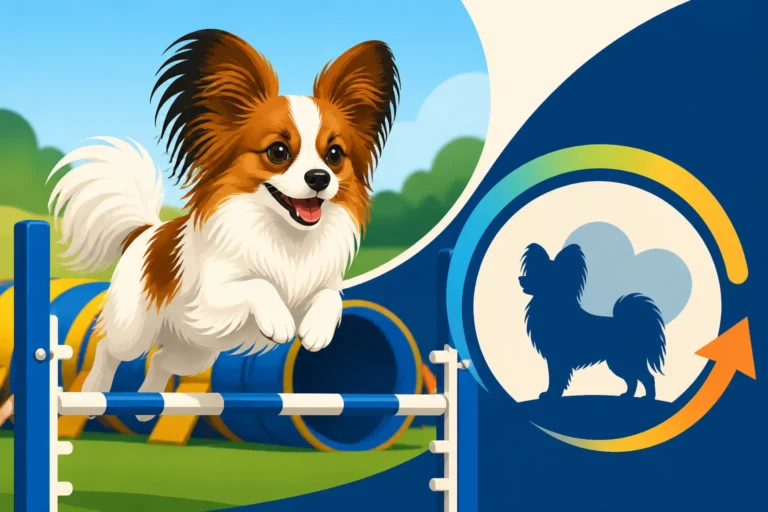
It’s easy to look at a Papillon, with their delicate butterfly ears and dainty appearance, and wonder if a high-octane sport like agility is truly suitable for them. Many owners worry about their small size or perceived fragility, picturing them being overwhelmed on a demanding course. However, the truth is that Papillons are absolutely brilliant at agility, often surprising everyone with their speed, intelligence, and sheer athletic prowess. This guide will take you through everything you need to know about starting your Papillon on a successful and joyful agility journey, from laying the groundwork to conquering the competition ring.
Why a Papillon Excels in Agility
Let's be real, Papillons aren't just good at agility; they often dominate it. There's a reason you see so many of these little powerhouses flying through courses, sometimes even outpacing much larger breeds. It's not just luck; it's a combination of their inherent traits that make them perfectly suited for the sport.
Innate Intelligence and Trainability
If you've spent any time with a Papillon, you already know they're not just pretty faces. These dogs are incredibly smart, often ranking among the most intelligent breeds, even surpassing some working breeds. This high intelligence means they pick up new commands and complex sequences with remarkable speed. They thrive on mental stimulation, and agility provides just that—it's like a giant puzzle they get to solve with their whole body.
Think about it: an agility course isn't just about running; it's about understanding cues, remembering sequences, and adapting to changes on the fly. A Papillon’s sharp mind allows them to process this information quickly, making them highly trainable for the intricate demands of the sport. You’ll often find that your Papillon is ready for the next challenge before you even are! This breed’s eagerness to please, coupled with their intelligence, makes them a joy to train. They truly love learning and working alongside their human partners, creating an incredibly strong bond in the process. How Fast a Papillon Learns a New Cue is truly impressive.
Athleticism and Small Stature Advantage
Don't let their small size fool you into thinking they're fragile couch potatoes. Papillons are surprisingly athletic and robust for their stature. They're built for speed and quick turns, possessing a natural grace and agility that's a huge asset on the course. Their light frames mean less impact on their joints compared to heavier dogs, and their compact size allows them to maneuver through tight spaces and execute precise turns with ease.
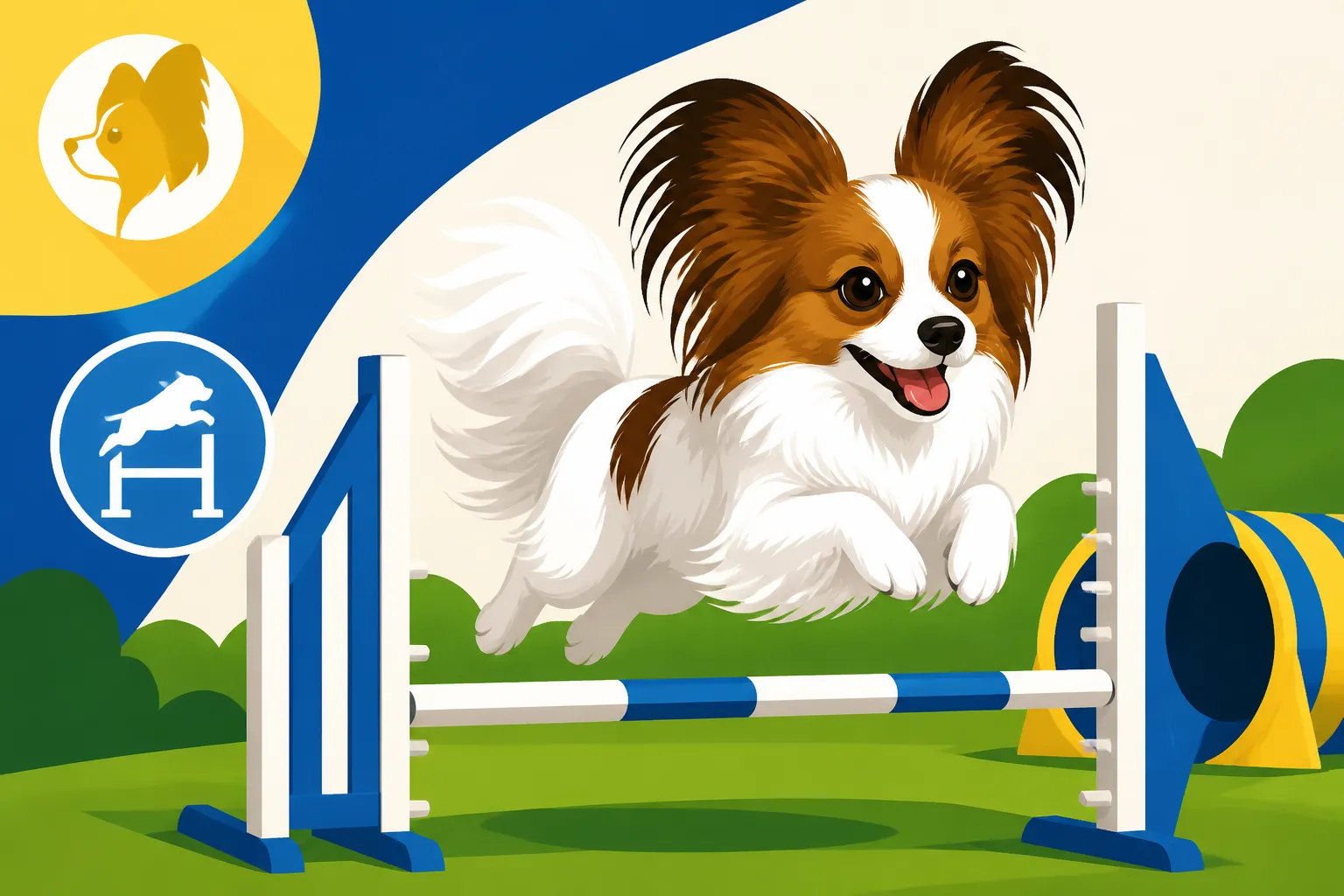
This small stature is actually a significant advantage in agility. They can navigate tunnels and weave poles with incredible speed and fluidity that larger dogs simply can't match. When you watch a Papillon compete, you'll see them darting, leaping, and twisting with an energy that belies their size. They might be small, but they cover ground quickly and efficiently, making them formidable competitors. This natural athleticism, combined with their ability to accelerate and decelerate rapidly, helps them shave precious seconds off their course times. Why a Papillon Beats Bigger Dogs at Its Own Size is really evident when you see them on the agility field.
Unflappable Confidence
One of the most charming, and sometimes challenging, traits of a Papillon is their immense confidence. They truly believe they are big dogs in small bodies. This isn't just a cute quirk; it's a huge asset in agility. They approach new obstacles and environments with a fearless attitude, rarely intimidated by unfamiliar equipment or the bustling atmosphere of a trial.
This confidence means they're less likely to balk at a scary-looking tunnel or a wobbling teeter-totter. Instead, they often tackle challenges head-on, eager to see what’s next. This inherent bravery, when properly channeled through positive training, translates into a dog that trusts its handler and confidently performs tasks. They have an almost boundless energy and an infectious enthusiasm for life, which shines through every time they step onto an agility course, making them captivating to watch and wonderful partners to work with.
When to Begin Your Papillon's Agility Journey
Getting started in agility isn't just about your Papillon's enthusiasm; it's also about timing and proper physical development. Rushing into high-impact activities too soon can lead to injuries and a lifelong aversion to the sport. Knowing when and how to introduce agility is key to a long, healthy, and happy career.
Puppy Foundations and Early Socialization
Even if your Papillon puppy is just a tiny fluffball, you can start laying the groundwork for agility. This isn't about jumping hurdles or weaving poles yet, but rather focusing on foundational skills and positive experiences. Early socialization is paramount. Expose your puppy to different sights, sounds, people, and other friendly dogs in a controlled, positive manner. This builds confidence and reduces the likelihood of fear or anxiety in busy trial environments later on.
Basic obedience is also non-negotiable. Teaching your puppy reliable "sit," "stay," "come," and "down" cues from a young age provides the language you'll need for more complex agility commands. Introduce them to novel objects and textures, allowing them to explore and build comfort with different surfaces. Gentle play with small tunnels (like children's play tunnels) or low platforms can introduce them to the idea of obstacles without putting any strain on their developing bodies. An excellent online program, such as the one offered by BAXTER & Bella, can guide you through these crucial puppy stages, ensuring you're building a solid foundation from day one. The Vaccination Schedule a Papillon Puppy Needs is also vital to ensure they can safely be socialized.
Waiting for Physical Maturity
This is perhaps the most critical piece of advice: do not rush high-impact obstacles with a growing puppy. A Papillon's bones and growth plates are not fully developed until they are typically 10-12 months old, sometimes even a bit later for larger individuals within the breed standard. Jumping, weaving, and contact obstacles (like A-frames and teeters) put stress on developing joints, and premature strain can lead to serious, lifelong orthopedic issues like patellar luxation.
During this developmental period, focus on flatwork, body awareness exercises, and low-impact conditioning. Think about practicing tight turns on the flat, teaching them to go over very low bars (literally just lying on the ground), and working on their rear-end awareness. Save the full-height jumps, aggressive weaves, and steep contacts for when your vet gives the all-clear. Many experienced agility handlers won't introduce serious jumping until their Papillons are at least a year old. This patient approach pays off exponentially in the long run, ensuring your dog has a healthy structure to support a robust agility career. The Age a Papillon Can Start Jumping is a key consideration for their long-term health.
Importance of Vet Clearance
Before seriously embarking on an agility journey, a thorough veterinary check-up is absolutely essential. Your vet can assess your Papillon's overall health, check for any underlying conditions, and specifically evaluate their joint health, particularly their patellas (kneecaps). Patellar luxation, where the kneecap slips out of place, is a known concern in small breeds like Papillons, and while many dogs with low-grade luxation can still participate in agility with careful management, it's crucial to know your dog's status.
A vet can confirm that your Papillon’s growth plates have closed and that they are physically sound enough for the demands of the sport. They can also offer advice on proper nutrition and conditioning to support muscle and joint health. Think of it as getting a pre-flight check for an athlete; it's about ensuring their body is ready for the work ahead. Discussing any concerns, like Whether a Papillon's Knees Limit Agility, with your vet is a proactive step that can prevent future problems and give you peace of mind.
Essential Pre-Agility Training for Your Papillon
Agility isn't just about speed; it's about precision, communication, and a strong partnership between you and your Papillon. Before you even think about full courses, there are some fundamental training elements that will make your agility journey much smoother and more enjoyable. These aren't just "nice-to-haves" – they are absolutely essential.
Mastering Basic Obedience Cues
A solid foundation in basic obedience is the bedrock of any successful agility team. Your Papillon needs to understand and respond reliably to cues like "sit," "stay," "down," "come," and "wait" even amidst distractions. Imagine trying to get your dog to pause before a jump if they don't have a reliable "wait"! These cues aren't just for good manners; they become critical commands for navigating the agility course safely and efficiently.
Practice these commands in various environments – at home, in the yard, at a park, and even in a busy pet store. The goal is for your Papillon to respond instantly, regardless of what's happening around them. Use positive reinforcement methods, with high-value treats and enthusiastic praise, to make training fun and rewarding. A Papillon’s intelligence means they'll pick these up quickly, but consistency is key to making them truly reliable. This groundwork will allow you to communicate effectively on the course, whether you're asking for a tight turn or a pause at the end of a contact obstacle.
Building a Strong Recall and Focus
In agility, your Papillon will often be off-leash, covering ground rapidly, and you'll need them to respond to your voice and body language instantly. This means an impeccable recall is paramount, not just for safety but for efficient course navigation. A strong "come" cue ensures your dog returns to you promptly, whether they've missed an obstacle or you need to redirect them. Parallel to recall is developing intense focus on you. Agility environments are full of exciting smells, other dogs, and cheering crowds, all of which can be huge distractions.
Start recall training in a quiet area, gradually increasing distractions as your Papillon's reliability grows. Make coming to you the most rewarding thing ever. For focus, practice engagement games where you are the most interesting thing in the world. Use toys, treats, and enthusiastic praise to build this connection. Teaching a "watch me" or "look" command can be incredibly helpful for regaining your Papillon's attention mid-course. Remember, What Motivates a Papillon can vary, so experiment to find what truly makes your dog eager to engage with you. This intense connection and reliable responsiveness are what transform a collection of behaviors into a synchronized team performance.
Developing Drive and Motivation
While Papillons are naturally energetic, translating that energy into focused drive for agility takes cultivation. You want your dog to want to do agility, not just comply. This involves finding what truly motivates your Papillon. Is it a favorite squeaky toy? A specific type of high-value treat? Your enthusiastic praise? For many Papillons, it's a combination of all three, but knowing their ultimate reward is crucial for maintaining their interest and excitement.
Play games like tug, fetch, or chase to build their prey drive and bond with you. These games teach them that working with you is fun and rewarding. Introduce short bursts of play during training sessions to keep their energy levels high and their spirits buoyant. Avoid drilling too much or making training feel like a chore; keep it short, fun, and always end on a high note. For a Papillon, a 5-10 minute training session might be far more productive than a longer one, as their focus can wane. How Long a Papillon Will Work in a Session is something you'll learn as you go, tailoring it to their individual needs. Building this intrinsic motivation ensures your Papillon approaches the agility course with gusto, eager to tackle each obstacle as a shared adventure.
Setting Up for Success: Equipment and Environment
Once your Papillon has the foundational skills, it’s time to start thinking about the actual obstacles and where you’ll be training. You don’t need a full-blown agility field in your backyard from day one, but strategic choices in equipment and environment will make a world of difference.
Starting with Simple Home Equipment
You absolutely do not need to invest in competition-grade equipment right away. In fact, it's often better to start small. Basic, lightweight, and adjustable equipment is perfect for home practice and building confidence. Think about purchasing a low practice jump (or even making one out of PVC pipe) that you can start at a couple of inches high and gradually raise. A collapsible tunnel is another excellent first purchase, as Papillons generally love zipping through them. You can find these easily on platforms like Amazon.
You might also consider a pause table or a raised platform for teaching contact obstacles. Even a sturdy ottoman or a low crate can serve as a makeshift pause table. The goal is to introduce the concept of the obstacles, not necessarily to master them at competition height or speed. Practice in a safe, enclosed area of your yard or even indoors if you have the space. Remember, consistency in practice, even with simple equipment, builds muscle memory and reinforces understanding.
Choosing the Right Training Environment
Where you train is almost as important as what you train. For early sessions, a quiet, distraction-free environment is best. This allows your Papillon to focus entirely on you and the task at hand without being overwhelmed by external stimuli. As they gain confidence and understanding, you can gradually introduce more distractions.
Once you move beyond basic home practice, seeking out a dedicated agility training facility or an experienced instructor is invaluable. These places offer safe, well-maintained equipment and a controlled environment designed for agility. The surfaces are often matted to prevent slips, and the equipment is sturdy and regulation-sized. Training in such a setting helps your Papillon get accustomed to the look and feel of real agility obstacles, which is crucial before ever stepping into a trial.
The Value of Group Classes and Instructors
While individual practice is important, enrolling in group agility classes with a qualified instructor is highly recommended. An experienced instructor can:
- Provide proper technique: They’ll teach you how to handle your Papillon, guide them through obstacles correctly, and use your body language effectively. This includes teaching them How a Papillon Manages Weave Poles, which can be tricky!
- Ensure safety: Instructors know when your Papillon is ready for certain obstacles and can help prevent injuries by ensuring correct form.
- Offer course design experience: They can set up sequences that challenge you and your Papillon appropriately, gradually building skills.
- Introduce distractions safely: Group classes expose your Papillon to other dogs and people in a structured way, helping them generalize their skills to a more stimulating environment.
- Troubleshoot problems: If you're struggling with a particular obstacle or behavior, an instructor can offer tailored advice and solutions.
Think of it as having a coach for your athletic team. Their expertise is invaluable for both you and your Papillon, accelerating your learning and making the experience more rewarding.
Navigating Common Challenges and Concerns
Even with the best preparation, agility can present its own set of challenges, especially for a small breed like the Papillon. Being aware of these potential hurdles and knowing how to address them proactively will save you a lot of frustration and keep the experience positive for your dog.
Protecting Your Papillon's Joints
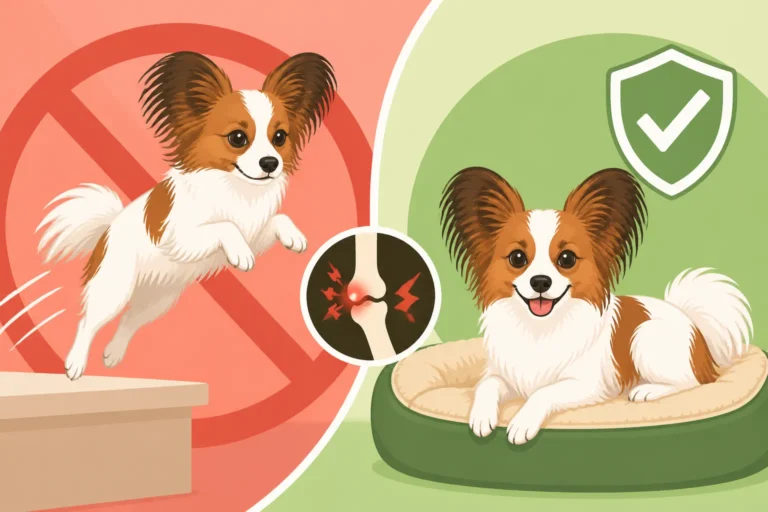
As mentioned before, Papillons are generally robust, but their small size doesn't make them immune to joint issues. Patellar luxation, in particular, is a concern in toy breeds. Protecting your Papillon's joints throughout their agility career is paramount for their long-term health and comfort. This starts with ensuring they are fully mature before introducing high-impact activities like jumping.
Beyond proper age, focus on:
- Warm-up and cool-down: Just like human athletes, dogs need to warm up their muscles before intense activity and cool down afterwards to prevent injury.
- Proper footing: Train on surfaces that provide good traction and cushioning, avoiding slippery floors or extremely hard surfaces.
- Appropriate jump heights: Always jump at heights appropriate for your Papillon's size, typically in the smallest jump height categories. How High a Papillon Jumps in Competition is usually quite low, which helps.
- Weight management: Keep your Papillon at a lean, healthy weight. Even a few extra ounces can put undue stress on small joints.
- Regular vet check-ups: Continue with regular veterinary examinations, specifically discussing their joint health with your vet. Patellar Luxation Is the Papillon Problem You Will Actually Meet and being proactive about it is key.
- Consider ramps and steps: At home, consider using ramps or steps for furniture your Papillon frequently jumps on and off. Whether a Papillon Should Be Stopped From Jumping Off Furniture is a real consideration for joint longevity.
Managing Barking and Excitement
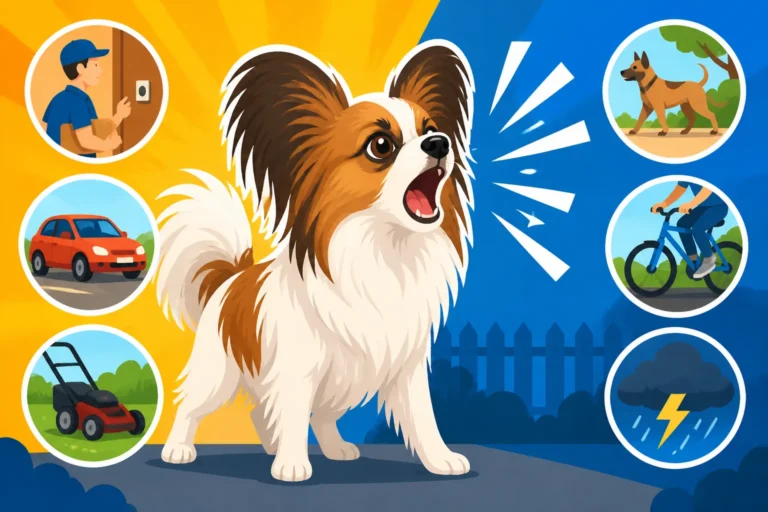
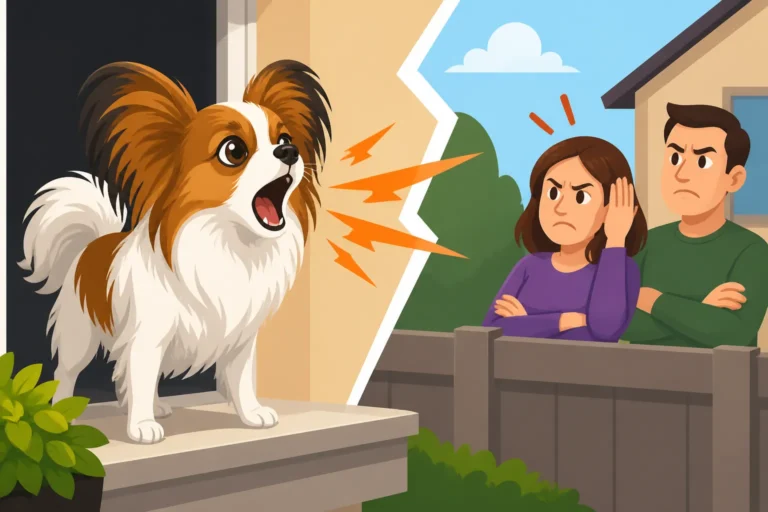
Papillons are known for their lively personalities, and sometimes that translates into enthusiastic barking, especially when excited. In the high-energy environment of an agility trial, this can become a challenge. A Papillon might bark at other dogs, at the handler, at the obstacles, or simply out of sheer excitement. While some barking is normal, excessive barking can be distracting for both you and other competitors. What a Papillon Barks At can give you clues to managing it.
Start addressing this early in training. Teach a "quiet" cue and reward calm behavior generously. Practice in increasingly distracting environments, helping your Papillon learn to focus on you despite the surrounding excitement. Sometimes, the barking is a sign of over-arousal; in these cases, short breaks, a calming chewie, or even just stepping away from the immediate action for a few minutes can help them regulate. Remember, agility should be fun, but controlled excitement is the goal.
Handling Course Overwhelm
For some Papillons, especially when they are first starting out or encountering new types of trials, the sheer scale and noise of an agility event can be overwhelming. The busy atmosphere, the unfamiliar obstacles, the sounds of other dogs, and the pressure of performance can sometimes lead to hesitation or anxiety. It’s important to recognize these signs in your Papillon and address them with empathy and patience.
Signs of overwhelm might include a reluctance to approach obstacles, cowering, excessive sniffing, or trying to disengage. If you notice this, scale back. Practice in quieter settings, focus on just one or two obstacles at a time, and ensure every experience is overwhelmingly positive. Break down complex sequences into smaller, manageable chunks. Never force your Papillon onto an obstacle; always make it their choice. Build confidence slowly, celebrating every small success. Sometimes, just sitting quietly by the ring at a trial, letting them observe without expectation, can help them acclimate to the environment. The goal is to build a dog that is confident and happy on the course, not stressed.
Progression: From Practice to Competition
Once your Papillon has a solid grasp of individual obstacles and short sequences, and you've both enjoyed the journey of learning, you might start thinking about taking your skills to the next level: competition. This transition involves more than just running faster; it's about understanding the rules, the flow of a trial, and how to maintain that joy of agility for years to come.
Graduating to Full-Height Obstacles
As your Papillon approaches and passes their first birthday, and with veterinary clearance, you can gradually introduce them to full-height jumps and the more challenging aspects of the course. This is a progressive process; you wouldn't suddenly ask them to clear the maximum height. Instead, you'd slowly increase the jump bar height over several weeks or months, ensuring they maintain good form and confidence at each step.
Similarly, contact obstacles like the A-frame, dog walk, and teeter-totter, which have specific "contact zones" dogs must touch, are introduced carefully. Training a reliable contact performance is crucial for safety and for avoiding faults in competition. This involves teaching them to slow down and place their paws precisely in the yellow contact zones. Weave poles, too, require careful training to ensure your Papillon can navigate the entire sequence smoothly and quickly. Your instructor will be key in guiding this progression, ensuring your Papillon is physically and mentally ready for each new challenge.
Understanding Trial Structure and Rules
Agility trials can seem like a whirlwind of activity, but they operate under specific rules and structures. Different organizations (like the AKC or UKI in the United States, or local clubs) have their own sets of rules, but generally, they involve:
- Course Walks: Handlers walk the course without their dogs to memorize the sequence of obstacles.
- Run Times: Each dog-and-handler team gets a designated time to run the course.
- Faults: Penalties are given for knocked bars, missed contacts, off-course obstacles, or refusals (when the dog avoids an obstacle).
- Q (Qualifying) Scores: To earn titles, teams must achieve a "Q" by completing the course within a certain time and with minimal faults.
Familiarizing yourself with the specific rules of the organization you plan to compete with is vital. Attending trials as a spectator first can be incredibly helpful to get a feel for the atmosphere and procedures. Knowing what to expect reduces stress for both you and your Papillon. Understanding How High a Papillon Jumps in Competition is also part of knowing the rules for their size class.
Sustaining a Long and Enjoyable Career
The ultimate goal of agility isn't just to win ribbons, but to build a lasting, joyful partnership with your Papillon. These little dogs often have impressive lifespans, and with proper care, their agility careers can extend well into their senior years. To sustain this, prioritize their physical and mental well-being above all else.
- Listen to your Papillon: Pay attention to any signs of discomfort, fatigue, or disinterest. A dog that is no longer enjoying it won't perform well, and forcing them can lead to burnout or injury.
- Vary training: Don't just drill the same courses repeatedly. Introduce new challenges, play training games, and keep sessions fresh and engaging. This also fits into What a Papillon Does All Day to keep them mentally stimulated.
- Cross-training: Incorporate other activities like hiking, swimming (if your Papillon enjoys it!), or basic obedience to keep their bodies conditioned and their minds active without constantly stressing agility-specific muscles.
- Age-appropriate adjustments: As your Papillon ages, you might adjust jump heights, reduce the intensity of training, or focus more on precision over speed. Many senior Papillons still love to participate, even if it's just for fun or in veterans' classes.
- Celebrate the small victories: Not every run will be perfect, and that's okay. Focus on the joy of working together and the bond you share. This approach ensures your Papillon remains enthusiastic and healthy for many years of agility fun.
Beyond Agility: Other Sports and Activities for Your Papillon
While agility is a fantastic outlet for a Papillon's intelligence and athleticism, it's certainly not the only game in town. Their versatile nature makes them suited for a wide array of canine sports and activities. Exploring different options can keep life exciting for your Papillon, build new skills, and strengthen your bond in different ways.
Rally Obedience and Canine Good Citizen
If your Papillon loves to please and enjoys precision work, Rally Obedience could be a perfect fit. It's a fantastic stepping stone to formal obedience or a fun activity on its own. In Rally, dog and handler teams navigate a course with various stations, each dictating a specific obedience exercise (e.g., "sit-stay," "figure 8," "spiral left"). Unlike traditional obedience, handlers can talk to and encourage their dogs throughout the course. This communicative aspect often appeals to Papillon owners, as it allows for constant engagement.
Beyond competition, aiming for a Canine Good Citizen (CGC) title is an excellent goal for any Papillon owner. The CGC test evaluates a dog's manners and training in everyday situations, demonstrating that they are reliable and well-behaved members of the community. It's a testament to good foundational training and can open doors to other activities, like therapy work. Many of the skills learned in The Papillon Is the Smartest Toy Breed There Is can be applied directly to these endeavors, showcasing their adaptable intelligence.
Scent Work and Trick Training
Papillons, despite not being traditional scent hounds, have surprisingly good noses and can excel in scent work. This sport involves teaching your dog to find specific target odors (like birch, anise, or clove) hidden in various environments, mimicking the work of detection dogs. It's incredibly mentally stimulating, tires dogs out in a different way than physical exercise, and is accessible to dogs of all ages and physical abilities. It builds confidence and focus, and it's a fantastic way to engage your Papillon indoors or out.
Trick training is another area where Papillons shine. Their intelligence and eagerness to learn mean they pick up tricks rapidly. From simple "shake a paw" to complex sequences, trick training is a wonderful way to challenge their minds and showcase their cleverness. It's also a fantastic way to bond, build confidence, and entertain friends and family. There are even trick titles offered by various organizations, providing a fun goal for you and your talented Papillon. Teaching them to retrieve or to weave between your legs are just a couple of examples of tricks they'll love to master.
Therapy Dog Work
With their gentle nature, affectionate personalities, and often comforting demeanor, many Papillons make exceptional therapy dogs. Visiting hospitals, nursing homes, or schools, a therapy dog provides comfort, joy, and a welcome distraction to those in need. The prerequisite for therapy dog work usually involves passing the Canine Good Citizen test and then undergoing specialized therapy dog evaluations to ensure they are calm, predictable, and enjoy interacting with various people and situations.
A Papillon's small size can actually be an asset in this role, as they are non-intimidating and easily held or petted by individuals who might be frail or confined to a bed. Their soft coats and charming personalities tend to melt hearts wherever they go. If your Papillon has a calm temperament, enjoys meeting new people, and thrives on gentle attention, exploring therapy dog certification could be an incredibly rewarding path for both of you. It's a way to give back to the community and share the unique joy that only a Papillon can bring.
| Agility Training Milestone | Approximate Age | Key Focus Areas |
|---|---|---|
| Puppy Foundations | 8-12 weeks | Socialization, leash manners, basic obedience (sit, stay, come), crate training, body awareness games. No jumps. |
| Pre-Agility Prep | 4-9 months | Advanced obedience (stay with distractions, targeting), drive building (tug, fetch), focus exercises, flatwork handling drills, low ground bars/tunnels. Still no full jumps. |
| Introduction to Obstacles | 9-12 months | Intro to low jumps (2-4 inches), contact obstacles on the ground, open tunnels, table. Vet check for joint health. |
| Full Agility Training | 12+ months | Gradual increase in jump height, full contact obstacles, weave poles, course sequencing. |
| Competition Ready | 18+ months | Consistent performance, understanding trial rules, mental preparedness for handler and dog. |
Disclaimer
This article is for general informational purposes only and does not constitute professional advice. Laws, prices and regulations vary by location and change over time. Consult a qualified professional for guidance on your specific situation.