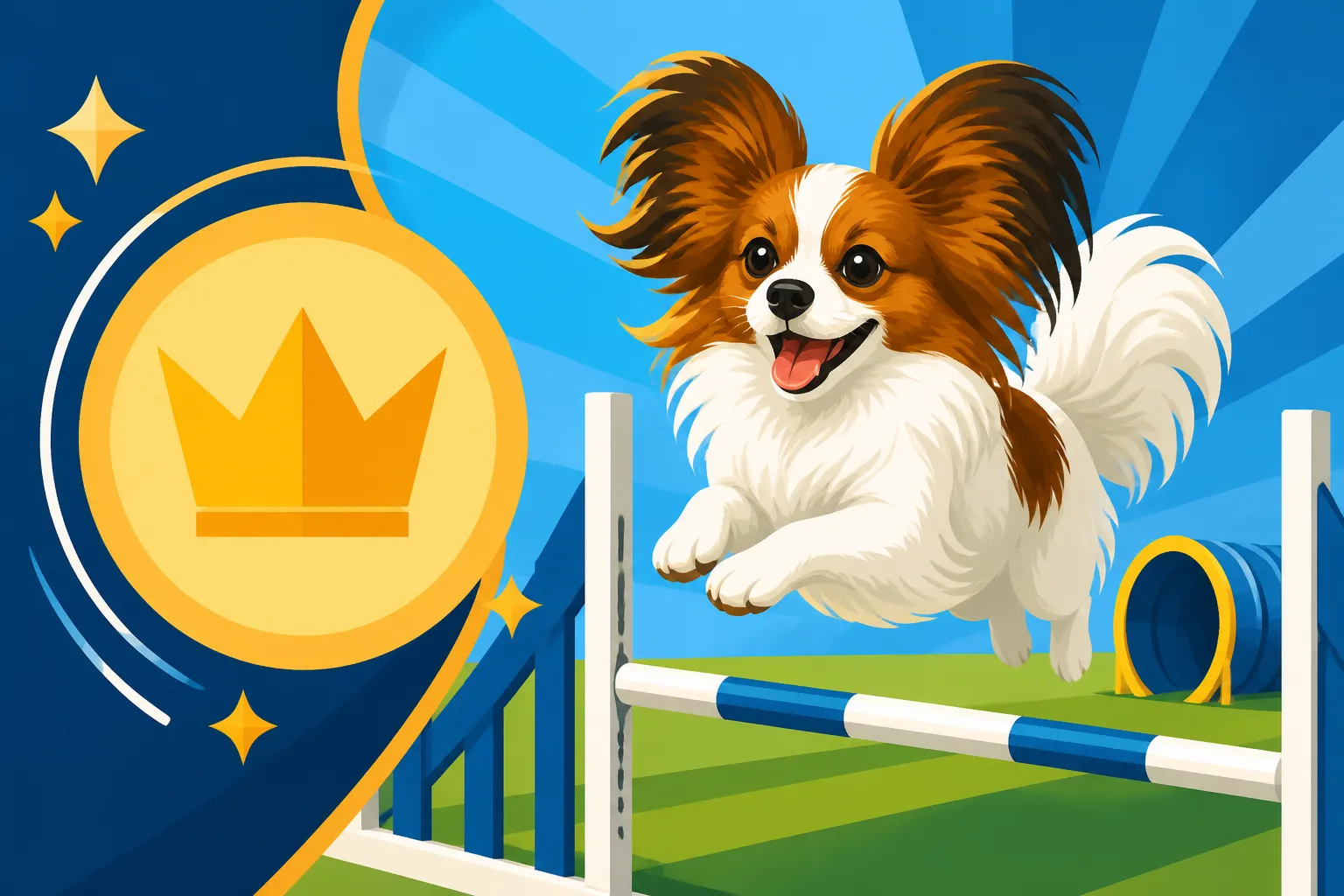
Why a Papillon Dominates Small Dog Agility
Many aspiring dog sports enthusiasts, especially those new to the world of toy breeds, often look at a Papillon and think, "Oh, what a pretty little lap dog." They might even wonder if such a delicate-looking creature could truly excel in something as demanding as agility. But anyone who has spent five minutes watching these spirited dogs on an agility course knows the truth: Papillons don't just participate in small dog agility, they often absolutely dominate it. This guide is here to shed light on precisely why these elegant, intelligent dogs are not just formidable competitors, but true champions in the making, and what makes them such a joy to train and compete with.
The Brains Behind the Butterfly Ears
The Papillon isn't just a pretty face; it’s an incredibly intelligent breed, often cited as one of the smartest in the canine world. This high intelligence is arguably their greatest asset in the fast-paced, problem-solving world of agility. When you're trying to navigate a complex course with multiple obstacles and split-second decisions, a dog that thinks on its feet is invaluable.
Unparalleled Trainability and Quick Wit
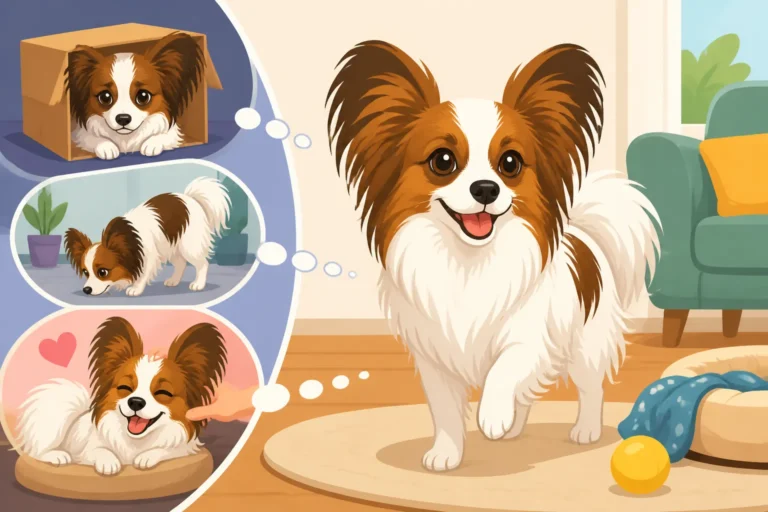
One of the most immediate benefits of a Papillon's sharp mind is their remarkable trainability. They pick up new commands and concepts with astonishing speed, often seeming to anticipate what you're asking for before you even finish the cue. This isn't just a matter of rote learning; it's an understanding of patterns, cause-and-effect, and a genuine desire to engage with their handler. I've personally seen Papillons learn a new obstacle sequence in fewer repetitions than many larger breeds would take just to master a single contact obstacle. This isn't to say other breeds aren't smart, but the sheer velocity at which a Papillon processes information and translates it into action is truly something to behold. They thrive on mental stimulation, and agility provides that in spades, keeping their minds sharp and engaged. This means less frustration during training sessions for both dog and handler. If you're looking for insights into just how quickly they can learn, you might find How Fast a Papillon Learns a New Cue particularly illuminating.
It’s not just about learning what to do, but how to do it efficiently. Their quick wit allows them to adapt if a handler’s cue is slightly off or if they encounter an unexpected obstacle on the course. They don't freeze up or get flustered; instead, they often make an educated guess, relying on their understanding of the game and their handler's overall body language. This willingness to experiment and try to figure things out, rather than shutting down, is a huge advantage when the clock is ticking and every second counts. Training products available on platforms like Amazon, such as puzzle toys or interactive feeders, can further tap into this inherent intelligence, reinforcing their problem-solving skills even when off the agility field.
Problem-Solving Prowess on the Course
Agility isn't just about speed; it's a test of problem-solving. A dog needs to understand the handler's directions, differentiate between obstacles, and execute them in a specific order, often with subtle cues. Papillons excel here because they genuinely enjoy the challenge. They see the course as a puzzle to be solved alongside their human, not just a series of tasks. This inherent curiosity and drive to figure things out make them excellent partners.
Consider a tricky sequence involving a tunnel entrance hidden behind a jump, or a tight weave pole entry. A less intelligent or less engaged dog might hesitate, look to the handler confusedly, or take the wrong obstacle. A Papillon, however, often processes the information, weighs the options, and commits with confidence. Their small size allows them to navigate tight turns and intricate footwork that would challenge larger breeds, making their problem-solving even more effective. They’re constantly thinking, observing, and predicting, which gives them an edge in those moments where precision and speed are equally critical. For those curious about their overall intellectual ranking, Where the Papillon Ranks for Obedience Intelligence offers a fascinating perspective.
Athleticism in a Petite Package
Don't let their delicate appearance fool you; Papillons are surprisingly athletic and robust for their size. They carry a surprising amount of muscle for such a lightweight frame, giving them the power and endurance needed to fly around an agility course. This combination of strength, agility, and grace is a major factor in their success.
Nimble Footwork and Explosive Speed
One of the most noticeable traits of a Papillon on an agility course is their incredible speed and nimble footwork. They can accelerate from a standstill to top speed in an instant, and their compact bodies allow for incredibly tight turns without losing momentum. This isn't just about straight-line speed; it's about agility in the true sense of the word – the ability to change direction rapidly and maintain balance. Imagine a tiny rocket, darting around obstacles with effortless grace. Their small stature means they have a lower center of gravity, contributing to their stability and allowing them to make sharper turns than many larger dogs.
This makes them phenomenal at weave poles, where their precise foot placement and rapid movement allow them to flow through the poles seamlessly. They can often complete a set of 12 weave poles in what feels like the blink of an eye. Their lightweight bodies also mean less impact on their joints, potentially contributing to a longer, healthier agility career, provided proper conditioning and care are in place. The energy they display is boundless, allowing them to maintain high speeds throughout a challenging course without fading.
Remarkable Body Awareness and Balance
Another crucial aspect of Papillon athleticism is their exceptional body awareness and balance. Agility requires a dog to know exactly where all four paws are at all times, especially on contact obstacles like the A-frame, dog walk, and teeter-totter. Papillons demonstrate a natural aptitude for this, often navigating these elevated surfaces with confidence and precision. Their inherent balance allows them to execute tight turns and tricky footwork without stumbling, even at high speeds.
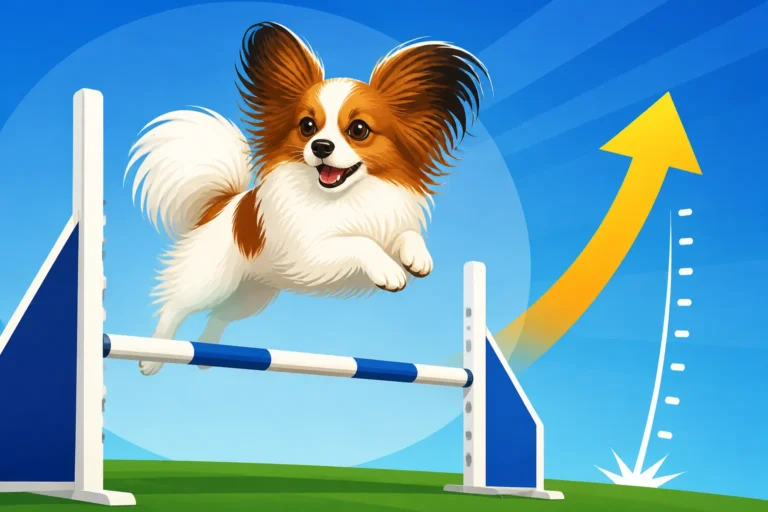
This body awareness also extends to their jumping ability. Despite their small size, they can clear jumps with impressive height and spread, often appearing to float over the bars. They instinctively adjust their stride and take-off point to ensure a clean jump, minimizing faults. This natural grace is something that can be refined with training, but the foundation is undeniably there. For anyone wondering about the challenges they face on larger obstacles, How a Papillon Handles the A Frame might provide some interesting insights. Their compact form helps them maintain stability and control, giving them an edge even on obstacles that might seem daunting for a small dog.
The Unshakeable Drive to Work
Raw talent and intelligence are wonderful, but without the drive to use them, a dog won't get far in agility. Papillons possess an incredible work ethic and an insatiable desire to please their handlers, making them highly motivated partners. They don't just tolerate training; they love it.
High Motivation and Toy/Food Drive
Papillons are typically highly motivated by both food and toys, which are essential tools in positive reinforcement training. Their keen interest in earning rewards makes them eager participants in training sessions. You’ll find them bouncing with anticipation, eyes locked on their handler, ready for the next command or the opportunity to chase a favorite tug toy. This high drive isn't just for food or toys in isolation; it's often tied directly to the interaction with their handler. The game of agility itself becomes a reward. This makes them incredibly fun to train because they bring their whole heart and soul to every session.
Finding the right motivator is key, and with Papillons, you usually have a wide array of options. Whether it's a piece of high-value cheese, a squeaky ball, or simply enthusiastic praise, they are keen to work for it. This makes shaping complex behaviors much easier, as they're always willing to offer attempts in exchange for feedback and reinforcement. If you're just starting, getting a basic online training course, perhaps from a brand like BAXTER & Bella, can help you harness this drive effectively from puppyhood.
Intense Focus and Handler Connection
One of the most endearing and effective traits of a Papillon in agility is their intense focus on their handler. They are truly "Velcro dogs," often preferring to be right by your side, attentive to your every move and sound. This strong bond translates beautifully onto the agility course. When a Papillon is running, their eyes are frequently flicking between the next obstacle and their handler, processing cues with remarkable speed. This isn't a dog that gets easily distracted by the crowd, other dogs, or external noises; their world often shrinks to just you and the course.
This deep connection is what allows for the seamless flow you see in top-level Papillon teams. The handler often doesn't need to shout loud commands or make exaggerated movements; subtle body language cues, a shift in weight, or a quiet word are often enough for the Papillon to understand and respond. They live for that partnership, that shared challenge, and the joy of working together. It's a true dance between human and canine, and the Papillon is a natural at following the lead. This unwavering focus and dedication contribute significantly to their consistent performance and ability to recover quickly from any minor miscommunications.
The Art of Seamless Partnership
Agility is a team sport, and the best teams operate as a single unit, anticipating each other's moves. Papillons seem to possess an innate ability to connect with their handlers on a profound level, creating a partnership that appears almost telepathic.
Responsive Communication and Intuitive Flow
The Papillon's responsiveness is legendary. They are incredibly sensitive to their handler's cues, whether it's a verbal command, a hand signal, or even a subtle shift in body weight. This allows for incredibly precise handling on the course, where fractions of a second and inches of movement can make all the difference. Their desire to be in sync with their handler means they're constantly looking for guidance, making them very "biddable" without being submissive. They want to work with you.
This intuitive flow often develops naturally through consistent training and bonding, but it’s rooted in the Papillon's nature. They are keen observers and eager communicators. Many Papillon handlers describe feeling like their dog is "reading their mind" on the course. This isn't magic, of course, but the result of a highly intelligent, focused dog paying close attention to every signal, however small. They learn your handling style, your habits, and even your breathing patterns, using all of it to anticipate what's next. This creates a beautifully synchronized performance that is both fast and accurate.
Adaptability to Varied Course Designs
Agility courses are never the same twice. Handlers and dogs must adapt to new sequences, different obstacle placements, and varying challenges with every competition. This is where the Papillon's intelligence and strong handler connection truly shine. They don't get stuck in a rut or expect the same old pattern; they are ready for anything.
Their compact size makes them particularly adept at navigating the tighter turns and smaller spaces that are often part of complex course designs. While a larger dog might need more room to turn after a jump, a Papillon can pivot almost in place, gaining precious milliseconds. This adaptability, combined with their quick learning, means they can quickly grasp the flow of a new course layout and execute it with minimal errors. This ability to adapt on the fly is a critical component of consistently strong performance across different judges and trial environments. You can prepare them for this by introducing variety in your home training using small agility equipment you might find on Amazon.
Mitigating the Unique Challenges
No breed is without its challenges, and even with all their natural advantages, Papillons in agility require mindful training and care. Addressing these specific points ensures a long, happy, and successful career for your butterfly-eared athlete.
Managing Over-Arousal and Excitement
Papillons are enthusiastic dogs, and sometimes that enthusiasm can tip into over-arousal, especially in the exciting, high-energy environment of an agility trial. An over-excited dog can make mistakes, miss cues, or become less efficient on course. It’s a common frustration for many small dog owners: how do you harness that incredible drive without letting it boil over? The key is consistent training in a variety of environments, teaching impulse control, and providing appropriate outlets for their energy.
Techniques like waiting calmly at the start line, practicing send-aways, and rewarding calm behavior in high-stimulus situations are crucial. Giving them a "job" to do while waiting, like a simple 'sit-stay' or 'down-stay,' can help channel their energy. Building a strong foundation with reliable obedience commands, perhaps through a structured program like those offered by BAXTER & Bella, can make a huge difference in managing their excitement. It’s about teaching them to be focused and controlled in their enthusiasm, rather than just wild. This ensures they bring their A-game to the course, not just their boundless energy.
Prioritizing Physical Longevity and Joint Health
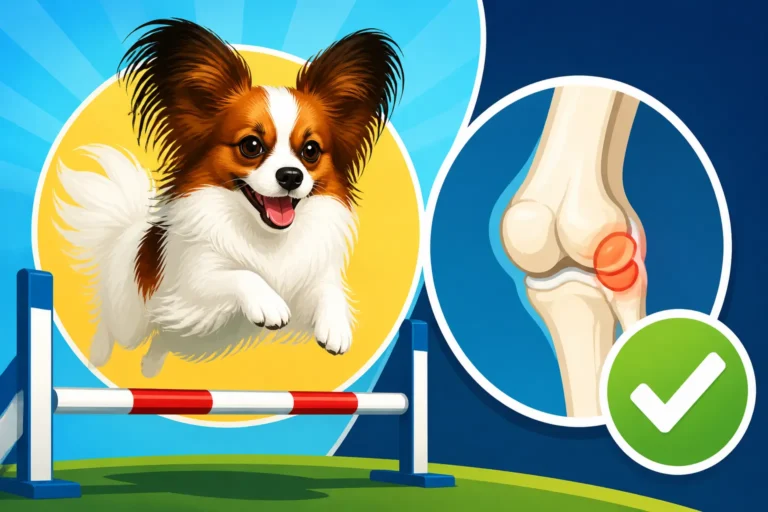
While Papillons are generally healthy and robust for their size, any dog involved in a high-impact sport like agility needs careful attention to physical health. Patellar luxation, while not always severe, can be a concern in toy breeds. Responsible breeding practices, including health testing, are paramount. However, even with a genetically sound dog, preventing injuries and maintaining joint health is a continuous effort. You might want to read Patellar Luxation Is the Papillon Problem You Will Actually Meet for a deeper understanding of this common issue.
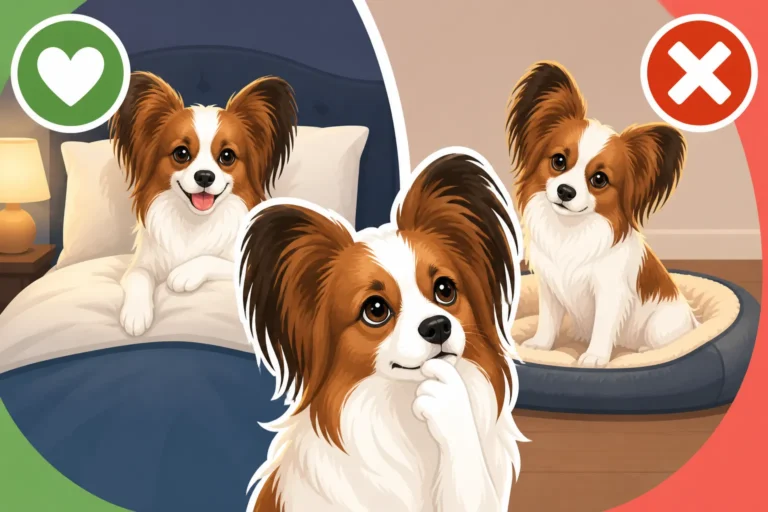
This means proper warm-ups and cool-downs before and after training and competition, maintaining an ideal weight (even a couple of extra ounces can impact tiny joints), and ensuring their muscles are strong and conditioned. Regular veterinary check-ups are non-negotiable, and some owners opt for supplements like glucosamine or fish oil to support joint health, though always discuss this with your vet first. Protecting their bodies from unnecessary stress, like jumping off high furniture, by using ramps or steps, also contributes to their long-term soundness. Whether a Papillon Should Be Stopped From Jumping Off Furniture delves into this more. A long agility career relies on both mental and physical fitness, and protecting those precious knees is absolutely vital.
Why Papillons Reign Supreme in Small Dog Agility
When you put all these traits together – the sharp mind, the athletic body, the unwavering drive, and the profound connection with their handler – it becomes clear why Papillons are such a dominant force in small dog agility. They are, quite simply, perfectly engineered for the sport.
The Complete Package for Performance
The Papillon isn't just good at one aspect of agility; they bring a complete package of skills to the table. Their intelligence allows for rapid learning and problem-solving, their athleticism provides the speed and precision, and their motivation ensures they always give their best. This holistic combination means they are rarely deficient in any single area of performance. They are fast without sacrificing accuracy, smart without being stubborn, and biddable without being dull.
Many breeds excel in one or two areas, perhaps being incredibly fast but less biddable, or highly trainable but lacking natural speed. The Papillon consistently offers a balance of all these desirable traits, making them incredibly versatile and competitive. They are a joy to watch, not just for their speed but for their obvious delight in the game and their effortless partnership with their human. They embody the spirit of agility in a way few other breeds can. For a general overview of their overall health, you might consider Whether the Papillon Is a Healthy Breed.
A Giant Dog Spirit in a Tiny Body
Perhaps the most compelling reason for the Papillon's dominance is their "big dog" attitude packed into a tiny frame. They have no idea they are small. They approach every obstacle, every course, and every challenge with the confidence and gusto of a much larger dog. This fearlessness, combined with their incredible talent, allows them to attack the course with an intensity that belies their size. They are bold, audacious, and utterly dedicated to the task at hand. This confident demeanor, often described as a "giant dog in a small body" mentality, is what truly sets them apart and makes them such thrilling competitors to watch. They play big, and they win big.
| Papillon Trait | Ideal Agility Dog Trait | Impact on Agility Performance |
|---|---|---|
| High Intelligence | Quick Learner, Problem Solver | Rapid mastery of commands and course navigation, adapting instantly to handler cues and unexpected situations. |
| Compact Size | Agility, Speed, Low Impact | Allows for tight turns, intricate footwork, and minimal joint stress, contributing to speed and longevity. |
| Strong Handler Focus | Eager to Please, Team Player | Creates a cohesive, intuitive team, leading to precise execution, fewer faults, and strong bonds. |
| Natural Athleticism | Nimble, Energetic, Balanced | Excellent jumping ability, quick acceleration, stamina, and precise body control on all obstacles. |
| Robust Health (generally) | Durable, Resilient | Supports intense training and competition with proper care, offering potential for a long and successful career. |
| Fearless Demeanor | Confident, Brave | Approaches all obstacles, including potentially intimidating ones, with enthusiasm and resolve. |
Disclaimer
This article is for general informational purposes only and does not constitute professional advice. Laws, prices and regulations vary by location and change over time. Consult a qualified professional for guidance on your specific situation.