How a Papillon Behaves With Children
Bringing a Papillon into a home with children can bring immense joy, but many families worry if such a small and seemingly delicate breed can truly thrive amidst the boisterous energy of kids. It's a valid concern, as Papillons are indeed tiny, but they are also incredibly intelligent, spirited, and often possess a surprising amount of confidence. This guide will walk you through everything you need to know about how Papillons typically behave with children, covering their natural tendencies, essential preparation, and practical strategies to ensure a harmonious and safe household for everyone.
The Papillon Temperament and Children
Understanding the core personality of a Papillon is the first step in assessing how they might integrate into a family with children. These aren't just pretty faces; they come with a distinct set of characteristics that can either complement or clash with a child-filled environment, depending on careful management and education.
The Papillon's Energetic and Playful Spirit
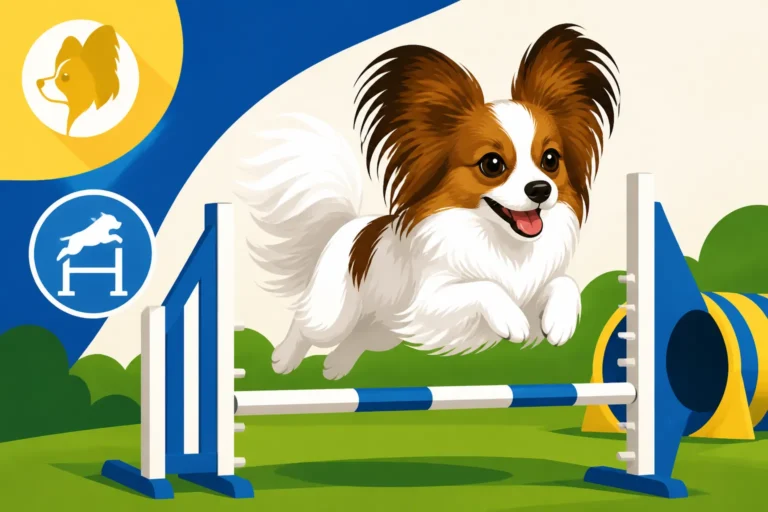
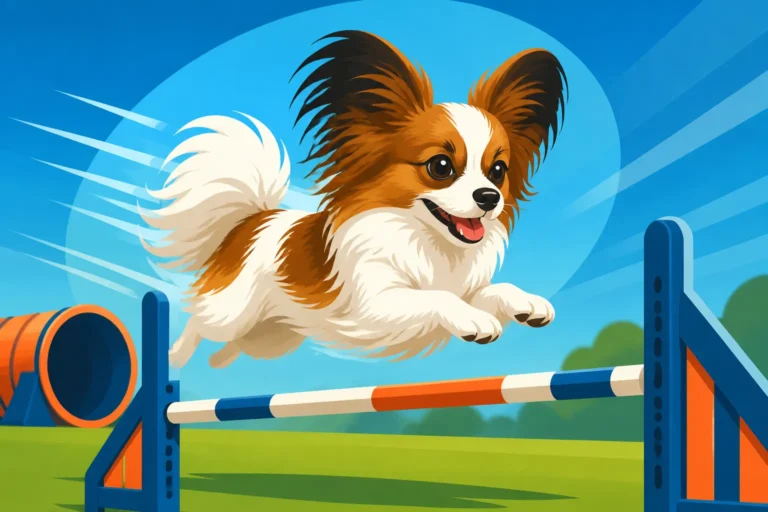
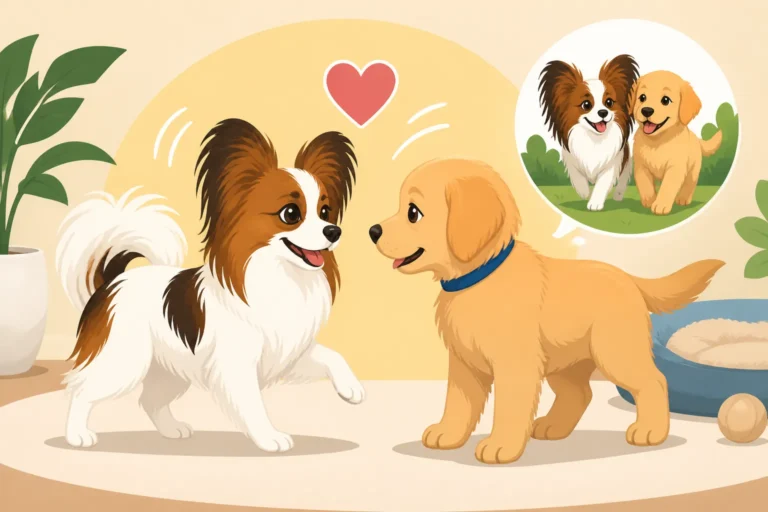
Don't let their dainty appearance fool you – Papillons are often bundles of energy! They love to play, chase, and engage in activities, often having a zest for life that rivals much larger breeds. This can be a huge plus for families with active children who enjoy playing games. A Papillon can be a fantastic companion for a child who loves to throw a soft toy, engage in a gentle game of tug, or even just run around the yard. They thrive on interaction and can be surprisingly athletic, often enjoying agility games or learning new tricks.
However, this high energy also means they need appropriate outlets. A bored Papillon, especially one not given enough mental or physical exercise, might invent their own games, which could involve nipping at ankles during play or becoming overly excitable with children. Their playful nature is a double-edged sword: it makes them fun companions, but also means children need to be taught how to play with them gently and appropriately, understanding that this isn't a rough-and-tumble breed meant for wrestling. Their energy is joyful, but it's a refined joy, not a chaotic one.
Their Intelligence and Sensitivity
Papillons consistently rank high in canine intelligence, often placing them among the smartest of all breeds, not just toy breeds. This intelligence means they are quick learners, which is fantastic for training but also means they pick up on household dynamics and emotional cues very rapidly. They understand routines, commands, and even subtle shifts in human mood. This sensitivity, while making them incredibly responsive and easy to train, also means they can be easily overwhelmed or frightened by loud noises, sudden movements, or rough handling.
For children, this translates to a need for calm, consistent interactions. A Papillon might withdraw or become wary if constantly subjected to yelling, rough play, or unpredictable behavior. Their intelligence means they learn what to avoid, and if that means avoiding a certain child, they will. Positive reinforcement works wonders with these bright little dogs, and the same applies to how children should interact with them. The Papillon Is the Smartest Toy Breed There Is goes into more detail about their impressive cognitive abilities, highlighting why a gentle, consistent approach is key for teaching them good habits around kids.
The "Big Dog in a Small Body" Mentality
It's a common observation among Papillon owners: these dogs often act like they have no idea how small they are. They possess a remarkable amount of self-confidence, often standing up to much larger dogs or bravely exploring new environments. This "big dog" mentality can be charming and even a lifesaver when navigating a world built for bigger canines, but it also means they might not back down from a child who is being too pushy or intrusive. They don't typically cower; instead, they might growl, snap, or even try to herd or nip to communicate their discomfort.
This isn't aggression for the sake of it, but rather a confident dog's way of saying, "Hey, you're invading my space, and I'm not going to tolerate it." This trait is particularly important when considering young children who may not understand boundaries. While admirable in some contexts, it means a Papillon won't necessarily just "take it" if a child is being too rough, making clear supervision and teaching boundaries paramount. It’s important to remember that this inner confidence, while cute, also means they'll defend themselves if they feel threatened, which is a key consideration when living with unpredictable young ones.
Introducing a Papillon to Children: Crucial Early Steps
The success of a Papillon living happily with children hinges largely on the groundwork laid during their introduction and early socialization. This isn't just about the dog; it's about preparing the children too.
Socialization for Puppies and Rescues
Proper socialization is absolutely critical, whether you're bringing home a Papillon puppy or adopting an adult from a rescue. For puppies, this means exposing them to a variety of sights, sounds, people (including children of different ages, if done safely), and experiences from a young age. Puppy classes are invaluable for this, as they offer controlled environments for exposure. A Papillon puppy who is regularly, gently, and positively exposed to well-behaved children is far more likely to grow into an adult who is comfortable and happy around kids.
For a rescue Papillon, the approach needs to be more nuanced. Many rescues come with unknown histories, and some may have had negative experiences with children. It's vital to inquire about their past interactions and proceed slowly. A reputable rescue organization should be able to provide insights into the dog's temperament around children. Even if a rescue has a good history, a slow, supervised introduction, allowing the dog to set the pace, is essential. Patience and positive reinforcement are key to helping them build trust in their new environment. You can find excellent online resources, like those offered by BAXTER & Bella, that can guide you through the socialization process with positive, gentle methods that suit a sensitive Papillon.
Setting Boundaries for Both Dog and Child
This is perhaps the most vital step: establishing clear, consistent boundaries for both the Papillon and the children. For the dog, this means teaching basic obedience commands like "sit," "stay," "leave it," and a solid "come." These commands are not just for tricks; they are safety tools. A "leave it" command can prevent a dog from snatching a toy from a child, and a "come" can swiftly remove them from an escalating situation. Consistency is paramount. Everyone in the household, including older children, needs to use the same commands and enforce the same rules. When to Start Training a Papillon Puppy highlights how early this foundational training can begin.
Equally important are the boundaries set for children. They must learn that the dog is not a toy. This means no pulling ears or tails, no riding the dog, no disturbing them while they are eating or sleeping, and no chasing them. Children should be taught how to approach the dog gently, how to pet them appropriately (usually on the chest or shoulder, not the top of the head), and when to leave the dog alone. Designate a "safe space" for the dog, such as a crate or a dog bed, where children are absolutely not allowed to bother them. Using a pet gate, easily found on Amazon, can help create physical boundaries in the home to enforce this safe space concept.
Supervising Initial Interactions
No matter how well-socialized or well-trained your Papillon and children are, initial interactions, especially with younger children, must always be supervised. And by "supervised," I mean actively engaged, not just in the same room. An adult needs to be present, observant, and ready to intervene immediately if either the child or the dog shows signs of stress or discomfort. Look for subtle cues from your Papillon: a yawn, lip lick, turning away, or a stiff body can indicate stress long before a growl or snap. Conversely, observe the children for signs of over-excitement or rough behavior.
These supervised sessions should be kept short and positive. End them before anyone gets over-stimulated or overwhelmed. Use this time to coach children on appropriate behavior and to praise the Papillon for calm interactions. Think of it as controlled exposure, gradually building up positive associations. This isn't just for the first few days or weeks; for very young children, constant, vigilant supervision is a long-term commitment. How a Papillon Handles a Toddler delves into the specific challenges and advice for this age group.
Managing Daily Life: Coexisting Harmoniously
Once the initial introductions are complete, establishing a routine and maintaining clear expectations will pave the way for a peaceful home where both children and your Papillon can thrive. It's all about thoughtful integration into everyday life.
Creating Safe Spaces for Your Papillon
One of the kindest things you can do for your Papillon in a home with children is to provide them with their own safe, quiet retreat where they can escape, rest, and feel secure. This isn't about isolating them, but empowering them with choice and control over their environment. A comfortable crate, a designated dog bed in a low-traffic area, or even a raised dog bed that children cannot easily access can serve this purpose. Teach children that when the dog is in their special spot, they are to be left undisturbed.
This "safe haven" is especially crucial during busy times, like playdates or family gatherings, when noise levels and activity might increase. Knowing they have a calm place to retreat to can significantly reduce stress for your Papillon, preventing them from feeling overwhelmed and potentially reacting out of fear or frustration. Crates, for example, aren't just for training; they become personal dens. Crating a Papillon Overnight explores the benefits and proper use of a crate, which extends well beyond nighttime sleep.
Teaching Children How to Interact Safely
Education is paramount. Children, especially young ones, often don't instinctively know how to interact respectfully with a dog. It's up to us, as adults, to teach them. Start with basic rules like "no hands in the dog's face," "pet gently on the back or chest," "no hugging around the neck," and "let sleeping dogs lie." Emphasize asking permission from an adult before approaching the dog, and teaching them to recognize when the Papillon might need space.
Role-playing can be surprisingly effective. Practice gentle petting and talking in soft voices. Read books about safe dog interactions. Explain that while the Papillon loves them, it's a living creature with feelings and needs, not a toy. Teach them to observe the dog's body language: a wagging tail is usually good, but a tucked tail, pulled-back ears, or a stiff body can mean "I'm uncomfortable." Consistency from parents is key – children learn by example and through repeated instruction. This protective guidance ensures that children develop empathy and respect for their canine companion, while also safeguarding the dog. Whether a Papillon Is Safe With Toddlers covers these crucial lessons for the youngest family members.
Playtime and Exercise Considerations
Papillons are active and love to play, making them wonderful companions for children who enjoy engaging in gentle games. Fetch with soft toys, hide-and-seek, or even simple indoor agility courses (using pillows for jumps, for example) can be fantastic ways for children and Papillons to bond. These activities provide both physical and mental stimulation, which is vital for a happy, well-adjusted Papillon. Remember, these intelligent dogs need mental exercise just as much as physical.
However, it's important to set boundaries for playtime. Roughhousing, tug-of-war that gets too intense, or games that encourage nipping should be avoided. Due to their delicate structure, especially their knees, jumping from high places or overly strenuous play on hard surfaces should be discouraged. Encourage games that involve gentle interaction and mental engagement. What a Papillon Needs Every Day is a great resource to understand the full scope of their daily requirements, ensuring they are well-exercised and less prone to mischief or reactivity around children. Consider puzzles and interactive feeders, easily found on Amazon, to provide mental stimulation, especially when children are occupied.
Addressing Potential Challenges and Misconceptions
Despite best efforts, challenges can arise. Understanding common issues and misconceptions about Papillons with children can help you proactively address them or respond effectively if they occur.
Fear-Based Nipping or Growling
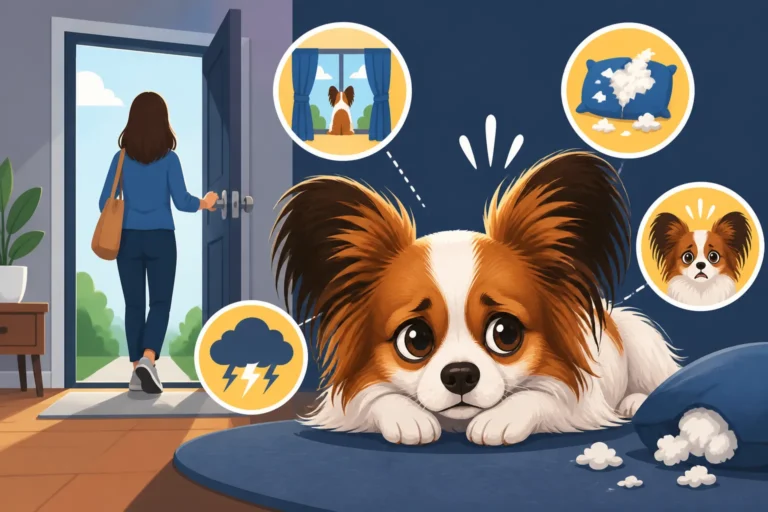
If a Papillon growls or nips at a child, it's almost always a sign of fear, discomfort, or an attempt to communicate "please stop" rather than true aggression. This is especially true for a breed as sensitive as the Papillon. They might feel trapped, overwhelmed, or threatened, particularly if a child is being too loud, too fast, or too physically invasive. Their small size makes them vulnerable, and a growl is often a last-ditch effort to create distance before resorting to a bite.
Never punish a growl. A growl is a warning; if you punish it, you might teach the dog to skip the warning and go straight to a bite. Instead, remove the dog from the situation immediately, or gently guide the child away. Reassess what triggered the reaction and work to prevent it from happening again. This often involves stricter supervision, reinforcing safe spaces, and re-educating the children on appropriate interaction. It’s also important to remember that How a Papillon Hides Pain can make it difficult to spot underlying physical discomfort that might contribute to grumpiness, so a vet check is always a good idea if behavior changes suddenly.
The Dangers of Rough Handling
Papillons are small and can be surprisingly sturdy for their size, but they are still delicate. Their bones are fine, and their joints, particularly their kneecaps (patellas), can be prone to luxation. Rough handling, accidental drops, or being stepped on can lead to serious injuries. What Happens When a Papillon Is Dropped outlines the severe consequences this can have, from fractures to internal injuries. This is why strict rules about handling, especially for younger children, are non-negotiable.
Children should be taught never to pick up the dog. If the dog needs to be moved, an adult should do it carefully. If a child absolutely must hold the dog, it should always be while sitting on the floor with an adult supervising closely, ensuring the dog is fully supported and can't be accidentally dropped. Emphasize gentle petting and calm interactions over exuberant play that could lead to injury. This rule isn't just about preventing injury; it fosters a respectful relationship where the dog feels safe, rather than constantly on edge.
Why Papillons Aren't Always Suited for Toddlers
While some Papillons can coexist peacefully with toddlers under extreme supervision, they are generally not the ideal breed for homes with very young children. Toddlers are notoriously unpredictable; they grab, trip, fall, and don't yet understand boundaries or canine body language. Their movements are often jerky, their voices loud, and their understanding of gentleness is still developing. This combination can be a recipe for disaster for a small, sensitive Papillon who could easily be injured or feel constantly threatened.
For families with toddlers, the commitment to constant, vigilant supervision is immense. It often means a physical barrier between the dog and child for much of the day. As mentioned in Whether a Papillon Suits Older Children Better, Papillons tend to thrive more with older, more considerate children who can be taught how to interact gently and respectfully. It’s not about the Papillon being "bad" with kids; it’s about the mismatch between a vulnerable small dog and a developing human who lacks the fine motor skills and impulse control necessary for safe interaction.
Long-Term Harmony: Nurturing the Bond
A successful relationship between a Papillon and children isn't a one-time achievement; it's an ongoing process of education, respect, and mutual understanding. Nurturing this bond ensures a happy, healthy home for years to come.
Continuing Education for Children and Dog
Just as a dog's training isn't "one and done," children's education about dog interaction is also continuous. As children grow, their understanding of empathy and responsibility expands, and you can introduce more nuanced lessons. Regularly remind them about gentle handling, respecting the dog's space, and recognizing body language cues. Point out when the Papillon looks happy, relaxed, or when they might be signaling they need a break. This ongoing dialogue fosters a deeper bond and understanding.
For the Papillon, continued positive reinforcement training keeps their skills sharp and reinforces their place in the family. Even short, daily training sessions are beneficial. This intelligent breed thrives on having a "job" and learning. You can utilize online training programs, such as those from BAXTER & Bella, to keep both dog and children engaged in learning new tricks and maintaining good manners. This joint learning process can be a powerful bonding experience for the whole family, solidifying the Papillon's role as a cherished family member rather than just a pet. Why Harsh Correction Fails on a Papillon reminds us that positive methods are always the way to go.
Recognizing and Respecting a Papillon's Signals
One of the most valuable skills for both children and adults is learning to "speak dog," specifically Papillon. These dogs, while confident, are also expressive. They will use their body language to communicate if they are happy, anxious, playful, or uncomfortable. A relaxed Papillon will have soft eyes, a loosely wagging tail (or plume), and a relaxed body posture. An anxious or stressed Papillon might have wide, "whale" eyes (showing the whites), ears flattened, tail tucked, lip licking, yawning, or a stiff posture.
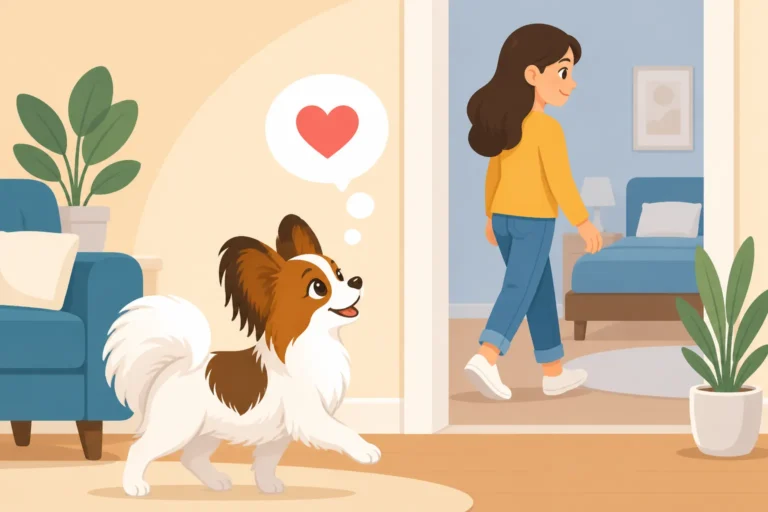
Teaching children to identify these subtle signals is empowering. It gives them the ability to recognize when their Papillon wants to play and when it needs space. This respect for the dog's autonomy is crucial. By acknowledging and acting on these signals, you're not only preventing potential negative interactions but also building a foundation of trust. The Papillon learns that its communications are heard and respected, which makes them feel safer and more secure in their interactions with family members.
The Lifelong Benefits of a Well-Integrated Papillon
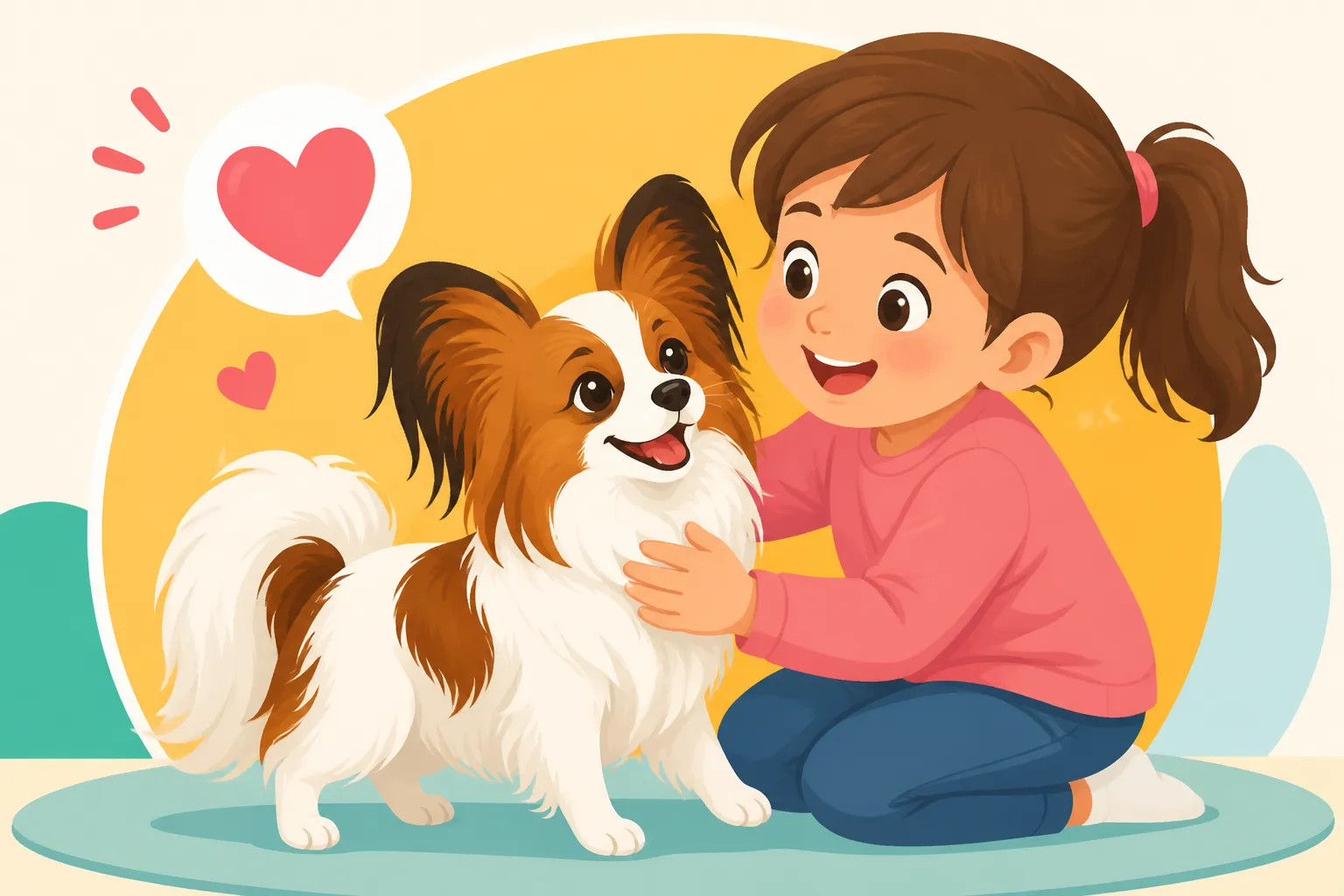
When a Papillon is well-integrated into a family with children, the benefits are truly profound and long-lasting. Children learn responsibility, empathy, and respect for another living being. They gain a loyal, playful companion who can bring endless laughter and comfort. The Papillon, in turn, receives a stimulating and loving home, filled with interaction and attention, which is what this social breed truly craves. They can become cherished family members, participating in daily life and enjoying a bond that enriches everyone's lives.
A Papillon, given the right environment and consistent guidance, can thrive as a family pet. Their playful nature, intelligence, and affectionate disposition make them wonderful companions. While they require careful management around young children, particularly toddlers, an older child who understands how to interact gently can find an incredible friend in a Papillon. The key is always education, supervision, and respect for their delicate yet confident spirit.
Key Considerations for Papillons and Children
To summarize the most crucial points for ensuring a safe and happy environment for both your Papillon and your children, here's a quick overview:
| Factor | Positive Interaction | Potential Challenge | Mitigation Strategy |
|---|---|---|---|
| Papillon Temperament | Playful, intelligent, confident | Sensitive to loud noises, rough play | Teach gentle interaction, provide quiet retreat, positive reinforcement. |
| Child Age | Older children (5+) generally do better | Toddlers (under 5) are unpredictable, risk of injury | Strict supervision, physical barriers, teach "no touch" rules, focus on gentle play. |
| Physical Size | Small, portable | Fragile bones/joints, easily injured if dropped | No lifting by children, adult-supervised floor play, teach full body support. |
| Communication | Expressive body language, learns commands quickly | Growls/nips are warnings, easily overwhelmed | Learn dog body language, never punish growls, create safe spaces for retreat. |
| Training | Highly trainable, enjoys learning | Needs consistent boundaries and positive methods | Enroll in puppy classes, use positive reinforcement (BAXTER & Bella is a great resource), consistent rules. |
| Play | Loves games, fetch, gentle interaction | Avoids roughhousing, chasing, or aggressive tug-of-war | Encourage soft toys, gentle games, short play sessions, provide mental enrichment. |
Disclaimer
This article is for general informational purposes only and does not constitute professional advice. Laws, prices and regulations vary by location and change over time. Consult a qualified professional for guidance on your specific situation.