Whether a Papillon Can Do Freestyle
Oh, the tiny but mighty Papillon! When you mention canine freestyle, some folks might immediately picture a Border Collie or a Poodle, leaping and spinning with grand flair. It's easy to assume that such a nuanced, athletic, and mentally demanding sport is reserved for the bigger, more traditionally "working" breeds. But if you're a Papillon owner, you know better than to underestimate these elegant little dynamos. The truth is, your butterfly-eared companion isn't just capable of freestyle; they can absolutely shine at it, often surprising everyone with their grace, intelligence, and sheer joy for the sport. This guide is here to unravel why Papillons are not only contenders but often champions in the world of canine freestyle, and how you can get started with your own little dancing partner.
Understanding Canine Freestyle and What It Demands
Before we dive into why Papillons make fantastic freestyle partners, it’s helpful to understand what canine freestyle actually entails. It’s more than just a dog doing tricks; it’s a beautiful dance between handler and dog, set to music, telling a story or evoking an emotion.
What Exactly Is Canine Freestyle?
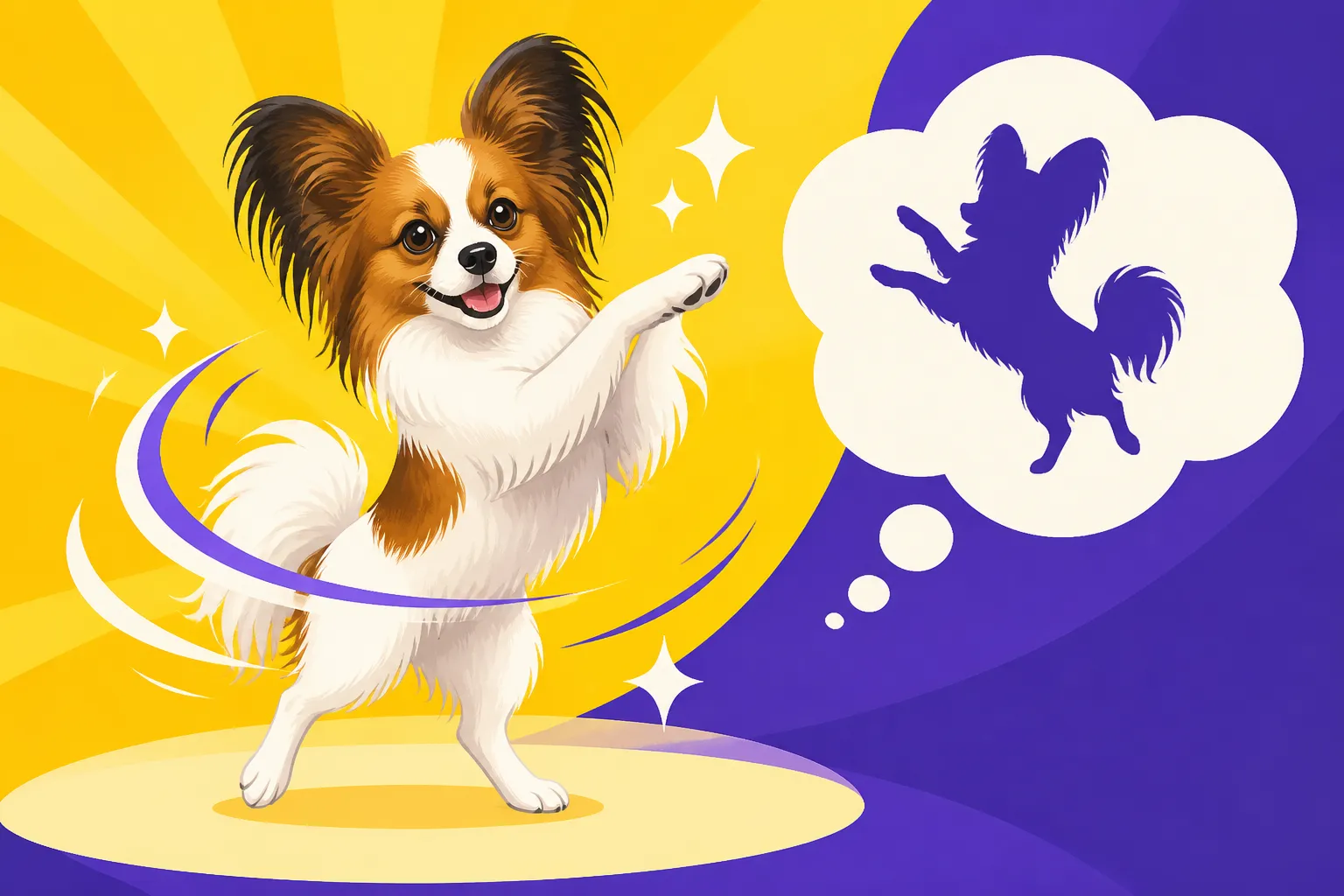
Imagine a figure skating routine, but with a dog instead of a human partner. That's essentially canine freestyle, often called "dog dancing." It combines obedience commands, clever tricks, and seamless choreography, all performed in sync with music. The routine is judged on technical merit – how well the dog performs the moves and how smooth the transitions are – and artistic impression, which includes the creativity, interpretation of the music, and the overall connection between dog and handler. It's a sport that celebrates the unique bond you share with your dog, transforming training into a performance art. You'll see dogs weaving through legs, backing up, spinning, bowing, jumping, and even doing complex sequences that look incredibly difficult, all with an air of effortless joy.
Key Demands of Freestyle
Freestyle isn't for the faint of heart, either for the dog or the handler. It demands a significant investment in time and dedication. Mentally, the dog needs to be highly focused, able to follow a sequence of cues, and maintain enthusiasm throughout a routine. Physically, dogs need good coordination, body awareness, and a reasonable level of fitness to execute various movements safely and gracefully. They'll be doing a mix of pivots, spins, weaves, and sometimes more complex tricks that require strength and flexibility. Creativity is also paramount – not just from the handler in devising the choreography and selecting music, but also in encouraging the dog to perform with personality and pizzazz. It's a continuous learning process, always refining existing moves and teaching new ones to expand their repertoire. Handlers must also be adept at reading their dog's body language, adjusting their cues, and making the entire experience fun and rewarding.
Why the Papillon is Surprisingly Suited for Freestyle
Now, let's get to the good stuff: why the Papillon, with its dainty appearance, is actually perfectly poised to excel in canine freestyle. It's not just their looks; it's their entire package.
Intelligence and Trainability
If you've spent any time with a Papillon, you know they're not just pretty faces. These little dogs are whip-smart, often ranking high on lists of canine intelligence. This keen intelligence makes them incredibly trainable and quick to pick up new commands and tricks. They genuinely enjoy learning and problem-solving, which is a huge asset in a sport like freestyle where continuous learning is key. Think about it: a freestyle routine is essentially a complex chain of behaviors. A Papillon's ability to grasp these chains quickly means less repetition to get a move down, allowing you to build a wider vocabulary of tricks faster. They remember sequences, understand verbal cues, and respond well to subtle body language. This mental agility means they can transition smoothly between different moves, making their routines look fluid and polished. It’s not uncommon for Papillons to master tricks that would take other breeds much longer, sometimes seeming to anticipate what you want before you even fully ask. It’s their sheer brainpower that truly sets them apart, turning complex choreography into a joy, not a chore. This incredible capacity for learning is why many believe The Papillon Is the Smartest Toy Breed There Is.
Agility and Coordination
Despite their delicate appearance, Papillons are surprisingly agile and coordinated. They possess a light-footedness and natural spring in their step that makes them ideal for intricate footwork and quick changes in direction. Their small size is actually an advantage in many freestyle moves, allowing them to weave through legs, spin tightly, and maneuver gracefully in small spaces. They have excellent balance, which is crucial for moves that involve backing up, pivoting, or holding unusual positions. This inherent athleticism means they can execute intricate patterns with precision and speed, often creating a mesmerizing visual display. You'll find they take to activities that require nimble movement with gusto, whether it's navigating an agility course or performing a series of spins. This natural grace and athletic capability are a big part of Why a Papillon Beats Bigger Dogs at Its Own Size in many performance events, including the precise movements required for dog dancing.
Desire to Please and Handler Focus
Papillons are known for their deep devotion to their handlers. They thrive on interaction and love nothing more than spending time engaged in activities with their favorite person. This strong desire to please, coupled with their inherent handler focus, makes them incredibly receptive to training. They're often highly motivated by praise, attention, and small, tasty treats, meaning you don't need harsh corrections or overly stern methods to get results. They want to work with you, to understand what you're asking, and to earn your approval. This eagerness translates directly into their performance in freestyle; they perform with a visible joy and enthusiasm that is infectious. When a Papillon is having fun, it shows, and that genuine connection with their handler is a huge part of what makes a freestyle routine truly captivating. This bond makes them excellent partners for a sport that relies so heavily on communication and mutual enjoyment.
Common Challenges and How to Overcome Them in Freestyle
While Papillons are wonderfully suited for freestyle, it's not without its specific considerations. Every breed has its quirks, and knowing what to anticipate can help you navigate the journey successfully.
Physical Considerations: Size and Structure
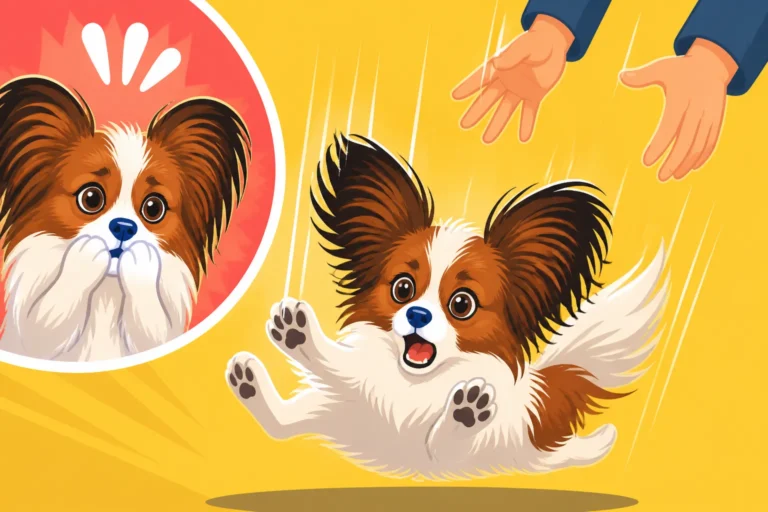
One of the most obvious considerations with a Papillon is their small size. While this offers advantages in agility and tight maneuvers, it also means you need to be mindful of their physical limits. Certain "big dog" moves, like repeated high jumps or powerful weaves with large strides, might not be suitable or safe for a tiny Papillon. Their skeletal structure, particularly their delicate knees, needs careful protection. Patellar luxation, a condition where the kneecap slips out of place, is a known concern in the breed. This means you must be extra vigilant about proper conditioning, avoiding excessive strain, and ensuring all movements are performed correctly to minimize injury risk. Ramps and steps for furniture are highly recommended to prevent impact from jumping down, which can contribute to knee issues over time. It's really Patellar Luxation Is the Papillon Problem You Will Actually Meet at some point in your Papillon's life, so preventative care and smart training are essential. Always consult with your vet or a canine physical therapist to ensure your Papillon is conditioned appropriately for the demands of freestyle, especially when considering more advanced or impactful moves. You might find yourself modifying certain choreographic elements to suit your dog's size and prevent injury, which is a common and wise practice among small dog handlers. This is also why many owners ask Whether a Papillon's Knees Limit Agility, and the answer often applies to freestyle too – it depends on the severity and how you adapt.
Maintaining Enthusiasm and Focus
Papillons are smart, yes, but that also means they can get bored with endless repetition. They thrive on novelty and engaging tasks. A freestyle routine requires drilling individual moves and then chaining them together, which can become monotonous if not handled correctly. To keep your Papillon's enthusiasm high, vary your training sessions. Keep them short, fun, and end on a positive note, even if it's just after successfully performing one small trick. Introduce new tricks regularly to keep their minds engaged. Utilize different rewards – sometimes a favorite toy, sometimes a high-value treat, sometimes just enthusiastic praise and play. Remember, they are often highly motivated by interaction with you, so make the training itself a bonding experience. If you notice signs of disinterest, like yawning, looking away, or slow responses, it's time to take a break or switch to something else entirely. Pushing them too hard will only sour them on the sport. Understanding How Fast a Papillon Gets Bored of Repetition is key to successful, long-term training.
Finding the Right Music and Choreography
Selecting music and crafting choreography that truly showcases your Papillon's strengths can be a delightful challenge. Their light, bouncy gait and quick movements often lend themselves well to upbeat, sprightly tunes. Think classical pieces with varying tempos, folk music, or even modern pop that has a clear rhythm your dog can "dance" to. Avoid heavy, slow music that might feel incongruous with their energetic style. For choreography, focus on moves that highlight their agility, precision, and close connection with you. Weaving through legs, tight spins, backing up, and intricate footwork are often Papillon strengths. You might use props like hoops or tunnels if allowed by the competition rules. The key is to build a routine that tells a story, plays to your dog’s natural movements, and makes both of you look good. Don't be afraid to experiment with different musical genres and movements, always keeping your dog's individual personality and physical capabilities in mind.
Getting Started with Papillon Freestyle Training
So, you're ready to hit the dance floor with your Papillon? Fantastic! Here’s a roadmap to begin your freestyle journey.
Building a Strong Foundation
Every dazzling freestyle routine is built upon a solid foundation of basic obedience and trick training. Before you even think about music or choreography, ensure your Papillon has a rock-solid understanding of fundamental cues like "sit," "stay," "down," "come," and "heel." These form the building blocks for more complex moves.
Next, dive into trick training. Start simple: teaching your Papillon to spin left and right, bow, weave through your legs, or back up a few steps. Break down each trick into small, manageable steps and use positive reinforcement generously. Clicker training is an excellent tool for Papillons, as their intelligence allows them to quickly associate the click with a reward and understand what behavior earned it. Think of it as building a vocabulary of movements. The more tricks your Papillon knows, the more options you have for your routine. Websites and online academies like BAXTER & Bella can offer comprehensive puppy and foundational training courses that lay the groundwork for any advanced dog sport, including freestyle, by teaching clear communication and positive reinforcement techniques. Remember, What Motivates a Papillon varies, so experiment with different high-value treats or favorite toys to keep them engaged and eager to learn.
Gradual Introduction to Music and Movement
Once your Papillon has a repertoire of tricks, you can start to introduce music and movement. Begin by playing different types of music during your regular training sessions. Watch how your dog responds. Do they seem more energized by certain beats? Do they ignore others? This will help you choose music that genuinely resonates with their personality.
Then, practice performing tricks while moving. For example, instead of just asking for a "spin" while standing still, try asking for it as you walk forward or backward. Gradually, you can link two or three tricks together in a short sequence, keeping the music playing in the background. Don't worry about perfection at this stage; focus on fluid transitions and maintaining your dog's interest. The goal is to make the entire process feel like a fun game, not a chore. Slowly, these small sequences will grow into longer, more complex routines.
Seeking Guidance and Community
While you can certainly learn a lot from online resources and books, nothing beats the guidance of an experienced freestyle instructor. They can offer personalized feedback, help you troubleshoot tricky moves, and guide you in creating compelling choreography that highlights your Papillon's unique talents. Many local dog training clubs offer freestyle classes or workshops. If a dedicated freestyle class isn't available, look for advanced trick training classes, rally obedience, or even agility, as these often develop similar skills in both dog and handler that transfer well to freestyle. Joining a community of fellow freestyle enthusiasts, whether online or in person, can also provide invaluable support, inspiration, and shared experiences. You'll learn from others, share your successes, and find motivation to keep dancing!
Here’s a quick overview of how Papillon traits align with the demands of canine freestyle:
| Freestyle Demand | Papillon Trait | Benefit for Freestyle |
|---|---|---|
| Intelligence | High trainability, quick learners | Masters complex sequences and multiple tricks rapidly |
| Agility | Nimble, light-footed, excellent balance | Executes intricate footwork, tight turns, and weaves |
| Focus | Strong handler bond, eager to please | Stays engaged, performs with enthusiasm, responds to cues |
| Motivation | Loves interaction, praise, and treats | Highly receptive to positive reinforcement training |
| Physical Size | Small, compact frame | Advantage in tight spaces, intricate patterns, easy to lift |
| Endurance | Surprisingly energetic for their size | Can sustain performance through a routine |
| Temperament | Confident, playful, spirited | Adds personality and pizzazz to routines |
So, can a Papillon do freestyle? Absolutely, with a resounding yes! These enchanting little dogs bring so much to the dance floor: intelligence, agility, and an undeniable zest for life that shines through every spin and weave. While their small size and specific health considerations like patellar luxation mean you'll need to train mindfully and perhaps adapt certain moves, these are minor adjustments for a breed that truly flourishes in a partnership sport like freestyle. The bond you share with your Papillon, their eagerness to learn, and their innate athleticism make them ideal candidates for this expressive and rewarding activity. So, put on some music, start teaching those tricks, and prepare to be amazed by what your little butterfly can do.
Disclaimer
This article is for general informational purposes only and does not constitute professional advice. Laws, prices and regulations vary by location and change over time. Consult a qualified professional for guidance on your specific situation.