Whether a Papillon Needs a Tunnel at Home
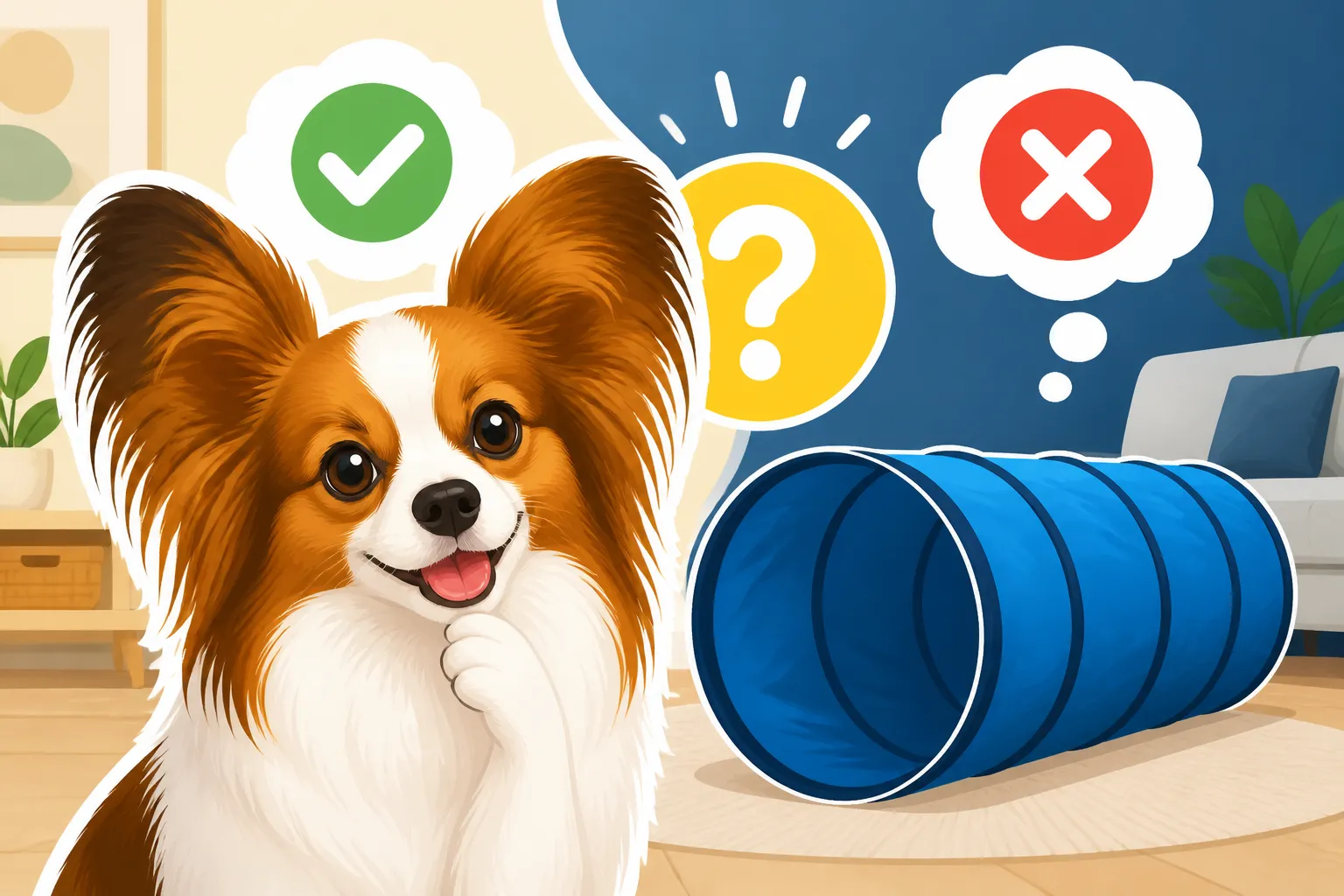
It's a common scenario: you have a bright, energetic Papillon zipping around your home, leaping onto furniture, and generally looking for the next exciting thing. You see them excel in agility videos online, or perhaps you've even dipped a toe into a local class, and the thought inevitably pops up: do I need an agility tunnel at home for my little butterfly dog? This guide is here to help you navigate that exact question, exploring the benefits, considerations, and alternatives to help you decide if a home tunnel is the right fit for your Papillon and your lifestyle.
Understanding Your Papillon's Drive for Play and Mental Stimulation
Papillons are not your average lap dog. Beneath that delicate, elegant exterior lies a brain buzzing with intelligence and a body packed with surprising athletic ability. They thrive on engagement, and without it, they can become bored, which often leads to less-than-desirable behaviors.
The Papillon's Natural Agility Instincts
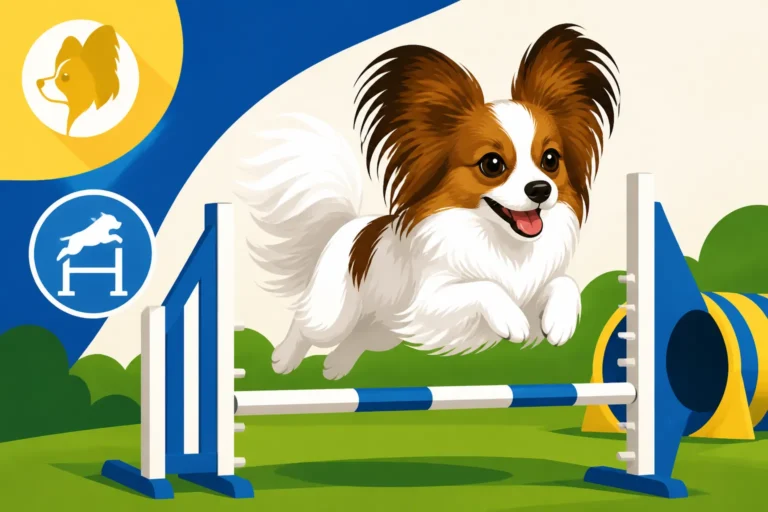
If you've ever watched a Papillon move, you'll notice their innate grace and springy step. They love to run, jump, and navigate obstacles. This breed was never meant to be a couch potato; they possess a keen intelligence and a desire to learn that makes them absolute stars in performance sports. It's no surprise that Why a Papillon Dominates Small Dog Agility is a topic many owners explore, because these little dogs are truly gifted. Their compact size and nimble bodies allow them to navigate courses with incredible speed and precision, often leaving larger breeds in their dust. This isn't just about physical prowess; it's deeply tied to their mental acuity.
A Papillon enjoys a challenge, much like a bright child enjoys a puzzle. If you don't provide appropriate outlets for their intelligence and energy, you might find your Papillon inventing their own games – games that often involve barking at passersby, elaborate attempts to scale forbidden furniture, or systematically "redecorating" your throw pillows. Providing a structured, engaging activity like agility taps into these natural instincts, turning potential mischief into focused fun. They crave purpose, and agility, even in a simplified home setting, can provide that.
Think about it: a dog that can learn new cues in just a few repetitions isn't going to be satisfied with just a daily stroll. They need their brains to be working, problem-solving, and responding to commands. Agility equipment, even something as simple as a tunnel, provides a framework for this kind of mental workout, making them feel accomplished and satisfied. It's a way to speak their language of movement and thought, building on their natural desire to explore and conquer.
The Benefits of Agility for Papillons Beyond Competition
While many associate agility with competitive events, the benefits for your Papillon extend far beyond earning ribbons. Engaging in agility training, even just casually at home, offers a holistic approach to their well-being.
First and foremost, it provides excellent physical exercise. Papillons are small, but they have boundless energy. Running through a tunnel, even a short one, involves bursts of speed, bending, and using their entire body. This helps maintain a healthy weight, strengthens muscles, and improves coordination, which is crucial for a breed prone to Patellar Luxation Is the Papillon Problem You Will Actually Meet. Regular, controlled exercise can contribute to overall joint health and keeps their little bodies in prime condition. It's a much more engaging way to burn off steam than simply running laps around the yard.
Beyond the physical, the mental engagement is perhaps even more significant. Agility demands focus, problem-solving, and responsiveness to your cues. Your Papillon learns to anticipate, to listen, and to execute commands in a dynamic environment. This mental workout is incredibly stimulating and tiring in the best possible way. A mentally satisfied Papillon is a calm and content Papillon. It also strengthens the bond between you and your dog, as you work together as a team, communicating and achieving goals. There’s nothing quite like the feeling of watching your Papillon confidently navigate an obstacle you’ve taught them, their eyes sparkling with joy and trust in you.
Moreover, agility can be a fantastic confidence builder. For a shy or timid Papillon, successfully completing an obstacle can be a huge boost. It teaches them to approach new situations with enthusiasm and to trust their own abilities. Even for the boldest of Papillons, it reinforces their sense of capability and joy in movement. It's a playful way to expand their world and their self-assurance, translating into a more well-rounded and resilient companion.
Evaluating the "Need" for a Home Agility Tunnel
So, does your Papillon need a tunnel at home? The answer, like many things in life, is nuanced. It's less about a fundamental need for survival and more about optimizing their quality of life, training, and enrichment.
When a Tunnel Becomes a Valuable Tool
A home agility tunnel truly shines when you're looking to provide specific types of enrichment or training. If you're serious about competing in agility, a tunnel is almost indispensable. It allows for endless repetitions to perfect your dog's tunnel entry speed, commitment, and tight turns, all within the comfort of your own space. You can work on different handling maneuvers, practice sending them ahead, or refine their recall out of the tunnel. This kind of consistent practice can make a huge difference in their performance in a trial setting. You can set up various small courses in your yard, integrating the tunnel with other foundational equipment like What a Set of Backyard Jumps Costs.
For general enrichment, a tunnel offers a unique play experience. It's an excellent way to provide a safe, engaging activity, especially on days when the weather isn't cooperating for outdoor adventures. Instead of just running zoomies in the living room, they can engage in a structured game of "tunnel monster" or practice zipping through, emerging for a favorite treat. It's also fantastic for helping your Papillon burn off energy in a confined space, turning restless energy into focused play. This can be especially helpful if you live in an apartment or don't have a large yard, as it provides a directed outlet for their vigor.
Sometimes, a tunnel can address specific behavioral needs. For a Papillon that might be a little shy or hesitant, a tunnel offers a safe, enclosed space they can explore on their own terms, building confidence in a playful manner. For a dog that needs more mental stimulation, the tunnel provides a puzzle to solve, a path to navigate, and an opportunity to earn rewards. The novelty of a new obstacle, even a familiar one, keeps their minds sharp and engaged. It's another tool in your arsenal to keep them happy, healthy, and well-adjusted.
Factors to Consider Before Investing
Before you rush out to buy an agility tunnel, take a moment to consider a few practical aspects. While they offer wonderful benefits, they aren't for every household or every Papillon.
The most obvious consideration is space. Agility tunnels, even for small dogs, can take up a surprising amount of room when fully extended. A standard competition tunnel is often 10 to 20 feet long and about two feet in diameter. While many come with carrying bags and can be collapsed for storage, setting one up requires a decent stretch of yard or a very large indoor area. Think about where you'd put it, how easily you can move it, and if it will impede daily life. Do you have a dedicated area, or will it be a constant setup and takedown? If you're envisioning setting it up in your living room, measure carefully!
Next, consider your Papillon's actual interest level. While many Papillons love tunnels, some might prefer other activities, like scent work or trick training. Observe your dog's play style. Do they enjoy crawling under things, weaving through your legs, or exploring tight spaces? If they're already hesitant about enclosed areas, a tunnel might require more patient introduction, or might simply not be their favorite thing. Some dogs prefer to jump, others to weave, and some just want to fetch. While you can certainly introduce them to new things, it's worth considering if this aligns with their natural inclinations.
Finally, think about your own commitment. An agility tunnel isn't a magical toy that will entertain your dog indefinitely on its own. It's a piece of training equipment that requires your active participation. Are you committed to consistent, positive training sessions? Are you willing to learn how to guide your Papillon effectively through the tunnel? If the tunnel is just going to sit in the corner, unused, then it might not be the best investment. However, if you're enthusiastic about engaging with your dog and enjoy teaching them new skills, a tunnel can be a source of immense joy and progress for both of you.
Choosing and Using a Home Tunnel Safely and Effectively
Once you've decided a home tunnel might be right for your Papillon, the next step is choosing the right one and, more importantly, learning how to introduce it safely and make it a positive experience for your dog.
Types of Tunnels and What to Look For
The world of agility tunnels offers a few options, and understanding the differences can help you make an informed choice. You'll primarily find standard agility tunnels, often used for competition, and more lightweight, recreational or "play" tunnels.
Standard agility tunnels are typically made from durable, heavy-gauge vinyl or PVC-coated fabric, supported by a strong wire helix. They usually come with sandbags or anchor straps to keep them stable and prevent them from rolling or collapsing during use, which is critical for safety, especially with an enthusiastic Papillon flying through. These tunnels are built to withstand heavy use and various weather conditions if kept outdoors. They come in specific diameters (usually 24 inches for competition, but smaller sizes are available for home use) and lengths, offering options that range from short 10-foot sections to longer 20-foot ones. When looking for these, you'll want to ensure the material is rip-resistant and easy to clean, as tunnels can get dirty quickly. You can find a good selection of these on platforms like Amazon, offering different brands and price points.
Recreational or children's play tunnels are often made from lighter fabric, sometimes with pop-up frames. These are generally less expensive and take up less storage space. While they can be a fun introduction to the concept of a tunnel for a puppy or a very casual player, they aren't typically durable enough for serious agility training. They may also lack the rigidity to hold their shape, especially around bends, which can be unsafe if your Papillon gets tangled or if the tunnel collapses on them. For a Papillon, whose confidence is paramount, a tunnel that doesn't hold its form can be a setback. Always prioritize safety and stability over cost when choosing a tunnel. Look for materials that don't crinkle loudly or feel flimsy, as a scary noise or sensation might deter your dog from future use.
Introducing Your Papillon to the Tunnel
The key to successfully introducing your Papillon to a tunnel is to make it a profoundly positive and fun experience. Never force them or create any negative associations.
Start by setting up the tunnel in a short, straight line in a quiet, distraction-free environment. Keep the tunnel short at first, perhaps just a few feet long, if possible. Use high-value treats or a favorite toy to lure your Papillon through. Stand at one end and have someone else hold your dog at the other, or simply stand a few feet away with an open, inviting posture. Call your Papillon through with an excited voice, showing them the treat or toy at the exit. Most Papillons, being naturally curious and food-motivated, will zip right through once they understand the game. If they're hesitant, you can initially make the tunnel even shorter or wider, or even walk through it yourself first if it’s large enough, to show them it’s safe.
Once they are confidently going through a straight tunnel, you can gradually start adding very gentle curves. Always use plenty of praise and rewards. Keep sessions short and sweet, ending on a high note before your dog gets bored or tired. A general rule of thumb for Papillons is that How Short a Papillon's Training Session Should Be is always better than too long; five to ten minutes of enthusiastic engagement is far more productive than twenty minutes of forced effort. You want them to associate the tunnel with joy and rewards, not with pressure or boredom. Building confidence is a gradual process, and every successful trip through the tunnel reinforces their trust in themselves and in you.
As they become more proficient, you can start varying the approach, sending them from different angles, or even having them wait at one end before being sent through. Remember, this isn't just about going through the tunnel; it's about learning to enjoy the process and respond to your cues. Consistent, positive reinforcement is your best friend here. Consider enrolling in an online dog training program, such as those offered by BAXTER & Bella, which can provide structured lessons and expert guidance on introducing agility elements like tunnels, ensuring you build a strong foundation.
Integrating Tunnel Work into Daily Life
A tunnel isn't just for dedicated training sessions; it can be woven into your Papillon's daily routine for ongoing enrichment and fun.
Keep your tunnel accessible (if space allows) and occasionally set it up for impromptu play. Short, spontaneous sessions can be just as valuable as structured training. You can use it as part of a fun "course" in your yard, perhaps combining it with a few low jumps or weave poles you've made yourself. Varying the setup, even slightly, keeps it interesting for your Papillon and encourages them to think. You might have them go through the tunnel, then retrieve a toy, then come back for a treat. This keeps their mind active and engaged, contributing to the What Mental Work a Papillon Needs to stay balanced.
You can also integrate tunnel commands into other parts of their training. For example, after a successful "sit" or "stay," reward them by sending them through the tunnel. This adds excitement and reinforces their understanding of various cues. Always supervise your Papillon when they are using the tunnel, especially if it's a lighter play tunnel, to ensure their safety. While Papillons are sturdy for their size, it's always wise to be mindful of their small joints and structure. You want to make sure the tunnel is stable and that they are moving through it smoothly to avoid any potential injuries, especially if you're concerned about Whether Agility Wears Out a Papillon's Knees. Safety should always be your top priority.
Remember that consistency and enthusiasm from you are contagious. If you make tunnel time exciting, your Papillon will eagerly participate. It’s a fantastic way to break up monotony, provide mental stimulation, and keep your agile little dog happy and healthy, even on days when a long walk isn't possible.
Alternatives to a Dedicated Agility Tunnel
Perhaps a full-sized agility tunnel isn't feasible for your living situation, or maybe you're just not ready for such an investment. The good news is that you can still provide similar enrichment and stimulation for your Papillon without a professional piece of equipment.
DIY and Improvised Tunnel Solutions
You can create "tunnels" using everyday household items that offer a similar experience, even if they aren't competition-grade. These DIY solutions are fantastic for introducing the concept, saving space, and being budget-friendly.
One popular method is using blankets or sheets draped over chairs or tables. Create a low, inviting arch or tunnel-like structure that your Papillon can crawl through. This teaches them the concept of entering one side and exiting the other, and the soft fabric can be less intimidating for a hesitant dog. You can make these as long or short as you need, and they're easily dismantled for storage. Cardboard boxes, especially larger moving boxes, can also be taped together to create a simple, temporary tunnel. Just make sure there are no sharp edges or loose tape that could harm your dog.
Children's play tunnels, often found in toy stores or on sites like Amazon, are another good option for casual play. These are usually lightweight, collapsible, and less expensive than dedicated agility tunnels. While they might not be as durable or as stable for vigorous training, they can be a great starting point to see if your Papillon enjoys the activity. Just ensure that the tunnel diameter is comfortable for your dog and that the material isn't too crinkly or noisy, which could frighten a sensitive Papillon. The main advantage of these improvised tunnels is their low cost and ease of storage, making them perfect for smaller homes or those who aren't sure about committing to a full agility setup.
Other Forms of Mental and Physical Enrichment
If a tunnel, even a makeshift one, isn't working out, rest assured there are countless other ways to keep your Papillon engaged, both mentally and physically. These dogs thrive on interaction and learning, so focus on activities that challenge their clever minds and agile bodies.
Trick training is a natural fit for a Papillon. They are quick learners and love to show off! Teaching them fun tricks like "spin," "bow," "weave through legs," or even more complex sequences provides immense mental stimulation and strengthens your bond. There's a reason they're often called the "smartest toy breed." Just remember to keep sessions short and positive. Teaching a Papillon Tricks Faster Than You Think of Them is incredibly rewarding and can be done anywhere with just a few treats and your dog's attention.
Scent work is another fantastic option that taps into their natural instincts. Even though they are toy dogs, Papillons have an excellent sense of smell and love to use it. Simple "find it" games with treats hidden around the house or yard can be incredibly engaging. You can even explore more formalized Whether a Papillon Can Do Scent Work classes, which can be done without specialized equipment to start. This activity is mentally exhausting for dogs in the best way, making them feel accomplished and satisfied.
Of course, never underestimate the power of a good walk. While their legs are small, Papillons enjoy exploring the world and burning off energy. How Far a Papillon Should Walk Daily will vary, but regular outings provide new sights, sounds, and smells, offering rich environmental enrichment. Complement walks with interactive play, such as fetch with a soft toy or tug-of-war, ensuring they get both physical exercise and mental engagement. Finally, puzzle toys, where your Papillon has to figure out how to get a treat, are excellent for independent mental stimulation and can keep them occupied for periods. Whether Puzzle Toys Satisfy a Papillon often depends on the individual dog and the complexity of the toy, but they are generally a hit with this intelligent breed.
Disclaimer
This article is for general informational purposes only and does not constitute professional advice. Laws, prices and regulations vary by location and change over time. Consult a qualified professional for guidance on your specific situation.