Whether a Papillon Enjoys Trials or Tolerates Them
It’s a question every passionate Papillon owner involved in dog sports asks themselves: is my little butterfly-eared companion truly enjoying all this running, jumping, and weaving, or are they just going through the motions to make me happy? It's a valid concern, especially when you pour so much time, energy, and love into training. We want our dogs to thrive, not just comply. This guide will delve deep into the signs that your Papillon genuinely loves the excitement of trials, how to ensure their well-being, and how to foster an environment where their joy is paramount, so you can be confident your furry partner is having as much fun as you are.
Understanding the Papillon's Drive for Performance
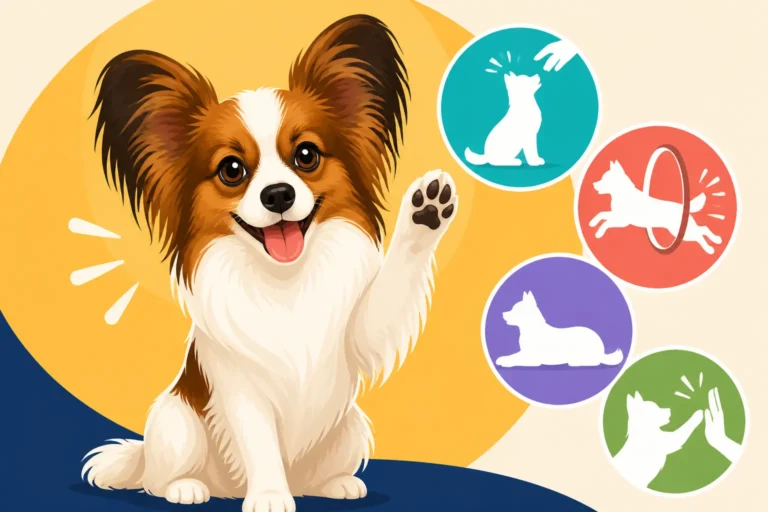
Papillons are not just pretty faces; they are highly intelligent, agile, and surprisingly athletic dogs. Often ranked among the smartest breeds, their keen minds and boundless energy make them natural candidates for dog sports like agility, obedience, rally, and even scent work. But what truly drives them in a trial setting? Is it an innate love for the game, or something more?
Their Innate Desire to Please and Connect
One of the strongest motivators for a Papillon, much like many dog breeds, is the desire to please their human. They form incredibly strong bonds with their owners and are often attuned to our emotions and intentions. When you're excited, happy, and engaged during training or a trial, your Papillon picks up on that energy. They see your enthusiasm as a reward in itself, and successfully completing a task or a course becomes a shared victory. This isn't just about food treats; it's about the emotional connection and the positive reinforcement they receive from you. A Papillon wants to be your partner, and doing activities together strengthens that bond. This deep connection is often why you’ll see them pushing themselves, even when they might be a little tired or unsure.
The Thrill of the Game and Mental Stimulation
Beyond pleasing their owner, Papillons genuinely enjoy the process of learning and performing. Their sharp minds crave mental stimulation, and dog sports provide an incredible outlet for this. Think about how The Papillon Is the Smartest Toy Breed There Is – they pick up new cues quickly and thrive on problem-solving. Running an agility course isn't just physical exertion; it's a complex puzzle where they have to remember sequences, differentiate obstacles, and respond to their handler's cues in real-time. The sheer speed and precision required keep their brains highly engaged. For many Papillons, the "game" of agility or the challenge of a complex obedience routine is inherently rewarding. They get a burst of adrenaline, a mental workout, and the satisfaction of mastering a task.
The Role of Breed History and Physicality
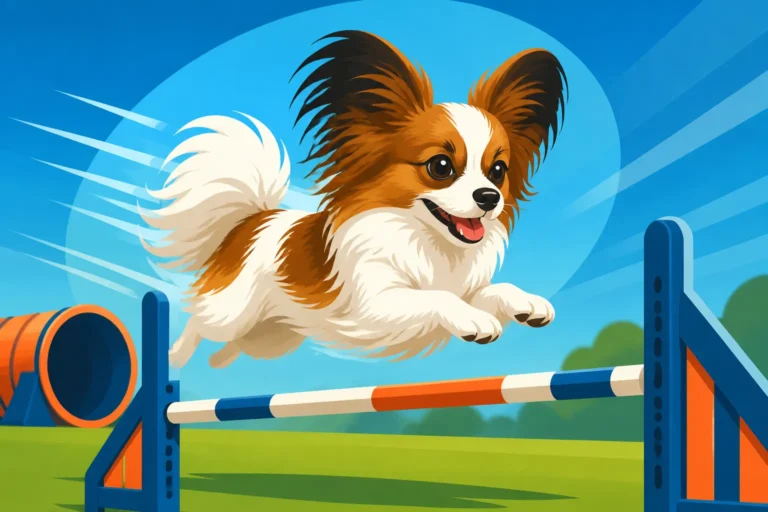
Historically, Papillons were companions, often found in the laps of European nobility, but don't let their delicate appearance fool you. They carry the athleticism of a small spaniel. They are lightweight, nimble, and possess surprising stamina for their size. This physical capability means that many of them are built for speed and agility, making performance sports a natural fit. Unlike some other toy breeds that might struggle with the physical demands, a healthy Papillon is often perfectly suited for the jumps, tunnels, and weaves of an agility course. It’s a chance for them to use their bodies in a way that feels instinctive and powerful. The structure of their finely boned legs and compact body often allows them to move with a grace and speed that surprises spectators.
Signs Your Papillon Loves the Trial Ring (or Doesn't)
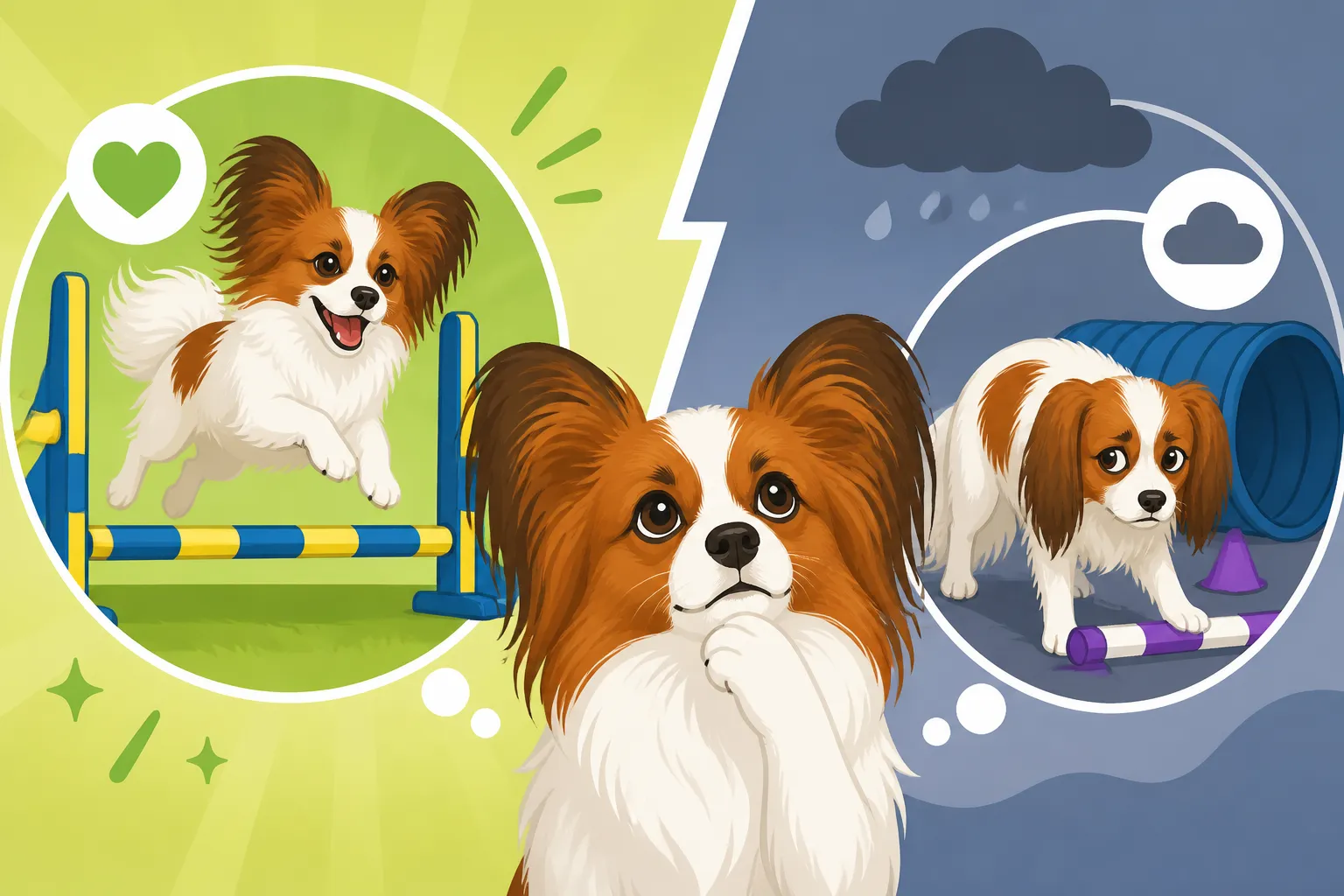
It’s crucial for owners to differentiate between a Papillon who is tolerating the experience and one who is genuinely enjoying it. Their body language, behavior, and overall demeanor speak volumes if we only learn to listen.
Clear Indicators of Enjoyment
When your Papillon truly loves trialing, you'll see a distinct set of behaviors. Often, the joy starts even before they enter the ring. Many Papillons will become visibly excited when they realize they're going to a trial or training session. They might dance, bounce, or vocalize happily. In the staging area, they'll often be alert, ears up, eagerly watching the action, perhaps pulling lightly on their leash towards the ring. Once in the ring, a happy Papillon will show:
- Enthusiastic Engagement: Their tail will be up and wagging, sometimes a full-body wag. Their ears will be alert and forward, tracking your movements. They’ll make eye contact and appear eager for your next cue.
- Spring in Their Step: They’ll move with fluidity and speed, often appearing to float over obstacles. There's a noticeable bounce and lightness to their stride.
- Quick Recovery from Mistakes: If they miss an obstacle or make a mistake, they’ll quickly re-engage with you, ready to try again, rather than shutting down or looking dejected. They might even bark happily as if to say, "Let's go, let's go!"
- Positive Post-Performance: After their run, they're still happy, accepting praise and treats with gusto, ready for more interaction. They might give happy little hops or nudge you for more attention.
For many Papillons, the trial is a highlight of their week. They live for that focused time with you, the challenging puzzles, and the sheer exhilaration of a fast run. You might notice them getting restless at home if they're not getting enough What mental work a Papillon Needs or physical activity, a clear sign they miss the action.
Subtle and Overt Signs of Stress or Dislike
Conversely, if your Papillon is tolerating rather than enjoying, the signs might be more subtle, but they are equally important to recognize. Ignoring these can lead to a dog who performs poorly, is prone to injury due to stress, or eventually refuses to compete altogether.
- Reluctance or Hesitation: They might be slow to get out of the crate, drag their feet to the ring, or hesitate at the start line. Their body language might be low, with a tucked tail or flattened ears.
- Avoidance Behaviors: These can include sniffing the ground excessively, looking away from you, trying to escape the ring, or even refusing to take treats. Some might lick their lips frequently, yawn, or excessively groom themselves.
- Physical Tension: A stressed Papillon might have a stiff gait, a tightly held tail (even if it's up), or show tension in their face, such as furrowed brows or wide eyes. They might appear hunched or withdrawn.
- Excessive Barking or Whining (out of stress): While some Papillons bark from excitement, stress barking sounds different – it's often higher pitched, more incessant, or accompanied by other stress signals. Whining can also indicate anxiety.
- Self-Correction or Shutting Down: If they make a mistake, they might visibly shrink, try to hide, or just stop engaging. They might even cower from your verbal correction, indicating they are already feeling overwhelmed.
It's important to remember that a single instance of stress might be due to an off day or a particularly noisy environment. However, if these signs are consistent, it’s a strong indicator that your Papillon isn't happy. Perhaps they are reacting to Anesthesia and a Five Pound Papillon if they had a bad experience, or maybe they're just not built for the constant pressure.
Here's a quick comparison table to help you spot the differences:
| Behavior Aspect | Signs of Enjoyment | Signs of Stress/Toleration |
|---|---|---|
| Approach to Ring | Eager, pulls on leash, bounces, happy vocalization | Reluctant, lags, drags feet, tries to avoid going |
| Body Language | Loose, fluid movement, high wagging tail, alert ears, soft eyes | Stiff, hunched, tucked tail, flattened ears, wide/hard eyes, lip licking, yawning |
| Engagement | Focuses on handler, eager eye contact, quick responses | Avoids eye contact, sniffs ground, looks away, slow/delayed responses |
| During Run | Speedy, confident over obstacles, clear enjoyment | Hesitates, knocks bars, misses contacts, looks distracted, attempts to exit ring |
| After Run | Happy, takes treats, solicits praise/attention | Appears relieved, uninterested in treats, avoids handler, shakes off tension |
| Motivation | Works for praise, treats, toys, mutual enjoyment | Only works for high-value food, seems to "turn off" after task |
Maximizing Your Papillon's Enjoyment in Training and Trials
Once you've tuned into your Papillon's signals, you can take steps to ensure their experience is overwhelmingly positive. This isn't just about winning; it's about building a stronger relationship and letting your dog shine in a way they genuinely love.
Prioritize Positive Reinforcement and Fun
The cornerstone of a happy trial dog is a training philosophy built on positive reinforcement. This means rewarding desired behaviors with high-value treats, enthusiastic praise, and favorite toys. Avoid harsh corrections or punishment, which can easily erode a sensitive Papillon's confidence and joy. For more on this, consider reading Why Harsh Correction Fails on a Papillon. Keep training sessions short, especially when starting out, perhaps just How short a Papillon's training session should be, and always end on a positive note. The goal is for your Papillon to associate training and trials with fun, not pressure. Utilizing clicker training can also be incredibly effective, as it provides clear, instantaneous feedback without any ambiguity. Look for resources on platforms like Amazon for clickers, or consider online courses from BAXTER & Bella that emphasize positive, reward-based methods for foundation skills.
Manage the Trial Environment
Trial environments can be overwhelming for small dogs. The noise, the crowds, other barking dogs, and unfamiliar surroundings can be a lot. Here’s how to help your Papillon cope:
- Desensitize and Socialize: Expose your puppy to various sights and sounds in a positive way from a young age. Attending "fun matches" or auditing trials without competing can help them get used to the atmosphere without the pressure.
- Create a Safe Space: Bring their familiar crate or bed to trials, providing a quiet, dark place for them to relax between runs. Cover the crate to reduce visual stimuli.
- Limit "Waiting Around": Don't bring your Papillon out too early before their run. The longer they're out in the bustling environment, the more opportunities for stress to build.
- Focus on Warm-ups: Engage in a quick, fun warm-up routine that gets them physically ready but also mentally engaged with you, shutting out external distractions. A few quick retrieve games or target touches can help shift their focus.
- Protect Their Physical Well-being: Ensure they have access to water, are not overheating (consider Whether a Papillon Needs a Cooling Mat on hot days), and are not overtired. Pay close attention to their footing, especially on unfamiliar surfaces.
Adjust Expectations and Listen to Your Dog
It's easy to get caught up in ribbons and titles, but remember why you started: for fun with your dog. Be flexible with your goals. If your Papillon is having an off day, or clearly signaling they’re not enjoying a particular aspect, it's okay to scale back or even pull them from a run. Prioritize their happiness over your competitive aspirations. Some Papillons might love agility but despise the precision of formal obedience. Others might excel at scent work but find the crowds of agility trials too much. How long a Papillon's agility career lasts depends heavily on their physical and mental well-being, so being attuned to their needs is paramount for a long, happy career.
Sometimes, it’s not about dislike, but simply about needing a different approach. Perhaps they need more confidence on certain obstacles, like How a Papillon Handles the A Frame, or maybe they just need a break. Always put your dog first, and you’ll find that their joy translates into better performance and a richer bond between you two.
Addressing Common Misconceptions and Owner Responsibilities
There are a few myths and responsibilities that often come up when discussing Papillons and dog sports. Clearing these up can help foster a healthier approach to competing with these amazing little dogs.
The Myth of "Pushing" a Papillon
Some owners, perhaps unknowingly, believe that a Papillon needs to be "pushed" to achieve its full potential in sports. This couldn't be further from the truth. While consistency and clear expectations are vital, "pushing" a sensitive breed like a Papillon often leads to anxiety, burnout, and a complete shutdown. They thrive on encouragement, clear communication, and positive reinforcement, not pressure. If a Papillon starts refusing obstacles or lagging, it's rarely defiance; it's usually a signal that something isn't right – either they don't understand, they're physically uncomfortable, or they're stressed. Re-evaluating your methods and ensuring the fun factor is high is always the first step.
Physical Health and Longevity in Sports
Given their small size, it's critical to be diligent about your Papillon's physical health, especially if they are actively competing. Whether a Papillon's Knees Get Worse With Age is a concern for many owners, and proper care, including conditioning, appropriate warm-ups, and cool-downs, is essential. Regular veterinary check-ups are non-negotiable. Ensure their nails are kept short to prevent strain on their joints – consider how Why a Papillon's Nails Affect Its Knees. Always ensure they are structurally sound before starting any high-impact sport. A Papillon that genuinely enjoys trialing will be one that is comfortable and pain-free. If you ever see any signs of lameness, hesitation on jumps, or a change in gait, consult your vet immediately.
The Owner's Role in Maintaining Enthusiasm
Ultimately, whether a Papillon enjoys trials or tolerates them often comes down to the owner. Your attitude, your training methods, and your ability to read your dog’s body language are paramount. If you're stressed or overly focused on winning, your Papillon will feel that pressure. If you approach every training session and trial as a fun outing with your best friend, that joy will be contagious. Remember that the journey is just as important as the destination. Celebrate small successes, forgive mistakes readily, and always prioritize the bond you share. Being a good handler means being a good partner, and that means putting your Papillon's well-being and happiness first, always. It's truly a rewarding experience to share your passion for dog sports with a dog that loves it just as much as you do.
Disclaimer
This article is for general informational purposes only and does not constitute professional advice. Laws, prices and regulations vary by location and change over time. Consult a qualified professional for guidance on your specific situation.