Whether a Papillon Is Safe on a Sofa
Oh, the age-old dilemma of the Papillon and the sofa! It's such a common situation, isn't it? We love having our tiny, butterfly-eared companions snuggled up next to us, sharing our space and warmth. But then, a moment of zoomies strikes, or they misjudge a leap, and our hearts jump into our throats. The concern is real: is our beloved Papillon truly safe bouncing around on furniture, or are we inadvertently setting them up for an injury? This guide is all about navigating that balance, understanding the risks, and learning how to keep your little monarch of the couch both happy and healthy.
The Appeal and the Peril: Why Papillons Love the Sofa, and Why We Worry
Let's face it, our Papillons are not just dogs; they're family members, and often, they're the tiny, fluffy rulers of our homes. The sofa, with its soft cushions, prime viewing angles of the outside world, and most importantly, its proximity to us, is often their chosen throne. The problem isn't that they want to be there; it's the potential dangers lurking beneath that soft surface.
The Allure of Heights for a Small Dog
Papillons, despite their delicate appearance and diminutive size, possess a boundless spirit and an often-overlooked confidence. They truly believe they are much larger than they actually are, often squaring up to bigger dogs or fearlessly navigating new environments. This bold nature extends to their interaction with furniture. To a Papillon, a sofa isn't just a place to rest; it's a strategic lookout post, a sunbathing spot, and a prime location for cuddles. They thrive on being close to their people, observing the household's activities from a comfortable perch. The warmth of a shared blanket, the gentle rise and fall of our breathing, and the feeling of being included in the family hub are all powerful draws. It's simply their instinct to be near us, and if that means navigating a "mountain range" of cushions, they're usually all for it. This inherent boldness is part of their charm, but it also means they might not always consider the physics of a jump. A Papillon Has No Idea It Is Small is a testament to this incredible, sometimes risky, confidence.
The Fragile Reality: Their Small Bones and Vulnerable Knees
Here's where the worry truly kicks in for us Papillon parents. While their agility and springiness are impressive, their tiny skeletal structure is inherently more fragile than that of a larger, heavier boned breed. The biggest concern for Papillons when it comes to jumping on and off furniture is their knees. Luxating patella, where the kneecap slips out of its groove, is incredibly common in toy breeds like the Papillon. It can be a genetic predisposition, but repeated trauma or awkward landings can certainly exacerbate an existing condition or even contribute to its development. Imagine a graceful little dog leaping off the sofa, only to land with a jolt on an unforgiving hardwood floor, or worse, twisting mid-air to avoid a toy or another pet. That sudden impact can cause the kneecap to pop out, leading to pain, limping, and in severe cases, the need for veterinary intervention. What Patellar Luxation Does to a Papillon is something every Papillon owner should understand, as it directly relates to the risks of jumping from heights. It's not just about a single dramatic fall; it's about the cumulative stress on those tiny joints over a lifetime of leaps.
Understanding the Risks: What a Fall From the Sofa Can Actually Do
It's easy to assume a little fall from a sofa isn't a big deal for a small dog, but that perspective often comes from comparing it to a human's fall. For a Papillon, a standard sofa can be as high as a small cliff. The physics are entirely different, and the consequences can range from a minor scare to a serious, painful injury.
Orthopedic Concerns: More Than Just a Sore Paw
When a Papillon jumps or falls from a sofa, their joints take the brunt of the impact. As mentioned, luxating patella is a significant concern. Even if your Papillon hasn't been diagnosed with it, an awkward landing can cause the kneecap to dislocate, leading to acute pain and a sudden lameness. This isn't just a momentary "ouch"; a severe luxation might require veterinary attention to manually reduce it, or in chronic cases, surgical correction. Beyond the patella, falls can result in sprains, strains, or even fractures of other small bones in their legs or feet. A Papillon's fine bones are simply not designed to absorb the kind of shock that comes from an uncontrolled descent onto a hard surface. Recovery from such injuries can be lengthy and challenging, requiring strict rest, pain management, and sometimes even physical therapy. You might notice your dog Whether a Papillon Skips a Step When Running after a fall, which is a clear sign something isn't right with their knee.
Head and Spinal Injuries: The Scarier Side of Falls
While less common, the most terrifying outcomes of a fall involve head and spinal injuries. A Papillon that tumbles head-first or twists its body awkwardly mid-fall could suffer a concussion, neck strain, or even more severe neurological damage. Imagine them slipping off the back of the sofa and hitting their head on a coffee table, or landing on their neck. Their delicate skulls and spinal columns offer limited protection against such impacts. Symptoms might include disorientation, difficulty walking, pain, or even seizures in extreme cases. These types of injuries are often emergent and can have long-lasting effects on a dog's quality of life. Even a seemingly minor fall can lead to these issues, especially if they hit their head or neck on a hard edge.
Psychological Impact: Fear and Loss of Confidence
Beyond the physical injuries, a bad fall can leave a lasting psychological scar on your Papillon. A dog that experiences a painful or frightening tumble from the sofa might develop a fear of jumping, or even a general anxiety about heights or new situations. This can manifest as hesitation, whining, or avoidance of previously loved furniture. It can impact their overall confidence and their willingness to engage in playful activities, which is heartbreaking to witness. We want our dogs to feel safe and secure in their environment, and a traumatic experience can undermine that sense of security. It might take patient, positive reinforcement to help them overcome such fears, if they ever do completely.
Here's a quick look at the balancing act:
| Aspect | Pros of Sofa Access for Papillons | Cons of Sofa Access for Papillons |
|---|---|---|
| Companionship | Cuddles, closeness, feeling part of the family | Risk of injury, potentially creating fear around owners |
| Enrichment | Vantage point, observation, mental stimulation | Accidental falls, orthopedic stress |
| Comfort | Soft surface, warmth, preferred resting spot | Risk of serious injury, long-term pain |
| Training | Opportunity to teach boundaries and safe habits | If untrained, reinforces risky jumping |
Strategies for a Safer Sofa Experience: Mitigating the Dangers
Just because there are risks doesn't mean your Papillon has to live a life entirely devoid of sofa snuggles. The key is to be proactive and implement strategies that minimize the danger while still allowing them to enjoy their favorite elevated spots. It's all about making their environment work for them, not against them.
Training for Safe Access: Teaching the Ropes (and Ramps!)
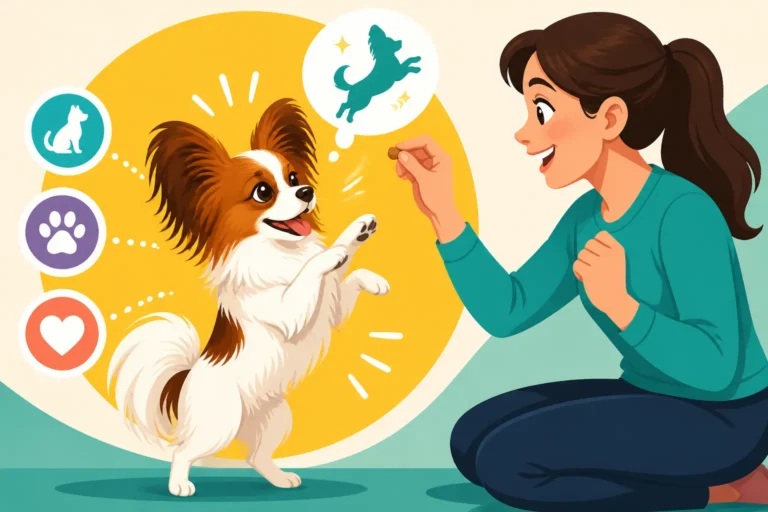
One of the most effective ways to make sofa time safer is to teach your Papillon how to get on and off properly. This isn't just about curbing their natural exuberance; it's about giving them the tools to navigate their world safely. Instead of letting them launch themselves off like a furry projectile, you can teach them to use ramps or steps. Start by gently guiding them onto and off the furniture using these aids, rewarding them with praise and high-value treats every single time they use them correctly. Consistency is key here.
You can find a fantastic variety of pet ramps and steps on platforms like Amazon, ranging from sturdy wooden ramps to soft, carpeted steps. Look for options with a gentle incline and a non-slip surface, which will be less intimidating for your small dog. The goal is to make using the ramp or steps a positive and habitual experience. You might even find that some Papillons, especially once they've had a minor scare, will naturally prefer using the ramps once they're introduced. For a deeper dive into preventing injuries related to furniture, consider reading Whether a Papillon Should Be Stopped From Jumping Off Furniture. Teaching them cues like "up" and "down" specifically for the ramp can also reinforce good habits. BAXTER & Bella, known for their online puppy training programs, often emphasize positive reinforcement and confidence-building exercises that can be adapted to teach safe furniture access.
Environmental Modifications: Setting Up for Success
Beyond direct training, you can make physical changes to your home environment to reduce risks.
- Ramps and Steps: This is truly the cornerstone of safety. Place ramps or pet steps next to all furniture your Papillon regularly accesses, including beds. Ensure they are stable and don't wobble, which can be frightening or dangerous for a small dog. For older dogs or those with known knee issues, ramps are non-negotiable. It's worth researching Which Ramp Height Suits a Papillon to ensure you're getting the right fit for your little one.
- Non-Slip Surfaces: If you have hardwood, tile, or laminate floors, consider placing rugs or runners in common areas, especially around furniture where your Papillon might land. A slippery surface can turn a controlled jump into a dangerous slide, increasing the risk of injury.
- Keep Nails Trimmed: Long nails can hinder traction, making it harder for your Papillon to grip surfaces and increasing the chance of a slip or splay-legged landing. Regular nail trims are essential for overall paw health and stability. This is not just a cosmetic thing; Why a Papillon's Nails Affect Its Knees directly illustrates how proper paw care impacts their joint health.
- Clear Landing Zones: Make sure the areas around sofas and chairs are clear of clutter, toys, or anything else your Papillon could trip over or land on awkwardly. A clear, soft landing spot (like a rug) is ideal.
Managing Interactions: Supervision is Key
Our homes are often busy places, and our Papillons are usually right in the thick of it. Supervision is crucial, especially when children or other pets are involved.
- Children: Small children, especially toddlers, might not understand the delicate nature of a Papillon. They might accidentally push, pull, or even step on a dog on the sofa. Teach children how to gently interact with your Papillon and supervise all interactions. For guidance on this, consider How a Papillon Handles a Toddler. Teach your Papillon a "place" command to move them safely to their own bed if interactions on the sofa become too boisterous.
- Other Pets: Larger dogs or even boisterous cats can inadvertently knock a Papillon off the furniture during play. Be mindful of their dynamics and intervene if play becomes too rough or uncontrolled on elevated surfaces. A Papillon might not back down from a bigger dog, often leading to potential scrapes. How a Papillon Behaves With Large Dogs is an important read for multi-dog households.
- Anticipate Zoomies: Papillons are known for their bursts of energy. If you see signs of impending "zoomies" (sudden bursts of running and jumping), gently coax your Papillon off the furniture before they launch themselves off in a fit of excitement. Engage them in a safer, floor-level game instead.
When to Consider Restricting Sofa Access (And How to Do It Kindly)
There are definitely times when, for your Papillon's own safety, it might be best to limit or even restrict their access to the sofa. This isn't about being mean; it's about being responsible and protecting their long-term health. The good news is, you can do it kindly and still maintain a strong bond.
Identifying High-Risk Situations
Certain stages of a Papillon's life or particular health conditions significantly increase the risk associated with jumping from furniture.
- Puppies: Young puppies are notoriously clumsy, lack coordination, and haven't fully developed their skeletal structure. Their exuberance often outweighs their judgment. A fall at this stage can have lasting detrimental effects on their developing joints. It's usually best to keep puppies off high furniture until they are older, more coordinated, and reliably using ramps or steps.
- Senior Dogs: As Papillons age, their joints naturally stiffen, their vision might decline, and their muscle mass can decrease. What was once an easy jump becomes a perilous leap. Caring for an Aging Papillon emphasizes many considerations for older dogs, and preventing falls is paramount. A senior Papillon with existing arthritis or weakened hindquarters is at a much higher risk for serious injury. They might not realize their own limitations until it's too late. What Changes in an Aging Papillon's Care often includes making their environment more accessible.
- Dogs with Existing Orthopedic Issues: If your Papillon has already been diagnosed with luxating patella, arthritis, or any other joint or spinal condition, restricting jumping is absolutely crucial. Even a Grade 1 luxation, which might not always cause symptoms, can be worsened by repeated impacts. If you're wondering Whether a Papillon With a Slipping Knee Is in Pain, it's a good indicator that precautions are needed. Your vet might even specifically advise against jumping from heights.
- Dogs Prone to Zoomies or Excessive Play: Some Papillons are just naturally more energetic and prone to sudden bursts of running and jumping, even on furniture. If your dog frequently plays rough on the sofa or uses it as a springboard, it might be safer to redirect that energy to floor-level play or outdoor activities.
Gentle Alternatives and Enrichment
If you decide to limit sofa access, you'll need to provide equally appealing alternatives so your Papillon doesn't feel deprived or isolated.
- Cozy, Low-to-the-Ground Beds: Invest in several luxurious, comfortable dog beds and place them strategically around the house, especially near your sofa or where you spend the most time. A soft, orthopedic bed can be just as inviting as the sofa. Some Papillons love to burrow, so a cave-style bed or one with a built-in blanket can be a huge hit.
- Designated "Cuddle Zones": Create a special, low-level spot where your Papillon is allowed to cuddle with you. This could be a large, plush dog bed on the floor right next to your sofa, or even a soft blanket on an ottoman where you can sit together. This ensures they still get that vital closeness without the risk of jumping.
- Interactive Toys and Puzzle Feeders: Keep your Papillon mentally stimulated with puzzle toys that dispense treats, or durable chew toys. A mentally tired dog is less likely to have sudden bursts of energy that lead to risky jumps. Brands like Amazon offer a wide array of engaging toys that can keep your Papillon entertained and focused on floor-level activities.
- Engage in Floor Play: Dedicate time each day to playing with your Papillon on the floor. Tug-of-war, fetch with soft toys, or practicing tricks are all great ways to bond and burn off energy safely. This reinforces that they get attention and fun even without being on the furniture.
Consistency and Positive Reinforcement
Successfully changing a habit like jumping on the sofa requires consistency and a positive approach.
- Set Clear Boundaries: Decide which pieces of furniture are off-limits or require ramp usage, and stick to it. Everyone in the household needs to be on the same page. Inconsistency will only confuse your Papillon.
- Use Positive Reinforcement: When your Papillon chooses to use a ramp or goes to their designated bed instead of jumping on the sofa, reward them immediately with praise, a small treat, or a gentle pet. Make the desired behavior more rewarding than the undesirable one. Avoid scolding or punishing them for jumping; instead, gently redirect them to the ramp or their bed.
- Manage Access When You're Not There: If your Papillon insists on jumping when unsupervised, consider blocking access to the sofa or confining them to a safe, dog-proofed area (like a crate or playpen) when you can't actively supervise.
- Patience is Key: Changing established behaviors takes time and patience. Your Papillon might test the boundaries, but with consistent, positive reinforcement, they will learn the new rules. Think of it as another training challenge, similar to house-training or learning a new trick. BAXTER & Bella's philosophy is all about building a positive relationship through training, which applies perfectly here.
Ultimately, whether your Papillon is "safe" on a sofa depends entirely on the measures you put in place as their guardian. By understanding the risks and proactively implementing safety strategies, you can ensure that your charming little butterfly dog continues to enjoy a happy, healthy life, whether they're snuggled beside you or playing safely on the floor.
Disclaimer
This article is for general informational purposes only and does not constitute professional advice. Laws, prices and regulations vary by location and change over time. Consult a qualified professional for guidance on your specific situation.