How Far a Papillon Should Walk Daily
Many Papillon owners find themselves caught between two extremes: either they treat their tiny butterfly-eared companions like fragile ornaments that can't handle much activity, or they vastly underestimate their breed's surprising athleticism and intelligence, leading to pent-up energy and behavioral quirks. This guide will walk you through exactly how far your Papillon should be walking daily, taking into account their unique needs, zest for life, and how to keep them happy and healthy at every stage.
Understanding Your Papillon's Energy Levels
It’s easy to look at a seven-pound dog with delicate, fringed ears and assume they’re content with a quick trot around the block. But if you’ve ever lived with a Papillon, you know that assumption couldn't be further from the truth. These little dogs are often bursting with energy, keen intelligence, and a surprising amount of stamina. They are, after all, part of the Continental Toy Spaniel family, bred for companionship but retaining much of the active, alert nature of their larger spaniel ancestors.
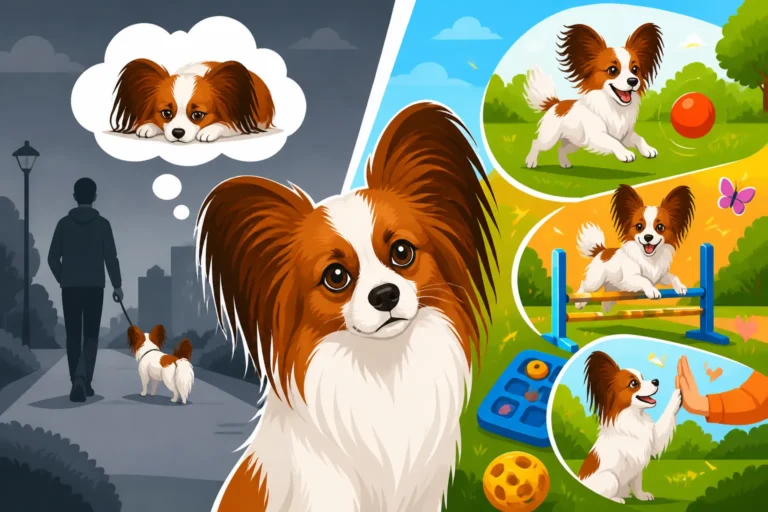
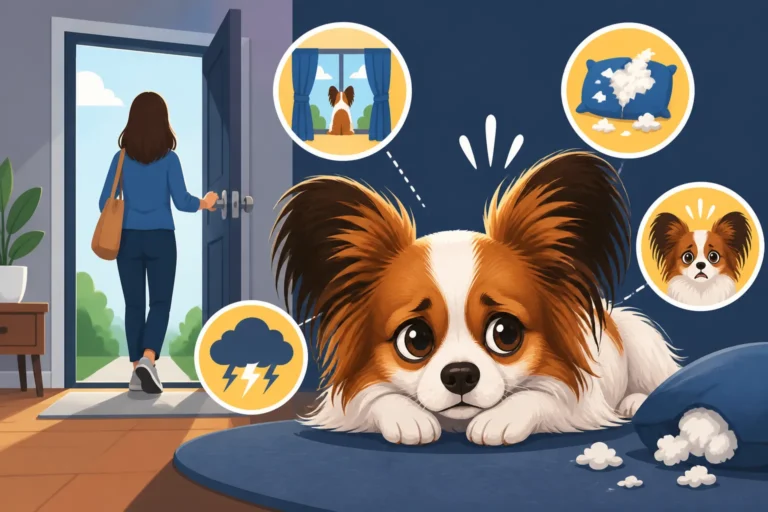
They’re not just content to sit on a velvet pillow all day, though they’re certainly experts at cuddling! A Papillon’s mind and body thrive on activity, and a lack of appropriate exercise can lead to all sorts of behavioral issues, from excessive barking to destructive chewing. It's truly a frustration for many new Papillon parents who expect a placid lapdog and instead find a furry dynamo bouncing off the walls.
The Big Dog in a Small Package Myth
This isn't a myth at all – it's a reality! Many Papillon enthusiasts affectionately call them "big dogs in little bodies," and for good reason. They carry themselves with an air of confidence, often unafraid to stand their ground even against much larger breeds, if inappropriately managed. This confidence extends to their physical capabilities. A healthy adult Papillon can easily outpace many larger dogs on a walk and possesses incredible agility and speed.
Think of it this way: a Papillon has a powerful drive to explore, chase, and interact with the world around them. Confining that energy without an outlet is like trying to keep a spring coiled too tightly; eventually, something has to give. They are naturally curious and love to sniff out new scents, which makes walks not just physical exercise but a crucial form of mental enrichment. Without this outlet, you might find your furniture or shoes becoming the target of their undirected energy. What a Papillon Does All Day covers more on their daily needs.
Factors Influencing Individual Energy
While the breed generally has a high energy level, individual Papillons are, of course, individuals! Just like people, some are born with a slightly more laid-back personality, while others are perpetual motion machines. Several factors play a significant role in determining how much exercise your specific Papillon needs:
- Age: A young, healthy Papillon puppy will have bursts of high energy followed by long naps, while a senior Papillon will naturally slow down. We'll delve into this more below.
- Health: Underlying health conditions, such as patellar luxation, heart murmurs, or respiratory issues like a collapsing trachea, can significantly impact a Papillon's stamina and ability to walk. It's crucial to always check with your vet if you notice a sudden change in their exercise tolerance. Patellar Luxation Is the Papillon Problem You Will Actually Meet details a common concern.
- Diet: A well-balanced diet provides the fuel for their energy. Poor nutrition can lead to lethargy or, conversely, over-excitement if they're not getting appropriate nutrients.
- Weight: An overweight Papillon will struggle more on walks and be prone to joint issues, making exercise uncomfortable. Keeping them at a healthy weight is paramount for their overall activity level.
- Training and Socialization: A well-trained Papillon who is confident and comfortable in various environments will likely enjoy walks more and be able to handle longer excursions without becoming overwhelmed or stressed.
Observing your own dog is key. Do they still have a spring in their step after 30 minutes, or are they lagging behind? Are they restless at home if they've had a short walk? These are all cues that tell you whether their current routine is meeting their needs.
Establishing a Healthy Daily Walking Routine
So, how much is enough? This is the million-dollar question, and the answer, as with most things canine, isn't a one-size-fits-all. However, we can establish some solid guidelines to ensure your Papillon gets the exercise they need without overdoing it. It's about finding that sweet spot where they're happily tired, not completely exhausted or, worse, still buzzing with unspent energy.
Most adult Papillons will thrive on a combination of structured walks and playtime. These walks aren't just for potty breaks; they're an adventure, a chance to see the world, and a bonding experience between you and your dog. Don't underestimate the joy a Papillon gets from a good sniff-walk, where they can thoroughly investigate all the interesting smells the neighborhood has to offer.
Recommended Daily Distances and Durations
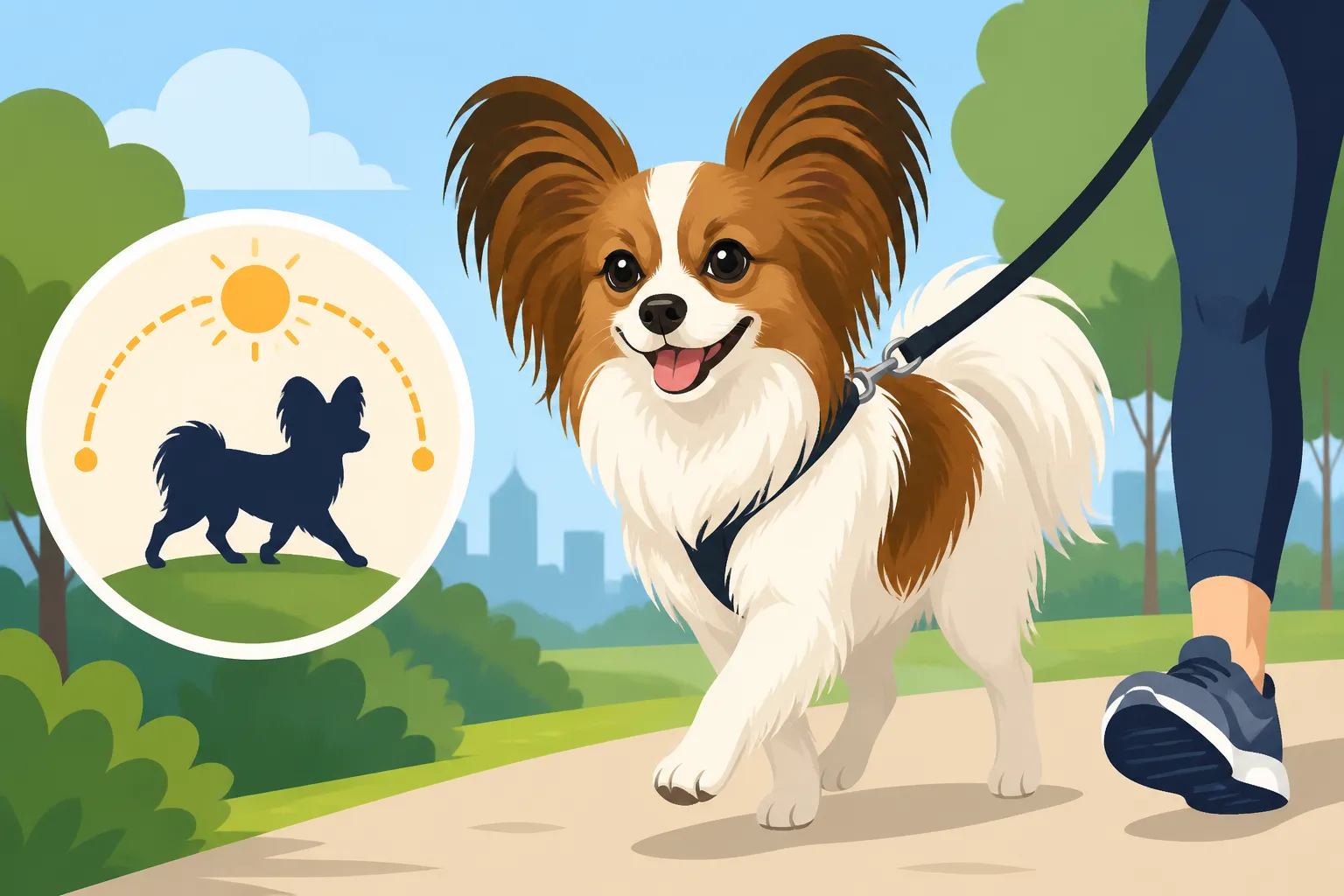
For a healthy, adult Papillon, aiming for at least 30-60 minutes of walking per day is a great starting point. This doesn't necessarily mean one continuous hour-long trek. In fact, many Papillons do best with two shorter walks spread throughout the day, perhaps 20-30 minutes in the morning and another 20-30 minutes in the evening. This breaks up their day, gives them multiple opportunities for enrichment, and helps regulate their energy.
The distance will vary wildly depending on your pace and your dog's gait, but typically, a brisk 30-minute walk can cover anywhere from 1 to 2 miles for a small dog like a Papillon. Remember, it's not just about covering ground; it's about engagement. A walk where they get to sniff, explore, and maybe even play a little bit is far more valuable than a forced march at your side.
Here’s a general guideline for daily exercise duration:
| Age/Life Stage | Recommended Daily Walk Time | Additional Activity | Considerations |
|---|---|---|---|
| Puppy (8-12 weeks) | 5-10 minutes, 3-4 times daily | Short play sessions | Focus on positive experiences, short bursts of energy. |
| Young Adult (3 months – 1 year) | 20-30 minutes, 2-3 times daily | Play, training, agility prep | Building stamina, not over-stressing joints. |
| Adult (1-8 years) | 30-60 minutes, 1-2 times daily | Agility, tricks, fetch | Peak energy, mental stimulation is crucial. |
| Senior (9+ years) | 15-30 minutes, 1-2 times daily | Gentle strolls, short play | Adapt to energy levels, monitor for discomfort. |
This table is a starting point, of course. Always adjust based on your specific Papillon's health, stamina, and enthusiasm. Pay close attention to how they feel during and after the walk. Are they still eager, or do they seem tired or stiff?
Incorporating Mental Stimulation and Variety
A walk isn't just about physical exertion; it's a huge opportunity for mental stimulation, which is just as important for a smart breed like the Papillon. Imagine walking the same exact route every single day – it would get pretty boring, right? Your Papillon feels the same way! Varying your routes introduces new smells, sights, and sounds, keeping their minds engaged and preventing boredom.
Consider these ways to add variety and mental stimulation to your walks:
- Sniffari Walks: Allow your Papillon ample time to sniff. Their noses are incredible tools for experiencing the world, and letting them follow an interesting scent is highly enriching. Instead of rushing them along, give them a few extra seconds to explore a patch of grass or a tree trunk.
- New Environments: Explore different parks, trails, or even new neighborhoods. The change of scenery is invigorating for them. Just be mindful of local leash laws and potential hazards like traffic or aggressive dogs.
- Training on Walks: Incorporate short bursts of obedience training during your walk. Practice "sit," "stay," "come," or "heel" in different environments. This engages their brain and reinforces good manners. Companies like BAXTER & Bella offer excellent online resources that can help you integrate training into your daily routine, making every walk a learning opportunity.
- Puzzle Toys Post-Walk: After a good walk, a puzzle toy filled with treats can keep their mind busy as they settle down. This transitions their energy from active exploration to quiet problem-solving. What Mental Work a Papillon Needs provides more ideas.
- Agility Prep: If your Papillon shows an aptitude for it (and many do!), you can incorporate simple agility elements into your walks or backyard play. Things like walking over low obstacles, weaving through your legs, or jumping over a small broomstick on the ground can be fun and stimulating. Just remember, proper conditioning is essential before engaging in anything strenuous, especially for their knees. Starting a Papillon in Agility has more information.
Adjusting Walks for Different Life Stages and Conditions
A Papillon's exercise needs aren't static; they change throughout their life, and it's our job as responsible owners to adapt. What's perfect for a boisterous two-year-old might be far too much for a frail senior or an excitable puppy. Being attuned to these shifts is vital for their long-term health and happiness.
It can be heartbreaking to see your once-boundless companion start to slow down, or frustrating when your puppy just can't seem to hold it long enough on a walk. But understanding these stages and making appropriate adjustments will ensure they get the best care.
Puppy Energy vs. Senior Paces
Puppies: Papillon puppies have tons of energy, but their bones, joints, and developing bodies are fragile. Over-exercising a puppy can lead to serious orthopedic problems later in life, especially for a breed prone to Patellar Luxation Is the Papillon Problem You Will Actually Meet. Instead of long, continuous walks, focus on frequent, short play sessions and several brief, structured walks (5-10 minutes at a time, 3-4 times a day). Allow them plenty of time for naps, as sleep is crucial for their development. Keep a close eye on them; if they're lagging or seem tired, it's time to head home. The Vaccination Schedule a Papillon Puppy Needs will also influence when and where you can take them safely.
Seniors: An aging Papillon will naturally have less stamina and might experience aches and pains. Caring for a Papillon Past Eleven provides excellent guidance. Their walks should become shorter and gentler. Instead of a brisk pace, focus on leisurely strolls where they can still enjoy sniffing and exploring without putting undue stress on their joints. You might notice they prefer softer surfaces, so avoiding pavement in favor of grassy areas can be beneficial. They might also need more frequent, very short potty breaks. Listen to your senior Papillon: if they're slowing down, limping, or showing any signs of discomfort, it's time to reduce the duration or intensity of their walks.
When to Scale Back or Seek Alternatives
There are times when even a healthy adult Papillon might need their walks adjusted or alternative activities.
- Extreme Weather: Papillons, with their single coat and small size, are sensitive to extreme temperatures. In harsh winter conditions, they can get cold very quickly, and in scorching summer heat, their paw pads can burn on hot pavement, and they risk overheating. On these days, opt for shorter, more frequent outdoor potty breaks and focus on indoor enrichment. Play indoor fetch, practice new tricks, or engage them with puzzle toys. Consider investing in a little coat for winter walks or cooling mats for summer if outdoor time is unavoidable. A Papillon in Summer and Winter has more details on this.
- Injury or Illness: If your Papillon is recovering from surgery (like knee surgery, which is common) or is feeling under the weather, their exercise needs will drastically change. Always follow your veterinarian's advice regarding activity levels. During recovery, gentle leash walks for potty breaks might be all they can handle, with a gradual increase as they heal. Mental stimulation through scent games or quiet training can still be provided indoors.
- After Surgery: Anesthesia can take a toll, especially on smaller dogs. If your Papillon has undergone any procedure requiring anesthesia, such as dental work or spaying/neutering, follow your vet's post-operative instructions carefully. Rest and limited activity are usually prescribed to allow for proper healing. Anesthesia and a Five Pound Papillon details some considerations.
- Breed-Specific Health Concerns: While Papillons are generally considered a healthy breed, certain conditions like a collapsing trachea or heart murmurs can impact their ability to exercise. A Papillon with a collapsing trachea, for instance, might do better with several short, easy walks throughout the day rather than one long, strenuous one, especially when wearing a harness instead of a collar. Always discuss any concerns with your vet.
Essential Gear and Safety Tips for Papillon Walks
Taking your Papillon for a walk should be an enjoyable and safe experience for both of you. Having the right gear and keeping safety in mind can make all the difference, especially with such a delicate, yet spirited, breed. You want them to be comfortable, secure, and protected from potential hazards.
It's a small dog's world out there, and sometimes that world can be a bit overwhelming or even dangerous. From busy streets to larger, less-behaved dogs, Papillons need us to be their advocates and protectors, which often starts with the equipment we choose.
Choosing the Right Equipment
- Harness vs. Collar: For a Papillon, a harness is almost always preferred over a collar for walks. Their delicate necks and propensity for conditions like a collapsing trachea make collars risky, especially if they pull on the leash. A well-fitting harness distributes pressure across their chest and shoulders, preventing strain on their throat. Look for a harness that fits snugly but doesn't restrict their shoulder movement. Many options are available on platforms like Amazon, offering a wide range of sizes for small breeds.
- Leash: A lightweight, 4-6 foot leash is ideal. Avoid retractable leashes, as they can teach your dog to pull and offer less control, which can be dangerous in an urban environment or if you encounter other dogs.
- Identification: Even if your Papillon is microchipped, they should always wear a tag with your current contact information. This is your first line of defense if they ever slip away.
- Poop Bags: Always, always, always carry poop bags. It's not just polite; it's a responsible part of dog ownership and keeps your walking areas clean for everyone.
- Water Bottle: For longer walks, especially in warmer weather, a portable water bottle with an attached dispenser is a lifesaver. Papillons can dehydrate quickly due to their small size.
Weather and Environmental Considerations
Being prepared for the environment is crucial for a Papillon's safety and comfort.
- Temperature Extremes: As mentioned, Papillons are sensitive to both heat and cold.
- Heat: Avoid walking during the hottest parts of the day. Early morning or late evening walks are best. Test the pavement with your hand – if it's too hot for you to hold your hand on for five seconds, it's too hot for your dog's paws. Watch for signs of overheating, like excessive panting, lethargy, or drooling. Whether a Papillon Can Run on Hot Asphalt is a critical question.
- Cold: In colder climates, a dog coat or sweater is a must to protect their small bodies from the chill. Be mindful of ice and snow, which can be harsh on their paws. Paw balm or protective boots can help, though many Papillons aren't fans of boots!
- Parasite Prevention: Ensure your Papillon is up-to-date on flea, tick, and heartworm prevention. Walks expose them to various environments where these pests can lurk. Consult your vet for the best preventative measures in your area. Which Flea Product Fits a Papillon's Weight and What a Papillon's Heartworm Prevention Runs can help you plan.
- Traffic and Pedestrians: Always walk your Papillon on a leash, especially near roads. Their small size makes them hard for drivers to see, and their curious nature means they might dart after a squirrel or interesting smell. Be mindful of other people and dogs, especially if your Papillon tends to bark at strangers or larger dogs. How a Papillon Behaves With Large Dogs is important to consider.
- Predators: In some rural or suburban areas, small dogs can be vulnerable to birds of prey or other wildlife. Always supervise your Papillon closely, even in a fenced yard.
By understanding your Papillon's individual needs, providing a varied and stimulating walking routine, and equipping yourself with the right tools and knowledge, you can ensure that daily walks are a highlight of both your days. Remember, a well-exercised Papillon is a happy, well-behaved Papillon, and the bond you build on those walks is truly priceless.
Disclaimer
This article is for general informational purposes only and does not constitute professional advice. Laws, prices and regulations vary by location and change over time. Consult a qualified professional for guidance on your specific situation.