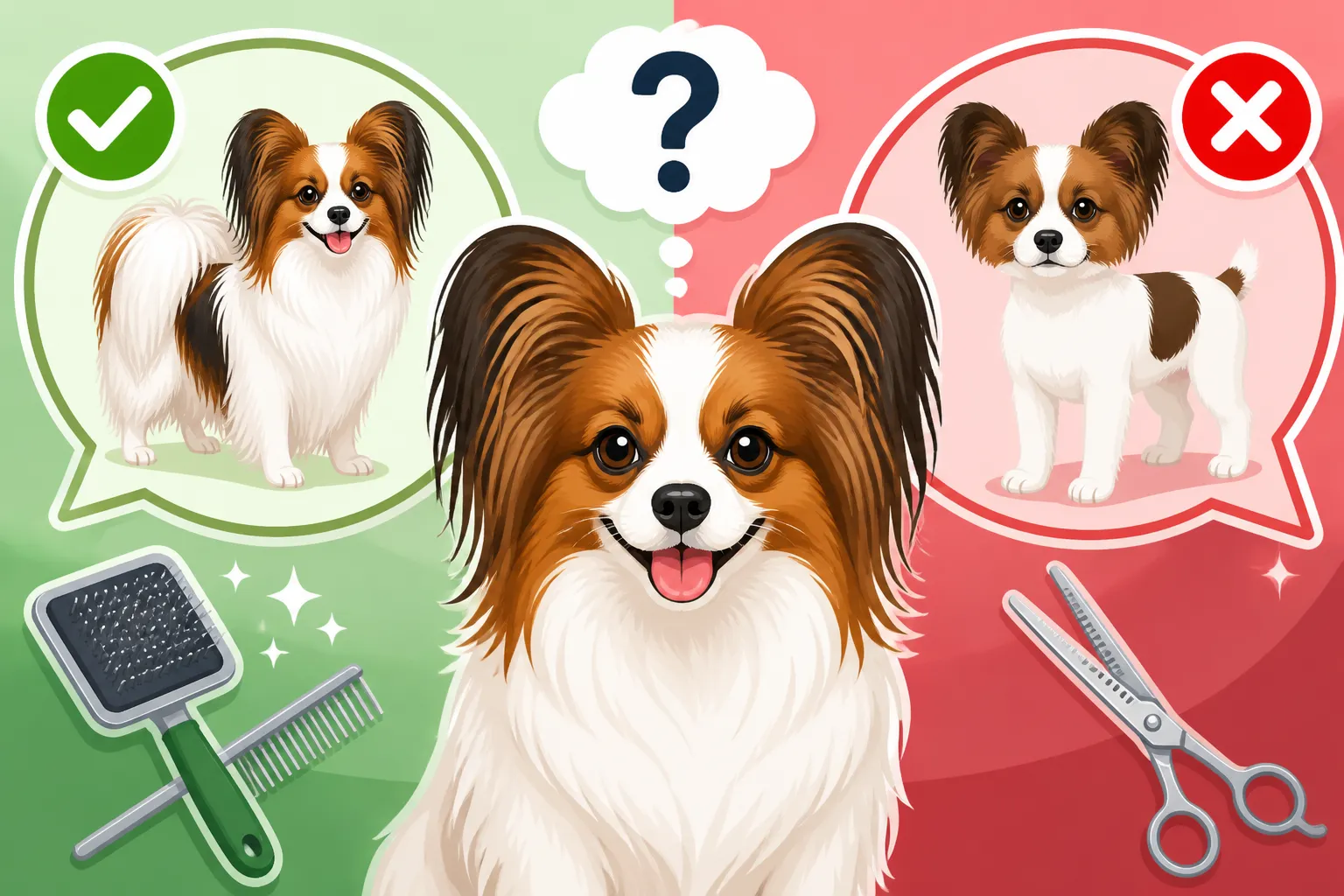
Whether a Papillon Should Be Trimmed
It's a question many Papillon owners ponder, especially when faced with a tangle or the warm summer months: "Should I trim my Papillon?" The thought of giving those magnificent ear fringes or that glorious tail plume a snip can feel like a tempting shortcut to managing their beautiful, yet sometimes challenging, coat. But before you reach for the scissors, it's crucial to understand what makes a Papillon's coat unique and why, for the most part, trimming isn't just unnecessary, but can actually be detrimental to its health and appearance. This guide will dive deep into the world of Papillon coats, exploring the common reasons owners consider trimming and offering practical, breed-appropriate alternatives that will keep your butterfly dog looking its best, naturally.
The Papillon Coat: A Study in Elegance and Function
The Papillon's coat is one of its most defining features, responsible for its aristocratic appearance and, of course, its name (French for "butterfly," thanks to those magnificent ears). But beyond aesthetics, this coat serves a very important function, much like a finely tuned piece of natural engineering.
Understanding the Single Coat Structure
Unlike many breeds, Papillons boast a single coat, meaning they lack an insulating undercoat. This is a critical distinction when discussing grooming. Their silky, flowing topcoat is generally fine, but surprisingly robust, designed to protect them from the elements without being overly dense or prone to heavy shedding. This single-layer construction means they shed far less than double-coated breeds, which can be a huge bonus for owners, but it also means their grooming needs are specific. The hair grows long and lays flat against the body, creating that elegant silhouette we all adore. It's truly a marvel of breed development, providing both beauty and practical protection. A Papillon's Coat Is All Fringe and No Undercoat will give you a deeper dive into this unique structure.
The Iconic Fringe and Plume
When you picture a Papillon, your mind immediately goes to those spectacular, butterfly-like ears, adorned with long, flowing fringes. This isn't just pretty hair; it's what gives the breed its characteristic look and contributes significantly to its charm. Equally impressive is the Papillon's tail, carried high over the back and covered in a lavish plume of long, silken hair. These areas, along with the "culottes" (feathering on the back of the thighs) and the chest frill, are what give the Papillon its distinctive elegance. These fringes are meant to be long, natural, and untouched. They mature over time, sometimes taking a couple of years to reach their full glory, and any trimming of these areas immediately detracts from the classic Papillon appearance. It's a hallmark of the breed, carefully cultivated over centuries.
Natural Shedding Patterns
Despite having a long coat, Papillons are generally considered moderate, rather than heavy, shedding dogs. Their single coat means they don't "blow" a heavy undercoat twice a year like many breeds. Instead, they shed individual hairs year-round, much like human hair. This continuous, light shedding is largely manageable with regular brushing. You might notice a slight increase in shedding seasonally, or if there are hormonal changes (like after spaying or neutering), but it's rarely overwhelming. The hairs that do shed often get caught within the longer coat, which is why brushing is so important – it removes these loose hairs before they can form tangles or end up on your furniture. Understanding this natural pattern helps manage expectations and confirms that trimming isn't a solution for shedding; it merely alters the appearance of the hair that will still shed.
Why Owners Consider Trimming: Addressing the Common Concerns
It's completely understandable why a Papillon owner might, at some point, consider trimming their dog's coat. Life with a long-haired breed comes with its unique set of challenges, and it's natural to seek solutions to perceived problems.
Managing Mats and Tangles
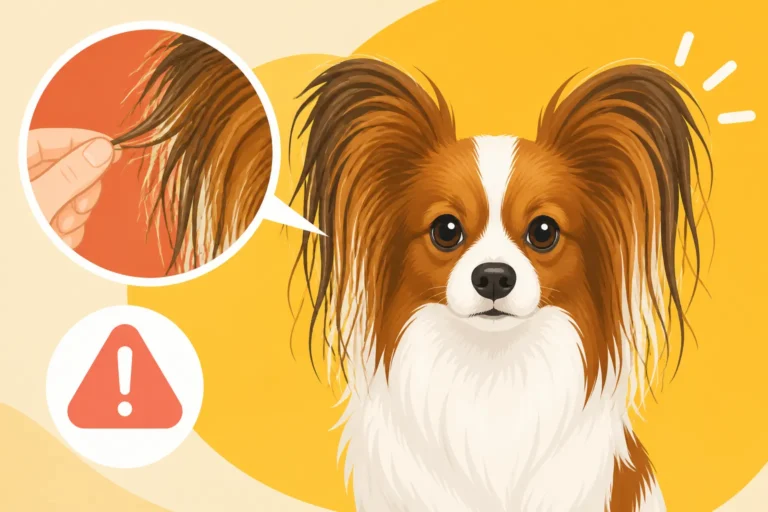
One of the most frequent frustrations for Papillon owners is the battle against mats and tangles. Those beautiful, flowing fringes on the ears, the culottes, and the tail plume are particularly prone to matting, especially behind the ears and in the "armpit" areas where friction is common. A playful romp in the yard, a bit of moisture, or just a few missed brushing sessions can quickly turn silky strands into stubborn knots. It can be disheartening to find a dense mat, and the immediate thought might be that if the hair were just a little shorter, it wouldn't tangle so easily. This is a very common concern, and it often leads owners to believe that a shorter, trimmed coat would be easier to maintain. However, trimming the coat can actually make it more prone to matting as it removes the natural taper of the hair, making it more blunt and "grabby." Where a Papillon Mats goes into more detail on these tricky spots.
Perceived Hygiene Issues
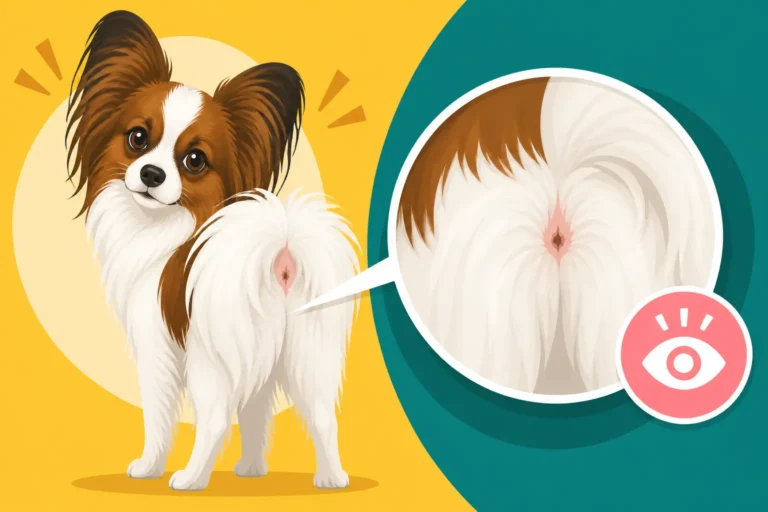
Another legitimate concern is maintaining hygiene, particularly around the sanitary areas and sometimes even the muzzle. Long hair around the anus can become soiled, leading to unpleasant messes and odors. Similarly, hair around the mouth and chin can collect food and moisture, which can be unsightly and, in some cases, lead to skin irritation. When you're constantly cleaning up after meal times or dealing with a messy potty break, a quick trim to these areas might seem like the most practical solution. While strategic, very minor trimming in the sanitary area is sometimes done by experienced groomers, a full body trim to address these issues generally isn't necessary and doesn't solve the underlying problem of needing to keep these areas clean. It's more about regular cleaning and smart management than an overall haircut.
Heat and Comfort Concerns
During hot summer months, many owners worry that their long-coated Papillon might be uncomfortable or even overheat. It’s a natural instinct to want to cool down a pet by shortening their hair, much like we might cut our own hair for summer. The thought is that less hair equals more airflow and better heat dissipation. While it's true that some double-coated breeds can benefit from a sanitary trim in extreme heat, a Papillon's single coat works differently. Their coat actually provides a degree of insulation against both heat and cold. It helps regulate body temperature by preventing direct sun exposure to the skin and trapping a layer of cooler air. Trimming it too short can expose their delicate skin to sunburn and actually make them more susceptible to overheating, as their natural cooling mechanism is disrupted. Whether a Papillon Feels the Cold also delves into their unique thermal regulation.
The Show Ring vs. Pet Life: Different Standards for a Papillon's Coat
When it comes to the Papillon's coat, there's often a bit of a divide between the expectations of the show ring and the practical realities of pet ownership. Understanding these differences can help you make informed decisions about your own Papillon's grooming.
The Breed Standard's Stance on Trimming
For anyone involved in showing Papillons, the breed standard is the ultimate rulebook. And when it comes to the coat, the standard is very clear: the Papillon should present a natural appearance, and artificial alteration of the coat, including trimming or clipping, is heavily penalized or even disqualifying in the show ring. The long, flowing fringes on the ears, the profuse culottes, and the magnificent tail plume are all essential elements of the breed's beauty as defined by the standard. Judges are looking for an untouched, natural coat that reflects the elegance and refinement of the Papillon. Any evidence of trimming—be it on the ears, feet, body, or tail—suggests that the dog does not meet the ideal presentation. This unwavering stance highlights how integral the natural coat is to the very identity of the breed.
Pet Owner Preferences and Practicality
Of course, most Papillons are beloved family companions, not show dogs. For pet owners, the priority isn't adhering to a strict breed standard, but rather ensuring their dog is comfortable, healthy, and easy to live with. This is where the desire for trimming often arises. A busy schedule might mean less time for daily brushing, making a shorter coat seem more manageable. A dog prone to rolling in mud might benefit from a tidier undercarriage. Pet owners are often looking for practical solutions that fit their lifestyle and their dog's individual needs. While the show ring forbids trimming, a pet owner might weigh the convenience and perceived comfort against the traditional look. It's a balance, and understanding the implications of trimming on the Papillon's specific coat type is key to making the right choice for your dog.
The Impact on Coat Health and Regrowth
It’s easy to think of hair as just… hair. But a Papillon's coat is a living thing, and how it grows back after trimming is a serious consideration. When you trim a Papillon's silky, single coat, especially with clippers, you often cut the hairs blunt. This can lead to a few issues:
- Texture Change: The beautiful, soft, silky texture can be lost. The new growth might come in coarser, or even appear fuzzy or woolly, a phenomenon sometimes called "clipper alopecia" if it becomes persistent. This altered texture is harder to maintain, as it can be more prone to matting than the original silky coat.
- Uneven Regrowth: The hair might not grow back evenly or to its original length in all areas. Some areas might take an exceptionally long time to grow back, or never quite regain their previous density and length.
- Protection Loss: As mentioned, the natural coat provides protection. When trimmed, the skin is more exposed to sun (risk of sunburn and skin cancer), insects, and environmental irritants. It also compromises their natural insulation.
Ultimately, while a trim might offer temporary relief from a tangled mess, the long-term impact on the Papillon's coat health and aesthetic can be significant and, in some cases, irreversible. It's truly a "use with caution" situation, especially with clippers.
Practical Alternatives to Trimming for Papillon Coat Care
The good news is that you don't have to sacrifice your Papillon's natural beauty for practicality. There are plenty of effective, breed-appropriate grooming techniques that will keep their coat in pristine condition without resorting to a trim.
The Art of Regular Brushing
This is the cornerstone of Papillon coat care. Regular, thorough brushing is the single most effective way to prevent mats, remove loose hair, and keep their coat healthy and shiny. For most Papillons, brushing a few times a week is sufficient, but those with very full coats or who are particularly active might benefit from daily attention, especially in high-friction areas like behind the ears or under the legs. You’ll want to use a pin brush and a good quality metal comb. The pin brush glides through the coat, detangling and distributing natural oils, while the comb is essential for carefully working through any smaller tangles and ensuring you've reached down to the skin.
When brushing, always work in layers, gently lifting the top coat to brush the hair underneath. Pay special attention to those longer fringes and culottes. A detangling spray can be your best friend here, making the job much easier and preventing breakage. You can find excellent brushes and combs on platforms like Amazon or Chewy, making it easy to get the right tools. Remember, prevention is far easier than trying to remove a deeply set mat. How Long a Papillon Takes to Brush can help you set realistic expectations for your grooming routine.
Strategic Bathing and Drying Techniques
Bathing a Papillon isn't just about getting them clean; it's an opportunity to ensure their coat remains healthy and manageable. How you bathe and, crucially, how you dry them, plays a huge role in preventing mats and maintaining their silky texture.
Firstly, always brush your Papillon before bathing to remove any existing tangles. Water will only tighten mats, making them nearly impossible to remove without cutting. Use a high-quality dog shampoo and conditioner, designed for long, silky coats. Rinse thoroughly to ensure no residue is left behind, as this can cause skin irritation and make the coat feel sticky.
The drying process is where many owners make mistakes that can lead to matting. Never let a Papillon air dry completely, especially if their coat is long. As the hair dries, it can clump and form tangles. Instead, gently towel dry to remove excess water, then use a dog-specific blow dryer on a cool or low heat setting. As you blow dry, brush the coat in the direction of hair growth. This helps the coat lie flat, prevents tangles, and encourages that beautiful, flowing appearance. A good blow dryer from Chewy can make a huge difference in drying time and coat quality. How to Dry a Papillon offers more in-depth advice on this.
Targeted Hygiene Maintenance
While a full-body trim is generally not recommended, targeted hygiene maintenance is a practical and acceptable alternative for Papillons. This involves very minor trimming or neatening in specific areas to ensure cleanliness and comfort.
- Sanitary Trim: This is a small trim of the hair around the anus and sometimes the vulva/penis area. It involves carefully using blunt-nosed scissors to shorten only the few inches of hair that are most likely to become soiled. This is a practical measure for cleanliness and does not affect the overall look of the coat.
- Paw Pad Trim: Hair can grow quite long between a Papillon's paw pads. This can collect dirt, debris, and even ice in winter, and can also reduce traction on smooth floors. A careful trim of the hair flush with the paw pads helps keep their feet clean and prevents slipping.
- Eye Area Neatening: Occasionally, a few wispy hairs might grow into a Papillon's eyes, causing irritation. These can be very carefully trimmed with blunt-nosed scissors, ensuring you only remove what is truly irritating the eye, without altering the facial furnishings.
These targeted trims are minimal and functional, addressing specific hygiene concerns without compromising the integrity or appearance of the Papillon's natural coat. They are best performed by an experienced groomer or by owners who are confident and have the right tools.
When a Trim Might Be Considered (and the Risks Involved)
While the general rule for Papillons is "no trimming," there are a few very specific, rare situations where some form of coat shortening might be considered. Even in these cases, it's vital to understand the potential risks and to consult with a veterinary professional or experienced groomer.
Medical Necessities and Veterinary Care
Sometimes, health truly comes before aesthetics. There are instances where a Papillon's coat might need to be trimmed or shaved for medical reasons.
- Surgery: If your Papillon needs surgery, especially in an area with dense hair, the veterinary team will almost certainly shave the area to ensure a sterile field. This is non-negotiable for the dog's safety during the procedure. The hair will grow back, though it might take time and the texture could initially be different.
- Severe Matting: In extreme cases of matting, where the mats are so tight and extensive that they are pulling on the skin, causing pain, or even restricting movement, professional shaving by a groomer or vet might be the only humane option. This usually happens when a dog has been neglected or has developed mats despite the owner's best efforts. Attempting to de-mat severe tangles can be agonizing for the dog and may damage the skin. In such instances, a full shave is a fresh start for the coat and the dog's comfort.
- Skin Conditions: Certain skin conditions might require the coat to be very short or shaved to allow for topical treatments to be applied effectively, or to allow the skin to heal and breathe.
These are not elective trims; they are interventions for the dog's health and well-being. Always consult with your veterinarian if you believe a medical trim is necessary.
Comfort Clips in Extreme Cases (with caveats)
In extremely rare circumstances, usually involving very elderly or infirm Papillons who cannot tolerate regular grooming, or live in exceptionally hot and humid climates, a very light "comfort clip" might be considered. This is not a full shave, but rather a slight shortening of the body hair, often with a longer guard comb, to make them more comfortable.
However, this comes with significant caveats:
- Risk of Sunburn: Even a light clip exposes the skin more, increasing the risk of sunburn, especially in dogs with lighter coat colors or sparse hair. Sun protection, such as canine-specific sunblock or protective clothing, would become essential.
- Altered Coat Texture: As discussed, even light trimming can change the coat texture, making it coarser or more prone to static and matting upon regrowth. The luxurious feel and look can be lost.
- Limited Cooling Benefit: For Papillons, whose single coat already breathes well, the actual cooling benefit of a light trim is often minimal, and sometimes even counterproductive, as it removes the natural barrier against the sun.
This is a decision that should be made in careful consultation with a trusted, experienced groomer who understands Papillon coats, and perhaps your vet. It's truly a last resort, not a routine practice.
The "Puppy Cut" Debate
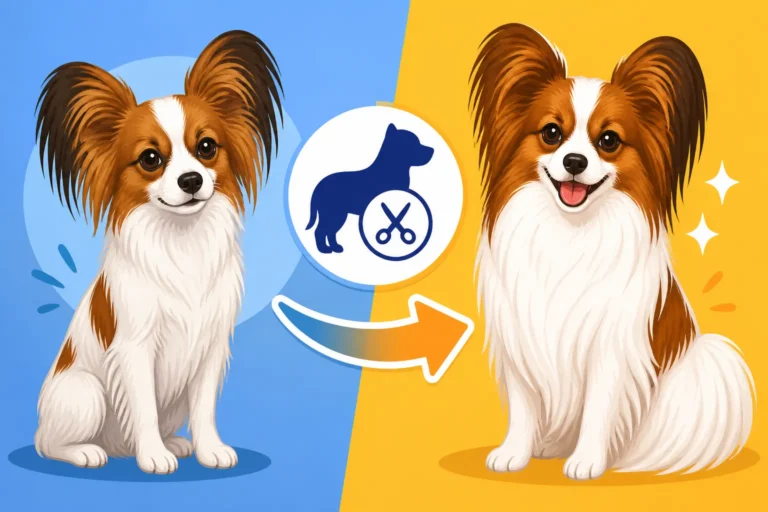
The "puppy cut" is a popular style for many long-haired breeds, where the coat is cut to a uniform short length all over, giving the dog a perpetually youthful, fluffy look. For some breeds, this is a perfectly acceptable and adorable option. However, for a Papillon, the "puppy cut" is generally not recommended for several reasons.
Firstly, it completely alters the distinctive appearance of the breed, removing those iconic fringes and plumes that give the Papillon its name and character. A Papillon in a puppy cut often looks like a generic small fluffy dog, losing its unique silhouette.
Secondly, and more importantly, it can negatively impact the coat's health and future growth. The Papillon's silky single coat is not designed to be cut short uniformly. As mentioned, cutting it blunt can cause it to grow back with a different texture – often coarser, thicker, and more prone to matting. This new texture can then become even more challenging to brush and maintain than the original long coat, creating a vicious cycle where owners feel they have to keep cutting it shorter. It also removes the protective qualities of their natural coat.
While the idea of a perpetually cute "puppy look" is appealing, it's generally at odds with the natural characteristics and health of a Papillon's coat.
Living with a Long-Coated Breed: Embracing the Papillon's Natural Beauty
Choosing to share your life with a Papillon means embracing their distinctive features, and their magnificent coat is certainly one of them. While it requires a commitment to regular care, the rewards of a healthy, natural coat are immense.
Embracing the Natural Look
There's an undeniable elegance to a Papillon with a full, natural coat. The way the ear fringes frame their alert expression, the bounce in their plumed tail as they prance, the flow of their culottes as they dart across the room – these are all part of the Papillon's unique charm and grace. By resisting the urge to trim, you allow your Papillon to express its truest self, showcasing the breed's beauty as it was intended. It’s a statement of respect for their heritage and a celebration of their unique visual appeal. This natural look, well-maintained, is truly a sight to behold and draws admiring glances wherever you go.
Building a Consistent Grooming Routine
The key to successfully managing a Papillon's long coat without trimming is consistency. It’s not about grand, hours-long grooming sessions once a month, but rather short, regular sessions incorporated into your weekly routine.
- Daily or Every Other Day Brushing: A quick 10-15 minute session with a good pin brush and comb, focusing on high-friction areas, can prevent mats before they even start. Make it a bonding experience, perhaps while you're watching TV. Why a Papillon's Long Coat Takes Twenty Minutes a Week isn't just a catchy phrase; it's a realistic time commitment for consistent care.
- Regular Baths: Every 2-4 weeks, depending on your Papillon's activity level, a bath with quality shampoo and conditioner, followed by proper blow-drying, will keep their coat clean, soft, and less prone to matting.
- Targeted Checks: Make it a habit to quickly check behind the ears, under the armpits, and in the culottes for any budding tangles every day. A quick spritz of detangler and a gentle comb-through can save you a lot of trouble later.
- Professional Help: Consider occasional visits to a professional groomer who specializes in Papillons or toy breeds. They can help with thorough brushing, bathing, nail trims, and those essential sanitary and paw pad trims, ensuring your dog looks impeccable. Many wonderful grooming products, from detangling sprays to gentle shampoos, are readily available through retailers like Chewy or Amazon, making regular care easier. Ensuring your Papillon is on a high-quality diet, perhaps from a brand like Ollie, can also contribute to coat health from the inside out, making it easier to maintain that silky texture.
The Joy of a Well-Maintained, Untrimmed Papillon
There’s a profound satisfaction that comes from seeing your Papillon’s coat in its full, natural splendor, healthy and free of mats. It reflects the care and dedication you've invested in their well-being. A well-maintained, untrimmed coat isn't just about looking good; it's about comfort for your dog, proper insulation, and protection for their skin. It showcases the breed’s characteristic elegance and intelligence, allowing their true butterfly charm to shine through. While the journey of managing a long coat without trimming requires commitment, the result is a happy, comfortable, and breathtakingly beautiful Papillon that truly embodies the spirit of its breed.
Here's a quick comparison to help solidify the benefits of maintaining your Papillon's natural coat:
| Feature | Natural Coat Maintenance (Recommended) | Trimming/Clipping (Generally Not Recommended) |
|---|---|---|
| Appearance | Preserves iconic ear fringes, tail plume, and elegant silhouette. | Loses distinctive breed characteristics; often looks generic. |
| Coat Health | Maintains natural silky texture; less prone to matting long-term. | Can lead to coarser, duller, or fuzzy texture; potentially irreversible. |
| Protection | Provides natural insulation against heat/cold; protects skin from sun. | Reduces insulation; increases risk of sunburn and exposure. |
| Maintenance | Requires consistent brushing (daily/few times a week) and regular baths. | May seem easier initially, but new growth can be harder to manage/mat more. |
| Shedding | Manages year-round light shedding effectively with brushing. | Does not stop shedding; sheds shorter, blunt hairs. |
| Show Ring | Essential for conformation showing; aligns with breed standard. | Disqualifying in the show ring; alters natural presentation. |
Disclaimer
This article is for general informational purposes only and does not constitute professional advice. Laws, prices and regulations vary by location and change over time. Consult a qualified professional for guidance on your specific situation.