Whether a Papillon With Von Willebrand Can Be Spayed
Spaying a Papillon with Type 1 Von Willebrand Disease safely requires understanding genetic DNA tests and bleeding risks.
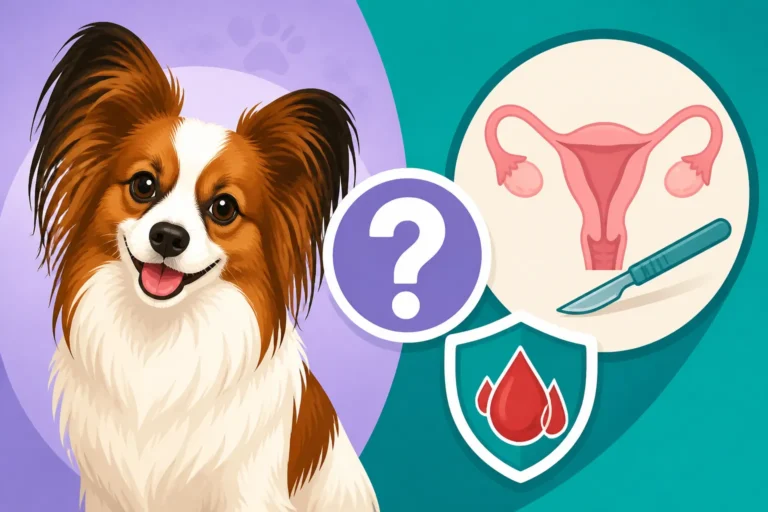
Spaying a Papillon with Type 1 Von Willebrand Disease safely requires understanding genetic DNA tests and bleeding risks.

Von Willebrand testing for Papillons helps identify inherited bleeding disorders before routine veterinary surgeries and procedures cause complications.
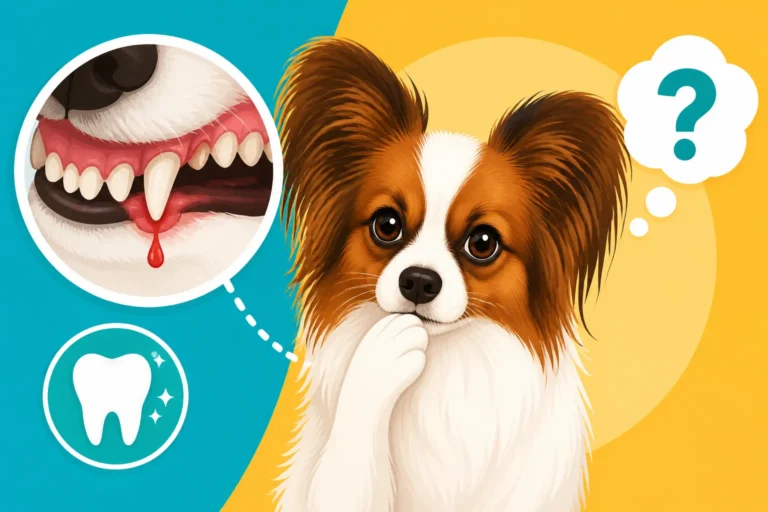
Papillon post-dental bleeding details show the difference between normal minor oozing and concerning blood after cleanings and extractions.
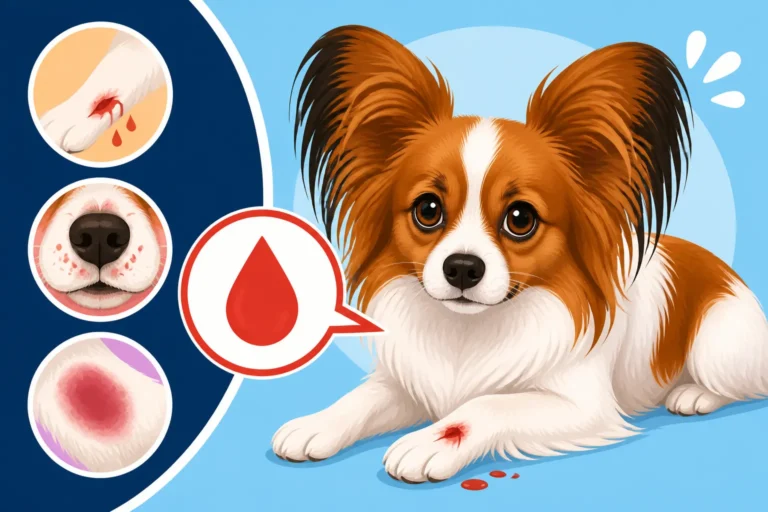
Papillon easy bleeding signs include prolonged cuts, spontaneous bruises, and petechiae requiring prompt veterinary care.
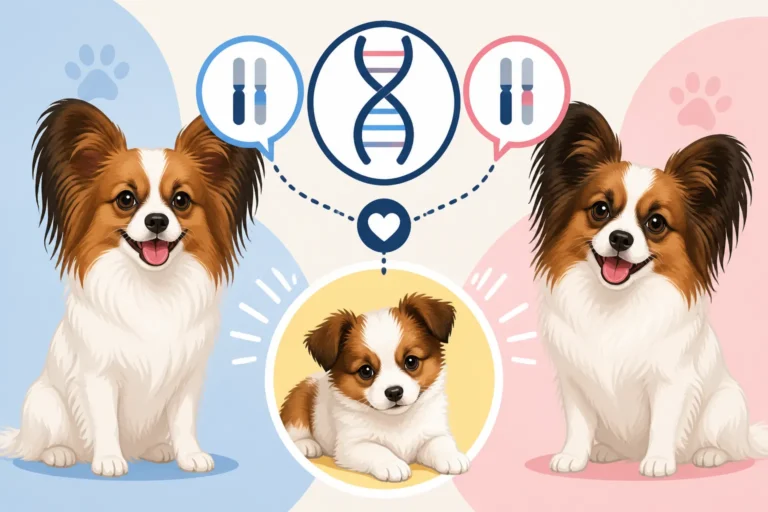
Breeding two carrier Papillons produces an affected puppy with recessive genetic conditions like PRA1 and neuroaxonal dystrophy.

Neuroaxonal Dystrophy in Papillons is a fatal inherited neurological disorder, and responsible breeding practices may eradicate it.
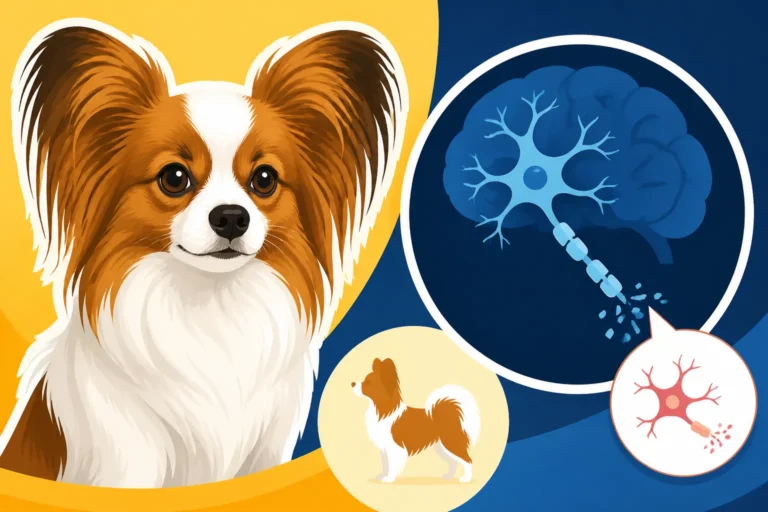
Neuroaxonal Dystrophy in Papillons is a rare progressive genetic disorder causing severe neurological symptoms in young puppies.
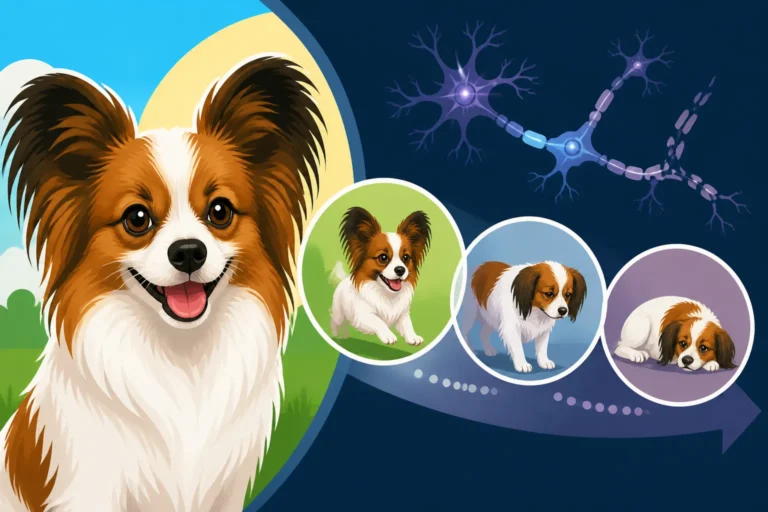
Neuroaxonal Dystrophy in Papillon puppies is a progressive, fatal genetic neurological disorder starting between three and twelve months.
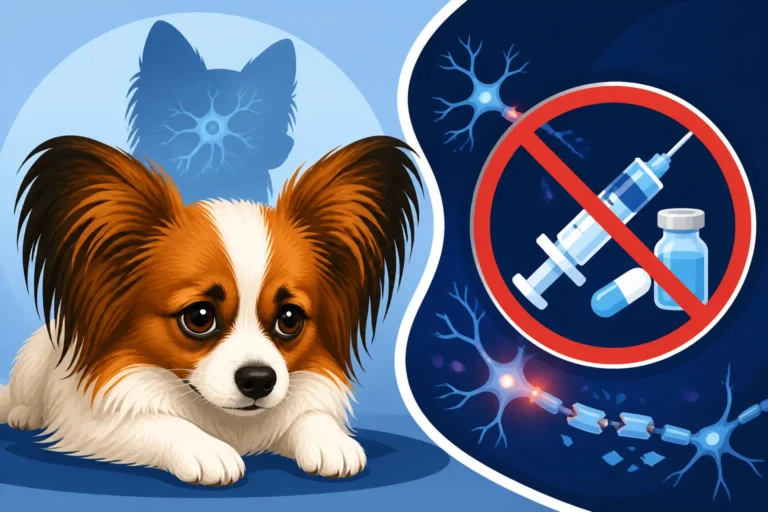
Neuroaxonal dystrophy in Papillons lacks medical treatments because axon degeneration and nervous system damage cannot currently be reversed.
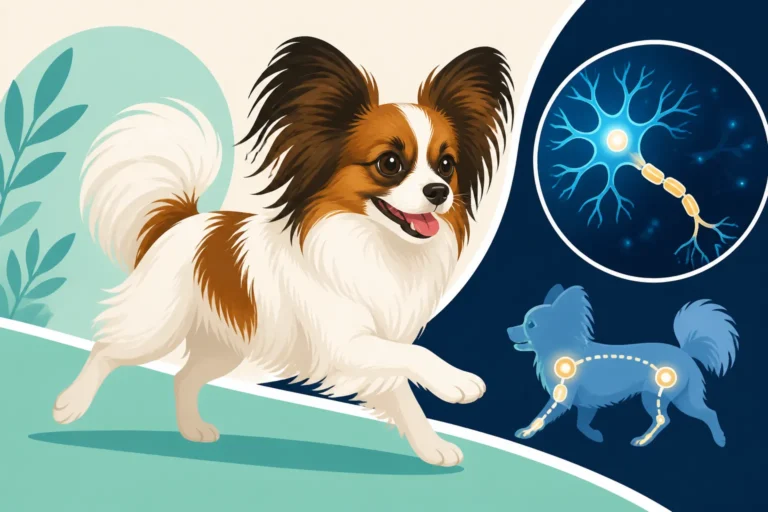
Papillon movement with neuroaxonal dystrophy involving axon degeneration, balance loss, and early gait changes at six months.