Why a Five Pound Papillon Is Harder to Anesthetize
Anesthesia risks for a five pound Papillon include precise drug dosage needs, rapid body temperature loss, and a high metabolic rate.
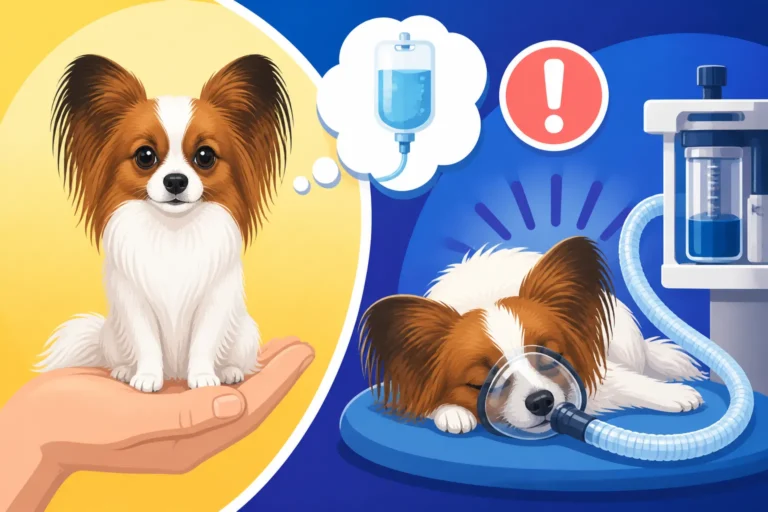
Anesthesia risks for a five pound Papillon include precise drug dosage needs, rapid body temperature loss, and a high metabolic rate.

Papillon heart health checks, mitral valve disease risks, and when senior dogs aged seven to ten need veterinary cardiac exams.

Papillons have a genetic predisposition to mitral valve disease, a slow degenerative condition causing backward blood flow.

Papillon heart murmurs indicate turbulent blood flow and are categorized using a six-grade intensity scale from soft to loud.

Papillon puppy bile acid testing helps detect portosystemic shunts, a congenital liver condition causing toxin buildup and health problems.
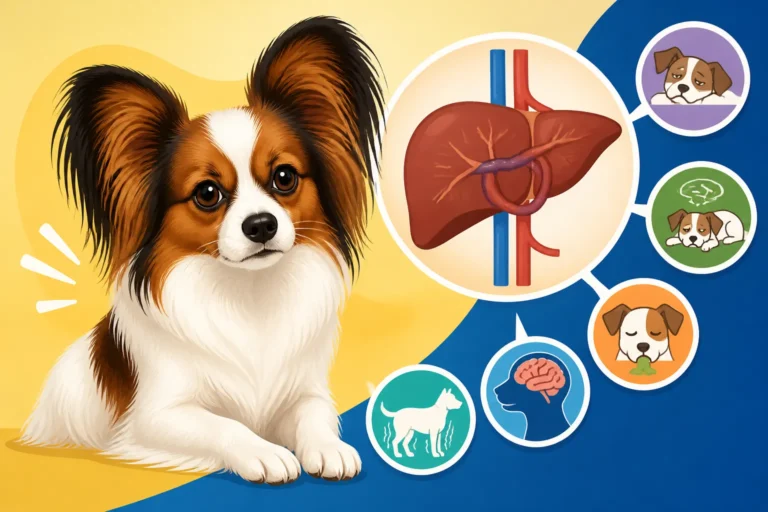
Papillon liver shunt symptoms include small size, post-meal behavioral changes, and seizures caused by abnormal blood vessels bypassing the filtration system.

Papillon puppies typically outgrow the severe risk of low blood sugar around 12 to 16 weeks of age, or at four to five pounds.

Papillon puppy overnight feeding schedules prevent life threatening hypoglycemia caused by high metabolism and immature bodies.

Hypoglycemia in Papillon puppies causes dangerous blood sugar drops. This text explains emergency sugar treatments and prevention.

Hypoglycemia in Papillon puppies causes low blood sugar, severe weakness, and seizures, requiring early detection and frequent feedings.