How Common Patellar Luxation Is in Papillons
Patellar luxation in Papillons causes the kneecap to slip, and this condition is classified into four distinct severity grades.
Know what to watch for.
Breed-specific conditions, screening and DNA tests, what surgery actually costs, and the daily habits that stretch a healthy lifespan.
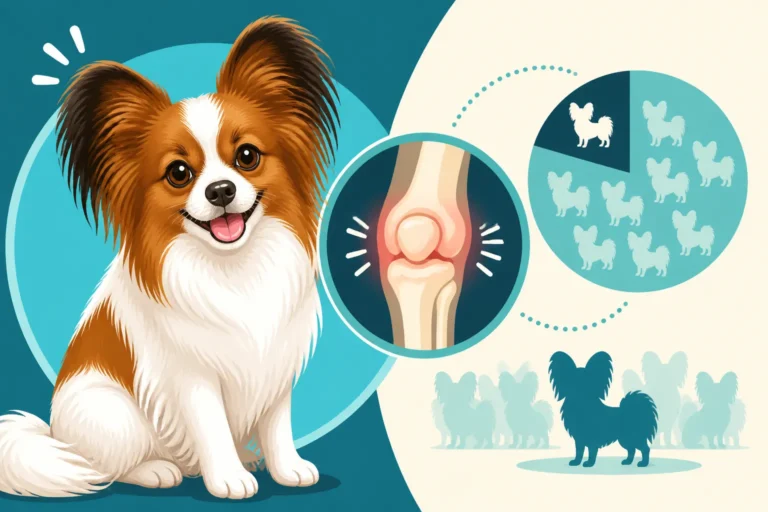
Patellar luxation in Papillons causes the kneecap to slip, and this condition is classified into four distinct severity grades.
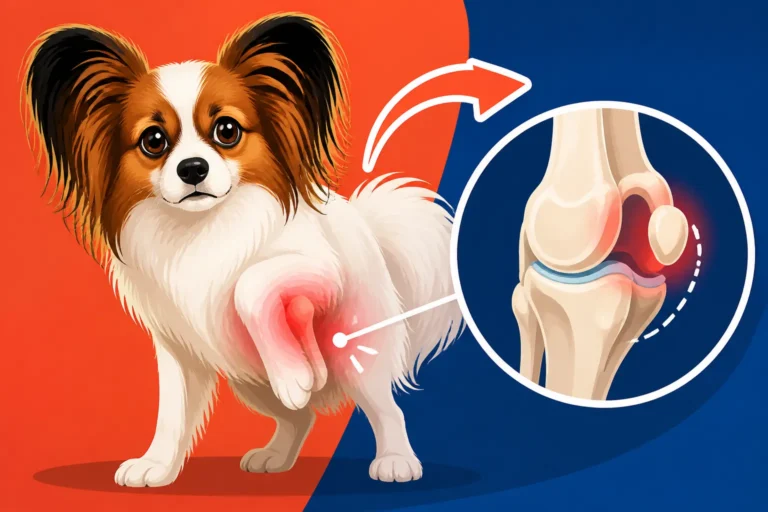
Patellar luxation in Papillons causes kneecap misalignment and mobility problems due to a shallow groove in the femur and bone structure abnormalities.
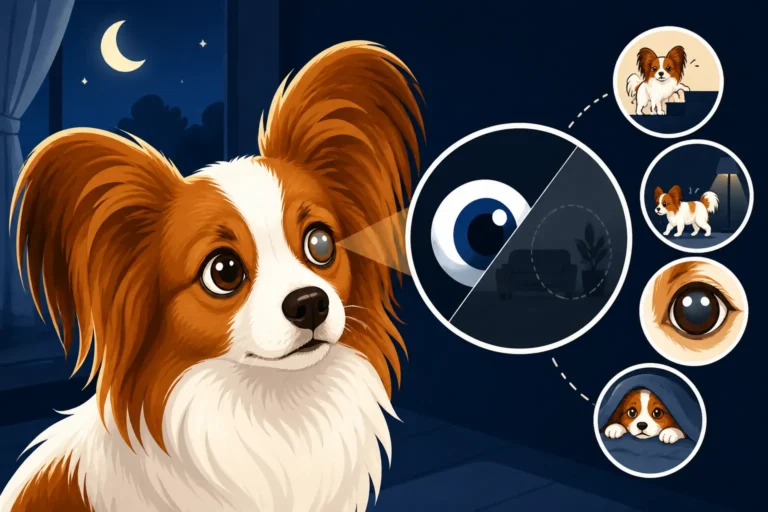
Papillon night vision loss often stems from Progressive Retinal Atrophy PRA1, a hereditary disorder linked to a CNGB1 gene mutation.

Progressive Retinal Atrophy in Papillons causes gradual vision loss and eventual total blindness from genetic photoreceptor degeneration.

The DNA test for Progressive Retinal Atrophy in Papillons detects the inherited genetic mutation causing progressive blindness.
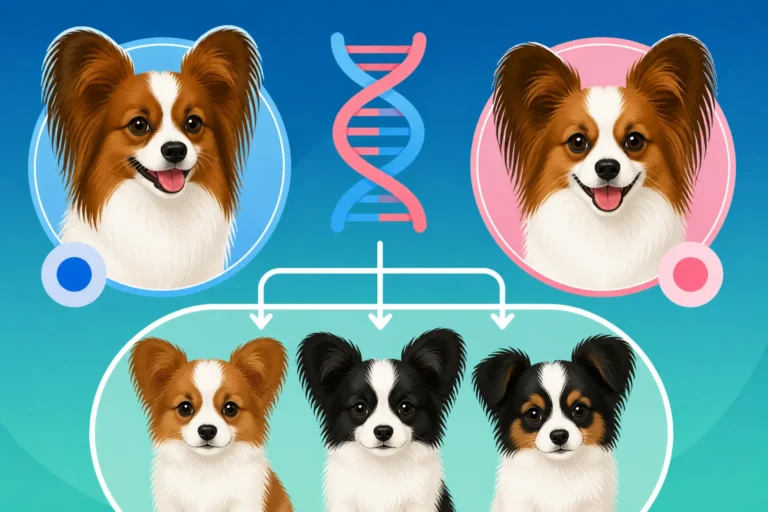
Progressive Retinal Atrophy Type 1 inheritance in Papillons explains the CNGB1 gene mutation causing retinal rod cell degeneration and blindness.
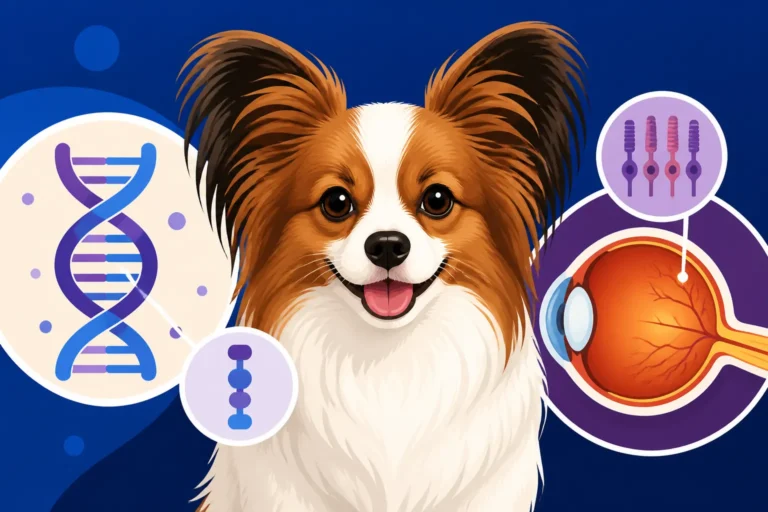
Progressive Retinal Atrophy in Papillons stems from the PRA1 gene, causing rod cell degeneration and early onset night blindness at eighteen months.

Progressive Retinal Atrophy type 1 in Papillons typically starts causing initial symptoms like night blindness in early to mid-adulthood.
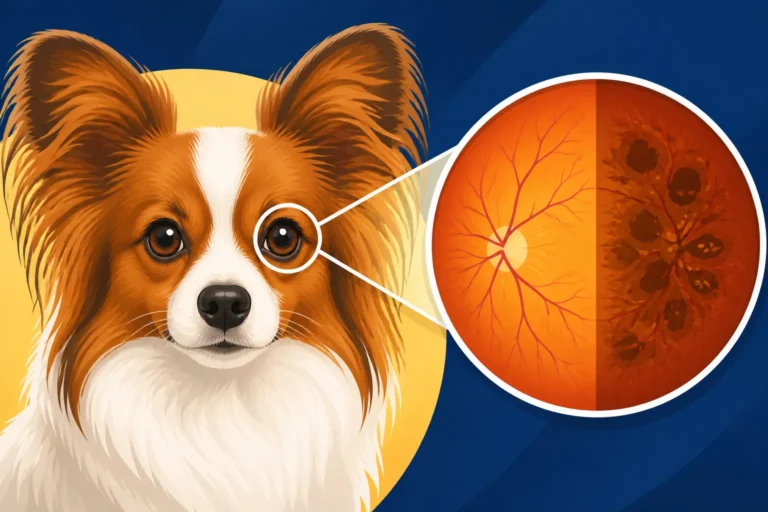
Progressive retinal atrophy type 1 causes rods and cones in a Papillon retina to malfunction and die, leading to total blindness.

The average Papillon lifespan is thirteen to fifteen years, and healthy dogs often reach sixteen, seventeen, or eighteen years old.