Whether a Papillon Retains Its Baby Teeth
Retained baby teeth in Papillon puppies happen when deciduous teeth fail to fall out properly, causing crowded permanent teeth.
Know what to watch for.
Breed-specific conditions, screening and DNA tests, what surgery actually costs, and the daily habits that stretch a healthy lifespan.
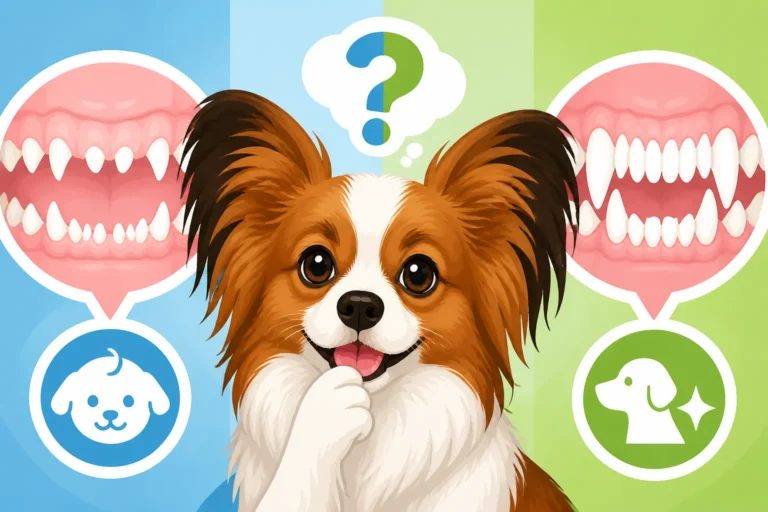
Retained baby teeth in Papillon puppies happen when deciduous teeth fail to fall out properly, causing crowded permanent teeth.
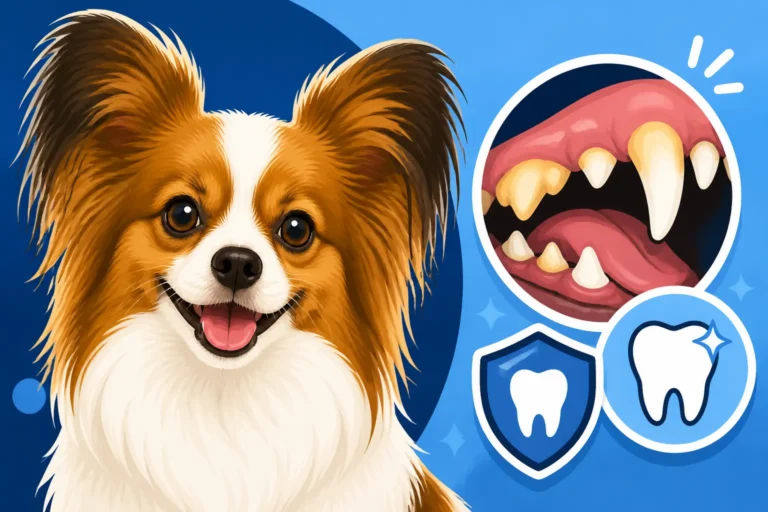
Dental disease in Papillons, caused by small mouths and overcrowding, affects many dogs under twenty five pounds by age three.

Pre-surgical testing for a Papillon helps veterinarians manage anesthesia risks, temperature regulation, and breed-specific health issues.
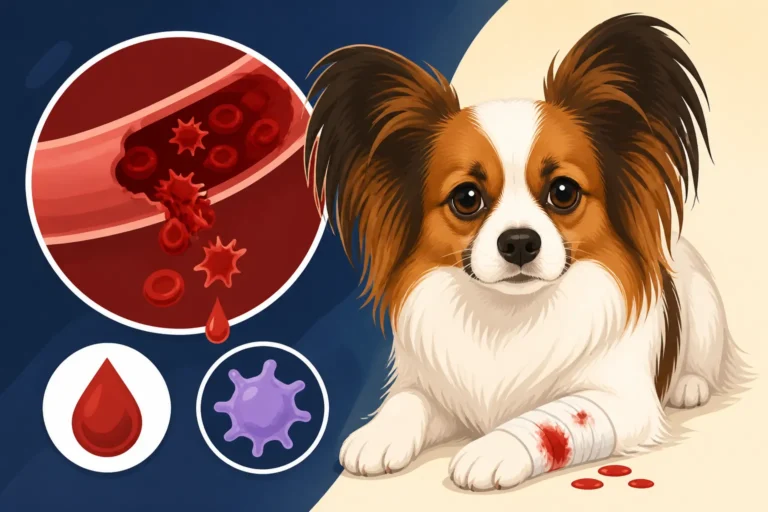
Von Willebrand Disease in Papillons is a hereditary protein deficiency that stops platelets from forming proper blood clots.
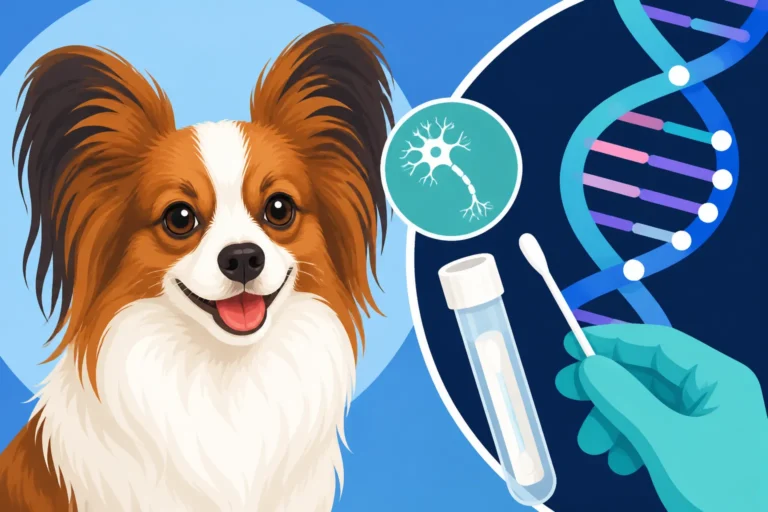
Papillon neuroaxonal dystrophy is a genetic neurological disease causing motor decline in young puppies, diagnosed via DNA testing.
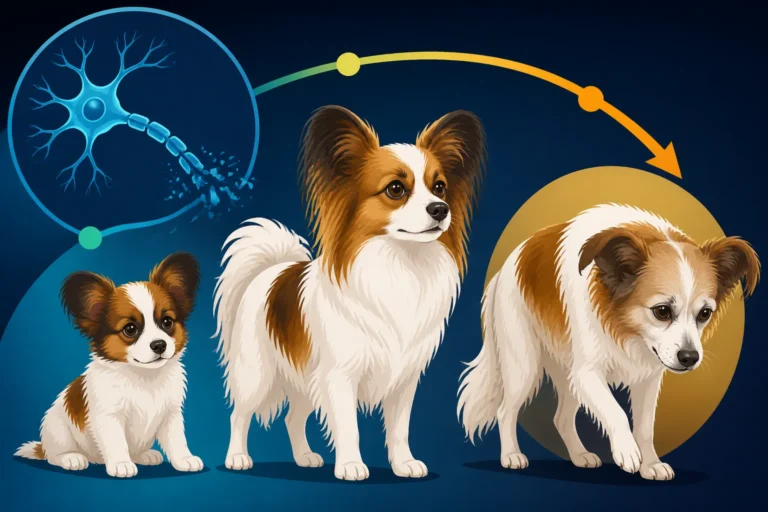
Neuroaxonal Dystrophy in Papillons is an inherited neurological disorder that typically begins to show initial symptoms during puppyhood.
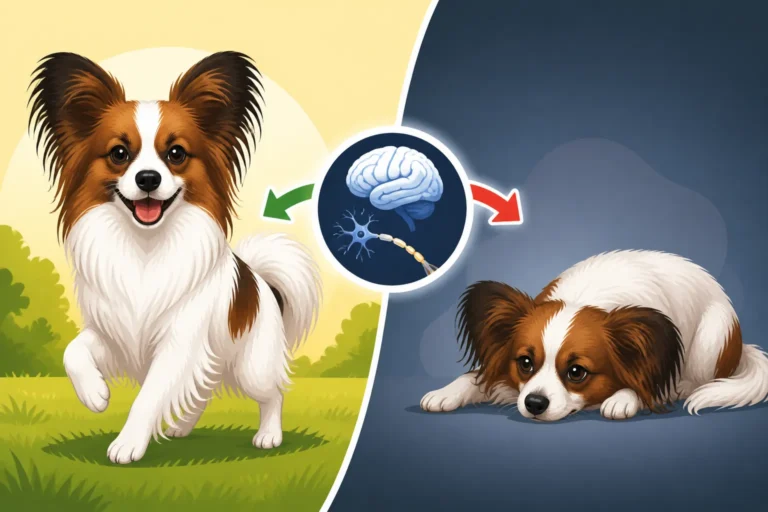
Neuroaxonal Dystrophy in Papillons is an inherited neurological disorder that damages axons and worsens coordination over time.
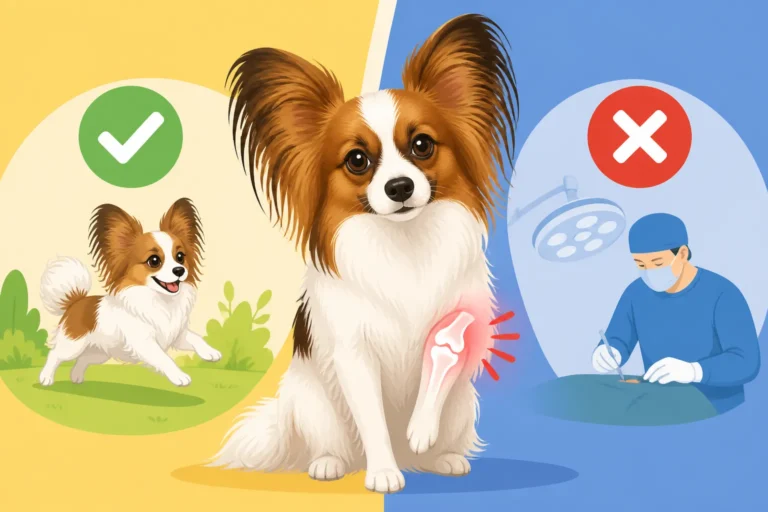
Patellar luxation in Papillons causes slipping kneecaps. This explains the four grades of severity and surgical treatment.
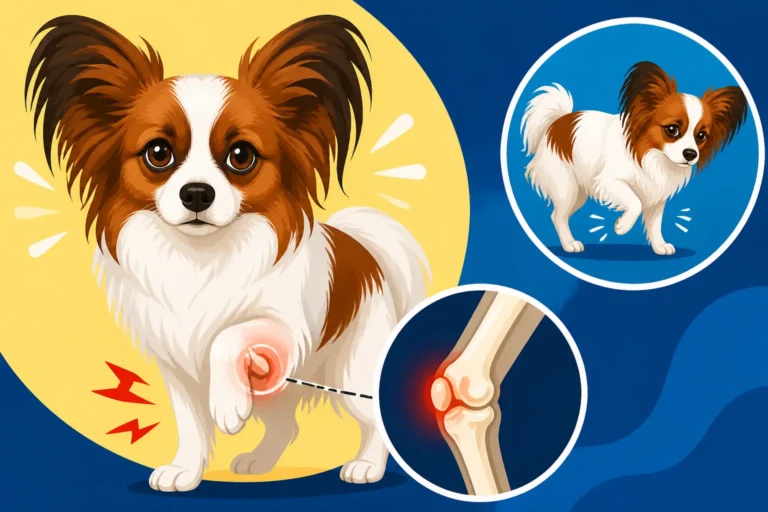
Patellar luxation in Papillons causes temporary hind leg hopping, awkward steps, and early signs of a slipping kneecap requiring veterinary advice.
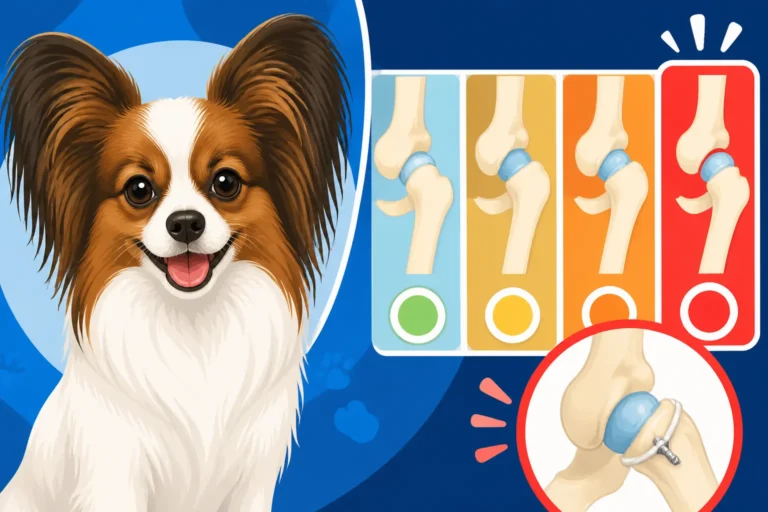
Patellar luxation grades in Papillons explain when surgical intervention becomes necessary to fix slipping kneecaps.