Where a Papillon Gets Injured in Agility
Papillon agility injury risks, joint stress, and knee problems explained with prevention methods and conditioning advice.
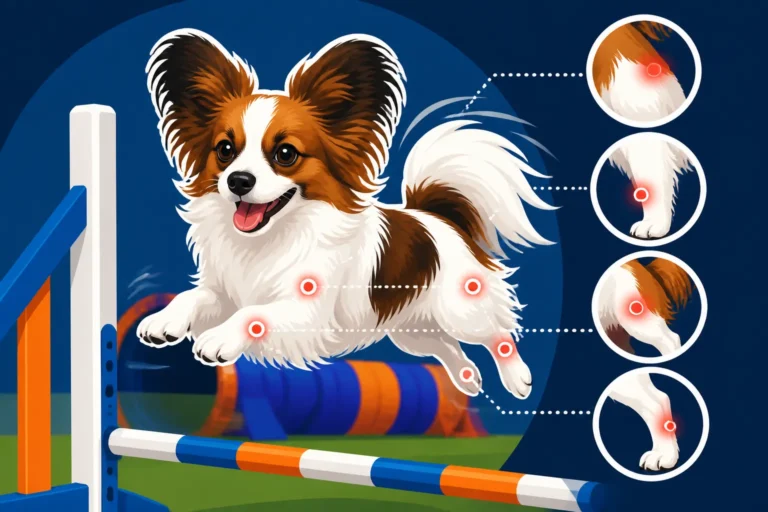
Papillon agility injury risks, joint stress, and knee problems explained with prevention methods and conditioning advice.
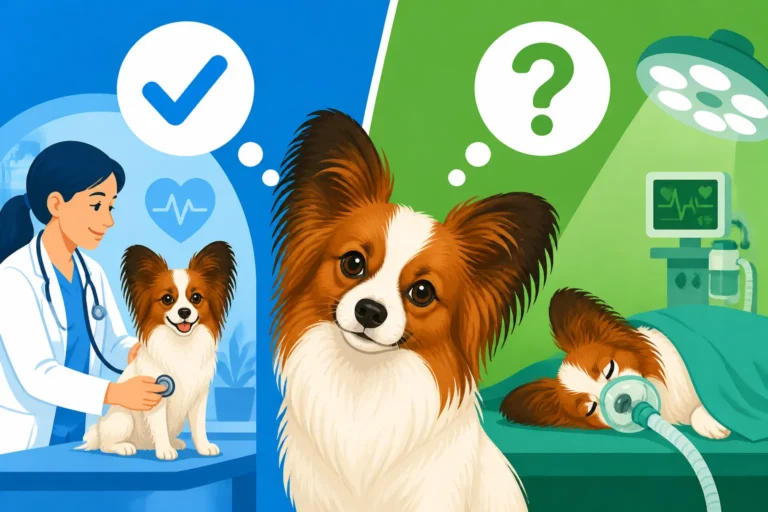
Pre-anesthetic exams and health evaluations protect small Papillons from surgery risks by identifying hidden heart or kidney issues.
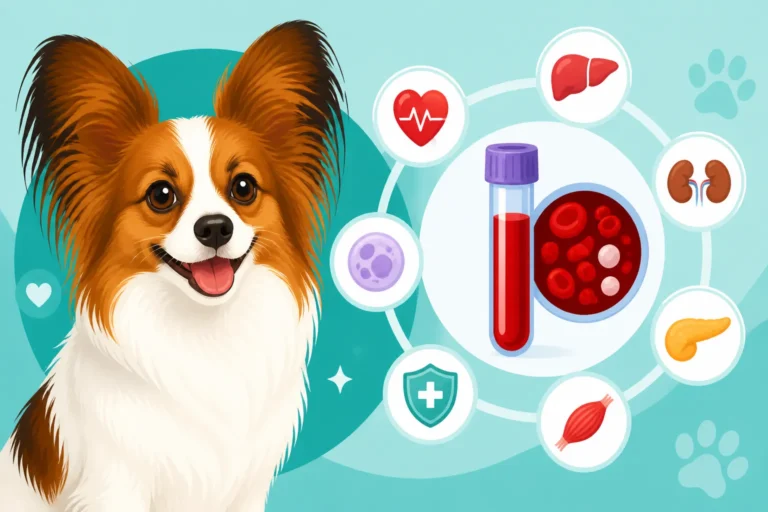
Annual bloodwork for a Papillon covers a complete blood count assessing red blood cells, white blood cells, and platelets.
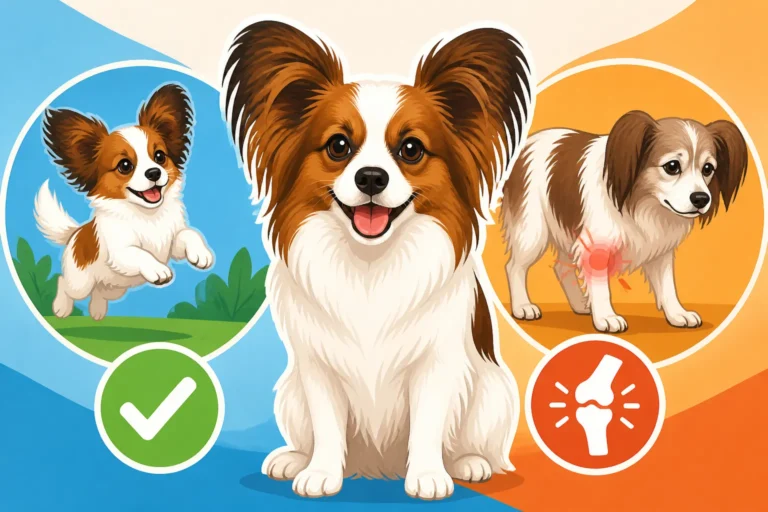
Patellar luxation in aging Papillons can worsen over time, potentially leading to osteoarthritis and increased joint instability.

Follicular dysplasia causes weak hair, hair loss, and skin scaling because genetic developmental abnormalities compromise canine hair follicles.
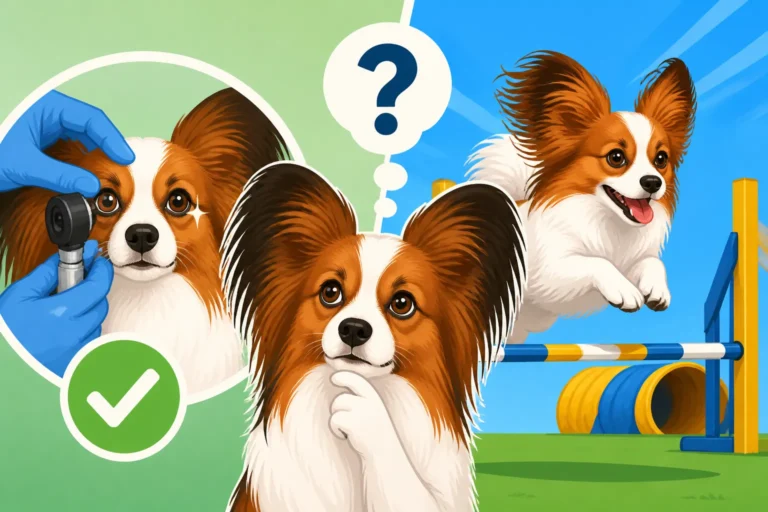
Papillon eye examinations before agility training prevent injuries by ensuring dogs possess sharp vision for fast obstacle navigation.
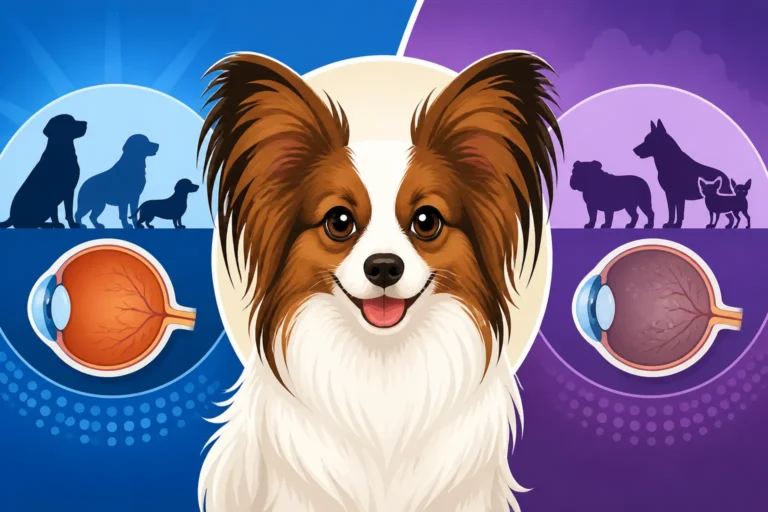
Papillon progressive retinal atrophy differs from other breeds through a specific CNGB1 gene mutation causing early night blindness.
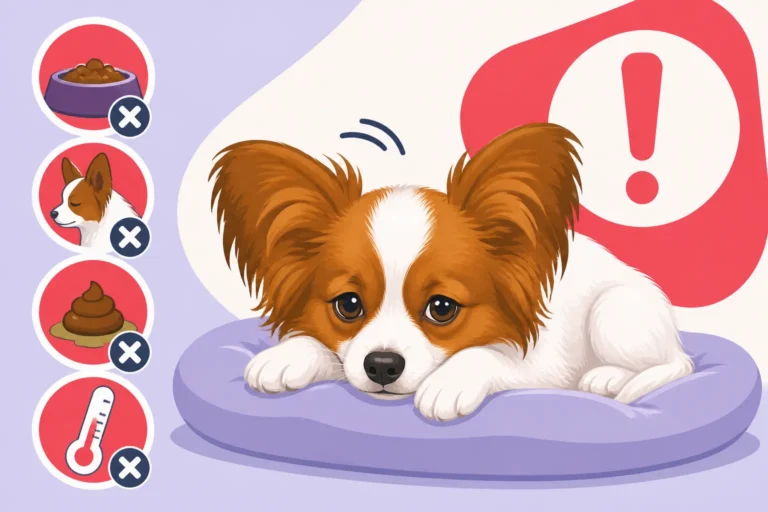
Papillon puppy weight loss and low daily energy indicate a young dog is failing to grow properly and needs urgent veterinary care.

Weekly Papillon puppy weigh-ins provide objective health data, track growth milestones, and help detect issues like hypoglycemia early.

A Papillon silky coat hides weight loss, so owners must feel ribs and hips with hands to find subtle body changes.