How Often a Papillon Puppy Should Be Fed
One of the most common worries for new Papillon puppy parents is whether they're feeding their tiny bundle of joy enough, or perhaps too much, and how often. It’s a genuine concern, especially with such a petite breed that can be prone to low blood sugar if not managed correctly. This guide aims to clear up all those questions, providing a detailed breakdown of how to properly nourish your growing Papillon puppy from their first weeks home through their transition into adulthood.
Understanding the Unique Needs of a Papillon Puppy
Bringing home a Papillon puppy means welcoming a miniature dynamo, full of zest and curiosity, but also with some very specific physiological considerations. Their small size isn't just about being cute; it dictates much of their care, especially when it comes to nutrition. You can't just feed a tiny dog like a scaled-down larger breed; their metabolism and energy requirements are quite different.
Why a Small Breed Puppy Has Different Nutritional Needs
Small breed puppies like Papillons have incredibly fast metabolisms. This means they burn through calories at a much higher rate than their larger counterparts. Think of it like a hummingbird versus an eagle – the little bird needs constant fuel to maintain its high energy output. For a Papillon puppy, this translates to needing nutrient-dense food delivered frequently throughout the day. Their tiny stomachs also mean they can't hold a large volume of food at once, making smaller, more frequent meals absolutely essential. Their rapid growth rate, though they don't get very big, demands a consistent supply of protein, fats, and essential vitamins and minerals to develop strong bones, muscles, and a healthy immune system. How Small a Papillon Puppy Is at Eight Weeks truly puts into perspective just how delicate these little guys are when they first come home.
The Risk of Hypoglycemia in Papillon Puppies
This is perhaps the most critical difference. Hypoglycemia, or low blood sugar, is a very real and dangerous threat for toy breed puppies, especially those under four or five months of age. Their small bodies have limited reserves of glycogen (stored sugar), and if they go too long without food, or if they expend too much energy, their blood sugar can plummet. This can happen quickly and without much warning. Symptoms can range from lethargy and weakness to disorientation, trembling, and in severe cases, seizures and coma. It’s why consistent feeding is not just about growth, but about life itself. Knowing Signs a Papillon Puppy Has Low Blood Sugar is paramount for any owner. This isn't just a guideline; it's a foundational principle of Papillon puppy care.
Growth Spurts and Energy Levels
Even though Papillons are small, they go through intense growth spurts in their first year. You might wake up one morning and swear your puppy grew overnight! These periods of rapid development, coupled with their naturally high energy levels – seriously, these dogs are perpetual motion machines – demand a constant supply of calories. They are always exploring, playing, and learning, which burns a lot of energy. If their nutritional intake doesn't match their output, they can quickly fall behind in their development or become susceptible to issues like hypoglycemia. Their little brains are also working overtime, absorbing everything around them, and that also requires significant energy.
Establishing a Proper Feeding Schedule
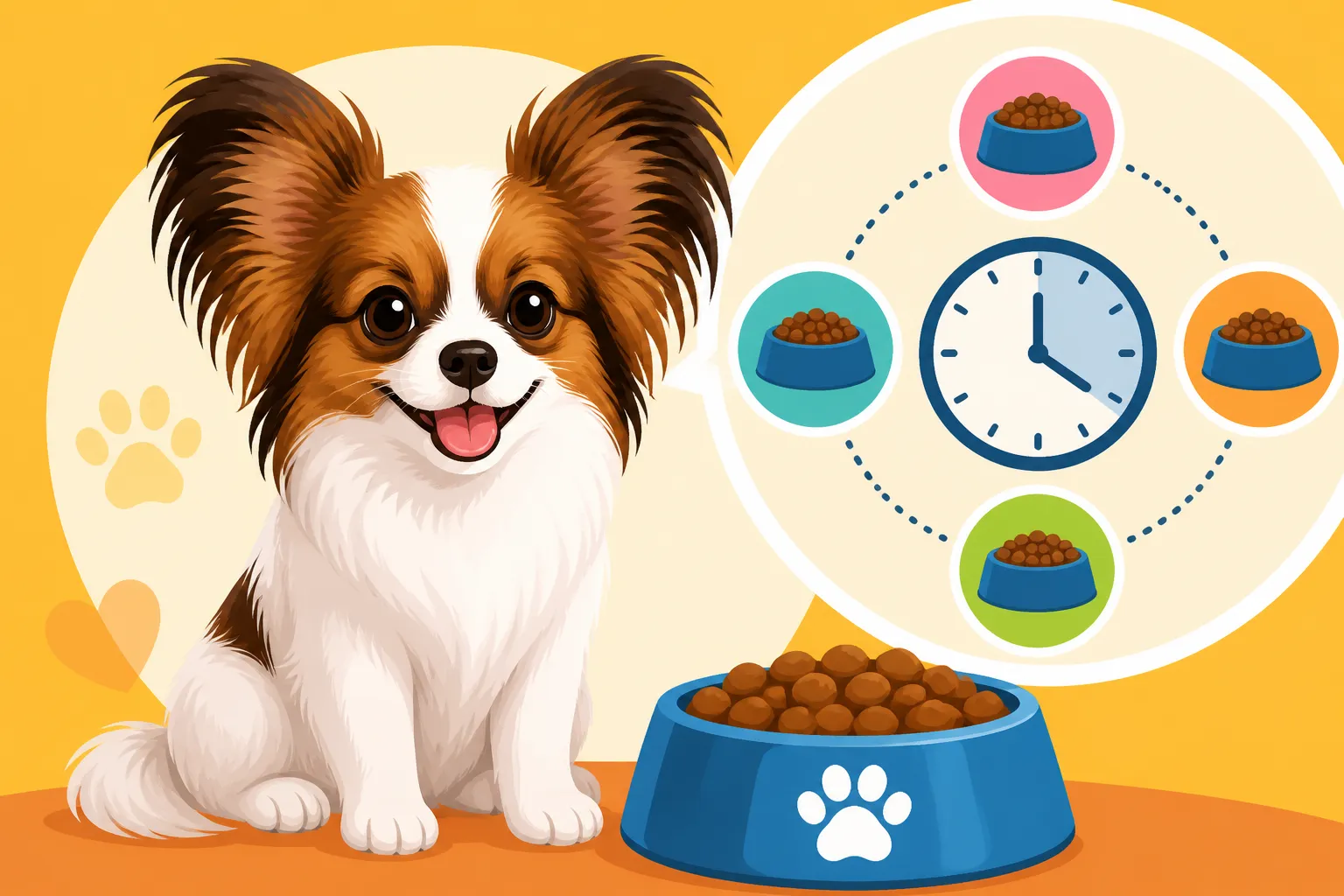
The key to preventing issues like hypoglycemia and ensuring steady growth is a strict, consistent feeding schedule. Forget free-feeding during these crucial early months; measured meals at regular intervals are the way to go. It might seem like a lot of work, but establishing this routine early on benefits both you and your puppy.
Recommended Feeding Frequency by Age
The younger your Papillon puppy, the more frequently they need to eat. This is non-negotiable for their health and safety.
- 8 to 12 Weeks Old: This is the most critical period. Your puppy should be eating 4 to 5 small meals a day. Think of it as breakfast, lunch, dinner, and a couple of snacks in between. If your puppy is particularly tiny, or if they seem prone to sluggishness, an extra small meal or a dab of high-calorie nutritional paste can be a lifesaver. This frequency helps keep their blood sugar stable and fuels their rapid development. Some even suggest Whether a Papillon Puppy Should Be Fed Overnight for very young or particularly small puppies to bridge the long hours of darkness.
- 12 Weeks to 6 Months Old: As your puppy grows a little, their system becomes slightly more robust. You can typically reduce feeding to 3 to 4 meals a day. They're still growing fast and have high energy, but their ability to store some energy improves. Continue to monitor them closely, especially around playtime or after long naps.
- 6 Months to 12 Months Old: By this age, many Papillons are nearing their adult size, but they're still developing. 2 to 3 meals a day usually suffices. The third meal, if given, can be a smaller lunch. Keep an eye on their energy levels and body condition. If they're particularly active, they might still benefit from three meals.
- 12 Months and Older (Adults): Most adult Papillons do well on 2 meals a day. This schedule is convenient for owners and healthy for the dog, allowing their digestive system to process food efficiently.
Here's a quick reference table for general guidance:
| Age of Papillon Puppy | Recommended Daily Meals | Key Considerations |
|---|---|---|
| 8-12 Weeks | 4-5 meals | Highest risk of hypoglycemia; frequent small meals vital. |
| 12 Weeks – 6 Months | 3-4 meals | Rapid growth phase; continued vigilance for energy dips. |
| 6 Months – 12 Months | 2-3 meals | Nearing adult size; can usually handle longer intervals. |
| 12 Months + (Adult) | 2 meals | Maintenance for health and stable blood sugar. |
The Importance of Consistency
Consistency isn't just a suggestion; it's a foundational pillar of good puppy care. Feeding your Papillon puppy at roughly the same times each day helps regulate their metabolism and digestive system. Their little bodies learn to expect food, which can prevent spikes and dips in blood sugar. It also establishes a routine that makes house training easier, as you can predict when they'll need to go out after eating. If you're a little off by an hour here or there, it's usually not a huge deal, but wildly inconsistent mealtimes can definitely throw a sensitive puppy off balance and lead to unnecessary stress or health issues.
When to Adjust the Schedule
Life happens, and sometimes you need to adjust. However, any changes to a Papillon puppy's feeding schedule should be gradual and thoughtful. If you're transitioning from 4 meals to 3, you might slowly decrease the amount of one meal over several days, or push back the time slightly, rather than dropping it entirely overnight. Monitor your puppy's reaction: are they still energetic? Are they finishing their meals? Are there any signs of digestive upset? If your puppy is recovering from illness, has had a particularly active day, or seems unusually quiet, you might need to offer a small, extra snack to boost their energy. Always consult with your vet if you're unsure, especially if your puppy seems unwell or isn't thriving. Signs a Papillon Puppy Is Not Thriving are important to recognize promptly.
Choosing the Right Food for Your Papillon Puppy
Selecting the appropriate food is just as important as the feeding schedule itself. Not all dog foods are created equal, and puppies, especially small ones, have specific dietary requirements that adult dog food simply can't meet.
Puppy-Specific Formulas
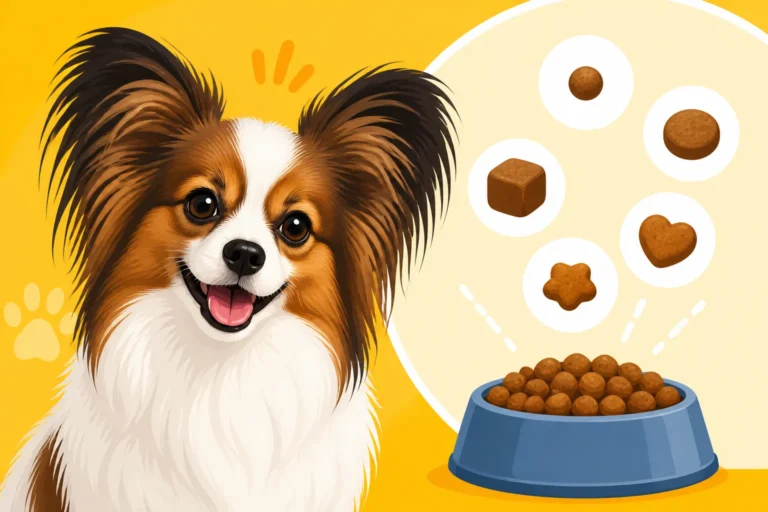
Your Papillon puppy absolutely needs a high-quality food specifically formulated for puppies, and ideally, for small breeds. These foods are designed with a higher calorie count, increased protein, and a balanced blend of vitamins and minerals to support rapid growth and development. Look for formulas that list a high-quality animal protein (like chicken, lamb, or salmon) as the first ingredient. Brands widely available through retailers like Chewy or Amazon often offer excellent small breed puppy options. Avoid generic "all life stages" foods; while some may technically meet puppy requirements, they aren't optimized for the intense growth phase of a tiny dog.
Kibble Size and Texture Considerations
This might seem like a minor detail, but for a Papillon, kibble size is critical. Their tiny mouths and delicate jaws mean they can struggle with large, hard pieces of food. Puppy foods, particularly those for small breeds, typically come in smaller kibble sizes that are easier for them to pick up, chew, and digest. If the kibble is too big, your puppy might get frustrated, eat less, or even choke. On the other hand, if it's too soft or mushy, it won't provide the necessary dental cleaning benefits as they chew. You'll want something small enough for them to manage but firm enough to encourage a little crunch. Which Kibble a Papillon Can Actually Pick Up is a valid consideration that many owners overlook.
Wet Food and Toppers: Are They Necessary?
Wet food or meal toppers can be a fantastic addition to your Papillon puppy's diet, especially if they are particularly picky or if you're trying to boost their calorie intake or hydration. Wet food is often more palatable and can encourage hesitant eaters. Some puppies may even prefer it. However, it's not strictly "necessary" if your puppy is thriving on dry kibble alone. If you do use wet food, ensure it's a high-quality puppy formula and adjust the total food quantity to prevent overfeeding. A small amount of wet food mixed with dry kibble can also be a good way to introduce variety and ensure they get adequate moisture. Brands like Ollie, known for their fresh dog food, can be an excellent (though often pricier) option if you want to explore alternatives to traditional kibble. Just remember that too many additions can unbalance a carefully formulated diet, so use them sparingly and wisely.
Monitoring Your Papillon Puppy's Health and Growth
Feeding isn't just about putting food in a bowl; it's about observing how your puppy responds to that food. Regular monitoring is essential to ensure they are growing properly and staying healthy.
Tracking Weight and Body Condition
One of the best ways to know if your feeding schedule is working is by tracking your puppy's weight and assessing their body condition. For tiny Papillons, Weighing a Papillon Puppy Every Week in their first few months is a highly recommended practice. You should be able to feel their ribs easily without them being visibly protruding. Their waist should be discernible when viewed from above, and there should be a tuck-up when viewed from the side. If they start to look too thin or too plump, it's a sign that adjustments might be needed. Your vet can show you how to properly assess body condition and provide ideal weight ranges for your puppy's age. Keep a small kitchen scale handy – it's invaluable for monitoring their progress.
Recognizing Signs of Underfeeding or Overfeeding
An underfed Papillon puppy might exhibit low energy, lethargy, constant hunger, or a dull coat. As mentioned, the most serious concern is hypoglycemia, so any signs of weakness, trembling, or disorientation need immediate attention. Conversely, an overfed puppy might be sluggish, have a distended belly, or show excessive weight gain that puts unnecessary strain on their developing joints. While cute, a roly-poly puppy isn't a healthy one. Overfeeding can also lead to digestive upset, like diarrhea. Always ensure they are eating all their meals and if they consistently leave food, it might mean the portions are too large, or they don't like the food, or something else is going on. Observe their poop too; firm, well-formed stools are a good indicator of proper digestion.
Hydration and Water Intake
While food is the focus, water is equally vital. Papillon puppies need constant access to fresh, clean water. Their high metabolism means they can dehydrate quickly, especially after active play. Keep multiple water bowls around the house, and consider a ceramic or stainless steel bowl that's easy to clean and won't harbor bacteria. You might notice your puppy drinking more after meals, which is normal. If you're concerned about your puppy's water intake, particularly if they are picky about their dry food, adding a little water to their kibble can encourage them to drink more and also make the food softer and more palatable. Always make sure their water dish is clean and full. How Much Water a Papillon Drinks a Day can vary, but access should never be restricted.
Common Feeding Mistakes and How to Avoid Them
It’s easy to make mistakes, especially when you're navigating the ins and outs of caring for a tiny puppy. Being aware of common pitfalls can help you avoid them and set your Papillon up for a healthy start.
Free-Feeding vs. Scheduled Meals
As we touched on earlier, free-feeding (leaving food out all day for the puppy to graze) is a big no-no for Papillon puppies. While it might seem convenient, it leads to several problems:
- Hypoglycemia Risk: You can't monitor how much your puppy is eating. They might eat a lot at once and then go too long without, leading to blood sugar crashes. Why a Papillon Puppy Must Not Go Long Without Food is directly linked to this.
- Picky Eating: If food is always available, a puppy might become less enthusiastic about mealtime, holding out for something better or simply grazing insufficiently.
- House Training Issues: Without a predictable feeding schedule, predicting potty breaks becomes much harder.
- Overeating/Under-eating: It's hard to tell if they're eating too much or too little if the bowl is constantly full.
Scheduled meals ensure you control portion sizes, monitor intake, and maintain blood sugar stability. It also establishes a routine that is beneficial for training and overall health.
Over-Treating and Table Scraps
It's hard to resist those big, brown Papillon eyes, especially when they're begging for a piece of your dinner. However, over-treating and giving table scraps are common mistakes that can quickly lead to an unbalanced diet and unwanted weight gain. Puppy treats should be small, soft, and specifically formulated for puppies. They should only make up a tiny percentage of their daily caloric intake. Avoid giving human food unless it's a vet-approved, plain item like a tiny piece of cooked chicken or carrot, and only in very small quantities. Many human foods are too rich, salty, or even toxic for dogs. Remember, your puppy gets all the nutrients they need from their balanced puppy food. Treats are for training and bonding, not for filling them up.
Ignoring Picky Eating Habits
Papillons can sometimes be a bit particular about their food, which can be alarming when you know how important consistent eating is. If your puppy suddenly becomes a picky eater, don't immediately switch foods or start adding tons of tempting toppers. First, rule out any medical issues with your vet. Sometimes, pickiness can signal an upset tummy or even dental discomfort. If your puppy is medically clear, try to stick to the schedule. Offer the food for 10-15 minutes, and if they don't eat it, pick it up and offer it again at the next scheduled meal. They won't starve themselves, and this teaches them that mealtime is when food is available. Continuously offering new foods or giving in to demands for "better" food can reinforce picky behavior. Consistency and patience are key.
Transitioning Your Papillon Puppy to Adult Food
Your Papillon puppy won't be a puppy forever, even though they retain their playful, youthful spirit for a very long time! Eventually, they will need to transition from puppy food to an adult formula. This transition needs to be handled carefully to avoid digestive upset.
When to Make the Switch
The general guideline for switching to adult food for small breeds is around 9-12 months of age. Some very tiny Papillons might benefit from staying on puppy food a little longer, perhaps up to 12 months, especially if they are still showing signs of active growth or are particularly lean. Larger breeds transition later, but for Papillons, their growth rate typically slows considerably by this point. The Age a Papillon Stops Growing is usually around a year, making it a good benchmark for assessing their readiness for adult food. Consult your veterinarian for personalized advice, as they can assess your puppy's individual growth and development to recommend the optimal time.
The Gradual Transition Process
Never switch your puppy's food abruptly. A sudden change can lead to an upset stomach, vomiting, or diarrhea, which is distressing for both you and your puppy. The transition should always be gradual, typically over 7-10 days.
Here’s a common schedule:
- Days 1-2: 75% old food, 25% new food
- Days 3-4: 50% old food, 50% new food
- Days 5-6: 25% old food, 75% new food
- Days 7-10: 100% new food
Observe your puppy closely during this time. If you notice any digestive upset, slow down the transition and keep them on the current mix for a few more days before increasing the new food ratio. This slow introduction allows their digestive system to adjust to the new ingredients without shock.
Choosing the Right Adult Formula
Once your Papillon is ready for adult food, you'll still want to choose a high-quality formula, ideally one specifically designed for small breeds. These foods continue to offer appropriately sized kibble and a nutrient balance that supports the metabolism and energy levels of a small adult dog. Look for good protein sources and avoid excessive fillers. While What a Papillon Eats in a Month might not be a huge volume, making those calories count with high-quality ingredients is important for their long-term health. Consider their activity level when choosing: a highly active agility Papillon might do well on a slightly higher energy formula than a more sedate companion. You might find a good selection of small breed adult formulas on sites like Chewy or your local pet supply store, allowing you to compare ingredients and reviews easily.
Feeding your Papillon puppy properly is one of the most important responsibilities you have as an owner, particularly in those crucial early months. By understanding their unique needs, sticking to a consistent schedule, choosing high-quality food, and diligently monitoring their health, you'll set your little butterfly dog up for a long, happy, and healthy life.
Disclaimer
This article is for general informational purposes only and does not constitute professional advice. Laws, prices and regulations vary by location and change over time. Consult a qualified professional for guidance on your specific situation.