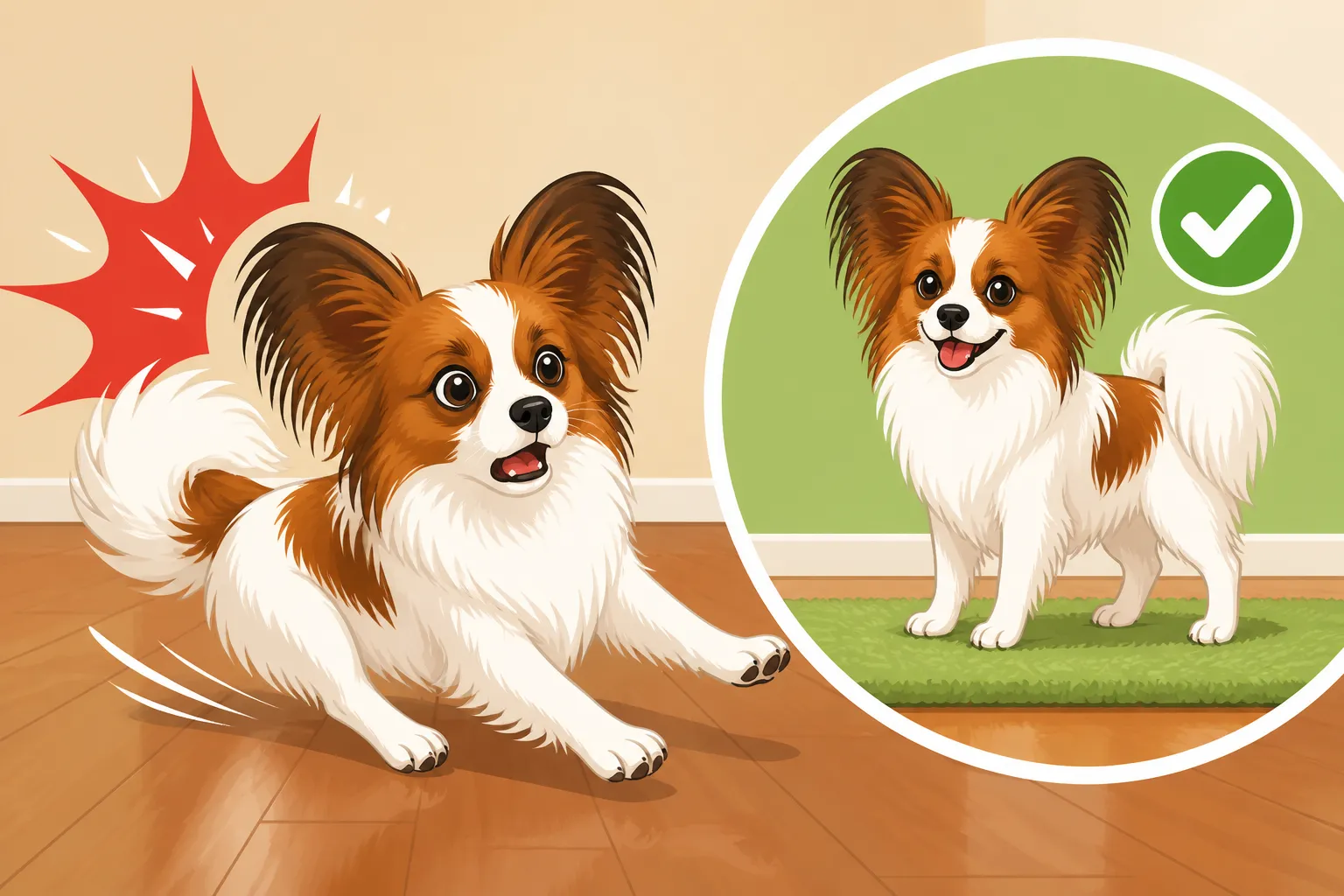
Whether a Papillon Slips on Hardwood
Many Papillon owners find themselves watching their tiny, energetic companions slide and scramble across their beautiful hardwood floors, a sight that often elicits both concern and a little chuckle. But beyond the comical slips, there's a real and often overlooked issue at play: these slick surfaces can pose significant risks to your Papillon's delicate joints and overall well-being. This guide will delve into why hardwood floors are problematic for small dogs, the potential injuries and long-term health implications, and most importantly, how to create a safer, more comfortable environment for your beloved butterfly dog.
The Reality of Papillons and Hardwood Floors: More Than Just a Skid
It’s easy to dismiss a Papillon's occasional slide as simply part of their playful nature, but for a dog of their size and bone structure, hardwood floors are genuinely challenging. Imagine trying to run full tilt across an ice rink in socks – that's often what it feels like for a dog without adequate traction. Their paws just aren't designed to grip smooth, hard surfaces the way they would rough terrain outdoors or carpet indoors. This lack of purchase can lead to a cascade of issues, both immediate and long-term, that are far more serious than a momentary loss of footing.
Why Small Dogs Like Papillons Struggle with Slippery Surfaces
Papillons, with their delicate bone structure and relatively long legs for their body size, are particularly vulnerable on slick surfaces. Unlike larger, heavier breeds that might have more bulk to stabilize them, a Papillon's light frame offers less inertia to counteract slipping. When they try to accelerate, turn, or stop quickly, their paws simply can't get the necessary grip, sending them skidding. This is especially true for puppies and senior dogs; puppies haven't fully developed their coordination, and older dogs may have muscle weakness or joint stiffness that makes stable movement even harder.
Think about how a Papillon moves: quick bursts of speed, sudden pivots, and enthusiastic greetings that involve a lot of stopping and starting. On a plush carpet or a grassy lawn, these movements are graceful and fluid. On hardwood, however, each quick turn or enthusiastic dash can become a mini-disaster waiting to happen. Their tiny paw pads, while offering some natural grip, are easily overwhelmed by the lack of friction, turning what should be effortless movement into a precarious balancing act. This constant struggle to maintain footing expends extra energy and puts undue stress on their musculoskeletal system.
Moreover, the natural splay of a Papillon's toes, designed for gripping uneven ground, can actually work against them on a flat, slick surface. Their nails, if not kept perfectly trimmed, can act like ice skates, further reducing friction. Even with well-maintained nails, the inherent slipperiness of hardwood means their paw pads are doing all the work, often unsuccessfully. It's a fundamental mismatch between the dog's natural biomechanics and the environment we've placed them in.
The Immediate Risks: Acute Injuries from Slips and Falls
The most obvious concern with hardwood floors is the risk of acute injury. A sudden, uncontrolled slip can lead to sprains, strains, or even fractures. Imagine your Papillon racing to the door when the bell rings, only to hit the smooth floor, splay out all four legs, and collide with a table leg. These types of incidents are not uncommon and can result in immediate pain and a trip to the emergency vet. Even a seemingly minor fall can cause significant soft tissue damage that might not be immediately apparent but can lead to chronic discomfort.
Beyond the visible injuries, repeated slipping can cause micro-traumas to muscles, ligaments, and tendons. Your Papillon might limp for a day, shake it off, and then experience the same problem again. Over time, these small injuries accumulate, weakening the joints and making them more susceptible to more severe damage. It's like constantly twisting an ankle – eventually, the ankle becomes unstable. For a breed already prone to certain joint issues, these acute incidents can exacerbate underlying conditions or even trigger them.
Furthermore, a Papillon might try to compensate for the lack of grip by altering its gait, leading to abnormal stress on certain joints or muscle groups. This compensatory movement can create a whole new set of problems, from back pain to muscle imbalances. What looks like a funny stumble could actually be a painful struggle, and your Papillon, being a stoic little creature, might not always show you how much it's hurting. How a Papillon Hides Pain is something all owners should be aware of, as they are masters at masking discomfort until it's severe.
Long-Term Consequences: Joint Health and Confidence
While immediate injuries are alarming, the cumulative effect of a lifetime spent navigating slippery floors can be even more insidious. The constant micro-adjustments, the tensing of muscles, and the occasional falls all contribute to wear and tear on their tiny bodies, especially their joints. This wear and tear can accelerate degenerative conditions and diminish their quality of life as they age.
The Silent Strain on Delicate Papillon Knees and Hips
Papillons are famously energetic and love to run and jump, but this activity combined with slippery floors puts immense stress on their joints. The most common orthopedic issue in Papillons is patellar luxation, where the kneecap slips out of its groove. Patellar Luxation Is the Papillon Problem You Will Actually Meet details this condition, and slick floors can certainly make it worse. Every time your Papillon slips, its legs splay, and the kneecap can be forced out of alignment, causing pain and further damage to the joint capsule and supporting ligaments.
Even if your Papillon doesn't have a diagnosed luxating patella, the repetitive jarring and unnatural movements on hardwood can contribute to its development or worsen an existing mild case. The constant need for their muscles to "catch" them from slipping means their joints are rarely moving in a smooth, controlled manner. This constant stress isn't limited to the knees; it can also affect their hips and even their spine. Over years, this can lead to premature arthritis and chronic pain, significantly impacting their ability to move comfortably as they mature. What Patellar Luxation Does to a Papillon truly highlights the impact this condition has.
Consider a Papillon reaching its senior years. Whether a Papillon's Knees Get Worse With Age is a common concern, and the cumulative impact of slippery floors throughout their younger life can certainly contribute to this decline. Joints that have been repeatedly stressed and slightly injured will degenerate faster, leading to more pronounced stiffness, pain, and reduced mobility in their golden years. What might have been a minor predisposition can be significantly aggravated by an unsuitable home environment.
How Hardwood Floors Affect a Papillon's Mobility Over Time
Beyond specific joint conditions, the general mobility of a Papillon can decline due to continuous exposure to hardwood floors. The muscles that stabilize their joints and allow for agile movement might become chronically tense or even weakened from the constant effort to prevent slipping. This can lead to a less fluid gait, reduced range of motion, and an overall reluctance to engage in activities they once enjoyed. Their playful zoomies might become less frequent, not because they're tired, but because the risk of slipping makes it too uncomfortable or even frightening.
Over time, this reduced natural movement can lead to muscle atrophy in certain areas, further compromising their stability. For example, if a Papillon avoids running full speed because of the slick floor, the muscles in their hindquarters might not be getting adequate exercise, making them weaker and more prone to injury when they do try to move quickly. It creates a vicious cycle where the environment restricts movement, leading to physical decline, which in turn makes the environment even more challenging.
Even seemingly unrelated aspects of their health can be affected. Why a Papillon's Nails Affect Its Knees explains how overgrown nails can push the paw pads up, reducing traction. On hardwood, this effect is amplified. A Papillon constantly scrambling for purchase might also neglect to fully extend their limbs, leading to compensatory movements that are less efficient and more taxing on their body. This long-term impact on their biomechanics can be quite significant, diminishing their natural grace and agility.
Psychological Impact: Fear and Hesitation on Slick Surfaces
The physical risks of hardwood floors are undeniable, but we often overlook the mental and emotional toll they can take on a Papillon. Imagine living in a world where every step on a vast expanse of your home feels precarious. This constant instability can lead to anxiety, fear, and a reluctance to move freely. A confident, playful Papillon might become hesitant, clinging to carpets or rugs, or even refusing to venture into certain rooms. This isn't just an inconvenience; it can severely limit their enjoyment of their home and interaction with their family.
A dog that has experienced a painful fall on a slick floor can develop a deep-seated fear. They might become visibly anxious, tucking their tail, flattening their ears, or even shaking when they encounter hardwood. This fear can then generalize to other smooth surfaces or even novel environments. It impacts their overall confidence and can manifest as shyness or increased stress in unfamiliar situations. We want our Papillons to be bold and curious, not constantly worried about their footing.
This psychological impact can also affect their relationship with their owners. A Papillon might hesitate to follow you into the kitchen or living room if it means traversing a large patch of hardwood. They might look to you for constant reassurance or refuse to engage in playful chases that spill onto the dreaded slick areas. This subtle distance can be heartbreaking, as it stems from a genuine discomfort we might unknowingly be creating in their own home. Ensuring their environment feels safe is crucial for their mental well-being and their bond with us.
Assessing Your Papillon's Home Environment for Slip Hazards
Before you can implement solutions, you need to really understand where the problems lie. It's not just about "having hardwood floors"; it's about how your Papillon interacts with them, where the high-risk zones are, and what their current gait looks like. A systematic assessment can reveal dangers you might never have noticed from your taller vantage point.
Identifying High-Traffic Areas and Danger Zones
Walk through your home from your Papillon's perspective. Get down on your hands and knees and look at the floor. Where does your dog eat, drink, play, and sleep? Which paths do they take to greet you, go outside, or move between rooms? These are your high-traffic areas. For many Papillons, this includes the route to the food bowl, the path to the back door, and the areas around sofas or beds where they might jump on or off. Whether a Papillon Should Be Stopped From Jumping Off Furniture is an important consideration, as landings can be dangerous on hardwood.
Pay close attention to transitions between different flooring types. The line where carpet meets hardwood, or where a rug ends, can be a sudden change in traction that catches a Papillon off guard. Areas near doorways, especially exterior doors where they might run excitedly, are often hotspots for slips. Also, consider areas where they might get excited and do "zoomies" – those sudden bursts of energy that involve rapid acceleration and sharp turns. These are prime locations for accidents.
Think about other environmental factors too. Are there shiny patches from cleaning products? Are there small, loose rugs that can slide themselves, creating a tripping hazard? Even spills of water can turn an already slick surface into an ice rink. Mapping out these zones will give you a clear picture of where to focus your efforts to improve safety.
The "Zoomie Test": Observing Your Papillon in Action
The best way to truly understand your Papillon's challenges on hardwood is to observe them naturally, especially during moments of high energy. We call this the "Zoomie Test." Encourage them to play, chase a toy, or greet you enthusiastically on the hardwood. Don't prompt them to do anything dangerous, but simply watch their uninhibited movements.
What do you see? Do their paws splay out frequently? Do they slide into turns or struggle to stop? Are they visibly hesitant to engage in play in certain areas? Note any instances where they lose their footing, even if they recover quickly. Pay attention to how they get up from a lying position, how they accelerate, and how they slow down. Do they use their nails to try and dig into the floor for grip? All of these observations provide valuable clues about the extent of the problem and where your efforts will be most effective.
You might even consider filming them for a few minutes with your phone. Sometimes, watching it back in slow motion can reveal subtle signs of slipping or discomfort that you missed in real-time. This objective evidence can be incredibly helpful when discussing concerns with your veterinarian, as it provides concrete examples of the challenges your Papillon faces daily.
Professional Assessment: When to Consult Your Vet or a Canine Physical Therapist
If you're observing frequent slipping, hesitancy, or any signs of pain or lameness, it's absolutely time for a professional assessment. Your veterinarian can evaluate your Papillon's overall joint health, check for conditions like patellar luxation, and rule out any other underlying medical issues that might be contributing to their instability. They can also advise on appropriate pain management or joint support if needed.
For more complex cases, or if you want a proactive approach to preventing issues, a certified canine physical therapist (CCPT) or rehabilitation specialist can be invaluable. These professionals are experts in canine biomechanics and can conduct a detailed gait analysis. They can pinpoint specific weaknesses, imbalances, or compensatory movements your Papillon might be making due to the slippery floors. They can then recommend targeted exercises, stretches, and home modifications to improve strength, coordination, and overall stability.
Think of it as getting a second opinion or a specialized consultation. Just as we'd consult a physical therapist for our own knee pain, our Papillons can benefit immensely from this expertise. They can help you understand the subtle Signs a Papillon's Kneecap Slips and guide you on the best course of action, often preventing more serious problems down the line. Don't hesitate to seek their expertise; it's an investment in your Papillon's long-term health and comfort.
Practical Solutions to Make Your Home Safer for Your Papillon
The good news is that you don't have to rip out all your beautiful hardwood floors to keep your Papillon safe and happy. There are many practical and aesthetic solutions you can implement to dramatically improve traction and reduce risk. A combination of strategies usually works best, creating a multi-layered approach to safety.
Area Rugs and Runners: The Immediate Fix
The simplest and most effective solution is to cover as much of your hardwood floor as possible with area rugs and runners. Think about creating "safe pathways" that connect important areas like food bowls, beds, and entryways. Don't skimp on quality; look for rugs with a non-slip backing or invest in rug pads to prevent the rugs themselves from becoming a hazard. A rug that slides is almost as bad as no rug at all!
When choosing rugs, consider their texture. A plush, dense pile offers excellent grip and comfort. Avoid thin, flat rugs that offer minimal cushioning or may bunch up easily. You can find a huge variety of sizes and styles on sites like Amazon or Chewy, so you don't have to sacrifice your home's aesthetic. Even small, strategically placed mats can make a huge difference in critical areas, such as right in front of a sofa or at the bottom of stairs.
The goal isn't necessarily to cover every inch of hardwood, but to provide continuous safe surfaces for your Papillon to traverse. This allows them to move freely and confidently without constantly worrying about where their next paw print will land. It also softens landings should they accidentally jump from furniture, offering a buffer against impact. Whether Ramps Help a Papillon's Knees is another important consideration, and if you opt for ramps, ensure they lead to a non-slip surface at the top and bottom.
Traction Aids for Paws: From Socks to Waxes
Sometimes, covering every inch isn't feasible, or your Papillon still struggles in uncovered areas. This is where paw-specific traction aids come in.
Here's a comparison of common options:
| Traction Aid Type | Pros | Cons | Best For |
|---|---|---|---|
| Paw Socks | Good grip, protects paws, easy to apply | Can fall off, some dogs dislike wearing them, can get dirty quickly | Short-term use, specific high-risk areas, cold weather |
| Paw Waxes | Invisible, natural feel, easy to apply, waterproof | Needs frequent reapplication, can be messy, may not offer enough grip for severe cases | Mild slipping, outdoor protection, preventing dryness |
| Adhesive Pads | Long-lasting, excellent grip, waterproof | Can be tricky to apply, may irritate sensitive skin, requires trimming if hair grows over | Consistent, long-term traction, specific problem paws |
| Nail Grips | Excellent traction, inconspicuous | Professional application recommended, can fall off, some dogs dislike the feel | Moderate to severe slipping, older dogs needing consistent grip |
Paw socks, often found on Amazon, are like little booties for indoor use. They usually have rubberized bottoms to provide grip. Make sure they fit snugly but aren't too tight, and monitor your dog to ensure they don't chew them off. Paw waxes, like Musher's Secret, can be applied directly to the paw pads to increase friction and also act as a moisturizer. They're less intrusive than socks but need regular reapplication. For a more semi-permanent solution, adhesive paw pads or nail grips (which are small rubber caps fitted over the nails) can offer excellent traction, though they require careful application and may need professional assistance. Products like these are often available through Chewy or pet supply stores.
Maintaining Nail and Paw Pad Health for Better Grip
This might seem obvious, but proper paw care is paramount for traction on any surface, especially hardwood. Overgrown nails are a huge culprit when it comes to slipping. Long nails prevent the paw pads from making full contact with the ground, essentially lifting the foot onto tiny ice skates. Regular nail trims are non-negotiable for a Papillon on hardwood. If you're unsure how to trim your Papillon's nails safely, ask your vet or a professional groomer for a demonstration. Why a Papillon's Nails Affect Its Knees goes into more detail about the importance of short nails.
Beyond nails, healthy paw pads are important. Dry, cracked paw pads can be uncomfortable and may reduce natural grip. Regularly check your Papillon's pads and consider using a paw balm or moisturizer to keep them supple. Trimming the hair between the paw pads is also crucial. Excess hair can create a slippery barrier between the paw pad and the floor, further reducing traction. A small, blunt-nosed pair of scissors or a clipper can be used carefully to keep this hair short and tidy.
It’s about optimizing their natural equipment. When their nails are short and their paw pads are healthy and clear of excess hair, your Papillon has the best possible chance of gripping the floor. Combine this with strategically placed rugs and, if necessary, paw traction aids, and you'll create a much safer and more comfortable environment.
Beyond the Floor: Holistic Approaches to Support Your Papillon's Mobility
While addressing the floor surface is critical, a comprehensive approach to your Papillon's mobility also involves looking at their overall health and lifestyle. A strong, healthy, and fit Papillon is inherently more stable and less prone to injury, regardless of the flooring. These holistic strategies work in conjunction with your floor modifications to provide the best possible support for your beloved companion.
Weight Management: Less Strain on Joints
One of the most impactful things you can do for your Papillon's joint health and stability is to maintain a healthy weight. Even a few extra ounces on a tiny Papillon can put disproportionate strain on their delicate joints, especially the knees and hips. Imagine carrying a backpack that's 20% of your body weight all day, every day – that's what being slightly overweight can feel like for a small dog. This added weight makes them less agile, more prone to slipping, and increases the impact on their joints during falls.
Work closely with your veterinarian to determine your Papillon's ideal weight and create a feeding plan. How Much an Adult Papillon Eats is surprisingly little, so it's easy to overfeed them, especially with treats. Be diligent about measuring their food and limiting caloric extras. High-quality dog food, like that offered by Ollie, can help maintain a healthy weight while providing essential nutrients. Regular check-ups can help track their weight and body condition score.
A healthy weight significantly reduces the stress on their joints, making them more stable and less likely to develop or worsen conditions like patellar luxation. It also improves their overall energy levels and agility, which in turn helps them navigate various surfaces with greater ease. Signs a Papillon Is Overweight can be subtle, so regular body checks are important. Remembering that Why an Overweight Papillon Strains Its Knees is a key factor should motivate us to keep our Papillons lean.
Nutrition and Supplements for Joint Health
A balanced diet is the foundation of good health, and for joint support, certain nutrients are especially beneficial. Look for dog foods that contain omega-3 fatty acids, which have anti-inflammatory properties and support joint cartilage. Many premium dog foods, easily found on Chewy, incorporate these. If your Papillon is prone to joint issues or is getting older, your vet might recommend specific joint supplements.
Common joint supplements include glucosamine and chondroitin, which are natural components of cartilage and help maintain its elasticity and shock-absorbing properties. MSM (methylsulfonylmethane) is another supplement often included for its anti-inflammatory effects and ability to support connective tissue. While these aren't a magic cure, they can help support joint health and potentially slow the progression of degenerative joint disease.
Always consult your veterinarian before starting any supplements. They can recommend the appropriate dosage and ensure there are no contraindications with other medications or health conditions your Papillon might have. Think of these as supportive measures, working from the inside out to strengthen your Papillon's joints and make them more resilient to environmental challenges.
Gentle Exercise and Enrichment on Safe Surfaces
Regular, appropriate exercise is vital for maintaining muscle strength, flexibility, and coordination, all of which contribute to better stability. However, this exercise should primarily occur on safe, non-slip surfaces. Daily walks on grass, dirt trails, or concrete are excellent. Indoor play sessions should happen on carpeted areas or on rugs you've laid down specifically for this purpose. Avoid intense, uncontrolled play on hardwood.
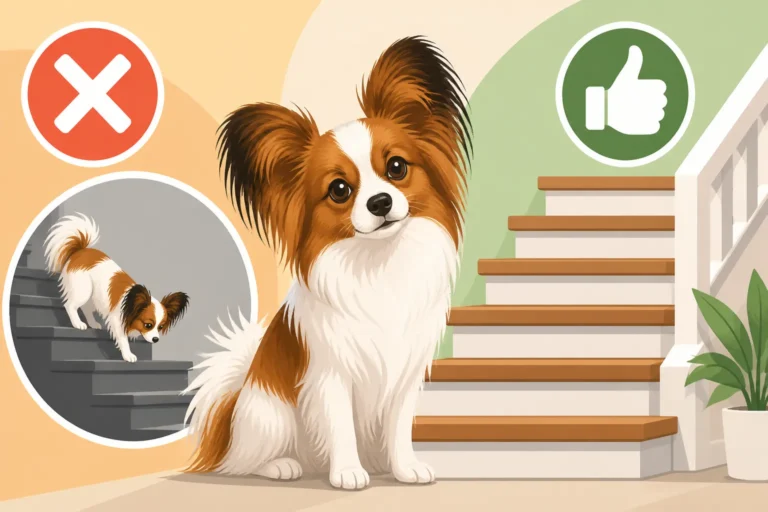
For mental enrichment and gentle physical activity, consider puzzle toys, scent work games, or short training sessions on a mat. These activities engage their minds and bodies without putting undue stress on their joints. As your Papillon ages, Caring for a Papillon Past Eleven becomes even more critical, focusing on gentle movement and comfort. If your Papillon loves to jump, provide pet steps or ramps to furniture to prevent dangerous leaps onto slick floors. Whether a Papillon Needs Ramps to Furniture is often a yes for these active little dogs.
The key is consistent, controlled movement on surfaces that provide good traction. Building and maintaining muscle tone helps stabilize their joints, making them less susceptible to injury when they do encounter a patch of hardwood. By combining a safe home environment with a focus on overall health and fitness, you can ensure your Papillon enjoys a long, active, and comfortable life, free from the constant worry of slipping and falling.
Disclaimer
This article is for general informational purposes only and does not constitute professional advice. Laws, prices and regulations vary by location and change over time. Consult a qualified professional for guidance on your specific situation.