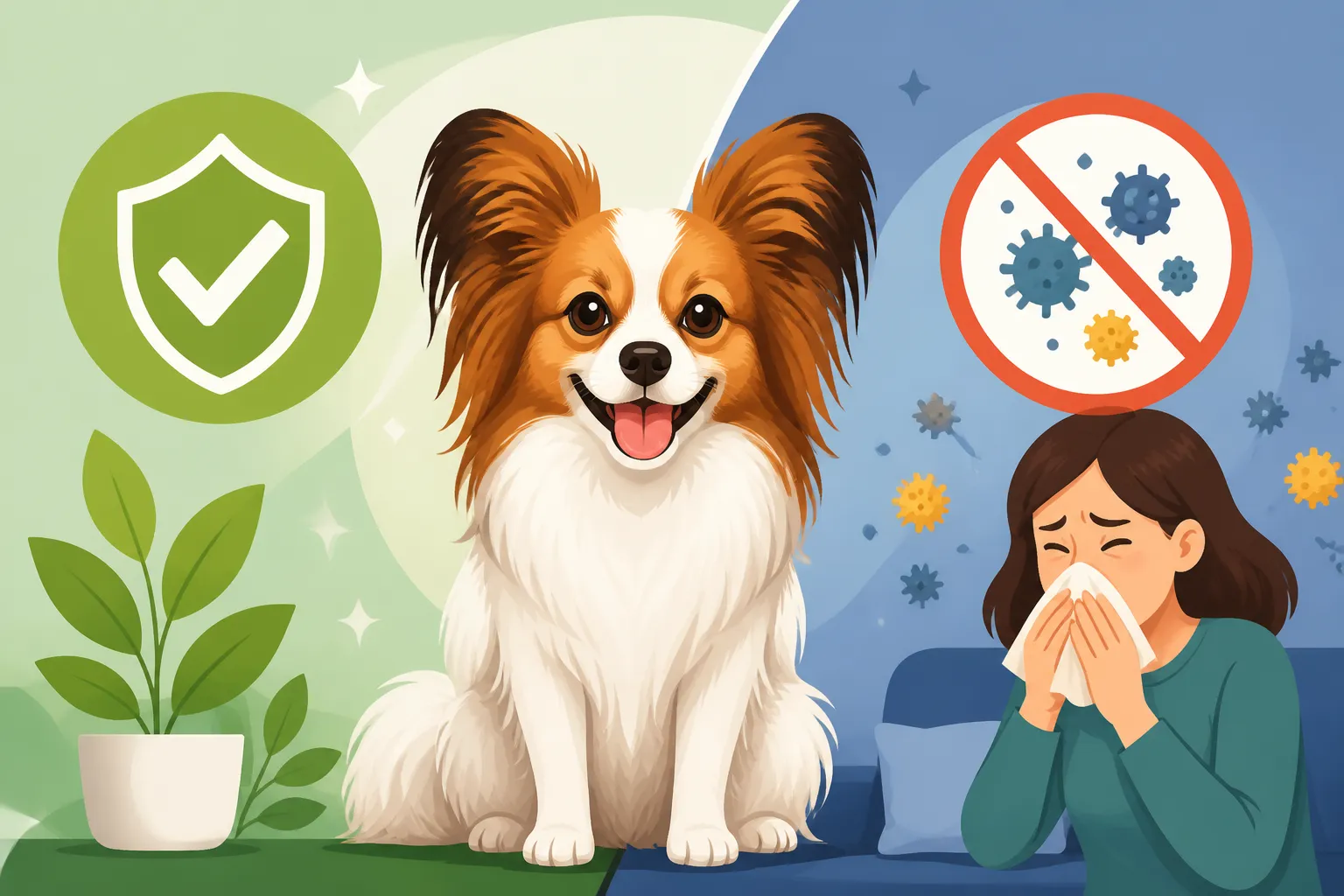
Whether a Papillon Suits an Allergy Household
The dream of sharing your life with a furry companion often collides with the frustrating reality of pet allergies. Many prospective Papillon owners, understandably, wonder if this delightful breed might be a solution, given common misconceptions about "hypoallergenic" dogs. This guide will thoroughly explore whether a Papillon can truly fit into an allergy-prone household, debunking myths and offering practical strategies to help manage potential reactions.
Unpacking the "Hypoallergenic" Myth and the Papillon's Unique Coat
Let's get one thing straight right from the start: there is no such thing as a truly 100% "hypoallergenic" dog. The term is a bit of a misnomer, and it often leads people down a path of disappointment. When people are allergic to dogs, they're not typically reacting to the hair itself, but rather to proteins found in the dog's dander (tiny flakes of skin), saliva, and urine. These allergens cling to hair, yes, but they also become airborne or settle on surfaces. So, while a dog might shed less hair, it still produces dander, and it still licks and urinates.
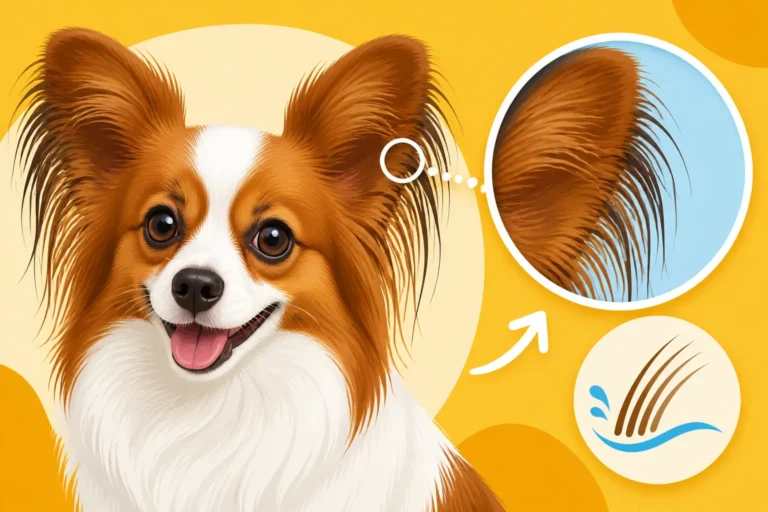
Papillons are often considered a potential option for allergy sufferers because they possess a single coat, lacking the dense undercoat that many other breeds have. This means they tend to shed less hair than double-coated breeds, which can be a significant difference. Less hair floating around means fewer surfaces for dander to cling to and less physical distribution of those allergens throughout your home. A Papillon's coat is often described as silky and fine, and it certainly feels lovely to the touch. You might think, "Ah, less hair, less dander!" And while it's a step in the right direction, it's not a complete fix. For a deeper understanding of their coat, you can explore What a Papillon's Coat Is Made Of.
Even without a thick undercoat, Papillons do shed. It's just generally a lighter, more manageable shedding than you'd experience with, say, a German Shepherd or a Golden Retriever. The dander is still present, albeit potentially in smaller quantities on fewer stray hairs. Think of it less as a solution and more as a helpful head start in managing the allergen load in your home. Some people react to even trace amounts, while others might find the reduced dander from a Papillon makes all the difference. Understanding Why a Papillon With No Undercoat Still Sheds is crucial for setting realistic expectations.
Proactive Management Strategies for Allergy Households with a Papillon
If you're considering bringing a Papillon into an allergy household, the key isn't relying on the breed being "hypoallergenic," but rather on adopting a strict and proactive management routine. This isn't just about the dog; it's about transforming your living environment and daily habits to minimize allergen exposure.
Consistent Grooming is Your First Line of Defense
Regular grooming is paramount. Because a Papillon’s beautiful long coat still carries dander, frequent brushing helps to capture loose hair and skin flakes before they become airborne or settle everywhere. Aim for brushing your Papillon at least every other day, and ideally daily. A good pin brush or a fine-toothed comb can work wonders in removing dead hair and distributing natural oils, keeping their coat healthy. Check out How Often a Papillon Needs Brushing for more detailed advice.
Bathing is also critical. While you don't want to over-bathe and dry out their skin, a bath every 2-4 weeks with a veterinarian-recommended, gentle dog shampoo can significantly reduce the dander on their coat. Make sure to rinse thoroughly, as residue can irritate their skin and lead to more flaking. After their bath, thoroughly dry them, ideally with a blow dryer on a cool setting, brushing as you go to remove any remaining loose hairs. Selecting the right tools, such as those you might find on Amazon or Chewy, is important for effective grooming. For more on tools, see Which Brush a Papillon Needs. Even with consistent grooming, understand that this is a continuous effort, and How Long a Papillon Takes to Brush can vary depending on their cooperation and coat length.
Environmental Control for a Cleaner Home
Beyond grooming your Papillon, managing your home environment is equally important. Consider designating certain areas of your home as "dog-free zones," especially bedrooms. This allows allergy sufferers a place to retreat and get a break from allergens.
Regular cleaning is non-negotiable. Invest in a high-efficiency particulate air (HEPA) filter vacuum cleaner and use it frequently, focusing on carpets, upholstery, and drapes where allergens love to accumulate. Wash dog bedding weekly in hot water. Hard floors are generally better than carpets for allergy sufferers, as they don't trap dander as easily and are simpler to clean. For a Papillon, whose long coat often stays quite clean, you might also find they generally Whether a Papillon Smells less than some other breeds, which can be a small bonus.
Air purification can also make a significant difference. Place HEPA air purifiers in rooms where your Papillon spends the most time, and definitely in your bedroom if you decide to allow your dog in there. These devices can help remove airborne allergens before they have a chance to settle. Brands like those available through Amazon or Chewy offer a wide range of air purifiers that can significantly improve air quality for allergy sufferers.
Personal Habits and Lifestyle Adjustments
Your personal habits play a huge role too. After petting or playing with your Papillon, always wash your hands thoroughly, especially before touching your face. Avoid letting your dog lick your face, as saliva is a significant source of allergens.
If your allergies are severe, you might even consider changing clothes after extended contact with your dog. For some, even having their Papillon sleep in the same bed, despite their smaller size and relatively low shedding, can trigger reactions. It’s a personal boundary that each household member must establish based on their individual sensitivity.
Real-World Scenarios and Testing Your Allergy Tolerance
The truth is, everyone's allergic reactions are unique. What triggers one person intensely might barely bother another. This is why personal experience with a Papillon before bringing one home is absolutely crucial.
The Importance of "Trial Runs"
Before committing to a Papillon puppy or adult dog, try to spend time with several Papillons in different environments. Visit a reputable breeder's home (where multiple Papillons reside) or a rescue organization. Don't just spend five minutes; try to spend an hour or two, engaging with the dogs, letting them sit on your lap, and generally getting as much exposure as possible. If a friend or family member owns a Papillon, ask if you can dog-sit for a weekend.
Pay close attention to your body's reaction: do your eyes itch? Does your nose run? Do you start sneezing? Do you develop a rash or hives? These "trial runs" are the most effective way to gauge your individual sensitivity to Papillon dander and saliva. It’s better to discover a severe reaction during a visit than after bringing a new family member home.
Understanding the Nuances of Allergy Severity
It's also important to differentiate between mild and severe allergies. If you experience mild symptoms like occasional sneezing or a slightly runny nose that can be managed with over-the-counter antihistamines, a Papillon might be a viable option with diligent management. However, if your allergies trigger asthma attacks, severe skin reactions, or make it difficult to breathe, a Papillon might still pose too significant a health risk, regardless of their coat type or your best efforts.
It's wise to consult with an allergist who can perform specific tests to identify the exact allergens you react to (e.g., specific protein markers in dog dander). They can provide tailored advice and might even suggest treatments like allergy shots that could make dog ownership a possibility where it wasn't before. Never underestimate the potential health implications of living with an allergen you are severely sensitive to.
Here's a quick comparison of dog coat types and their general potential for allergy sufferers:
| Coat Type | Description | Shedding Level | Dander Production | Allergy Potential (General) | Papillon Example |
|---|---|---|---|---|---|
| Single Coat (Silky) | Fine, long hair; no undercoat | Low to Moderate | Moderate | Lower | Papillon |
| Single Coat (Wiry) | Coarse, wiry hair; often hand-stripped | Very Low | Low | Lowest | Many Terriers |
| Double Coat (Smooth) | Short, dense outer coat with soft undercoat | Moderate to High | Moderate to High | Moderate to High | Labrador Retriever |
| Double Coat (Long) | Long outer coat with dense undercoat | High | High | High | Golden Retriever |
| Hair-like (Non-shedding) | Continuously growing hair; no shedding in clumps | Minimal | Low | Lower | Poodle, Portuguese Water Dog |
Note: "Hair-like" breeds are often considered the closest to truly "hypoallergenic" due to minimal shedding, but still produce dander.
Beyond the Coat: Other Allergen Sources and Papillon Care
While coat and dander are often the main focus for allergy sufferers, it's essential to remember that other aspects of a dog's physiology also contribute to allergen load. Papillons are dogs, after all, and they share many biological traits with all other canines.
Saliva and Urine: Often Overlooked Allergen Carriers
Dog allergens are also heavily concentrated in saliva and urine. When your Papillon licks you, a toy, or even itself, those proteins are transferred. When they urinate, especially if there are accidents in the house, those allergens can become airborne or spread through contact.
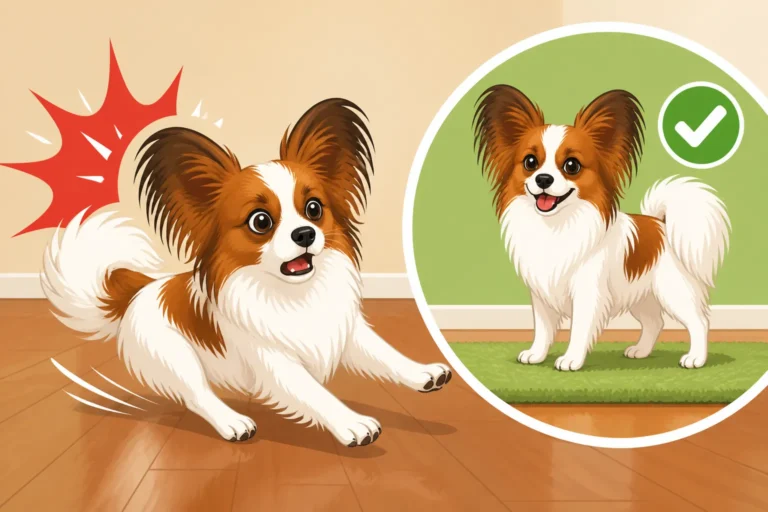
This makes proper house training incredibly important for allergy sufferers. A Papillon puppy's bladder is small, and they need frequent trips outside. Be prepared for a diligent How Long House Training a Papillon Takes process. Any accidents need to be cleaned immediately and thoroughly with enzymatic cleaners designed to break down pet stains and odors, preventing residual allergens.
Similarly, maintaining excellent dental hygiene for your Papillon helps manage saliva-borne allergens. Daily tooth brushing, while a commitment, can reduce bacteria and other substances in their mouth, potentially lessening the allergen impact of their licks. Papillons are prone to dental issues due to their small jaws, so Brushing a Papillon's Teeth in a Very Small Mouth is a critical routine. Understanding How Often a Papillon's Teeth Need Brushing is a key part of responsible Papillon ownership for all, but especially for allergy households.
The Role of Overall Health in Allergen Production
A healthy dog generally has healthier skin and a healthier coat, which can indirectly impact allergen production. Dogs with dry skin, skin allergies, or certain medical conditions might produce more dander or shed more frequently, exacerbating allergy symptoms.
Ensuring your Papillon is on a high-quality diet, gets regular veterinary check-ups, and receives appropriate parasite prevention can contribute to overall skin and coat health. If your Papillon develops Whether a Papillon Gets Skin Allergies, addressing it promptly with your vet can help manage both the dog's comfort and your allergy symptoms. A well-cared-for Papillon is not only happier but might also be less likely to trigger severe reactions.
In summary, while the Papillon's single coat offers a slight advantage by shedding less hair, it doesn't eliminate dander. Successfully integrating a Papillon into an allergy household hinges on a multi-faceted approach: rigorous grooming, meticulous environmental control, smart personal habits, and a realistic understanding of your own allergic sensitivities. It requires commitment and consistency, but for many, the joy of having a Papillon companion is well worth the effort.
Disclaimer
This article is for general informational purposes only and does not constitute professional advice. Laws, prices and regulations vary by location and change over time. Consult a qualified professional for guidance on your specific situation.