Whether a Pin Brush Suits a Papillon
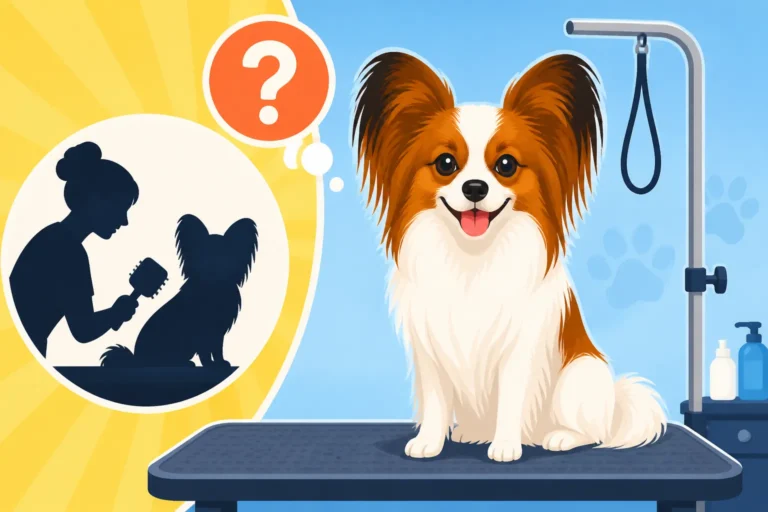
If you've ever stood in the grooming aisle, utterly bewildered by the sheer number of brushes available, you are absolutely not alone. For us Papillon owners, with our delicate, flowing, butterfly-eared companions, the question often boils down to: what tool is actually going to keep that beautiful coat in top condition without causing discomfort or damage? This guide is here to unravel the mystery of the pin brush and help you decide if it's the right fit for your lovely Papillon's unique grooming needs.
The Unique Papillon Coat: Understanding Its Needs
Before we even touch on brushes, it's crucial to understand the very special nature of a Papillon's coat. It's not like your average long-haired breed, and treating it as such can lead to frustration for both you and your little friend. Many of us have been there, trying tools that work wonders on other dogs, only to find them ineffective or even harsh on our Papillons.
A Silky, Single Layer: What Makes It Different
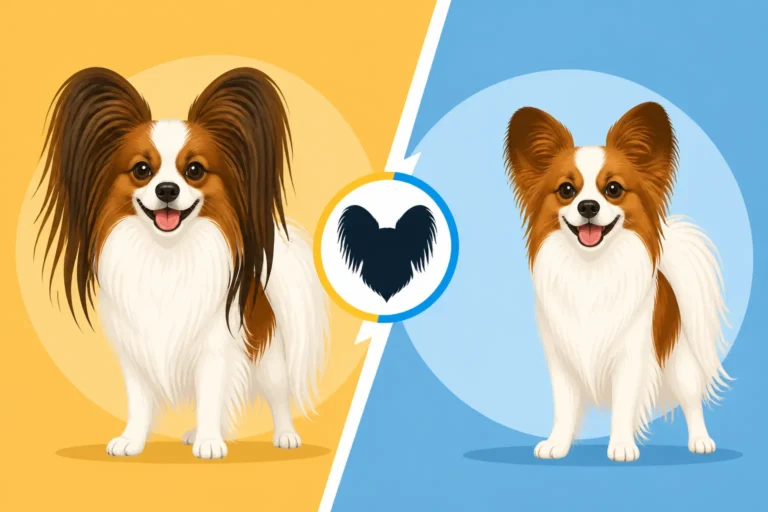
Unlike many double-coated breeds, which have a dense, woolly undercoat beneath a coarser topcoat, the Papillon boasts a single layer of fine, silky hair. This absence of an undercoat is a defining characteristic, and it's what gives them that elegant, flowing look. Their hair is often compared to human hair in its texture – smooth, lustrous, and prone to tangles if not cared for properly. Think about how easily your own long hair can knot up after a day of activity; a Papillon's coat is quite similar in that regard. It's not designed for harsh brushing or tools meant to strip out dense fur, but rather for gentle detangling and smoothing. This is why Why a Papillon's Coat Is Called Silky is such an important aspect of understanding their grooming.
This single layer also means they tend to shed less dramatically than double-coated breeds, though they certainly aren't non-shedding. You'll find fine hairs around the house, but rarely big clumps of shed undercoat. The length of their coat, especially the characteristic ear fringes, tail plume, and culottes (the feathering on their hindquarters), means that while the hair itself is fine, there's a lot of it. This volume of fine, long hair needs careful handling to prevent breakage and maintain its beautiful appearance. It's a coat that needs to be respected and understood, not just brushed haphazardly.
Common Grooming Challenges for Papillon Owners
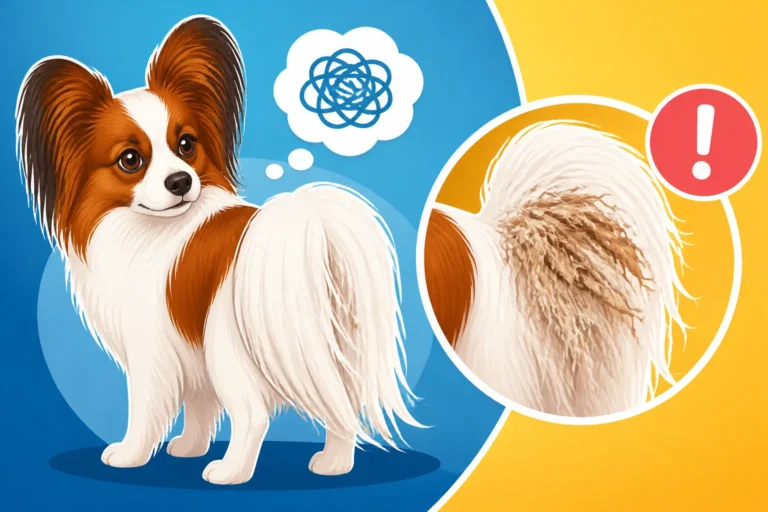
Despite the "less shedding" benefit, Papillon owners face their own set of challenges. The primary culprit is matting and tangling. Because the hair is so fine and long, it can easily catch and knot, especially in areas of friction or where the dog scratches. Behind the ears, under the armpits, and in the culottes are common trouble spots. A playful roll in the yard or a day spent snuggling on the sofa can result in small knots that, if left unattended, quickly escalate into tight mats that are painful to remove and can even pull at the skin. Many owners wonder How Long a Papillon Takes to Brush because it can seem like a daunting task when faced with a tangle.
Another challenge is simply keeping that gorgeous, flowing coat looking its best. Papillons are active little dogs, and their long hair can pick up burrs, leaves, and all sorts of debris from outdoor adventures. Food and water can also get caught in their chest frill and muzzle feathering. Without regular, gentle attention, the coat can lose its luster, become dull, and even start to feel greasy if natural oils build up unevenly. The goal of grooming is not just detangling but also distributing those healthy skin oils, stimulating circulation, and removing any loose hairs to keep the coat vibrant and clean.
Deciphering the Pin Brush: Is It a Papillon's Friend?
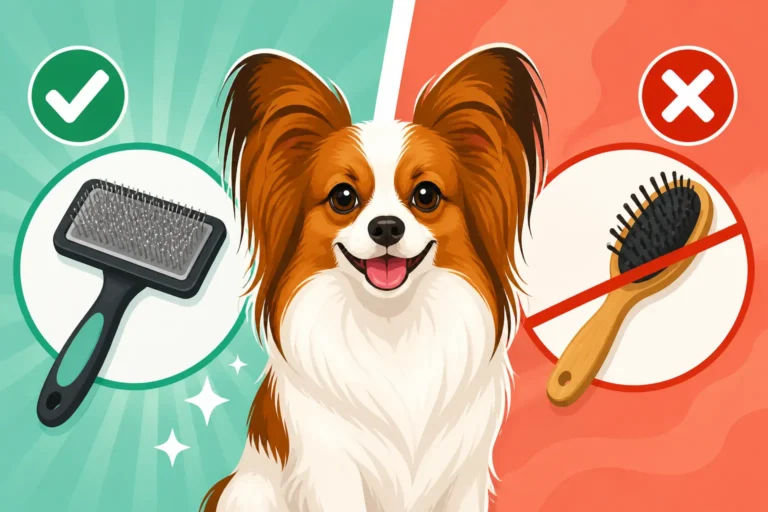
Now, let's talk about the pin brush specifically. It's a common tool in many grooming kits, but its suitability for a Papillon isn't always a straightforward "yes" or "no" answer. It really depends on the type of pin brush and how it's used.
What Exactly Is a Pin Brush?
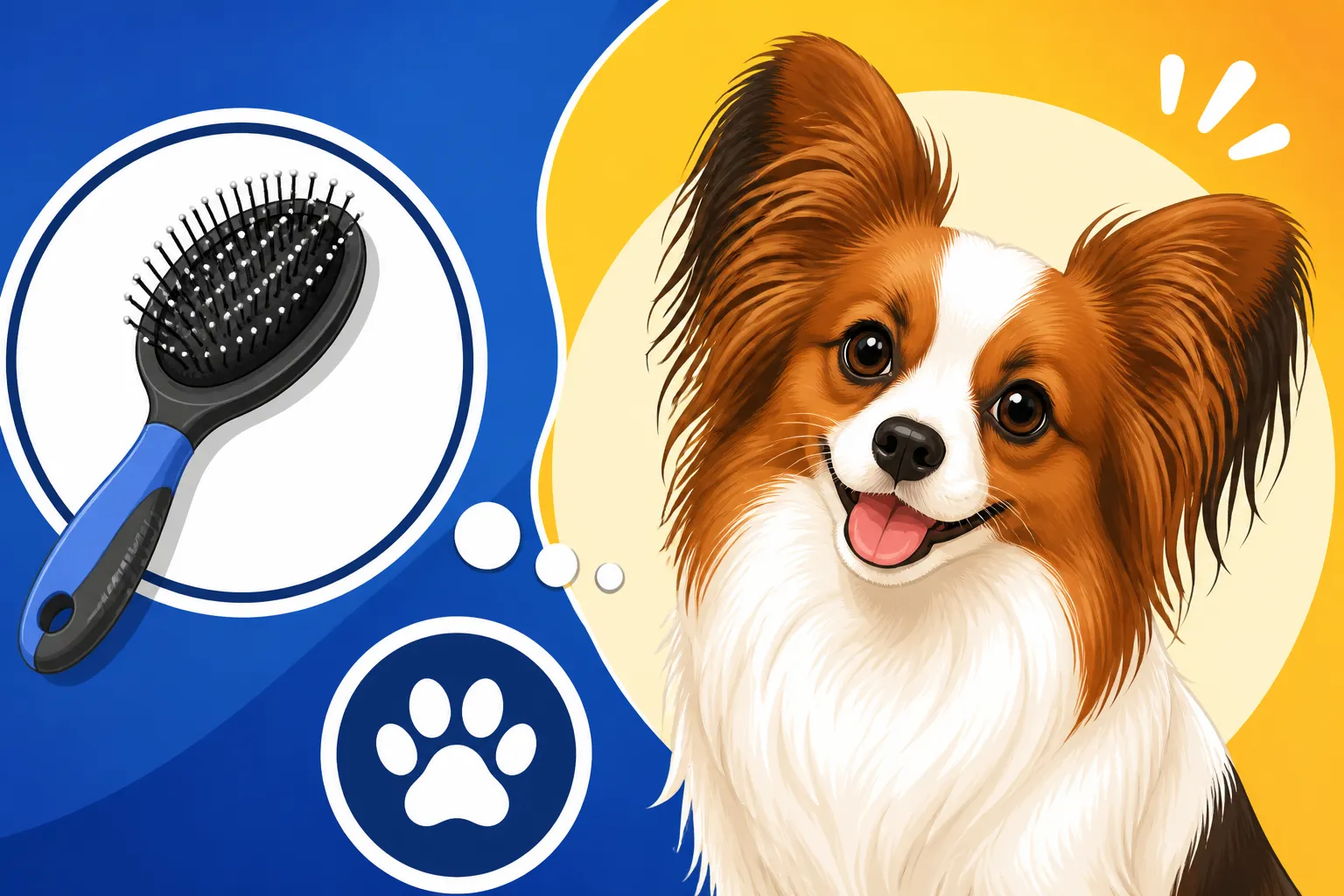
A pin brush typically features wire pins, often with rounded, plastic, or rubber tips, embedded in a flexible rubber or air-cushioned base. The pins are designed to penetrate longer coats, separating individual hairs without tearing or pulling. They come in various sizes, pin lengths, and levels of stiffness, with some having longer pins for very thick coats and others having finer, shorter pins for more delicate work. You'll find options with wooden handles, ergonomic grips, and different colored bases, often making choices a bit overwhelming when you're just looking for something practical.
The main purpose of a pin brush is to gently detangle, lift loose hair, and smooth the coat. The rounded tips are supposed to massage the skin, stimulating circulation and helping to distribute natural oils throughout the hair shaft, which contributes to a healthy, shiny coat. For breeds with dense, long coats and undercoats, a pin brush is often a go-to for daily brushing to prevent mats and maintain fluff. However, for a single-coated breed like a Papillon, its role might be slightly different.
The Pros and Cons for a Papillon's Delicate Coat
When considering a pin brush for your Papillon, there are definite upsides and potential downsides to weigh.
The Pros:
- Gentle Detangling (with the right brush): For small, surface tangles, a good quality pin brush with smooth, well-tipped pins can be quite effective at gently separating the hair. It can glide through the longer feathering on the ears, tail, and legs, helping to prevent minor knots from becoming major mats. If you're brushing regularly, a pin brush can often keep the small snags at bay before they tighten.
- Coat Smoothing and Shine: The pins can help to smooth the hair shaft, reducing static and adding a lovely shine to that beautiful Papillon coat by distributing natural oils. This is particularly noticeable after a full grooming session. The gentle action can help the coat lie flat and flow nicely, showcasing its natural elegance.
- Skin Stimulation: The rounded tips, when used gently, can provide a light massage to the skin, encouraging blood flow and promoting a healthy skin barrier. This can be beneficial for overall coat health and comfort, making grooming a more pleasant experience for your dog.
- Versatility: A pin brush can be a good general-purpose brush for daily touch-ups, especially for puppies or Papillons with less dense feathering. It's often less aggressive than a slicker brush, making it a good starting point for dogs new to grooming or those with very sensitive skin. Many owners find it an easier tool for quick brushes throughout the day.
The Cons:
- Limited Mat Removal: While great for minor tangles, a pin brush is not designed to break up tight, established mats. Trying to force a pin brush through a serious mat will cause pain, pull at the skin, and likely break the delicate Papillon hair, leading to damage. For deeper, more stubborn mats, other tools are necessary.
- Potential for Skin Irritation: Low-quality pin brushes, or those with pins that have lost their protective tips, can scratch or irritate your Papillon's sensitive skin. Always check the pins carefully before use to ensure they are smooth and rounded. A harsh brush can make grooming a negative experience, causing your dog to resist future sessions.
- Ineffective for Shedding (though less of an issue for Papillons): Pin brushes are not particularly effective at removing large quantities of loose hair, especially if it were an undercoat. Since Papillons don't have an undercoat, this is less of a direct con than for other breeds. However, it still means you might need other tools to fully lift out any fine, shed hairs that are clinging to the coat.
- Risk of Static: Depending on the material of the pins and the dryness of the air, a pin brush can sometimes generate static electricity in the fine Papillon coat, making it fly away or become harder to manage. This is often an issue in dry winter months. Using a conditioning spray or slightly dampening the coat beforehand can help mitigate this.
Ultimately, a good quality pin brush can certainly be a useful part of your Papillon's grooming routine, especially for general maintenance and smoothing. However, it's rarely the only brush you'll need, and it's not a magic bullet for serious tangles.
Best Practices for Using a Pin Brush on Your Papillon
Using a pin brush correctly makes all the difference, especially with such a fine and elegant coat. It's not just about dragging the brush through the hair; it's about technique, patience, and choosing the right tool. Many Papillon owners, myself included, have learned through trial and error that gentle, consistent care is the real secret.
Choosing the Right Pin Brush
Not all pin brushes are created equal, and for a Papillon, quality absolutely matters. When you're looking to purchase one, perhaps from a reliable retailer like Chewy or Amazon, here are some key things to consider:
- Smooth, Rounded Pins: This is paramount. Run your hand over the pins; they should feel smooth, not sharp or scratchy. The tips should be capped or naturally rounded to avoid irritating your Papillon's delicate skin. If the plastic tips come off, discard the brush or replace it, as exposed wire pins can cause injury.
- Flexible Cushion Base: A good pin brush will have a soft, air-cushioned base. This flexibility allows the pins to conform to your dog's body contours and provides a gentler brushing experience. A stiff base can make the brush feel rigid and less forgiving on sensitive areas.
- Pin Material: Metal pins are common, but you might also find some with bamboo or nylon pins. For a Papillon, finer, slightly more flexible metal pins with good tips tend to work best for detangling and smoothing.
- Size and Handle: Choose a brush that fits comfortably in your hand. A smaller brush might be easier to maneuver around a Papillon's smaller body and delicate ears. An ergonomic handle will make long grooming sessions more comfortable for you. Don't underestimate the impact of a comfortable grip, especially if you're brushing regularly. Which Brushes a Papillon Owner Has to Buy will often include a pin brush, but emphasizing quality is key.
Step-by-Step Brushing Techniques
Once you have the right brush, technique is everything. This isn't a race; it's a bonding experience and a necessary part of your Papillon's care.
- Preparation is Key: Start with a calm Papillon. A few treats and a quiet environment can make a world of difference. If their coat is very dry, a light misting of a dog-specific conditioning spray can help reduce static and prevent breakage. Never brush a completely dry, matted coat aggressively, as this will only cause more damage. A slightly damp coat is often easier to work with, as discussed in Whether a Papillon Should Be Brushed Damp.
- Section by Section: Don't try to brush the entire dog at once. Work in small sections, starting from the bottom of a limb and working your way up, or from the chest and moving backward. Gently hold the hair above the section you're working on to prevent pulling at the skin. This "line brushing" technique ensures you get all the way down to the skin without missing any spots.
- Gentle Strokes, Not Harsh Pulls: Use light, upward, or outward strokes with the pin brush, always brushing in the direction of hair growth. If you encounter a tangle, do not pull. Instead, gently work at the edges of the tangle with the brush or switch to a wide-toothed comb to carefully tease it apart. Patience is your best friend here. For particularly knotty areas, you may need to use a detangling spray and your fingers first.
- Focus on Feathering and Friction Areas: Pay extra attention to the areas most prone to matting: behind the ears, the chest frill, the culottes, and the tail plume. These long, delicate hairs are beautiful but easily snarl. Spend a little extra time here, using very light strokes to keep them free of knots. This directly addresses common issues like Whether a Papillon Mats Behind the Ears.
- Check for Mats: After brushing with the pin brush, run a metal comb through the coat to ensure you haven't missed any tangles. The comb should glide smoothly through the hair. If it snags, go back and gently work out the remaining knot. This final check is crucial for catching any hidden mats before they become problematic.
- Regularity: Short, frequent brushing sessions are far more effective and less stressful than long, infrequent ones. Aim for a quick brush a few times a week, or even daily for Papillons with very long or tangle-prone coats. This routine keeps small issues from becoming big problems and makes grooming a positive experience.
Beyond the Pin Brush: A Holistic Approach to Papillon Grooming
While a good pin brush can be a valuable asset in your Papillon's grooming kit, it's just one piece of the puzzle. A truly stunning and healthy Papillon coat requires a more comprehensive approach, combining various tools and consistent habits. We want our dogs not just to look good, but to feel comfortable and happy during their grooming routines.
Complementary Tools for a Flawless Coat
To effectively manage a Papillon's silky long coat, you'll need a small arsenal of tools. Think of it like putting together a well-rounded wardrobe – different outfits for different occasions.
- Metal Comb: This is arguably the most essential tool for a Papillon. A good quality, sturdy metal comb with both wide and fine teeth is indispensable for checking for tangles, working through knots, and getting right down to the skin. After using a pin brush, always follow up with a comb to ensure every tangle is gone. The wide-toothed side is perfect for gently breaking apart larger tangles, while the fine-toothed side helps smooth and fluff the coat.
- Slicker Brush: While a pin brush is good for general smoothing, a soft slicker brush can be very effective for lifting out loose hairs and fluffing up the coat. Look for one with very fine, flexible pins and a soft pad to avoid scratching the skin. Use it with a light hand, especially on areas with less dense hair. Many owners use a slicker brush after a pin brush to add extra volume and remove any remaining fine hairs that the pin brush might have missed.
- Detangling Spray: A good dog-specific detangling spray is a lifesaver for tackling knots without causing pain or breakage. Always spray directly onto the tangle, let it sit for a moment, and then gently work the knot out with your fingers or the wide teeth of a metal comb. This is a game-changer for those stubborn bits of Whether a Papillon's Chest Frill Mats.
- Scissors with Rounded Tips: For safe removal of truly stubborn, impossible mats that cannot be combed out, a pair of blunt-tipped grooming scissors is essential. Always use extreme caution and slide a comb between the mat and the skin before cutting, to avoid accidental nips. These are also useful for keeping hair out of the eyes or trimming hair between paw pads if it becomes too long and causes slipping.
- Nail Clippers or Grinder: Long nails can be uncomfortable and even lead to orthopedic issues. Regular nail trims are a must.
- Ear Cleaner: Given those magnificent butterfly ears, routine ear cleaning is important to prevent infections. What to Clean a Papillon's Ears With is a helpful resource.
- Toothbrush and Toothpaste: Papillons are prone to dental issues, so daily tooth brushing is critical. Why a Papillon's Teeth Need Brushing Daily explains just how important this is.
By combining these tools, you're not relying on any single brush to do everything, which ensures you're addressing each aspect of your Papillon's grooming needs with the most appropriate implement.
The Importance of Regular Grooming Habits
Beyond the tools themselves, consistency is the bedrock of good Papillon grooming. It's not about making grooming a chore, but rather an enjoyable routine that benefits both your dog's health and your bond.
- Establish a Routine Early: Start grooming your Papillon puppy from a young age. Gentle handling, short brushing sessions, and positive reinforcement will help them learn to tolerate and even enjoy being groomed. This early exposure makes future sessions much easier. A good breeder will have already started this process, and you should continue it immediately.
- Make it Positive: Always associate grooming with positive experiences. Offer treats, praise, and gentle strokes. If your Papillon becomes stressed or uncomfortable, take a break and try again later. Never force it, as this can create a lifelong aversion to grooming. Think of it as cuddle time that happens to involve a brush.
- Regularity Prevents Problems: Consistent, even brief, daily or every-other-day brushing sessions are far more effective at preventing mats than infrequent, long struggles. It's much easier to spend five minutes gently brushing out a few stray hairs than an hour battling a dense mat. This also allows you to regularly check for any skin issues, bumps, or parasites.
- The Power of a Bath: While Papillons don't need constant bathing, a good bath every few weeks, or when dirty, is essential. Use a high-quality dog shampoo and conditioner designed for long coats to keep the hair clean, soft, and less prone to tangles. Always make sure to thoroughly rinse and dry the coat completely, especially the feathering, to prevent skin irritation.
- Consider Professional Help: If you ever feel overwhelmed by grooming, don't hesitate to seek help from a professional groomer who has experience with toy breeds and long-coated dogs. They can often provide tips, demonstrate proper techniques, or even do a full groom if you need a break. Sometimes, having a professional "reset" the coat makes it much easier to maintain at home.
In conclusion, a pin brush absolutely can suit a Papillon, provided it's a high-quality brush with smooth, rounded pins, and it's used as part of a comprehensive, gentle grooming routine. It's a fantastic tool for smoothing and light detangling, but remember it works best in conjunction with other brushes and combs, and with your patient, loving hands. Prioritize your Papillon's comfort and consistent care, and that beautiful, flowing coat will be a joy to behold for years to come.
Disclaimer
This article is for general informational purposes only and does not constitute professional advice. Laws, prices and regulations vary by location and change over time. Consult a qualified professional for guidance on your specific situation.