Whether a Papillon’s Culottes Mat
One of the trickiest parts of owning a beautiful, long-haired Papillon is battling the inevitable tangles and mats that seem to appear out of nowhere. While their elegant ear fringes and plumed tails get a lot of attention, the feathering on their hindquarters, often called culottes, is a notorious hotspot for matting. This guide will walk you through exactly why those beautiful culottes get tangled, how to prevent those frustrating knots, and what to do when they inevitably appear, saving you and your little butterfly from discomfort and stress.
Understanding the Papillon's Culottes and Their Matting Predisposition
The Papillon's signature look is all about that luxurious, silky coat, but with great beauty comes great responsibility in terms of grooming. The culottes, specifically, are an area that can quickly go from elegant to entangled if not properly managed.
What Exactly Are Papillon Culottes?
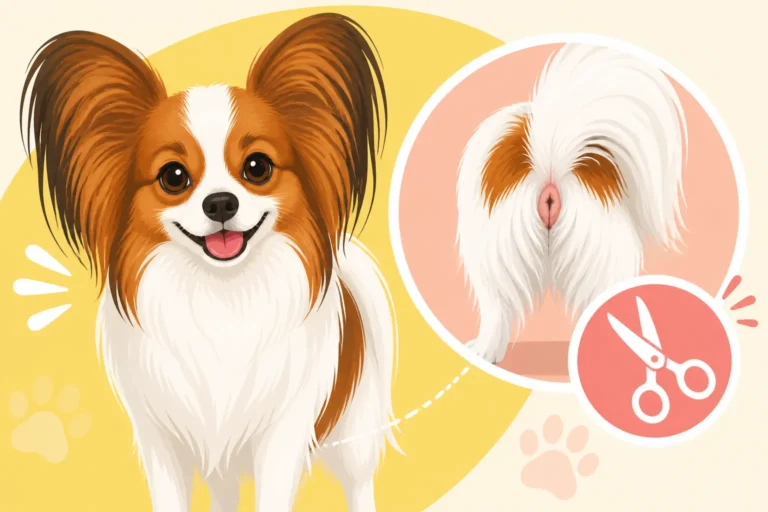
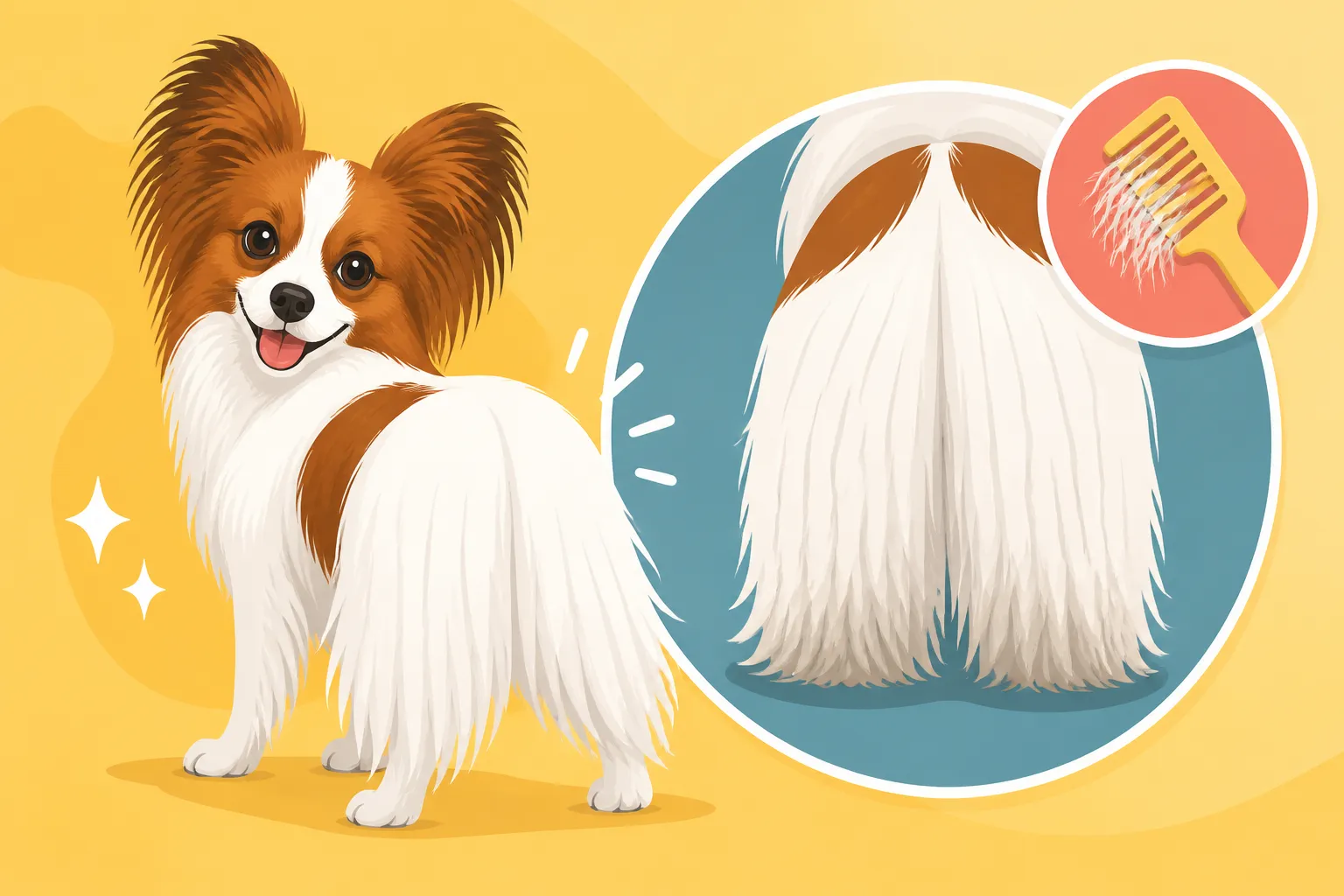
When we talk about a Papillon's culottes, we're referring to the beautiful, long feathering that grows on the back of their hind legs, extending down over their hocks and sometimes brushing the ground. Imagine a pair of flowing, wide-legged trousers – that's essentially what the culottes emulate. This lovely feature adds to the breed's graceful outline and is an important part of their overall appearance, giving them that refined, aristocratic flair. It’s distinct from the shorter, finer hair on their body and other longer areas like their stunning ear fringe or the majestic What a Papillon's Tail Plume Needs.
This feathering is meant to be abundant, soft, and flowing. It should move with your Papillon as they prance around, almost like a silky skirt. However, its very nature – long and fine – makes it susceptible to friction and gathering debris, which are the main culprits behind mat formation. Owners often adore the look, but soon learn that this particular feature requires dedicated attention to stay that way.
Why Culottes Are a Matting Hotspot
The culottes are, unfortunately, a prime location for mats to form for several very practical reasons. First, consider the constant movement and friction. Every time your Papillon sits down, walks, runs, or even just shifts their weight, those long strands of hair rub against each other, against furniture, or against the ground. This constant friction causes the individual hairs to twist and knot, much like how a long necklace can become a tangled mess in your jewelry box.
Beyond friction, daily activities introduce moisture and debris. Think about how often your Papillon goes outside, especially for potty breaks. Those culottes are right there, ready to pick up stray bits of grass, leaves, dirt, and even moisture from morning dew or puddles. Add to that the occasional splash or dribble from going to the bathroom, and you have a perfect storm for hair to clump together. When wet hair dries without being properly brushed out, it can fuse into a solid mat. Furthermore, the Papillon's coat is a single coat, meaning it lacks a dense undercoat. This Why a Papillon's Coat Is Called Silky texture is beautiful but can be more prone to tangling if not managed, as there's no protective layer of fluff to keep the longer guard hairs from knotting.
The Impact of Matting Beyond Aesthetics
While a matted culotte certainly doesn't look as pretty as a flowing one, the problems extend far beyond appearances. Mats are incredibly uncomfortable for your Papillon, and in severe cases, they can be downright painful. A mat pulls on the skin, creating constant tension and irritation. Imagine having your hair tightly pulled and twisted all day long – that’s a fraction of what a severe mat feels like for a dog.
Beyond physical discomfort, mats can lead to serious health issues. The tight pulling can restrict blood flow to the skin, and the trapped moisture and lack of air circulation underneath a mat create a warm, damp environment perfect for bacterial and fungal infections. This can result in painful hot spots, skin rashes, or yeast infections that require veterinary attention. Additionally, matted hair around the sanitary areas can trap feces and urine, leading to hygiene problems, foul odors, and further skin irritation. It can also make it incredibly difficult for your Papillon to move freely or even lie down comfortably. If left unchecked, these mats can become so severe that they form a solid "shell" around the dog, necessitating a complete shave-down by a professional, which can be stressful for the dog and expensive for the owner.
Proactive Prevention: Keeping Those Culottes Mat-Free
The best defense against matted culottes is a good offense! Regular, consistent grooming is your number one tool in keeping your Papillon's beautiful feathering in pristine condition.
The Daily Brushing Regimen for Culottes
Consistency is truly the secret weapon here. Aim for a quick daily brush-out of your Papillon's culottes, perhaps as part of their How Often a Papillon Needs Brushing routine. This doesn't need to be a long, arduous task; even five minutes can make a huge difference. Start with the right tools: a good quality pin brush and a metal comb are indispensable. I always recommend having both. The pin brush helps to gently separate and smooth the longer hairs, while the metal comb allows you to get right down to the skin and find any smaller tangles before they escalate into full-blown mats.
The technique is crucial: don't just brush over the top! You need to line brush, meaning you part the hair in sections and brush layer by layer, from the skin out, ensuring you're getting through all the feathering. Many owners find that a light mist of a detangling spray or a conditioning spray before brushing helps lubricate the hair, making it easier to work through and preventing breakage. You can find excellent detangling sprays from brands available on Chewy or Amazon. This small step can make the brushing experience much more pleasant for both you and your Papillon.
Strategic Trimming and Hygiene
While a Papillon's coat is usually left long for aesthetic purposes, strategic trimming can be a game-changer for culotte maintenance, especially around the sanitary area. A "sanitary trim" involves carefully trimming the hair shorter around the anus and vulva/penis. This isn't about altering the look of their culottes, but rather about preventing urine and feces from becoming trapped in the longer hairs, which can quickly lead to painful, dirty mats. This simple trim reduces mess and keeps your Papillon much cleaner and more comfortable.
When it comes to bathing, ensuring your Papillon is thoroughly clean and properly dried is key. Use a good quality dog shampoo and conditioner, making sure to rinse all product out of the culottes to prevent residue build-up that can make hair sticky and prone to matting. After bathing, gently towel-dry, then use a low-heat blow dryer while brushing the culottes smooth. Allowing them to air-dry naturally can encourage matting as the hair dries in clumps. You can learn more about this in How to Dry a Papillon. Remember, while some breeds require extensive trimming, Papillons generally only need minimal, targeted trims to help with hygiene and to keep their feet neat; a full-body trim is often unnecessary and can alter their beautiful coat texture.
Environmental and Lifestyle Considerations
Your Papillon's environment and daily habits play a significant role in how quickly their culottes mat. If your dog loves to roll in the grass, romp through bushes, or play in damp areas, their culottes are going to pick up more debris and moisture, increasing the risk of tangles. Consider investing in dog coats or even dog leggings (yes, they exist!) for particularly muddy or wet walks to protect those vulnerable areas.
Inside the home, think about where your Papillon spends most of their time. Do they frequently jump on and off furniture? Are your floors mostly hardwood or tile? These surfaces can sometimes exacerbate matting by creating friction. While Whether a Papillon Slips on Hardwood is a concern for their joints, the texture of slick floors can also rub against long hair. Providing soft beds and blankets where they relax can reduce friction. A balanced diet also contributes to overall coat health; a healthy coat is often less prone to matting. Quality dog food brands, like those found on Ollie or Chewy, can help ensure your Papillon gets the nutrients needed for a strong, healthy coat.
Tackling Tangles: How to Safely Remove Mats from Culottes
Despite your best efforts, sometimes mats just happen. The key is to address them promptly and gently to prevent them from growing larger and more painful.
Gathering Your Mat-Busting Arsenal
Before you start, make sure you have the right tools on hand. This isn't a task to rush into ill-equipped. You'll want:
- A wide-toothed metal comb: Essential for gently working through tangles.
- A mat splitter or dematting tool: These have small blades designed to cut through mats without cutting the dog's skin. Use with extreme caution.
- Blunt-nosed scissors: Only for emergencies and only if you can clearly see skin and insert a comb between the skin and the mat.
- Cornstarch or talcum powder: Helps to dry out the mat and give it a bit more slip, making it easier to separate.
- Detangling spray or conditioning mist: Provides lubrication.
- Treats: Crucial for keeping your Papillon calm and cooperative.
Having these tools ready means you won't have to stop mid-process, making the experience less stressful for your dog. Remember, patience is your most valuable tool here.
Step-by-Step Dematting Technique
Always approach mat removal with patience and a gentle touch. Your Papillon’s trust is paramount.
- Secure Your Papillon: Find a comfortable, elevated surface where your dog feels secure and you can work easily, like a grooming table or even a sturdy counter with a non-slip mat. Offer plenty of praise and treats.
- Apply Powder or Spray: Dust the mat generously with cornstarch or spray with a detangler. Work it into the mat with your fingers. This helps loosen the hair and reduces friction.
- Finger Pick First: Using your fingers, gently try to pull the mat apart from the edges, working a few hairs at a time. The goal is to break the mat into smaller, more manageable sections.
- Comb from the Outside In: Once you've separated a small section, start combing the very outermost edge of the mat with your metal comb. Hold the hair closer to the skin with one hand to prevent pulling. Work tiny sections at a time, gradually moving closer to the skin. Do not try to yank the comb through the entire mat at once.
- Use a Mat Splitter (Carefully!): For very stubborn mats, a mat splitter can be useful. Insert the tool into the mat from the outside edge and gently slice through it, parallel to the body. This breaks the mat into smaller strips you can then comb out. Always be mindful of the skin, which can be easily caught by these tools.
- Scissors as a Last Resort: If a mat is very tight and close to the skin, and you cannot get any tool underneath it, you might need to use blunt-nosed scissors. This is risky. Always point the scissors away from the dog's body, and try to slide a comb underneath the mat against the skin first. Then, very carefully, snip into the mat parallel to the skin, never perpendicular. The goal is to cut the mat into strips, not to cut it off directly. If you're unsure, do not use scissors.
Here’s a quick overview of dematting tools:
| Tool | Best Use | Caution |
|---|---|---|
| Wide-toothed Comb | Gentle detangling, breaking up small mats | Can pull if forced through tight mats |
| Pin Brush | General brushing, superficial tangles | Not effective for dense mats; can cause static if not high quality |
| Mat Splitter | Cutting through thick, dense mats | Blades are sharp; easy to cut skin if not used correctly |
| Blunt-nosed Scissors | Last resort for cutting very tight mats | High risk of cutting skin; requires extreme caution and skill |
| Detangling Spray | Lubricating hair, easing comb-through | Ensure it's dog-safe; some can leave residue if overused |
| Cornstarch/Talcum | Drying out mats, adding slip to hair | Avoid inhalation; use sparingly; not for open wounds |
Knowing When to Call in a Professional
Sometimes, despite your best efforts, a mat can be too large, too tight, or too close to the skin for you to safely remove at home. This is not a failure on your part; it's a responsible decision to prioritize your Papillon's well-being. Trying to force a comb through a severe mat or attempting to cut it out blindly with scissors can cause immense pain, tear the skin, or lead to serious injury that requires veterinary care.
A professional groomer has specialized tools, training, and experience to deal with severe matting safely and effectively. They can often work through tangles that seem impossible to an owner, or, if necessary, humanely shave down the matted areas. While a full shave might not be the look you envisioned for your Papillon, it's often the kindest solution for a dog in significant discomfort. Don't hesitate to reach out to a professional groomer for help. They can also offer personalized advice on future prevention strategies and recommend products or routines tailored to your dog's specific coat needs.
Beyond the Culottes: Overall Grooming for a Papillon's Feathering
While the culottes are a major concern, it's important to remember that all of your Papillon's beautiful feathering requires attention. A comprehensive approach ensures your dog remains comfortable, healthy, and stunning.
The Interconnectedness of Papillon Feathering
It's easy to focus solely on the culottes when they become a problem area, but remember that a Papillon's entire coat is a delicate ecosystem. The lovely Whether a Papillon's Chest Frill Mats behind their front legs, the elegant ear fringes, and the glorious tail plume are all made of the same long, silky hair and are equally prone to tangling if neglected. A mat in one area can quickly lead to more mats as the hair rubs together. For instance, if your Papillon gets a mat in their chest frill, it can easily rub against their front leg feathering, exacerbating tangles there.
Maintaining the entire coat consistently makes the overall grooming process much easier and more effective. Instead of spot-treating problems, think of your grooming routine as a full-body wellness check for their luxurious hair. When you regularly brush and maintain the coat, you'll find that even the notoriously tricky areas like the culottes are much more manageable. This holistic approach supports the overall health and beauty of your Papillon, ensuring that their coat remains a source of pride rather than frustration. You might be surprised at Why a Papillon's Long Coat Takes Twenty Minutes a Week when maintained regularly.
Developing a Comprehensive Grooming Schedule
To keep your Papillon's coat in tip-top condition, establishing a consistent grooming schedule is non-negotiable. This isn't just about brushing, but a multi-faceted approach to coat care:
- Daily Quick Checks: Spend a few minutes each day, especially after walks or playtime, doing a quick run-through of the culottes, behind the ears, and under the legs with your fingers or a comb to catch any nascent tangles.
- Weekly Brushing Sessions: Dedicate a longer session (15-20 minutes) once or twice a week for a thorough line brushing of the entire coat, paying special attention to all feathered areas. This is where How Long a Papillon Takes to Brush can vary depending on diligence.
- Monthly Baths: Aim for a bath every 3-4 weeks, or as needed, using a gentle shampoo and conditioner specifically designed for dogs. Always ensure thorough drying with a blow dryer while brushing.
- Regular Sanitary Trims: Schedule these as needed, typically every few weeks, to keep the culottes and other areas around the genitals neat and clean.
- Nail Trims and Ear Cleaning: Don't forget these essential grooming tasks, as they contribute to overall comfort and hygiene.
Starting these routines early in puppyhood, even with short, positive sessions, can help your Papillon grow to tolerate and even enjoy grooming, making it a bonding experience rather than a battle. For a new puppy, this can be part of learning The First Year With a Papillon Puppy.
The Joy of a Well-Maintained Papillon
There’s a unique satisfaction that comes with looking at your Papillon, their coat gleaming and flowing, free from mats and tangles. It's not just about aesthetics; it’s about their comfort, health, and overall well-being. A dog free from the pulling and irritation of mats is a happier, more active dog. They can run, play, and cuddle without discomfort, truly embodying the joyful spirit of the Papillon.
The grooming process itself, when done with care and positive reinforcement, strengthens the bond between you and your dog. It's a time of quiet connection, where gentle strokes and praise build trust. Investing the time and effort into regular grooming, especially focusing on those culottes, ensures that your Papillon lives their best, most comfortable life, looking every bit the elegant companion they are. A well-groomed Papillon is a testament to the love and care they receive, and truly, there's nothing more rewarding than that.
Disclaimer
This article is for general informational purposes only and does not constitute professional advice. Laws, prices and regulations vary by location and change over time. Consult a qualified professional for guidance on your specific situation.